
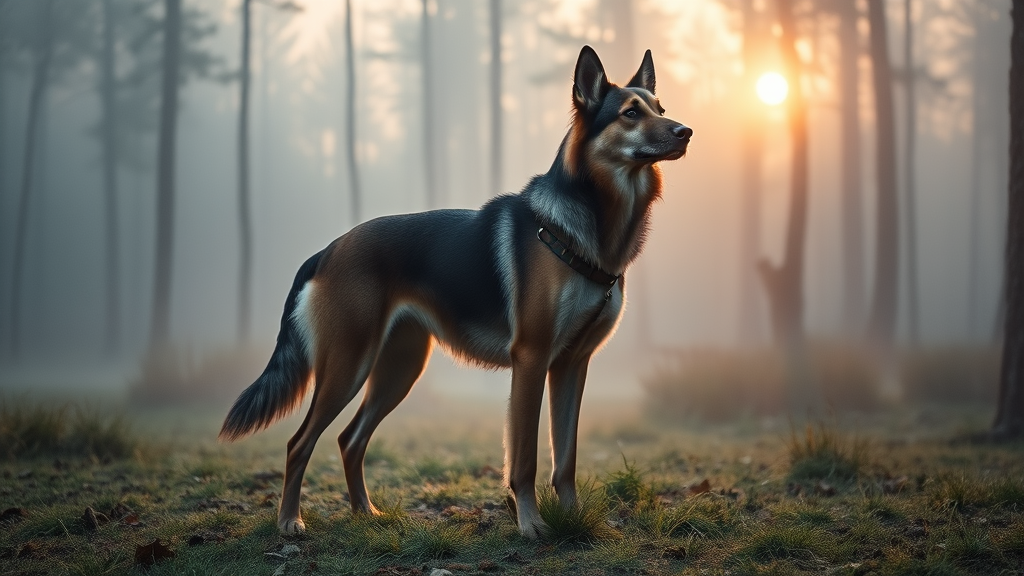
Throughout history, hunting dogs have been humanity’s most loyal companions in the pursuit of game. These remarkable canines have not only served as skilled hunters but have also become the subjects of countless legendary tales that capture our imagination and tug at our heartstrings. From ancient civilizations to modern times, stories of extraordinary hunting dogs have been passed down through generations, each tale more captivating than the last.
The bond between hunter and hound runs deeper than mere utility – it represents a partnership forged through trust, training, and mutual respect. While some stories have taken on mythical proportions over time, the truth behind these legendary hunting dog tales often proves to be even more remarkable than fiction. Understanding the reality behind these stories helps us appreciate the genuine heroism, loyalty, and sacrifice that hunting dogs have demonstrated throughout history.
Origins of Hunting Dog Legends
The tradition of hunting with dogs dates back thousands of years, with archaeological evidence suggesting that humans began domesticating wolves specifically for hunting purposes as early as 15,000 years ago. Ancient civilizations across the globe developed unique relationships with their hunting companions, leading to the creation of stories that celebrated their remarkable abilities and unwavering loyalty.
In ancient Egypt, hunting dogs were so revered that they were often mummified and buried alongside their owners, believing they would continue their partnership in the afterlife. The ancient Greeks and Romans documented numerous tales of exceptional hunting dogs, with some accounts describing hounds that could track prey across vast distances and through challenging terrain that would defeat human hunters.
Many of these early legends were rooted in genuine observations of canine behavior and abilities that seemed almost supernatural to people of that era. Dogs’ superior senses of smell and hearing, their ability to navigate in darkness, and their unwavering determination in pursuit of quarry naturally gave rise to stories that emphasized their almost mystical qualities.
Famous Historical Hunting Dogs
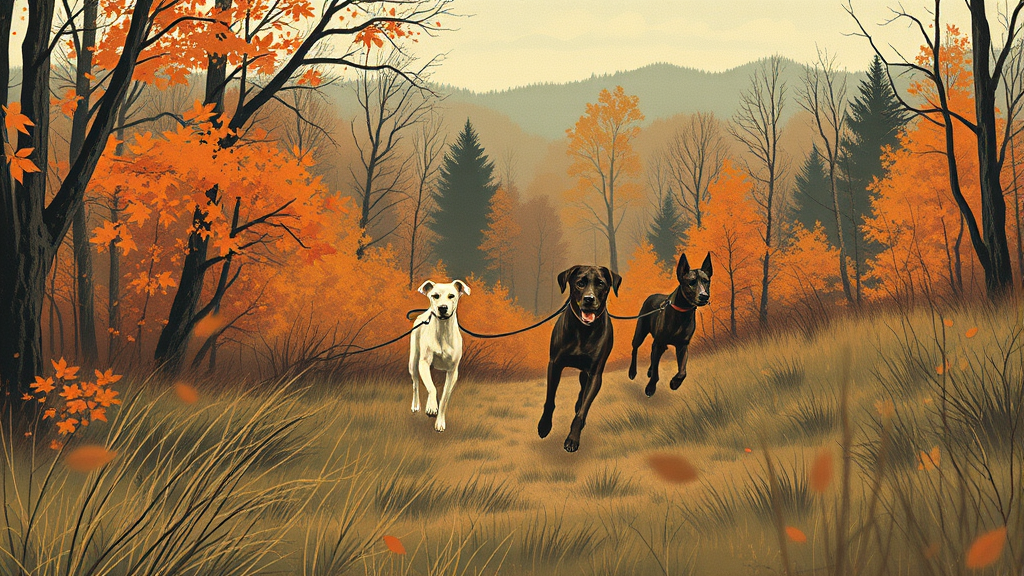
One of the most celebrated hunting dogs in history was Argos, the faithful hound of Odysseus in Homer’s epic poem “The Odyssey.” While fictional, this character was based on the very real tradition of Greek hunting dogs known for their exceptional loyalty and longevity. Historical records from the American Kennel Club document numerous real-life hunting dogs whose achievements rival those of their legendary counterparts.
During the medieval period, European nobility prized their hunting hounds so highly that laws were enacted to protect them. The famous Irish Wolfhounds of Celtic legend were said to be capable of taking down wolves single-handedly, and historical accounts suggest these massive dogs did indeed serve as both hunters and guardians of their communities.
In more recent history, the bloodhounds used in tracking during the American Civil War became legendary for their ability to follow trails days old. These dogs’ remarkable tracking abilities led to numerous documented cases where they successfully located missing persons or fugitives across incredible distances, cementing their reputation as nearly infallible trackers.
The development of specific hunting breeds also contributed to legendary status. The English Foxhound, bred specifically for fox hunting, became the subject of numerous tales celebrating their stamina and determination. Similarly, the German Shorthaired Pointer gained legendary status for their versatility in both land and water hunting scenarios.
The Reality Behind Legendary Tales
While many hunting dog legends contain elements of exaggeration, the core truths behind these stories often reveal genuine extraordinary abilities. Modern scientific research has validated many claims about canine capabilities that were once considered mythical. Dogs possess up to 300 million olfactory receptors compared to humans’ 6 million, explaining their legendary tracking abilities.
The question “did they actually use a dead dog in the hunt” often arises when examining historical hunting practices. While this practice was extremely rare and generally considered taboo, there are documented instances where deceased hunting dogs were used as decoys or training aids. However, such practices were not widespread and were often viewed unfavorably by ethical hunters who respected their canine partners.
Archaeological evidence from various hunting sites has revealed that hunting dogs were typically treated with great respect, even in death. Many sites show evidence of ceremonial burials for hunting dogs, suggesting they were valued family members rather than mere tools. This respect extended to how they were remembered, with many “legendary” tales serving as eulogies that honored their service and sacrifice.
The reality is that most legendary hunting dog tales stem from genuine remarkable feats. Dogs have been documented swimming across raging rivers to retrieve game, tracking wounded animals for miles through difficult terrain, and demonstrating problem-solving abilities that amazed their human companions. These authentic achievements formed the foundation for stories that grew more elaborate with each telling.

Modern Hunting Dog Heroes
Contemporary hunting dog stories continue to add to the legendary status of these remarkable animals. Search and rescue operations have documented cases where hunting dogs have located missing persons in conditions that would challenge the most advanced technology. Their natural hunting instincts translate seamlessly to life-saving rescue work.
Modern conservation efforts have also created new hunting dog heroes. Dogs trained to track poachers have become instrumental in protecting endangered species. Their ability to detect illegal hunting activities has saved countless animals from extinction, creating a new chapter in the legendary status of hunting dogs.
The development of GPS tracking and other modern technologies has allowed researchers to document the incredible distances and speeds that hunting dogs can maintain during pursuit. Some documented cases show dogs traveling over 20 miles during a single hunt, maintaining speeds that would exhaust human athletes.
Professional hunting guides often share stories of dogs that seem to possess an almost supernatural understanding of their quarry’s behavior. These modern tales, backed by video evidence and GPS data, continue the tradition of celebrating exceptional canine abilities while providing scientific validation for their remarkable skills.
The Science of Hunting Dog Abilities
Scientific research conducted by institutions like the American Veterinary Medical Association has revealed the biological basis for many seemingly legendary hunting dog abilities. Their enhanced sensory capabilities, including the ability to detect scents at concentrations nearly 100 times lower than humans can perceive, explain many “miraculous” tracking stories.
The physical adaptations of hunting breeds have been studied extensively by researchers at Cornell University and other academic institutions. These studies show how selective breeding has enhanced specific traits that make hunting dogs exceptionally effective at their tasks. Understanding what dog has the strongest bite helps explain how certain hunting breeds were developed for specific purposes.
Neurological studies have also revealed that hunting dogs possess enhanced spatial memory and navigation abilities. This explains historical accounts of dogs finding their way home across vast unfamiliar territories, a feat that contributed to many legendary tales of canine intelligence and loyalty.
Recent research into canine cognition has shown that hunting dogs can learn and remember complex patterns of behavior in their prey species. This ability to predict animal behavior has led to hunting successes that appeared almost prophetic to their human companions, contributing to legends of dogs with supernatural hunting abilities.
Ethical Considerations in Hunting
Modern discussions about hunting dog legends often include ethical considerations about the treatment of both hunting dogs and their quarry. Organizations like the Humane Society have worked to establish guidelines that ensure the welfare of hunting dogs while maintaining traditional hunting practices.
The respect shown to hunting dogs throughout history reflects broader cultural values about the human-animal bond. Many cultures developed elaborate rituals around the care and treatment of hunting dogs, recognizing their partnership rather than viewing them as mere tools. This respect extended beyond their working lives, with many hunters considering questions about do dogs go to heaven when their faithful companions passed away.
Contemporary hunting practices emphasize the welfare of hunting dogs, with strict guidelines about their care, training, and retirement. Modern hunters often spend considerable resources on their dogs’ healthcare and comfort, viewing them as family members who happen to have exceptional working abilities.
The evolution of hunting ethics has also influenced how hunting dog legends are told and interpreted. Modern versions of classic tales often emphasize the partnership and mutual respect between hunter and hound, rather than focusing solely on the conquest of prey.
Preserving Hunting Dog Traditions
Efforts to preserve hunting dog traditions have taken many forms, from breed conservation programs to the documentation of traditional training methods. Organizations like the American Kennel Club Field Trial Department work to maintain the standards and traditions that have made hunting dogs legendary.
The oral tradition of sharing hunting dog stories continues to play an important role in preserving these legends. Hunting clubs and associations regularly host gatherings where experienced hunters share tales of remarkable dogs, ensuring that their memories live on for future generations.
Modern technology has also contributed to preservation efforts. Digital archives now contain thousands of hunting dog stories, photographs, and videos that document the continued excellence of these remarkable animals. These resources help separate fact from fiction while celebrating the genuine achievements that made hunting dogs legendary.
Educational programs in schools and museums help young people understand the historical significance of hunting dogs in human civilization. These programs often address practical questions that arise when discussing traditional practices, including considerations about end-of-life care such as how much does it cost to cremate a dog when these beloved companions reach the end of their working lives.
The continuation of hunting dog competitions and field trials ensures that the skills and abilities that made these dogs legendary continue to be developed and celebrated. These events serve as living museums where the partnership between human and canine that created so many legendary tales can still be witnessed and appreciated.
Frequently Asked Questions
What makes hunting dog stories legendary rather than just historical accounts?
Hunting dog stories become legendary when they capture extraordinary feats of loyalty, intelligence, or ability that seem to transcend normal canine capabilities. These tales often involve dogs performing seemingly impossible tasks, demonstrating unwavering devotion to their human partners, or displaying problem-solving abilities that amazed witnesses. The legendary status comes from the emotional impact and the way these stories inspire people across generations.
Are there documented cases of hunting dogs performing the feats described in legends?
Yes, many legendary hunting dog tales are based on documented historical events. Modern research and technology have validated many claims about canine abilities that were once considered mythical. GPS tracking, video documentation, and scientific studies of canine senses have confirmed that dogs can indeed perform many of the remarkable feats described in traditional stories, though some embellishment often occurs over time.
How did ancient civilizations view their hunting dogs?
Ancient civilizations typically held hunting dogs in extremely high regard, often considering them sacred or semi-divine beings. In Egypt, hunting dogs were mummified and buried with their owners. Greek and Roman cultures celebrated hunting dogs in art and literature. Many ancient societies developed elaborate rituals around the care and training of hunting dogs, reflecting their importance to survival and cultural identity.
What role did selective breeding play in creating legendary hunting dogs?
Selective breeding played a crucial role in developing the exceptional abilities that made hunting dogs legendary. Over centuries, hunters bred dogs for specific traits like enhanced scenting ability, stamina, courage, and intelligence. This selective breeding created breeds with capabilities that seemed almost supernatural to people unfamiliar with their development, contributing to their legendary status.
How do modern hunting dogs compare to their legendary predecessors?
Modern hunting dogs often exceed their legendary predecessors in measurable abilities due to continued selective breeding, better nutrition, and advanced training methods. However, the emotional bond and partnership that created legendary status remains unchanged. Contemporary hunting dogs continue to perform remarkable feats that add to the ongoing legend, supported now by scientific documentation and technology.
What ethical considerations surround the use of hunting dogs today?
Modern ethical considerations focus on ensuring the welfare of hunting dogs throughout their lives, including proper training methods, adequate healthcare, and humane treatment. There’s also emphasis on fair chase principles and ensuring that hunting practices are sustainable and respectful of wildlife. Many hunters now view their dogs as family members first and working partners second, reflecting evolved attitudes about animal welfare.
How can people learn more about authentic hunting dog history versus mythology?
People can learn about authentic hunting dog history through academic sources, museum collections, breed organization records, and documented field trial results. Organizations like the AKC, AVMA, and various hunting associations maintain historical records and educational resources. Comparing multiple sources and looking for scientific validation helps distinguish between documented achievements and mythological embellishments while appreciating both aspects of hunting dog legends.





