
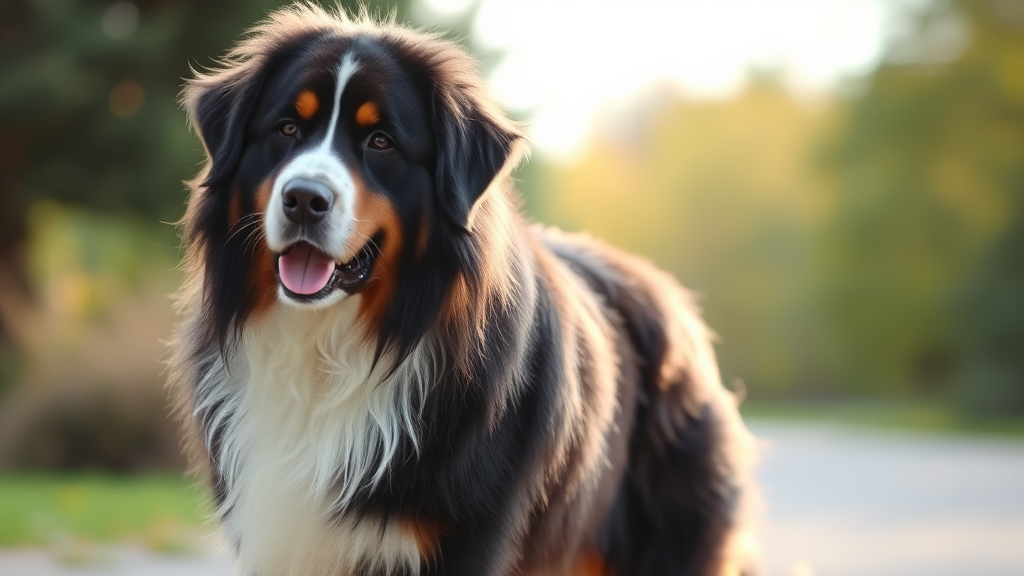
The majestic Bernese Mountain Dog, with its striking tri-colored coat and gentle demeanor, captures hearts worldwide. However, prospective and current owners often wonder: do Bernese Mountain Dogs shed? The short answer is yes – these beautiful giants are prolific shedders with a double coat that requires dedicated maintenance throughout the year.
Understanding the shedding patterns and proper coat care techniques for your Bernese Mountain Dog is essential for maintaining a clean home and keeping your furry companion comfortable and healthy. This comprehensive guide will equip you with everything you need to know about managing your Bernese’s shedding, from seasonal variations to professional grooming techniques and effective tools that make the process manageable.
Understanding the Bernese Mountain Dog’s Double Coat
Bernese Mountain Dogs possess a luxurious double coat that served them well in their native Swiss Alps. This coat system consists of two distinct layers: a soft, dense undercoat that provides insulation, and a longer, coarser outer coat that repels water and debris. The undercoat is where most of the shedding occurs, as these fine hairs naturally cycle through growth and loss phases.
The outer coat, while longer and more visible, sheds less frequently but still contributes to the overall hair volume your Bernese will leave around your home. This double-layered system means that Bernese Mountain Dogs shed year-round, with particularly heavy periods during seasonal transitions. The American Kennel Club classifies Bernese Mountain Dogs as heavy shedders, requiring daily brushing to manage loose hair effectively.
The coat’s texture and density can vary slightly between individual dogs, but all Bernese Mountain Dogs will experience significant shedding. Males typically have slightly thicker coats than females, which may result in more noticeable shedding. Understanding this natural coat structure helps owners set realistic expectations and develop appropriate grooming strategies.
Seasonal Shedding Patterns and What to Expect
Bernese Mountain Dogs experience two major shedding seasons annually, typically occurring in spring and fall. During these periods, often called “blowing coat,” your dog will shed their undercoat extensively as they prepare for temperature changes. Spring shedding removes the heavy winter undercoat, while fall shedding makes room for the new winter coat to grow in.
These seasonal sheds can last anywhere from two to six weeks, during which you’ll notice significantly more hair around your home. Many owners describe it as finding tumbleweeds of dog hair in corners and under furniture. The timing can vary based on your geographic location, indoor heating and cooling, and your dog’s individual cycle.
Between major seasonal sheds, Bernese Mountain Dogs maintain a consistent level of daily shedding. This baseline shedding is manageable with regular grooming but will still require daily attention. Factors such as stress, illness, hormonal changes, or dietary issues can increase shedding outside of normal seasonal patterns. Just as humans need adequate rest for overall health, ensuring your Bernese gets proper sleep is crucial for maintaining a healthy coat cycle. Why Do Dogs Sleep So Much explains the importance of quality rest for your dog’s well-being.
Daily Grooming Routines for Shedding Control
Establishing a daily grooming routine is the most effective way to manage your Bernese Mountain Dog’s shedding. A consistent 10-15 minute brushing session will remove loose undercoat hair before it falls around your home and help distribute natural oils throughout the coat, promoting healthy skin and fur.
Start by using a slicker brush to work through the outer coat, paying special attention to areas prone to matting such as behind the ears, under the legs, and around the tail. Follow with an undercoat rake or deshedding tool to capture loose undercoat hair. Work in sections, brushing in the direction of hair growth, and be gentle to avoid irritating the skin.
During heavy shedding seasons, you may need to increase brushing frequency to twice daily. The ASPCA recommends that owners of double-coated breeds like Bernese Mountain Dogs never skip more than a day without brushing during peak shedding periods.
Regular ear cleaning should also be part of your grooming routine, as Bernese Mountain Dogs’ floppy ears can trap moisture and debris. How to Clean Dogs Ears provides detailed guidance for maintaining your dog’s ear health as part of comprehensive grooming care.
Essential Tools and Equipment for Managing Shedding
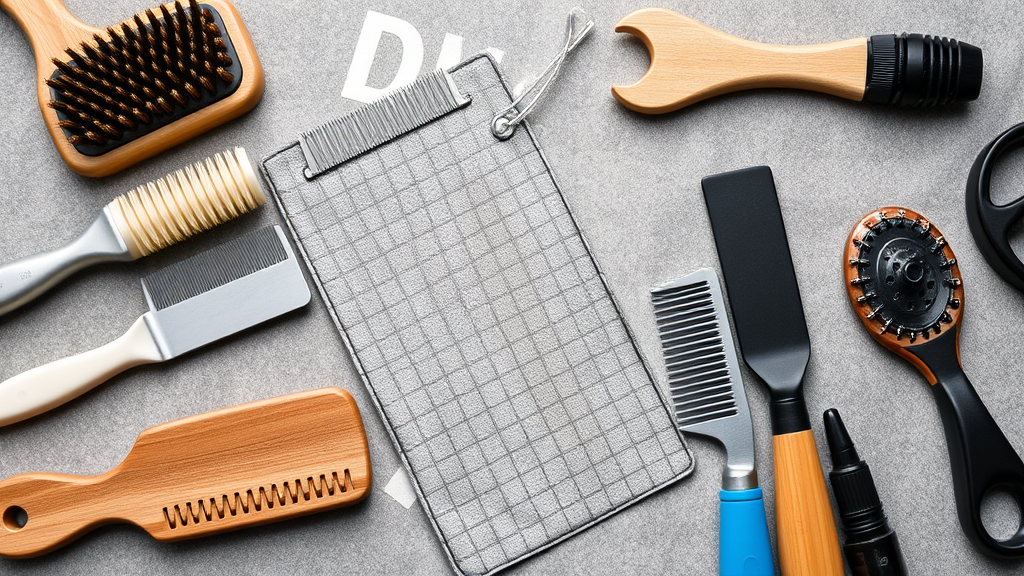
Having the right tools makes managing your Bernese Mountain Dog’s shedding significantly easier and more effective. A high-quality slicker brush with fine, angled pins is essential for daily brushing and removing surface-level loose hair. Look for brushes specifically designed for double-coated breeds with pins that can penetrate through the outer coat to reach the undercoat.
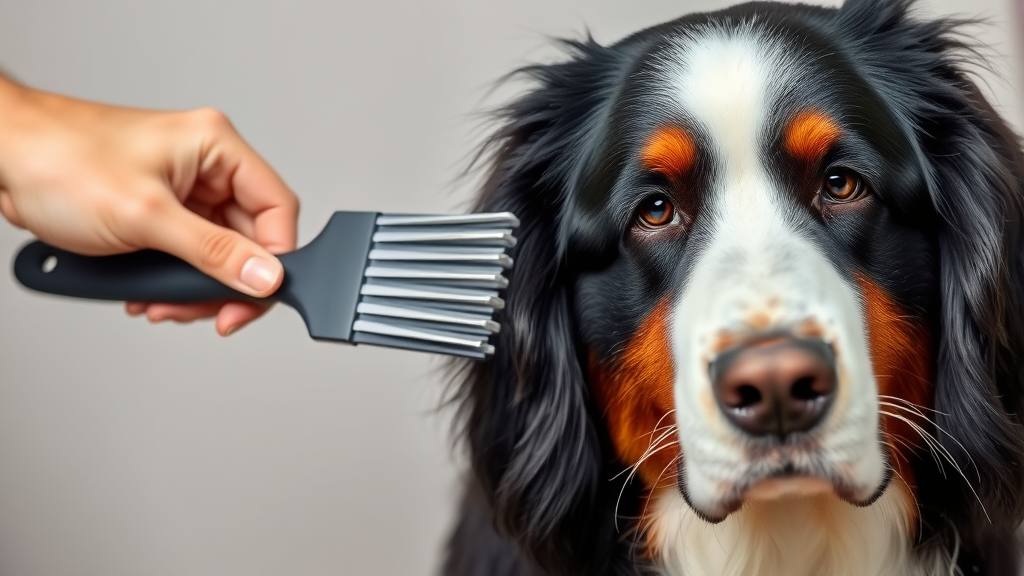
An undercoat rake or deshedding tool is crucial for removing the dense undercoat hair that causes most shedding problems. These tools feature specially designed teeth that grab and remove loose undercoat without cutting or damaging the outer coat. Popular options include the FURminator and similar deshedding tools designed for large, long-haired breeds.
A high-velocity dryer can be invaluable during heavy shedding seasons, as it blows out loose undercoat hair more efficiently than brushing alone. While professional-grade dryers are expensive, they’re worth the investment for dedicated Bernese owners. Additionally, invest in a good vacuum cleaner designed for pet hair, with strong suction and specialized attachments for furniture and car interiors.
Pin brushes, metal combs, and dematting tools round out your essential grooming kit. Having multiple brush types allows you to tackle different aspects of coat maintenance effectively. The American Veterinary Medical Association emphasizes the importance of using appropriate grooming tools to prevent skin irritation and maintain coat health.
Nutrition and Health Factors Affecting Shedding
Your Bernese Mountain Dog’s diet plays a crucial role in coat health and shedding patterns. A high-quality diet rich in omega-3 and omega-6 fatty acids supports healthy skin and reduces excessive shedding. Look for foods containing fish oil, flaxseed, or other sources of essential fatty acids that promote coat shine and reduce inflammation.
Protein quality is equally important, as hair is primarily composed of protein. Ensure your Bernese receives adequate high-quality protein from sources like chicken, fish, or lamb. Poor nutrition can lead to increased shedding, dull coat, and skin problems. Proper portion control is essential for maintaining optimal health. How Much Food Should I Feed My Dog offers guidance on determining appropriate food amounts for your dog’s size and activity level.
Health conditions such as allergies, thyroid disorders, or skin infections can cause excessive shedding beyond normal patterns. If you notice sudden increases in shedding, bald patches, or changes in coat texture, consult your veterinarian. Stress, hormonal changes during heat cycles, and certain medications can also affect shedding patterns.
Hydration is often overlooked but crucial for coat health. Ensure your Bernese has constant access to fresh water, as dehydration can lead to dry skin and increased shedding. Adding healthy treats like carrots can provide additional vitamins and minerals that support coat health.
Home Management Tips for Heavy Shedders
Living with a heavy-shedding Bernese Mountain Dog requires strategic home management to maintain cleanliness and comfort. Establish designated areas where your dog spends most of their time, and focus intensive cleaning efforts on these zones. Use washable furniture covers, blankets, or throws that can be easily laundered when covered in dog hair.
Invest in air purifiers with HEPA filters to capture airborne pet dander and fine hair particles. This is especially important for family members with allergies. Regular vacuuming with a pet-specific vacuum cleaner should occur at least three times per week, with daily spot cleaning in high-traffic areas.
Rubber gloves or dampened rubber squeegees work excellently for removing pet hair from upholstery and carpeting. The rubber creates static that attracts and lifts hair that vacuums might miss. Dryer sheets can also help lift hair from fabric surfaces and reduce static cling.
Consider installing washable area rugs in areas where your Bernese spends time, as these are easier to clean than wall-to-wall carpeting. The Humane Society provides additional tips for managing pet hair in the home environment.
When to Seek Professional Grooming Help
While daily home grooming is essential, professional grooming services can provide deeper coat maintenance that’s difficult to achieve at home. Professional groomers have specialized equipment like high-velocity dryers and professional-grade deshedding tools that can remove significantly more undercoat than home brushing alone.
Schedule professional grooming sessions every 6-8 weeks during normal periods, increasing to every 4-6 weeks during heavy shedding seasons. Professional groomers can also identify potential skin issues, matting problems, or other concerns that owners might miss during routine brushing.
Some groomers offer “deshedding packages” specifically designed for double-coated breeds like Bernese Mountain Dogs. These services typically include specialized shampoos, conditioners, and extensive brushing and blow-drying to remove maximum amounts of loose undercoat.
Never have your Bernese Mountain Dog shaved or closely clipped, as this can damage the double coat’s natural insulation properties and lead to skin problems. The PetMD explains why shaving double-coated breeds is generally not recommended and can actually increase shedding problems.
Regular grooming appointments also provide opportunities to address other health needs. Just as ear cleaning is important for coat maintenance, understanding signs like excessive panting can help identify when your dog might be overheated due to their thick coat. Why Do Dogs Pant explains normal versus concerning panting behaviors in dogs.
Frequently Asked Questions
How much do Bernese Mountain Dogs shed compared to other breeds?
Bernese Mountain Dogs are among the heaviest shedding dog breeds. They shed significantly more than single-coated breeds and even more than many other double-coated breeds due to their dense, long undercoat. Expect to find hair daily throughout your home, with dramatic increases during seasonal shedding periods in spring and fall.
Can I reduce my Bernese Mountain Dog’s shedding with supplements?
While you cannot eliminate natural shedding, omega-3 fatty acid supplements can improve coat health and potentially reduce excessive shedding. High-quality fish oil supplements or foods rich in omega fatty acids support healthy skin and coat. However, always consult your veterinarian before adding supplements to your dog’s diet, especially if they’re experiencing digestive issues. What to Feed Dog with Diarrhea provides guidance on dietary management during stomach upset.
Is it normal for my Bernese Mountain Dog to shed more in certain weather?
Yes, weather changes trigger increased shedding as your dog’s coat adjusts to temperature variations. Spring warming triggers the shedding of heavy winter undercoat, while fall cooling prompts shedding to make room for new winter coat growth. Indoor heating and air conditioning can also affect natural shedding cycles, sometimes causing year-round moderate shedding rather than distinct seasonal periods.
How often should I bathe my Bernese Mountain Dog to help with shedding?
Bathe your Bernese Mountain Dog every 6-8 weeks or as needed, as over-bathing can strip natural oils and actually increase shedding. Use a high-quality dog shampoo designed for double-coated breeds, followed by thorough rinsing and blow-drying. Professional grooming baths with deshedding treatments can be more effective than home baths for managing heavy shedding periods.
Should I be concerned if my Bernese Mountain Dog suddenly starts shedding more than usual?
Sudden increases in shedding outside of normal seasonal patterns warrant veterinary attention. Excessive shedding can indicate health issues such as allergies, hormonal imbalances, skin infections, stress, or nutritional deficiencies. Monitor for other symptoms like skin irritation, changes in appetite, or behavioral changes, and consult your veterinarian if shedding seems abnormal.
What’s the best way to remove Bernese Mountain Dog hair from car interiors?
Use a combination of rubber gloves, lint rollers, and vacuum cleaners with upholstery attachments to remove hair from car interiors. Fabric softener sheets can help reduce static and make hair easier to remove. Consider using seat covers or car hammocks designed for dogs to minimize hair accumulation in hard-to-clean areas. Regular cleaning prevents hair from becoming deeply embedded in fabric.
Can professional grooming completely eliminate shedding in Bernese Mountain Dogs?
No grooming technique can completely eliminate shedding in Bernese Mountain Dogs, as shedding is a natural and necessary process for double-coated breeds. Professional grooming can significantly reduce the amount of loose hair in your home by removing undercoat before it falls naturally, but some daily shedding will always occur. Regular professional maintenance combined with daily home brushing provides the best shedding management results.





