

Have you ever noticed your dog lying peacefully with what appears to be their eyes slightly open during sleep? This peculiar observation has puzzled many dog owners, leading them to wonder whether their furry companions actually sleep with their eyes open. While this phenomenon might seem unusual or even concerning at first glance, understanding the science behind canine sleep patterns can help put worried pet parents at ease.
The truth about dogs sleeping with their eyes open is more nuanced than a simple yes or no answer. Unlike some animals that have evolved to sleep with their eyes open as a survival mechanism, dogs don’t typically engage in this behavior in the same way. However, there are several fascinating physiological and behavioral reasons why your dog might appear to have their eyes open during rest periods, and understanding these can help you better monitor your pet’s health and sleep quality.
Understanding Canine Sleep Patterns
Dogs experience sleep cycles similar to humans, but with some distinct differences that might explain why they sometimes appear to sleep with their eyes open. Canines typically sleep between 12 to 14 hours per day, depending on their age, breed, and activity level. This extensive sleep requirement is one reason why do dogs sleep so much compared to their human companions.
During sleep, dogs cycle through different stages including light sleep, deep sleep, and REM (Rapid Eye Movement) sleep. Unlike humans who spend about 25% of their sleep time in REM, dogs only spend approximately 10% in this crucial restorative phase. This difference in sleep architecture means dogs need more total sleep time to achieve the same restorative benefits that humans get from shorter sleep periods.
The positioning of a dog’s eyes during various sleep stages can create the illusion that they’re sleeping with their eyes open. During lighter sleep phases, dogs remain somewhat alert to their surroundings, a trait inherited from their wild ancestors who needed to stay vigilant for potential threats even while resting.
Anatomical Factors That Create the Illusion
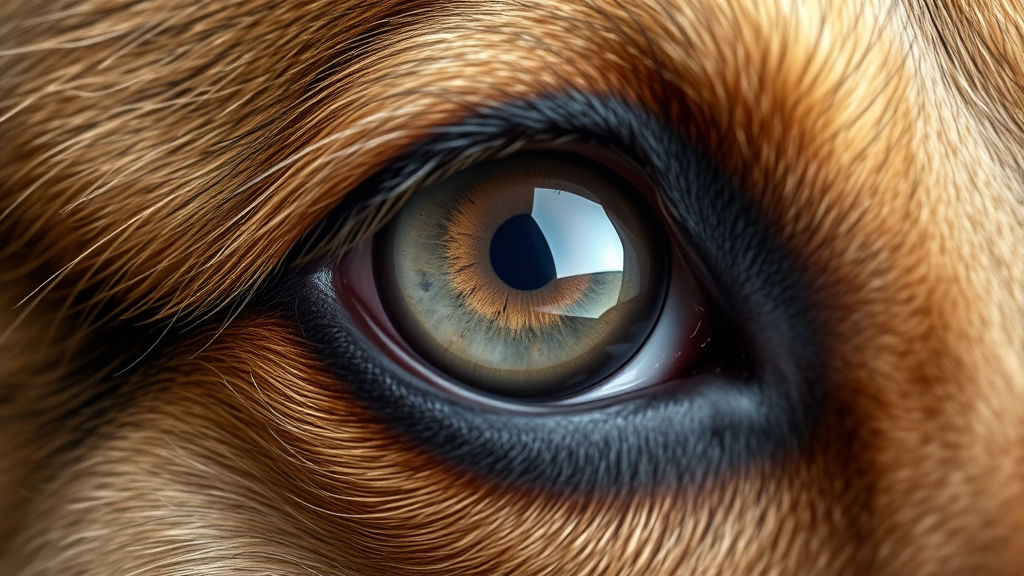
Several anatomical features unique to dogs can make it appear as though they’re sleeping with their eyes open when they’re actually not. The shape and positioning of canine eyelids differ significantly from human eyelids, and these differences play a crucial role in creating this optical illusion.
Dogs have what’s called a “loose” eyelid structure, meaning their eyelids don’t always close as tightly as human eyelids do. This anatomical characteristic can result in a small gap between the upper and lower eyelids during sleep, revealing a portion of the eye underneath. Additionally, some dogs have naturally prominent eyes or shallow eye sockets, which can make complete eyelid closure more challenging.
The muscle tone in a dog’s face also affects how their eyelids rest during sleep. As dogs enter deeper sleep phases, the muscles in their face relax, which can cause the eyelids to part slightly. This relaxation is completely normal and doesn’t indicate any underlying health issues. However, it’s worth noting that problems with eyelid closure can sometimes be related to conditions that cause why are my dogs eyes red or other eye irritations.
The Role of the Nictitating Membrane
One of the most fascinating aspects of canine eye anatomy that contributes to the “sleeping with eyes open” phenomenon is the presence of a nictitating membrane, also known as the third eyelid. This translucent membrane serves as an additional protective layer for the eye and can sometimes be visible during sleep, creating the appearance that the dog’s eyes are partially open.
The nictitating membrane serves multiple functions, including protecting the eye from debris, distributing tears across the eye surface, and providing additional moisture. During sleep, this membrane may partially cover the eye while still allowing some visibility of the eye surface underneath the relaxed main eyelids.
According to the American Veterinary Medical Association, the third eyelid is a normal anatomical feature in dogs and cats. When visible during waking hours, it usually indicates relaxation or drowsiness, but persistent visibility when the dog is alert may warrant veterinary attention.
Different Sleep Stages and Eye Position
The various stages of canine sleep directly influence eye position and eyelid behavior. During the initial drowsy phase, dogs often exhibit what’s called “microsleep,” where they drift in and out of consciousness while maintaining some awareness of their environment. During these periods, their eyes may appear half-open as they’re not in deep sleep yet.
Light sleep, which comprises a significant portion of a dog’s sleep cycle, allows for quick awakening if necessary. In this stage, the eyelids may not close completely, and the eyes might show slight movement or remain partially visible. This behavior is evolutionary advantageous, as it allows dogs to respond quickly to potential threats or opportunities.
During deep sleep and REM phases, dogs typically have their eyes more fully closed, although individual variations exist. REM sleep is when do dogs have nightmares or dream, and you might notice rapid eye movements beneath closed or partially closed eyelids. The Sleep Foundation notes that dogs in REM sleep may exhibit twitching, leg movements, and vocalizations, all while their eyes remain closed or nearly closed.
Breed-Specific Variations
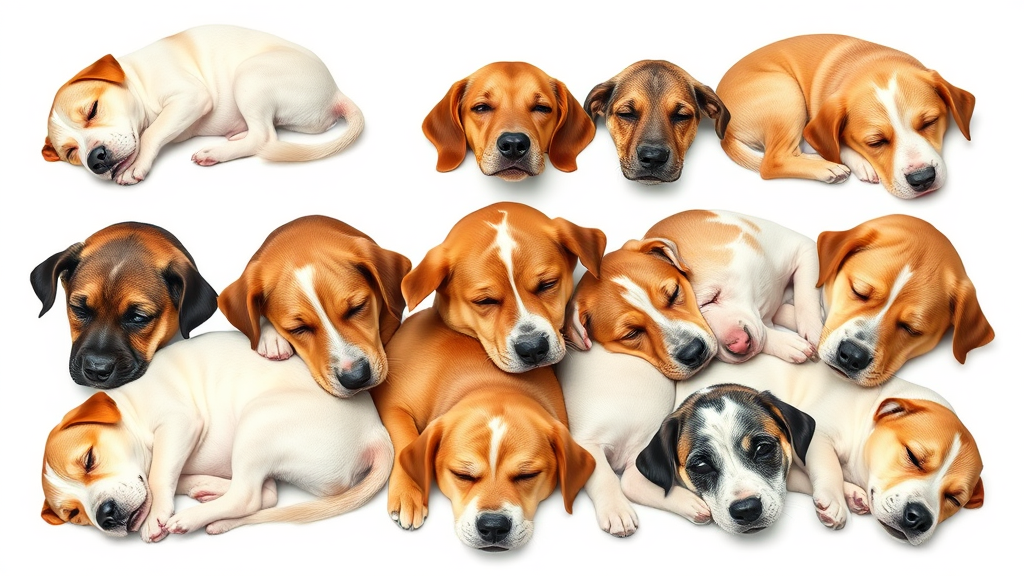
Certain dog breeds are more prone to appearing to sleep with their eyes open due to their specific anatomical characteristics. Brachycephalic breeds (those with flat faces) such as Bulldogs, Pugs, and Boston Terriers often have prominent eyes and shallow eye sockets, making complete eyelid closure more challenging during sleep.
Similarly, breeds with naturally large or protruding eyes, such as Chihuahuas, Pekingese, and some Spaniels, may exhibit this behavior more frequently. These anatomical features don’t necessarily indicate health problems but rather represent normal breed characteristics that have been selected for over generations of breeding.
Conversely, breeds with deeper-set eyes and tighter facial skin, such as German Shepherds or Dobermans, are less likely to appear to sleep with their eyes open. Understanding your specific breed’s characteristics can help you determine whether your dog’s sleeping behavior is normal or potentially concerning.
The American Kennel Club provides detailed information about breed-specific characteristics that can help owners understand what’s normal for their particular dog. If you notice changes in your dog’s sleep patterns or eye appearance, it’s also worth checking if there are other symptoms like why my dog eye is red that might indicate an underlying issue.
When to Be Concerned
While appearing to sleep with eyes open is usually harmless, there are certain situations where this behavior might indicate underlying health issues that require veterinary attention. If your dog’s eyes appear consistently dry, red, or irritated, or if there’s discharge present, these could be signs of conditions affecting proper eyelid function.
Neurological conditions can sometimes affect eyelid control and sleep patterns. If you notice sudden changes in your dog’s sleeping behavior, combined with other symptoms such as difficulty walking, changes in appetite, or altered consciousness, it’s important to consult with a veterinarian promptly.
Additionally, eye injuries or infections can impact eyelid closure and overall sleep quality. Signs to watch for include excessive tearing, squinting, pawing at the eyes, or sensitivity to light. These symptoms, especially when combined with apparent open-eyed sleeping, warrant professional evaluation.
The Cornell University College of Veterinary Medicine emphasizes the importance of regular eye examinations as part of routine veterinary care, as many eye conditions can be effectively treated when caught early.
Promoting Healthy Sleep in Dogs
Ensuring your dog gets quality sleep is essential for their overall health and well-being. Creating a comfortable sleep environment can help promote natural sleeping patterns and reduce any stress-related sleep disturbances that might contribute to unusual eyelid positioning during rest.
Provide a comfortable, quiet sleeping area away from high-traffic zones in your home. The sleeping surface should be supportive and appropriately sized for your dog. Many dogs benefit from having their own designated bed or crate where they feel secure and can relax completely.
Maintaining a consistent daily routine helps regulate your dog’s circadian rhythms and promotes better sleep quality. Regular exercise during the day, appropriate meal timing, and consistent bedtime routines all contribute to healthier sleep patterns. However, it’s worth noting that various factors can affect sleep, and understanding related topics like can dogs see at night can help you optimize your pet’s environment.
Environmental factors such as temperature, lighting, and noise levels also play crucial roles in sleep quality. Dogs generally prefer cooler temperatures for sleeping, and reducing artificial light in the evening can help promote natural sleep cycles. The Humane Society provides additional guidance on creating optimal sleeping conditions for pets.
If your dog shows signs of sleep disturbances or you’re concerned about their sleeping patterns, consider keeping a sleep diary to track their behavior. Note factors such as sleep duration, apparent sleep quality, any unusual behaviors, and environmental conditions. This information can be valuable if you need to consult with a veterinarian about your dog’s sleep health.
Remember that sleep needs can vary based on age, health status, and individual differences. Puppies and senior dogs typically require more sleep than adult dogs, and certain health conditions can affect sleep patterns. Other seemingly unrelated factors, such as why is my dogs nose dry or changes in do dogs have taste buds function, can sometimes indicate systemic issues that might also affect sleep quality.
Frequently Asked Questions
Do dogs actually sleep with their eyes completely open?
No, dogs don’t typically sleep with their eyes completely open like some other animals do. What appears to be sleeping with eyes open is usually due to partially closed eyelids, anatomical features, or the visibility of the third eyelid (nictitating membrane). True open-eyed sleeping in dogs is rare and may indicate underlying health issues.
Is it normal for my dog to have their eyes slightly open while sleeping?
Yes, it’s generally normal for dogs to have their eyes slightly open during certain sleep stages, particularly during light sleep phases. This behavior is influenced by breed characteristics, individual anatomy, and sleep depth. However, if accompanied by other symptoms like eye discharge or irritation, consult a veterinarian.
Which dog breeds are more likely to appear to sleep with their eyes open?
Brachycephalic breeds (flat-faced dogs) like Bulldogs, Pugs, and Boston Terriers, as well as breeds with prominent eyes such as Chihuahuas and Pekingese, are more likely to exhibit this behavior due to their anatomical structure. These breeds often have shallower eye sockets and more prominent eyes, making complete eyelid closure more challenging.
Should I wake my dog if they appear to be sleeping with their eyes open?
Generally, you shouldn’t wake a sleeping dog unless necessary, even if their eyes appear open. Dogs need adequate rest for their health and well-being. If you’re concerned about their sleep quality or eye health, observe them during waking hours and consult a veterinarian if you notice any concerning symptoms.
What’s the difference between a dog’s third eyelid and regular eyelids during sleep?
The third eyelid (nictitating membrane) is a translucent protective membrane that can sometimes be visible during sleep, creating the appearance of partially open eyes. Unlike the main eyelids, the third eyelid moves independently and serves to protect and moisten the eye. Its visibility during sleep is usually normal.
Can sleeping with eyes open affect my dog’s eye health?
If a dog’s eyes are truly exposed during sleep due to incomplete eyelid closure, it could potentially lead to dry eyes or irritation over time. However, most cases of apparent open-eyed sleeping don’t pose health risks. If you notice signs of eye dryness, redness, or irritation, consult with a veterinarian.
How can I tell if my dog’s sleeping behavior is normal or concerning?
Normal sleeping behavior includes peaceful rest with possible slight eye opening, regular breathing, and occasional movement during REM sleep. Concerning signs include persistent eye discharge, redness, excessive dryness, changes in sleep patterns, restlessness, or difficulty settling down. Any sudden changes in sleep behavior combined with other symptoms warrant veterinary evaluation.





