
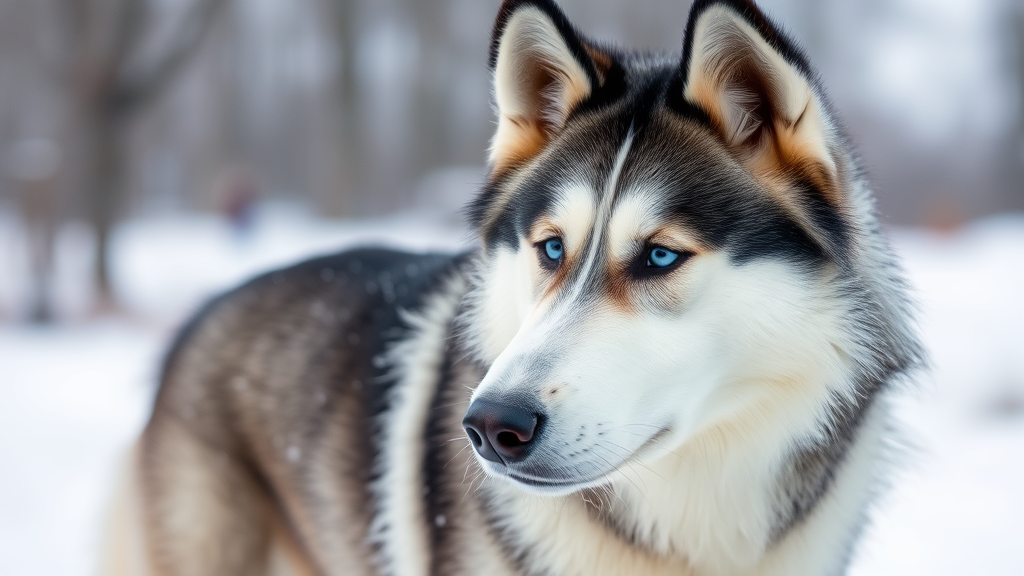
Siberian Huskies are among the most captivating and energetic dog breeds, known for their striking blue eyes, thick double coats, and incredible endurance. These magnificent Arctic dogs have captured the hearts of millions worldwide, but prospective and current owners often wonder: how old do husky dogs live? Understanding the lifespan of these remarkable canines is crucial for providing them with the best possible care throughout their lives.
The typical Siberian Husky lives between 12 to 15 years, which is considered quite good for a medium to large breed dog. However, their longevity depends on numerous factors including genetics, diet, exercise, healthcare, and environmental conditions. By understanding what influences a Husky’s lifespan and implementing proper care strategies, you can help ensure your furry companion enjoys a long, healthy, and fulfilling life by your side.
Husky Lifespan Overview
Siberian Huskies typically live between 12 to 15 years, with many reaching the upper end of this range when provided with excellent care. This lifespan is relatively impressive for medium to large breed dogs, as larger breeds generally have shorter lifespans compared to smaller dogs. The American Kennel Club recognizes Huskies as a generally healthy breed with good longevity potential.
Several factors contribute to the Husky’s relatively long lifespan. Their Arctic origins have resulted in a hardy constitution, with natural selection favoring dogs that could survive harsh conditions and maintain their health over extended periods. Additionally, Huskies were bred as working dogs, which means they possess strong cardiovascular systems and robust physical builds that contribute to their longevity.
It’s important to note that individual Huskies may live shorter or longer lives depending on various circumstances. Some exceptional Huskies have been known to live well into their late teens, while others may face health challenges that shorten their lifespan. Understanding the factors that influence longevity can help you maximize your Husky’s chances of living a long, healthy life.
Factors Affecting Longevity
Multiple interconnected factors influence how long a Husky will live. Genetics play a fundamental role, as dogs from lines with longevity tend to live longer themselves. Responsible breeders screen for genetic health issues and select breeding pairs based on health clearances, which can significantly impact offspring longevity.
Environmental factors also play a crucial role in determining lifespan. Huskies that live in climates similar to their Arctic origins often thrive better than those in extremely hot environments. However, with proper care and climate control, Huskies can adapt to various environments successfully.
Lifestyle factors such as diet quality, exercise frequency, and preventive healthcare significantly impact longevity. Huskies that receive high-quality nutrition, adequate exercise, and regular veterinary care typically live longer than those without these advantages. Additionally, spaying or neutering can affect lifespan, with altered dogs often living longer due to reduced risks of certain cancers and other health issues.
Stress levels and mental stimulation also influence longevity. Huskies are intelligent, active dogs that require mental challenges to remain healthy. Dogs that experience chronic stress or lack mental stimulation may develop behavioral problems and health issues that can shorten their lifespan.
Common Health Issues in Huskies
While Huskies are generally healthy dogs, they are predisposed to certain health conditions that can affect their lifespan and quality of life. Understanding these potential issues allows owners to watch for early signs and seek appropriate treatment promptly.
Hip dysplasia is one of the most common orthopedic issues affecting Huskies. This genetic condition involves malformation of the hip joint, leading to arthritis and mobility problems. Regular screening and maintaining proper weight can help manage this condition. Eye problems are also prevalent in the breed, including cataracts, progressive retinal atrophy, and corneal dystrophy. The American Veterinary Medical Association recommends regular eye examinations for early detection and treatment.
Epilepsy is another condition that can affect Huskies, causing seizures that range from mild to severe. While concerning, epilepsy can often be managed with medication, allowing affected dogs to live relatively normal lives. Understanding signs of illness can help owners detect health issues early.
Hypothyroidism, a condition where the thyroid gland doesn’t produce enough hormones, can also affect Huskies. This condition can lead to weight gain, lethargy, and skin problems, but it’s easily treatable with daily medication once diagnosed.
Nutrition and Diet Requirements
Proper nutrition is fundamental to ensuring a Husky’s longevity and overall health. These active dogs require a high-quality diet that provides adequate protein, healthy fats, and essential nutrients to support their energy needs and maintain their thick double coats.
Huskies typically require between 1,200 to 2,000 calories per day, depending on their size, age, activity level, and metabolism. Working or highly active Huskies may need even more calories. Understanding proper feeding amounts is crucial for maintaining optimal health. The diet should consist of high-quality protein sources, such as chicken, fish, or lamb, which should make up at least 18-25% of their daily caloric intake.
Omega-3 and omega-6 fatty acids are particularly important for Huskies, supporting their skin and coat health while also providing anti-inflammatory benefits. These can be found in fish oils, flaxseed, and certain high-quality commercial dog foods.
It’s essential to avoid overfeeding, as obesity can significantly reduce a Husky’s lifespan and quality of life. Excess weight puts additional strain on joints, increases the risk of diabetes and heart disease, and can exacerbate existing health conditions. Regular weight monitoring and portion control are crucial components of longevity-focused care.
Fresh water should always be available, and owners should understand the importance of hydration, including knowing water requirements for optimal health.

Exercise and Mental Stimulation
Siberian Huskies were bred to run long distances in harsh Arctic conditions, making exercise absolutely essential for their physical and mental well-being. Adequate exercise not only maintains their physical health but also prevents behavioral problems that can arise from boredom and excess energy.
Adult Huskies typically require at least 2 hours of exercise daily, though many benefit from even more activity. This should include a combination of cardiovascular exercise, such as running or hiking, and activities that engage their minds, such as puzzle toys or training sessions. The exercise routine should be adjusted based on the dog’s age, with puppies requiring shorter but more frequent play sessions until they finish growing, which owners can learn more about regarding growth completion.
Mental stimulation is equally important as physical exercise for Huskies. These intelligent dogs need challenges to prevent boredom-related destructive behaviors. Interactive toys, training sessions, nose work, and puzzle feeders can provide the mental engagement they crave.
During extreme weather conditions, indoor exercise alternatives become necessary. Treadmill training, indoor agility courses, and interactive games can help maintain their fitness levels when outdoor activities aren’t feasible. The Humane Society provides excellent guidelines for safe exercise practices.
Preventive Healthcare Measures
Regular preventive healthcare is one of the most effective ways to ensure a Husky’s long and healthy life. This includes routine veterinary examinations, vaccinations, parasite prevention, and early detection screening for common health issues.
Annual or bi-annual veterinary checkups allow for early detection of health problems before they become serious. During these visits, veterinarians can assess weight, dental health, heart and lung function, and overall condition. Blood work may be recommended to screen for internal health issues that might not be immediately apparent.
Vaccination protocols are crucial for preventing serious diseases. Understanding essential vaccinations and maintaining current rabies protection helps prevent life-threatening illnesses. The Centers for Disease Control provides comprehensive information about pet vaccination schedules.
Dental care is often overlooked but critically important for longevity. Poor dental hygiene can lead to periodontal disease, which has been linked to heart, liver, and kidney problems. Regular brushing, dental chews, and professional cleanings can prevent these issues.
Parasite prevention, including heartworm, flea, and tick prevention, is essential for maintaining health. These parasites can cause serious health problems and, in some cases, can be life-threatening if left untreated.
Caring for Senior Huskies
As Huskies enter their senior years, typically around 7-8 years of age, their care needs begin to change. Senior dogs require more frequent veterinary monitoring, dietary adjustments, and modifications to their exercise routines to maintain their quality of life and extend their longevity.
Senior Huskies may develop arthritis or other joint issues that require pain management and modified exercise routines. While they still need regular activity, the intensity and duration may need to be reduced. Swimming can be an excellent low-impact exercise option for senior dogs with joint issues.
Dietary needs also change with age. Senior dogs may benefit from diets with fewer calories but higher quality protein to maintain muscle mass while preventing weight gain. Some senior dogs may also benefit from supplements such as glucosamine and chondroitin for joint health, or omega-3 fatty acids for cognitive function.
Cognitive changes may also occur in senior Huskies. Signs of cognitive dysfunction include disorientation, changes in sleep patterns, and altered social interactions. Mental stimulation becomes even more important during these years to help maintain cognitive function.
More frequent veterinary checkups, potentially every six months, allow for closer monitoring of age-related health changes. Early detection and treatment of senior health issues can significantly improve quality of life and potentially extend longevity.
Environmental Factors and Living Conditions
The environment in which a Husky lives can significantly impact their lifespan and quality of life. These dogs were bred for cold climates and have specific environmental needs that, when met, contribute to their overall health and longevity.
Temperature regulation is crucial for Huskies. While they can adapt to warmer climates, they are most comfortable in cooler temperatures. In hot weather, owners must take extra precautions to prevent overheating, including providing adequate shade, fresh water, and limiting exercise during the hottest parts of the day. Understanding signs of distress can help identify heat-related issues early.
Living space requirements are also important. Huskies need adequate space to move around and exercise. While they can adapt to apartment living with sufficient exercise, they generally thrive in homes with secure yards where they can safely expend energy.
Social environment plays a role in longevity as well. Huskies are pack animals that generally do well with other dogs and benefit from social interaction. Isolated or lonely dogs may develop stress-related health issues that can impact their lifespan.
Safety considerations include secure fencing, as Huskies are known escape artists, and protection from environmental hazards such as toxic plants, chemicals, and extreme weather conditions. The ASPCA’s poison control resources provide valuable information about environmental safety for dogs.
Frequently Asked Questions
How old do Husky dogs typically live?
Siberian Huskies typically live between 12 to 15 years, with many reaching the upper end of this range when provided with proper care, nutrition, and healthcare. Some exceptional individuals may live even longer with optimal care and good genetics.
What factors most significantly impact a Husky’s lifespan?
The most significant factors affecting Husky lifespan include genetics, diet quality, exercise routine, preventive healthcare, weight management, and environmental conditions. Regular veterinary care and maintaining an appropriate weight are particularly crucial for longevity.
Are there specific health issues that commonly affect older Huskies?
Senior Huskies commonly develop hip dysplasia, eye problems such as cataracts, arthritis, and sometimes hypothyroidism. Regular veterinary monitoring can help detect and manage these conditions early, potentially extending quality of life and longevity.
How much exercise does a Husky need to maintain optimal health?
Adult Huskies typically require at least 2 hours of exercise daily, including both physical activity and mental stimulation. This should be adjusted based on age, health status, and individual needs. Puppies and senior dogs may require modified exercise routines.
What dietary considerations are important for Husky longevity?
High-quality protein should make up 18-25% of a Husky’s diet, with adequate omega-3 fatty acids for coat and skin health. Portion control is crucial to prevent obesity, which can significantly reduce lifespan. Fresh water should always be available, and it’s important to understand their nutritional needs during illness or stress.
When should I start considering my Husky a senior dog?
Huskies are generally considered senior dogs around 7-8 years of age. At this point, they may benefit from more frequent veterinary checkups, dietary adjustments, and modified exercise routines to address age-related changes and maintain their quality of life.
Can Huskies live in warm climates and still maintain good health?
While Huskies can adapt to warmer climates, they require special care including adequate cooling, shade, fresh water, and modified exercise schedules during hot weather. Proper climate management is essential for maintaining their health and longevity in warm environments.





