
Accidents happen, and when your furry friend leaves an unwelcome surprise on your carpet, knowing how to clean dog poop effectively can save both your flooring and your sanity. Whether you’re dealing with a puppy still learning house training or an older dog experiencing digestive issues, having the right cleaning strategy is essential for maintaining a fresh, hygienic home environment.
The key to successfully removing dog waste from carpet lies in acting quickly and using the proper techniques. From immediate cleanup steps to deep sanitization methods, this comprehensive guide will walk you through proven strategies that professional cleaners and veterinarians recommend. You’ll discover how different carpet materials require specific approaches, what cleaning supplies work best, and how to eliminate stubborn odors that might encourage repeat accidents.
Immediate Response and Safety Precautions
When you discover dog poop on your carpet, your immediate response determines how successful the cleanup will be. Time is critical because the longer waste sits on carpet fibers, the deeper it penetrates and the harder it becomes to remove completely. The Centers for Disease Control and Prevention emphasizes the importance of proper hygiene when handling pet waste to prevent disease transmission.
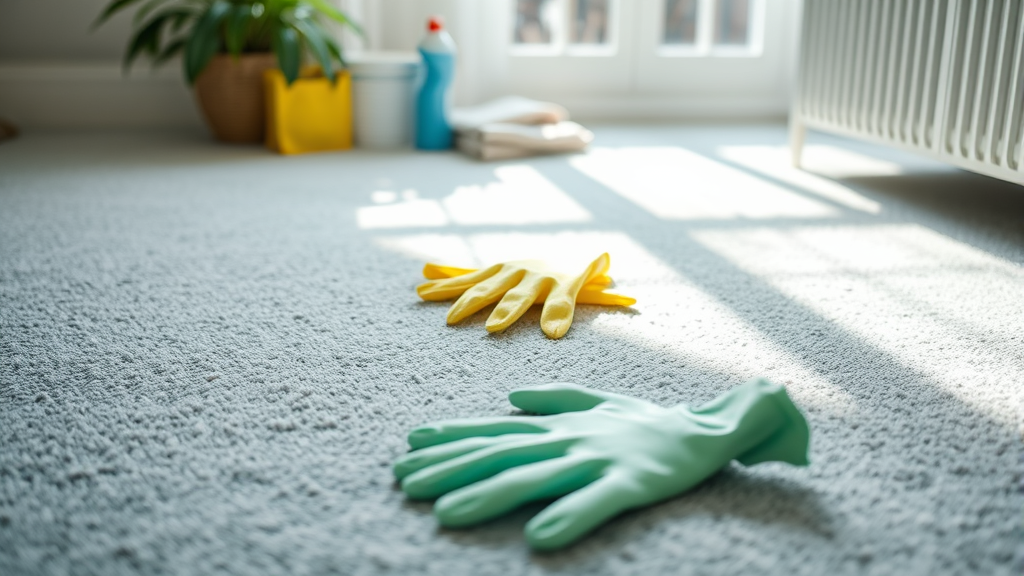
First, ensure you have protective gear readily available. Disposable gloves are essential, and consider wearing a face mask if the odor is overwhelming or if you have respiratory sensitivities. Keep children and other pets away from the affected area until cleanup is complete. If the accident involves loose stool, understanding what to feed dog with diarrhea can help prevent future incidents.
Ventilation plays a crucial role in the cleanup process. Open windows and turn on fans to improve air circulation, which helps with odor control and speeds up the drying process. This also reduces your exposure to potentially harmful bacteria and makes the cleaning environment more comfortable.
Before beginning the actual removal, assess the type of carpet you’re dealing with. Different materials require different approaches – wool carpets need gentler treatment than synthetic fibers, while berber or loop-pile carpets may trap waste more deeply than cut-pile varieties. Take note of the carpet’s color and any existing stains, as some cleaning solutions may cause discoloration.
Step-by-Step Removal Techniques
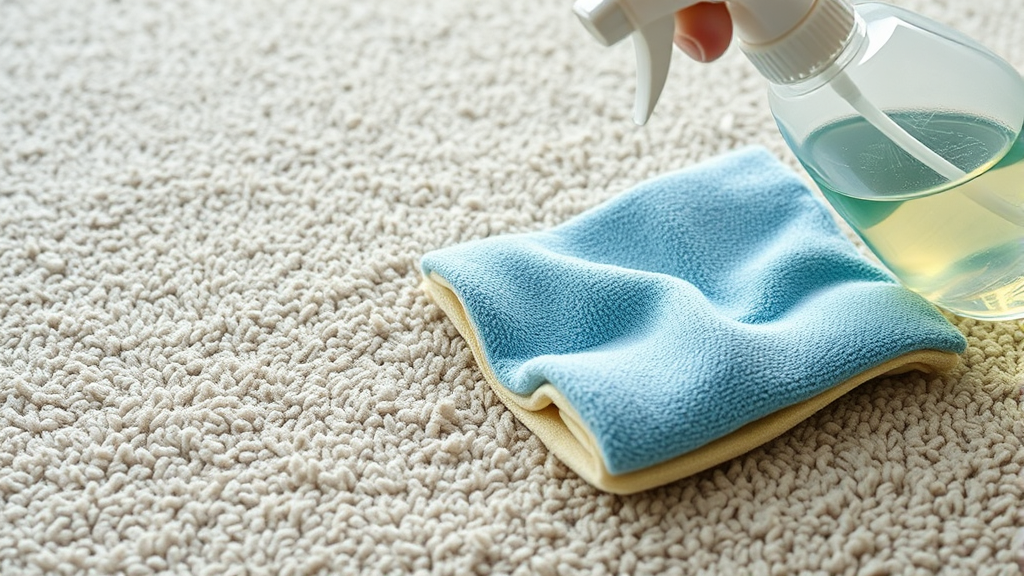
The physical removal of dog waste requires a systematic approach to avoid spreading contamination or pushing material deeper into carpet fibers. Start by removing as much solid material as possible using disposable tools. A plastic scraper, old credit card, or disposable spoon works well for this initial step. Work from the outside edges toward the center to prevent spreading.
For solid waste, lift rather than scrape to avoid grinding material into the carpet backing. If dealing with diarrhea, you may need to address underlying health issues by learning how to stop diarrhea in dogs to prevent recurring accidents. Blot liquid portions with paper towels, applying gentle pressure and replacing towels frequently.
Once the bulk of the waste is removed, address any remaining residue with cold water. Hot water can set protein-based stains and odors permanently into carpet fibers. Pour small amounts of cold water over the affected area and blot immediately with clean towels. Repeat this process several times, working from the outside in.
The Carpet and Rug Institute recommends using the blotting technique rather than rubbing, which can damage carpet fibers and spread contamination. Apply firm, downward pressure and lift straight up, avoiding any circular or scrubbing motions that could worsen the situation.
Effective Cleaning Solutions and Products
Choosing the right cleaning solution depends on your carpet type, the severity of the stain, and what products you have available. Commercial enzyme cleaners specifically designed for pet waste are often the most effective option because they break down organic matter at the molecular level. These products contain beneficial bacteria that digest waste particles and eliminate odor-causing compounds.
For immediate treatment when commercial products aren’t available, create a homemade solution using white vinegar and water in a 1:1 ratio. This acidic solution helps neutralize odors and break down waste residue. The Environmental Protection Agency provides guidelines for safer cleaning ingredient alternatives that are effective yet environmentally responsible.
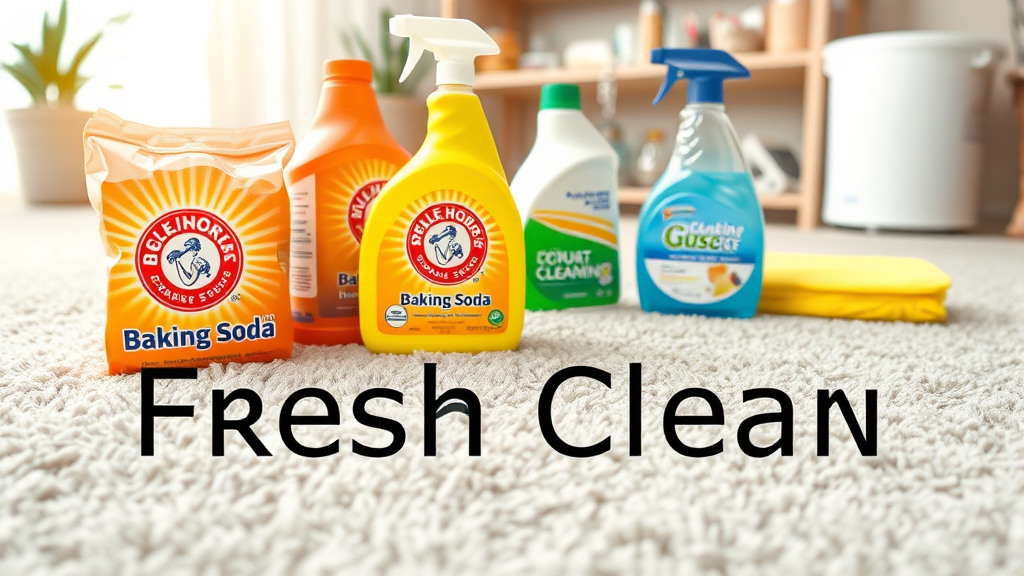
Baking soda serves as an excellent odor absorber and mild abrasive. After applying liquid cleaning solutions, sprinkle baking soda generously over the affected area and allow it to sit for several hours or overnight. This natural deodorizer absorbs remaining moisture and neutralizes lingering odors without harmful chemicals.
Hydrogen peroxide can be effective for stain removal but should be tested in an inconspicuous area first, as it may bleach certain carpet colors. Mix one part 3% hydrogen peroxide with two parts water and apply sparingly to avoid over-wetting the carpet pad, which can lead to mold growth.
Avoid using ammonia-based cleaners, as dogs may mistake the scent for urine and be encouraged to eliminate in the same spot again. Similarly, avoid steam cleaning immediately after an accident, as heat can set stains and odors permanently into carpet fibers.
Deep Cleaning and Sanitization Methods
After initial cleanup, deep cleaning ensures complete sanitization and prevents long-term odor and stain issues. Professional carpet cleaning equipment provides the most thorough results, but several effective home methods can achieve excellent outcomes when applied correctly.
Steam cleaning, when performed after initial treatment and complete drying, can extract embedded particles and sanitize carpet fibers. However, timing is crucial – the area must be completely clean and dry before applying steam, or you risk setting remaining contaminants deeper into the carpet structure.
For persistent odors, enzymatic treatments may need multiple applications. Apply the enzyme cleaner, allow it to work for the recommended time (usually 10-15 minutes), then blot thoroughly. Reapply if necessary and consider covering the area with plastic wrap to slow evaporation and extend enzyme activity time.
The American Society for the Prevention of Cruelty to Animals recommends thorough sanitization to prevent behavioral issues related to scent marking. Dogs have incredibly sensitive noses and may return to improperly cleaned areas to eliminate again.
Complete Odor Elimination Strategies
Eliminating odors completely requires understanding why they persist and addressing the root cause. Dog waste contains compounds that can penetrate deep into carpet padding and subflooring if not properly treated. These odors don’t just affect human comfort – they can signal to your dog that the area is an appropriate elimination spot.
UV lights can help identify areas where odors persist even after cleaning appears successful. These black lights reveal organic compounds invisible to the naked eye, allowing you to target specific areas for additional treatment. Many pet stores sell UV flashlights specifically designed for this purpose.
Ozone generators provide professional-level odor elimination but require careful use. These devices produce ozone that breaks down odor molecules at the source. However, rooms must be unoccupied during treatment, and proper ventilation is essential afterward. The EPA provides important safety information about ozone generator use in residential settings.
For natural odor elimination, activated charcoal bags placed near the affected area can absorb lingering smells over time. These bags are reusable when refreshed in direct sunlight and provide ongoing odor control without chemicals or strong fragrances that might irritate sensitive pets or family members.
Sometimes persistent accidents indicate underlying health issues. If your dog is having frequent accidents, consulting resources about why is my dog pooping blood or other concerning symptoms can help address the root cause rather than just cleaning up after effects.
Prevention and Long-term Carpet Care
Preventing future accidents involves both behavioral management and proactive carpet protection. Understanding why accidents occur helps you address underlying causes rather than simply dealing with cleanup. House training issues, medical problems, anxiety, and dietary factors can all contribute to indoor elimination problems.
Carpet protection strategies include using area rugs in high-risk zones, applying carpet protectors that repel liquids, and maintaining consistent cleaning routines that eliminate attractant odors. The American Kennel Club provides comprehensive guidance on house training techniques that reduce accident frequency.
Regular carpet maintenance helps identify and address issues before they become major problems. Vacuum frequently to remove hair and dander that can trap odors, and consider professional cleaning every 6-12 months to maintain carpet health and appearance.
For dogs experiencing house training regression, addressing issues like inappropriate urination through guides on how do I stop dog peeing in house can prevent both urine and fecal accidents by establishing better elimination habits.
Monitor your dog’s health and behavior patterns to anticipate potential accidents. Changes in elimination habits often indicate health issues that require veterinary attention. Early intervention can prevent both health problems and repeated carpet contamination.
Consider dietary factors that might contribute to digestive upset. Some dogs have food sensitivities or allergies that cause loose stools and emergency situations. Working with your veterinarian to identify and address these issues, including learning how to stop dog diarrhea, can significantly reduce accident frequency.
Frequently Asked Questions
How quickly should I clean dog poop from carpet?
Clean dog poop from carpet immediately upon discovery. The longer waste sits on carpet fibers, the deeper it penetrates and the more difficult it becomes to remove completely. Quick action within the first few minutes prevents staining and reduces odor absorption into carpet padding.
Can I use bleach to clean dog poop from carpet?
Avoid using bleach on carpet as it can cause permanent discoloration and damage fibers. Bleach is also ineffective against organic waste and may create harmful chemical reactions. Instead, use enzyme cleaners specifically designed for pet waste or mild solutions like vinegar and water.
Why does my dog keep pooping in the same carpet spot?
Dogs return to previously soiled areas because residual odors signal that location as an appropriate elimination spot. Even after cleaning appears successful, microscopic waste particles may remain. Thorough enzymatic cleaning and complete odor elimination are essential to break this cycle. Understanding why do dogs eat poop can also provide insights into your dog’s elimination behaviors.
What’s the best homemade cleaner for dog poop on carpet?
Mix equal parts white vinegar and water for an effective homemade cleaner. Add a few drops of dish soap for extra cleaning power. This solution neutralizes odors and breaks down organic matter without harsh chemicals. Always test in an inconspicuous area first to ensure it won’t discolor your carpet.
Should I steam clean immediately after a dog poop accident?
Never steam clean immediately after an accident. Heat can set stains and odors permanently into carpet fibers. Complete the initial cleanup, apply appropriate cleaning solutions, allow thorough drying, then consider steam cleaning as a final sanitization step if needed.
How do I know if dog poop odor is completely gone?
Use your nose at dog-level height, as odors may be stronger closer to the carpet. UV lights can reveal organic residue invisible to the naked eye. If you can smell any lingering odor, your dog certainly can too. Complete odor elimination may require multiple enzyme treatments over several days.
When should I call professional carpet cleaners for dog poop accidents?
Call professionals for large accidents, repeated soiling in the same area, accidents on expensive carpets, or when home cleaning methods fail to eliminate odors completely. Professional equipment can extract contaminants from deep within carpet padding that home methods cannot reach. The Institute of Inspection, Cleaning and Restoration Certification can help you find qualified professionals in your area.





