

Discovering that your beloved canine companion needs to gain weight can be concerning for any pet owner. Whether your dog is recovering from an illness, dealing with a naturally fast metabolism, or simply needs to reach their optimal weight, understanding how to fatten up a dog safely is crucial for their overall health and wellbeing. Weight gain in dogs requires a careful, methodical approach that prioritizes nutrition and gradual progress over quick fixes.
The journey to helping your underweight dog reach a healthy weight involves more than simply increasing food portions. It requires understanding the underlying causes of weight loss, implementing proper nutrition strategies, and working closely with veterinary professionals to ensure your dog’s safety throughout the process. This comprehensive guide will walk you through evidence-based methods to help your pup gain weight while maintaining optimal health.
Identifying if Your Dog is Underweight
Before beginning any weight gain program, it’s essential to accurately determine whether your dog is genuinely underweight. The most reliable method is the body condition score (BCS), which veterinarians use to assess a dog’s weight status. On a scale of 1-9, with 5 being ideal, dogs scoring 3 or below are considered underweight.
Visual and physical examination techniques can help you assess your dog’s condition at home. When looking at your dog from the side, you should be able to see a slight abdominal tuck. However, if the tuck is extremely pronounced and the ribs, spine, and hip bones are easily visible without pressing, your dog may be underweight. When gently running your hands along your dog’s ribcage, you should be able to feel the ribs with light pressure, but they shouldn’t be prominently visible.
Weight alone isn’t always the best indicator, as different breeds have varying body compositions and natural weights. A Greyhound, for example, naturally appears leaner than a Golden Retriever of the same weight. Understanding your dog’s breed standards and individual characteristics is crucial for accurate assessment.

Common Causes of Weight Loss in Dogs
Understanding the root cause of your dog’s weight loss is fundamental to developing an effective treatment plan. Medical conditions are among the most common culprits, including dental problems that make eating painful, gastrointestinal disorders that affect nutrient absorption, parasites that compete for nutrients, and metabolic diseases like hyperthyroidism or diabetes.
Age-related factors also play a significant role in weight management. Senior dogs may experience decreased appetite due to reduced sense of smell or taste, while puppies going through growth spurts might struggle to maintain adequate weight despite increased food intake. Stress and anxiety can also significantly impact a dog’s eating habits and weight maintenance.
Environmental factors shouldn’t be overlooked. Changes in household routine, new pets, moving to a new home, or inadequate nutrition from poor-quality food can all contribute to weight loss. Competition for food in multi-pet households is another common issue that can leave some dogs undernourished.
When to Consult Your Veterinarian
Professional veterinary guidance is essential before implementing any weight gain strategy. A thorough examination can rule out underlying medical conditions that might be causing weight loss and ensure that your approach is safe and appropriate for your dog’s specific needs. The American Veterinary Medical Association emphasizes the importance of professional oversight in canine weight management.
Your veterinarian will conduct a complete physical examination, potentially including blood work to check for metabolic disorders, fecal examinations to detect parasites, and other diagnostic tests as needed. They can also provide specific dietary recommendations based on your dog’s breed, age, activity level, and health status.
Emergency veterinary care is necessary if your dog shows signs of rapid weight loss, refuses to eat for more than 24-48 hours, displays lethargy or weakness, or exhibits other concerning symptoms. Understanding how long can dogs go without food can help you determine when immediate intervention is needed.
Nutrition Strategies for Healthy Weight Gain
Effective weight gain strategies focus on increasing caloric density while maintaining nutritional balance. High-quality protein should form the foundation of any weight gain diet, as it supports muscle development rather than just fat accumulation. Look for foods with protein content of at least 25-30% for adult dogs and even higher for puppies.
Fat content is crucial for healthy weight gain, as fats provide more than twice the calories per gram compared to proteins or carbohydrates. Foods with 15-20% fat content are typically appropriate for weight gain, though individual needs may vary. The American Kennel Club provides excellent guidelines on canine nutrition requirements.
Digestibility is equally important as caloric content. Premium dog foods with highly digestible ingredients ensure maximum nutrient absorption. Avoid foods with excessive fillers or artificial additives that might interfere with digestion or nutrient utilization.
Optimal Feeding Schedules and Portion Control
Rather than dramatically increasing portion sizes, consider increasing feeding frequency to help your dog consume more calories throughout the day. Three to four smaller meals are often more effective than two large meals, as they’re easier to digest and less likely to cause gastrointestinal upset.
Determining appropriate portions requires careful calculation based on your dog’s current weight, target weight, activity level, and the caloric density of their food. Understanding how much food should i feed my dog is essential for creating an effective feeding plan.
Free-feeding, or leaving food available all day, might be beneficial for some underweight dogs, particularly those who are naturally picky eaters or have small appetites. However, this approach requires careful monitoring to prevent overeating once target weight is achieved and may not be suitable in multi-pet households.
High-Calorie Foods and Supplements
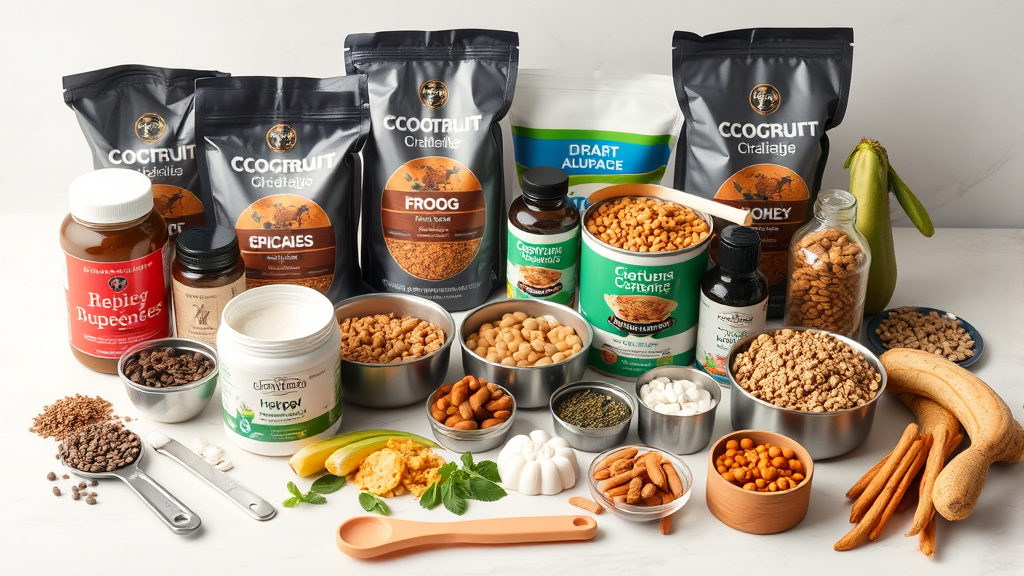
Several safe, high-calorie additions can boost your dog’s daily caloric intake. Plain cooked rice is an excellent carbohydrate source that’s easily digestible and can be mixed with regular food. Many pet owners wonder can dogs eat rice, and the answer is yes, when prepared properly.
Healthy fats like salmon oil or coconut oil can be added to meals in small amounts to increase caloric density. These oils also provide essential fatty acids that support coat health and overall wellbeing. Sweet potatoes, pumpkin, and other nutrient-dense vegetables can add calories while providing valuable vitamins and minerals.
Commercial high-calorie supplements designed specifically for dogs are available and can be particularly useful for dogs with very poor appetites or specific dietary needs. These products are formulated to provide concentrated nutrition in small volumes, making them ideal for dogs who struggle to consume large quantities of food.
Monitoring Progress and Adjusting Plans
Regular weight monitoring is essential for tracking progress and ensuring healthy weight gain. Weekly weigh-ins at consistent times, preferably using the same scale, provide accurate data for adjusting feeding plans. The Centers for Disease Control and Prevention recommends maintaining detailed records of your pet’s weight and health status.
Healthy weight gain should be gradual, typically 1-2% of body weight per week for adult dogs. Rapid weight gain can strain organs and lead to other health complications. Body condition scoring should be reassessed regularly to ensure that weight gain consists of muscle and healthy tissue rather than excessive fat.
Dietary adjustments may be necessary as your dog progresses toward their target weight. This might include modifying portion sizes, changing feeding frequencies, or transitioning to maintenance calories once the ideal weight is achieved.
Exercise Considerations for Underweight Dogs
While nutrition is the primary focus for weight gain, appropriate exercise plays a supporting role in building healthy muscle mass. Light to moderate exercise can stimulate appetite and promote muscle development, but excessive activity can counteract weight gain efforts by burning too many calories.
Low-impact activities like short walks, gentle play sessions, and swimming (where appropriate) can help build muscle without excessive calorie expenditure. The exercise program should be tailored to your dog’s current condition, with intensity and duration gradually increased as their strength and weight improve.
Monitor your dog’s response to exercise carefully. Signs of excessive fatigue, reluctance to continue, or any distress indicate that the activity level may be too intense for their current condition. The goal is to support healthy weight gain, not impede it through excessive energy expenditure.
It’s worth noting that some dogs may experience digestive issues during weight gain efforts. If your dog develops stomach upset, understanding what to feed dog with diarrhea can help maintain nutrition while addressing the issue.
Frequently Asked Questions
How quickly should my dog gain weight?
Healthy weight gain should be gradual, typically 1-2% of your dog’s current body weight per week. For a 50-pound dog, this means gaining about 0.5-1 pound weekly. Rapid weight gain can stress internal organs and lead to health complications. According to the ASPCA, patience and consistency are key to successful canine weight management.
Can I use human food to help my dog gain weight?
Some human foods can safely supplement your dog’s diet for weight gain, including plain cooked chicken, rice, sweet potatoes, and certain oils. However, many human foods are toxic to dogs, so always research safety before offering new foods. Focus primarily on high-quality commercial dog food designed for weight gain, using human food only as occasional supplements.
What if my dog refuses to eat more food?
If your dog won’t eat larger portions, try increasing feeding frequency rather than portion size. Warm the food slightly to enhance aroma, add small amounts of low-sodium broth, or mix in appealing but safe additions like plain cooked chicken. Sometimes understanding how long can a dog go without eating helps determine if professional intervention is needed. If appetite issues persist, consult your veterinarian to rule out underlying medical conditions.
Are weight gain supplements safe for dogs?
Commercial dog weight gain supplements can be safe when used as directed and under veterinary supervision. These products are specifically formulated for canine nutritional needs and are generally safer than human supplements. However, always consult your veterinarian before starting any supplement regimen, as some dogs may have specific health conditions that contraindicate certain ingredients.
How do I know if my dog has gained enough weight?
Your dog has reached an appropriate weight when they achieve a body condition score of 4-5 on a 9-point scale. You should be able to feel their ribs with light pressure but not see them prominently. There should be a visible waist when viewed from above and a slight abdominal tuck when viewed from the side. Regular veterinary check-ups can help confirm that your dog has reached their optimal weight.
Should I change my dog’s exercise routine while they’re gaining weight?
Moderate exercise should continue during weight gain efforts to promote muscle development and maintain overall health. However, avoid excessive or high-intensity activities that might burn too many calories. Short walks, gentle play, and light activities are typically appropriate. The Petfinder Foundation suggests adjusting exercise intensity based on your dog’s energy levels and response to the weight gain program.
What should I do if my dog gains weight too quickly?
If your dog gains more than 2-3% of their body weight per week, reduce portion sizes or feeding frequency slightly. Rapid weight gain can lead to digestive upset, joint stress, and other health issues. Continue monitoring weekly and adjust the feeding plan as needed. When determining proper portions, consider factors covered in guides about how much should i feed my dog to maintain healthy progress. If rapid weight gain continues despite adjustments, consult your veterinarian for guidance.





