
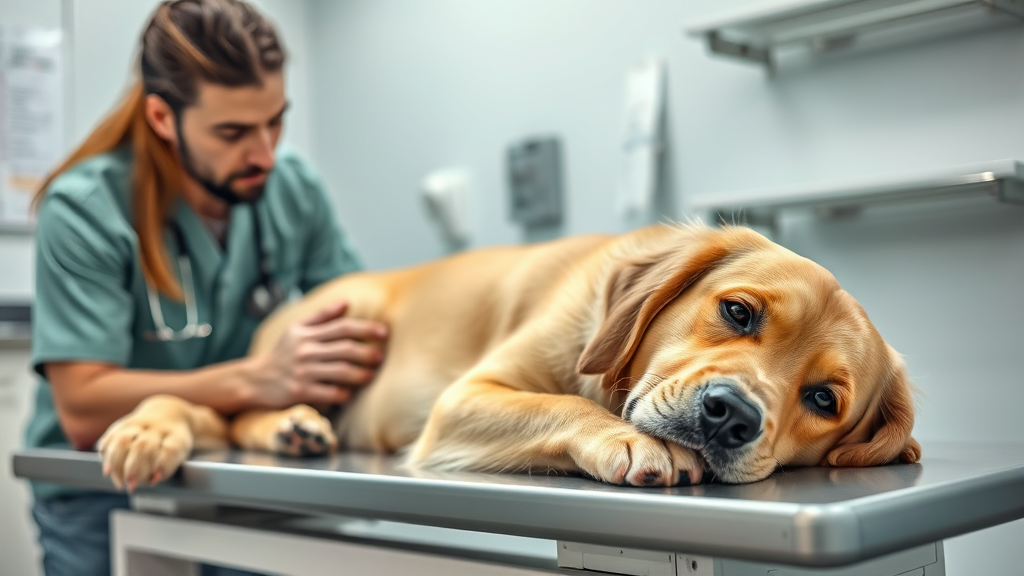
Every dog owner’s worst nightmare is watching their beloved companion show signs of distress and not knowing whether it’s a minor issue or a life-threatening emergency. The ability to recognize critical warning signs can mean the difference between life and death for your furry family member. While dogs are naturally resilient creatures, they often mask pain and illness until their condition becomes severe.
Understanding the subtle and obvious signs that indicate your dog needs immediate veterinary attention is crucial for every pet owner. This comprehensive guide will help you identify emergency situations, distinguish between urgent and non-urgent symptoms, and take the appropriate action when your dog’s life may be at stake. Time is often the most critical factor in emergency veterinary care, making early recognition of these signs invaluable.
Breathing and Respiratory Emergencies
Respiratory distress is one of the most critical emergency situations your dog can face. Normal breathing in dogs should be quiet and effortless, typically ranging from 15-30 breaths per minute while at rest. Any significant deviation from this pattern warrants immediate attention.
Labored breathing, where your dog appears to be working hard to breathe, is a serious red flag. This may manifest as exaggerated chest movements, extended neck positioning, or open-mouth breathing while at rest. If you notice why is my dog breathing fast accompanied by distress signals, this could indicate various conditions from heart disease to airway obstruction.
Blue or gray gums and tongue (cyanosis) indicate insufficient oxygen in the bloodstream and require immediate emergency care. Similarly, if your dog is making unusual breathing sounds such as wheezing, rattling, or honking noises, these could signal airway obstruction or fluid in the lungs. Why is my dog breathing heavy is a question that often indicates underlying respiratory or cardiac issues that need professional evaluation.

Cardiovascular Warning Signs
Heart-related emergencies in dogs can develop rapidly and may not always present with obvious symptoms. A weak, rapid, or irregular pulse can indicate cardiac distress. You can check your dog’s pulse by placing your hand on the left side of their chest, behind the front leg, or on the inner thigh where the femoral artery runs.
Collapse or sudden weakness, especially during or after exercise, may indicate heart problems or other serious conditions. If your dog suddenly becomes unable to stand or appears disoriented, this requires immediate veterinary attention. Excessive why is my dog panting without obvious cause like heat or exercise can also signal cardiovascular distress.
Pale or white gums instead of the normal pink color can indicate poor circulation, blood loss, or shock. Press gently on your dog’s gums – they should return to pink color within two seconds after pressure is released. Delayed capillary refill time suggests circulatory problems that need urgent care.
Neurological Symptoms and Behavior Changes
Neurological emergencies can manifest in various ways and often indicate serious underlying conditions. Seizures lasting more than five minutes, or multiple seizures occurring within a short timeframe, constitute a medical emergency. Even first-time seizures warrant immediate veterinary evaluation to determine the underlying cause.
Sudden loss of coordination, inability to walk normally, or paralysis in any part of the body requires urgent attention. Head tilting, circling, or loss of balance can indicate inner ear problems, brain tumors, or other neurological conditions. Disorientation, where your dog seems confused about their surroundings or doesn’t recognize familiar people, is another concerning sign.
Extreme lethargy or unresponsiveness, where your dog cannot be roused or seems unconscious, indicates a critical situation. While understanding do dogs understand death helps us comprehend their emotional responses, extreme behavioral changes like sudden aggression, hiding, or withdrawal from social interaction can also signal serious health issues.
Digestive System Emergencies
Gastrointestinal emergencies can quickly become life-threatening if left untreated. Persistent vomiting, especially when accompanied by blood, bile, or foreign objects, requires immediate veterinary care. Understanding why is my dog throwing up can help determine whether it’s a simple stomach upset or something more serious.
Bloat or gastric dilatation-volvulus (GDV) is a life-threatening condition where the stomach becomes distended and potentially twisted. Signs include a hard, distended abdomen, unsuccessful attempts to vomit, excessive drooling, and restlessness. This condition can kill within hours if not treated immediately.
Severe diarrhea, particularly when bloody or accompanied by other symptoms, can lead to rapid dehydration and electrolyte imbalances. Inability to urinate or defecate, or signs of extreme pain during these activities, may indicate blockages that require surgical intervention. Regular monitoring for how to tell if your dog has worms can help prevent some digestive complications.

Temperature Regulation Issues
Both hyperthermia (overheating) and hypothermia (becoming too cold) can be fatal if not addressed promptly. Normal dog body temperature ranges from 101-102.5°F (38.3-39.2°C). Learning how to tell if a dog has a fever is essential for early detection of illness.
Heat stroke symptoms include excessive panting, drooling, vomiting, diarrhea, and loss of coordination. The dog’s body temperature may exceed 104°F, and without immediate cooling and veterinary care, organ failure can occur rapidly. Dogs with flat faces (brachycephalic breeds) are particularly susceptible to heat-related emergencies.
Hypothermia signs include shivering, lethargy, weak pulse, and difficulty breathing. Severe cases may result in loss of consciousness. Both conditions require immediate intervention – cooling for heat stroke and gradual warming for hypothermia – followed by professional veterinary assessment. Knowing how to tell if your dog has a fever helps distinguish between different temperature-related emergencies.
Pain and Distress Indicators
Dogs instinctively hide pain, making it challenging to recognize when they’re suffering. However, certain signs indicate severe pain or distress that requires immediate attention. Continuous crying, whimpering, or vocalizations that are unusual for your dog suggest significant discomfort.
Physical signs of severe pain include trembling, rigid posture, reluctance to move, and protective behaviors like guarding a specific body part. Rapid, shallow breathing combined with an increased heart rate often accompanies severe pain. Some dogs may become aggressive when in extreme pain, even toward their beloved family members.
Changes in facial expression, such as a glazed look in the eyes, tight facial muscles, or a “worried” appearance, can indicate distress. Excessive drooling, loss of appetite, and hiding in unusual places are also common pain responses that, when severe or persistent, warrant immediate veterinary evaluation.
Immediate Actions to Take
When you recognize emergency signs in your dog, your immediate response can significantly impact the outcome. First, remain calm and assess the situation quickly but thoroughly. Your emotional state will affect your dog’s stress level, so maintaining composure is crucial for both of you.
Contact your emergency veterinarian immediately while someone else tends to your dog if possible. Provide clear, concise information about the symptoms you’re observing and follow any immediate care instructions given by the veterinary team. Many emergency clinics prefer advance notice to prepare for your arrival.
During transport, ensure your dog’s safety and comfort while avoiding actions that might worsen their condition. Use a blanket or towel to keep them warm, but avoid applying heat directly. If your dog is unconscious, clear their airway and position them on their side. For breathing difficulties, keep your dog as calm as possible and ensure adequate ventilation during transport.
When to Call Emergency Services
Knowing when to call emergency veterinary services versus scheduling a regular appointment can save precious time. Any situation where your dog’s life appears to be in immediate danger warrants emergency care. This includes unconsciousness, severe breathing difficulties, continuous seizures, or suspected poisoning.
Trauma cases, such as being hit by a vehicle, falling from heights, or animal attacks, require immediate professional evaluation even if your dog appears fine initially. Internal injuries may not be immediately apparent but can be life-threatening. Similarly, any sudden onset of severe symptoms, especially in senior dogs or those with known health conditions, should be treated as emergencies.
Trust your instincts as a pet owner. If something seems seriously wrong with your dog, it’s better to err on the side of caution and seek immediate veterinary care. Emergency veterinarians are trained to triage cases and can quickly determine the severity of your dog’s condition. The American Veterinary Medical Association provides excellent guidelines for recognizing pet emergencies.
According to the ASPCA Animal Poison Control Center, poisoning cases require immediate intervention, and many household items can be toxic to dogs. The American Kennel Club also provides comprehensive information about emergency situations that every dog owner should understand.
Frequently Asked Questions
How can I tell if my dog is in severe pain that requires emergency care?
Severe pain requiring emergency care typically presents as continuous vocalization, inability to find a comfortable position, rigid body posture, rapid breathing, and sometimes aggressive behavior when touched. If pain medication or comfort measures don’t provide relief, or if pain symptoms appear suddenly and intensely, seek immediate veterinary care.
What should I do if my dog collapses suddenly?
If your dog collapses, first ensure they’re breathing and check for a pulse. Keep them calm and warm, clear their airway if necessary, and transport them to an emergency veterinary clinic immediately. Don’t attempt to give food or water, and handle them gently to avoid causing additional injury.
When is vomiting considered a veterinary emergency?
Vomiting becomes an emergency when it’s persistent (continuing for more than a few hours), contains blood, occurs with other serious symptoms like lethargy or breathing difficulties, or when your dog cannot keep water down. Projectile vomiting or vomiting in conjunction with a bloated, hard abdomen requires immediate care.
How quickly can a dog’s condition deteriorate in an emergency situation?
Dogs can deteriorate rapidly in emergency situations – sometimes within minutes to hours. Conditions like bloat, heat stroke, or severe allergic reactions can be fatal within hours if untreated. This is why immediate recognition of emergency signs and prompt veterinary care are crucial for survival.
Are there any home remedies I should try before going to the emergency vet?
In true emergency situations, don’t waste time with home remedies – seek professional care immediately. However, you can provide basic first aid like controlling bleeding with direct pressure, keeping your dog warm and calm, and clearing airways if necessary. Never give human medications or attempt treatments you’re unsure about, as these can worsen the situation.
What information should I provide when calling the emergency vet?
Provide your dog’s breed, age, weight, current symptoms, duration of symptoms, any recent changes in behavior or appetite, medications they’re taking, and any potential exposure to toxins or trauma. Be specific about what you’re observing and follow any immediate care instructions given by the veterinary team.
How can I prepare for a potential emergency with my dog?
Keep your emergency vet’s contact information easily accessible, maintain a basic first aid kit for pets, know your dog’s normal vital signs and behavior patterns, and have a plan for quick transport to the veterinary clinic. Consider pet insurance to help with emergency care costs, and familiarize yourself with the location and hours of your nearest emergency animal hospital.





