

Choosing the right dog food is one of the most important decisions you’ll make as a pet owner. With countless brands flooding the market, each claiming to offer the best nutrition for your furry friend, it can be overwhelming to determine which option truly delivers on its promises. Blue Buffalo has emerged as a popular premium dog food brand, but is Blue Buffalo a good dog food for your specific canine companion?
Blue Buffalo has built its reputation on natural ingredients, grain-free options, and marketing campaigns that emphasize wholesome nutrition. However, understanding whether this brand aligns with your dog’s nutritional needs requires a deeper examination of its ingredients, manufacturing practices, nutritional profiles, and how it compares to other options in the market. This comprehensive guide will help you make an informed decision about whether Blue Buffalo deserves a place in your dog’s food bowl.
Blue Buffalo Brand Overview
Blue Buffalo was founded in 2002 by the Bishop family after their beloved Airedale Terrier, Blue, developed cancer. This personal experience drove them to create what they believed would be healthier pet food options. The company has since grown into one of the largest natural pet food manufacturers in the United States, emphasizing their “True Blue Promise” of using only natural ingredients.
The brand positions itself in the premium pet food market, focusing on recipes that exclude chicken or poultry by-products, corn, wheat, soy, and artificial preservatives, colors, or flavors. Blue Buffalo offers various product lines including Life Protection Formula, Wilderness, Basics, and Freedom, each targeting different dietary needs and preferences.
In 2018, General Mills acquired Blue Buffalo for $8 billion, which raised questions among some pet owners about whether the brand would maintain its commitment to quality and natural ingredients under corporate ownership. The FDA has monitored various pet food recalls over the years, including some involving Blue Buffalo products, highlighting the importance of ongoing quality oversight.
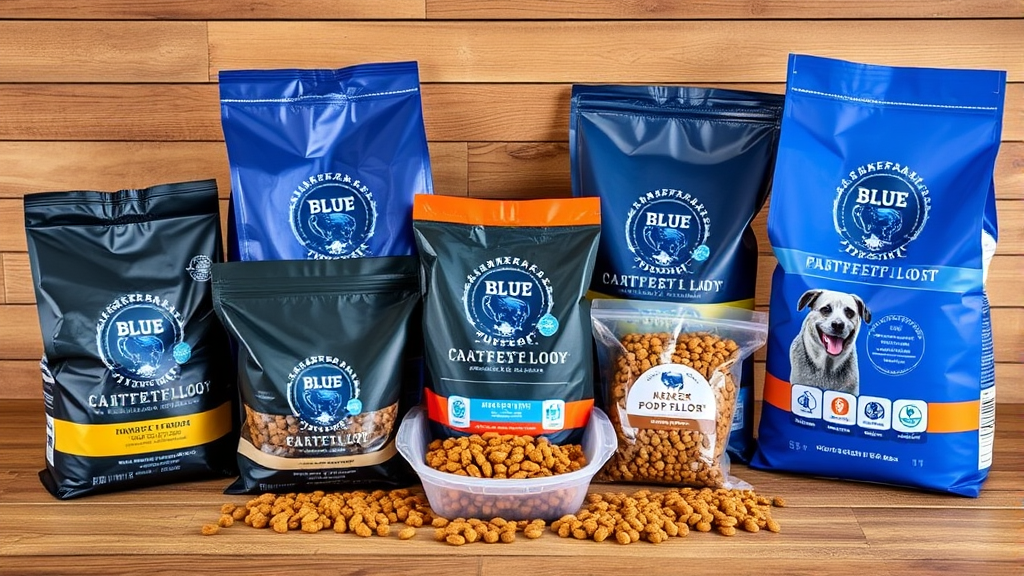
Ingredient Quality and Analysis
Blue Buffalo’s ingredient philosophy centers around whole proteins, wholesome carbohydrates, and what they call “LifeSource Bits” – a proprietary blend of vitamins, minerals, and antioxidants. The primary protein sources typically include deboned chicken, fish, lamb, or other whole meats listed as the first ingredient in most formulas.
The brand avoids common allergens and controversial ingredients that some pet owners prefer to eliminate from their dogs’ diets. However, it’s important to understand what is chicken meal in dog food since Blue Buffalo does use meal ingredients in some formulations, which are actually concentrated protein sources that provide essential amino acids.
One notable aspect of Blue Buffalo’s ingredient sourcing is their commitment to avoiding artificial preservatives. Instead, they use natural preservatives like mixed tocopherols (vitamin E) and rosemary extract. The brand also emphasizes the inclusion of fruits and vegetables such as sweet potatoes, carrots, and blueberries, which provide additional vitamins, minerals, and antioxidants.
The Association of American Feed Control Officials (AAFCO) sets nutritional standards for pet foods, and Blue Buffalo formulates their recipes to meet or exceed these guidelines. However, some veterinary nutritionists point out that meeting AAFCO standards is a minimum requirement rather than an indicator of optimal nutrition.
Nutritional Profiles and Life Stage Formulas
Blue Buffalo offers formulas tailored to different life stages, sizes, and dietary needs. Their Life Protection Formula line includes puppy, adult, and senior formulations, each adjusted for the specific nutritional requirements of dogs at different life stages. The protein content typically ranges from 20-26% for adult formulas and up to 30% or higher for puppy and high-activity formulations.
The Wilderness line features higher protein content, often exceeding 30%, and grain-free formulations inspired by the diet of wild wolves. These recipes emphasize meat as the primary ingredient and include a variety of protein sources. The Freedom line caters to dogs with food sensitivities, offering limited ingredient diets that eliminate common allergens.
Determining the appropriate portion size is crucial regardless of which formula you choose, and understanding how much dog food should i feed my dog will help ensure your pet receives optimal nutrition without overfeeding.
The brand’s Basics line focuses on limited ingredient diets for dogs with sensitive stomachs or food allergies. These formulas typically feature a single protein source and a limited number of easily digestible ingredients. Veterinary nutritionists recommend such approaches for dogs with confirmed food sensitivities.
Manufacturing Standards and Quality Control
Blue Buffalo manufactures their products in company-owned facilities as well as through co-manufacturing partnerships. The company states that all facilities must meet their quality standards and undergo regular inspections. However, like many pet food manufacturers, Blue Buffalo has faced challenges with quality control over the years.
The brand has experienced several recalls, including instances where products contained higher levels of vitamin D than intended, which could potentially harm pets. The American Veterinary Medical Association emphasizes the importance of choosing manufacturers with robust quality control systems and transparent communication about any issues that arise.
Blue Buffalo’s quality assurance program includes testing of incoming ingredients and finished products. They also conduct nutritional analysis to ensure products meet label guarantees. The company has invested in improving their quality control systems following past issues, but pet owners should remain vigilant about monitoring recall notices and their pets’ health when feeding any commercial diet.

Price Point and Value Assessment
Blue Buffalo positions itself as a premium dog food brand, and its pricing reflects this market position. The cost per pound is typically higher than mass-market brands but competitive within the natural/premium category. When evaluating value, it’s important to consider factors beyond just the price per bag, including ingredient quality, nutritional density, and digestibility.
Higher-quality ingredients and better digestibility can mean that dogs need to eat less food to meet their nutritional needs, potentially offsetting some of the higher upfront cost. Additionally, some pet owners find that feeding higher-quality food may contribute to better overall health, potentially reducing veterinary costs over time.
When comparing costs, consider how much food should i feed my dog with different brands, as feeding guidelines can vary significantly between manufacturers. Some premium foods require smaller serving sizes due to higher caloric density and better digestibility.
The Humane Society provides guidance on evaluating pet food value beyond just price, emphasizing the importance of considering your individual dog’s needs, health status, and response to different foods.
Comparison with Competitor Brands
When evaluating Blue Buffalo, it’s helpful to compare it with other options in both the premium and mass-market categories. Brands like Hill’s Science Diet, Royal Canin, and Wellness offer similar positioning in the premium market, each with their own ingredient philosophies and nutritional approaches.
Mass-market brands offer different value propositions. For instance, when considering is pedigree good for dogs, you’ll find a significantly different ingredient profile and price point, though Pedigree meets AAFCO nutritional standards and has feeding trial data supporting its formulations.
Similarly, is purina one a good dog food represents another comparison point, as Purina ONE offers a middle-ground approach with natural ingredients at a more accessible price point than Blue Buffalo. Purina Pro Plan, which you can learn more about in our analysis of is purina pro plan a good dog food, focuses heavily on scientific research and veterinary recommendations.
Fresh and refrigerated options like FreshPet, explored in our guide on is fresh pet good for dogs, offer yet another approach to canine nutrition with minimally processed, fresh ingredients.
The American Kennel Club recommends comparing foods based on guaranteed analysis, ingredient quality, and your dog’s individual response rather than focusing solely on marketing claims or price.
Advantages and Disadvantages
Blue Buffalo offers several advantages that appeal to pet owners seeking natural, high-quality nutrition for their dogs. The brand’s commitment to avoiding artificial preservatives, colors, and flavors aligns with many pet owners’ preferences for more natural diets. Their wide variety of formulas makes it possible to find options suitable for dogs with different life stages, activity levels, and dietary sensitivities.
The inclusion of whole proteins as primary ingredients and the addition of fruits and vegetables provide nutritional benefits beyond basic requirements. Blue Buffalo’s LifeSource Bits add targeted nutrition through their vitamin and mineral blend, and the brand’s grain-free options cater to pet owners who prefer to avoid grains in their dogs’ diets.
However, there are also considerations that may make Blue Buffalo less suitable for some dogs and owners. The premium pricing puts it out of reach for some pet owners, and the grain-free formulas have been part of ongoing discussions about potential links to dilated cardiomyopathy (DCM) in dogs, though research is still ongoing.
Quality control issues in the past, including recalls for vitamin D excess and other problems, raise questions about consistency. Some dogs may not tolerate the rich formulations well, particularly those with sensitive stomachs or dogs transitioning from simpler diets.
The FDA continues to investigate potential connections between grain-free diets and heart disease in dogs, which affects many Blue Buffalo formulas.
Feeding Recommendations and Guidelines
If you decide that Blue Buffalo aligns with your dog’s nutritional needs and your preferences, proper transition and feeding practices are essential. Any diet change should be implemented gradually over 7-10 days to avoid digestive upset. Start by mixing 25% of the new food with 75% of the current food, gradually adjusting the ratio until you’re feeding 100% Blue Buffalo.
Monitor your dog closely during the transition period for any signs of digestive upset, changes in appetite, or other health concerns. Some dogs may experience loose stools or gas during the transition, which typically resolves as their digestive system adapts to the new ingredients.
Follow the feeding guidelines on the package as a starting point, but adjust portions based on your dog’s individual needs, activity level, age, and body condition. Regular weigh-ins and body condition assessments can help ensure your dog maintains an optimal weight.
Consider consulting with your veterinarian before making significant dietary changes, especially if your dog has health conditions, food allergies, or is on medication. Veterinary nutritionists emphasize the importance of individualized nutrition plans rather than one-size-fits-all approaches.
Store Blue Buffalo products in a cool, dry place and use airtight containers to maintain freshness and prevent contamination. Check expiration dates regularly and avoid purchasing more food than your dog can consume within a reasonable timeframe to ensure optimal nutritional value.
Frequently Asked Questions
Is Blue Buffalo actually better than other dog food brands?
Blue Buffalo offers high-quality ingredients and avoids artificial additives, which may benefit some dogs. However, “better” depends on your dog’s individual needs, tolerance, and your budget. Many other brands also provide excellent nutrition, and the best food is one that keeps your dog healthy, happy, and at an optimal weight while fitting your budget and preferences.
Can Blue Buffalo cause digestive issues in dogs?
Some dogs may experience digestive upset when transitioning to Blue Buffalo, especially if they’re moving from a simpler or lower-quality diet. The rich ingredients and higher fat content in some formulas can cause loose stools or gas in sensitive dogs. Gradual transition and choosing appropriate formulas for your dog’s digestive tolerance can help minimize issues.
Is Blue Buffalo worth the higher price?
The value proposition depends on your priorities and budget. Blue Buffalo’s higher price reflects premium ingredients, no artificial additives, and extensive product lines. If these factors are important to you and your dog thrives on the food, the cost may be justified. However, many dogs do well on less expensive options that still meet nutritional standards.
Are Blue Buffalo’s grain-free formulas safe?
The FDA is still investigating potential links between grain-free diets and dilated cardiomyopathy (DCM) in dogs. While no definitive causal relationship has been established, some veterinarians recommend choosing grain-inclusive formulas unless your dog has a diagnosed grain allergy. Consult your veterinarian if you’re concerned about grain-free diets.
How do I know if Blue Buffalo is right for my dog?
Monitor your dog’s response over several weeks after transitioning to Blue Buffalo. Look for positive indicators like healthy coat, good energy levels, normal bowel movements, and maintained weight. Negative signs might include digestive upset, skin issues, or changes in appetite. Your veterinarian can help assess whether the food is meeting your dog’s nutritional needs.
Should I choose Blue Buffalo for a puppy versus an adult dog?
Blue Buffalo offers life-stage appropriate formulas designed for puppies, adults, and seniors. Puppies need higher protein and calorie content for growth, which their puppy formulas provide. Adult dogs benefit from maintenance-level nutrition. Choose the formula that matches your dog’s life stage and activity level for optimal nutrition.
What should I do if Blue Buffalo is recalled?
If a Blue Buffalo product you’re using is recalled, stop feeding it immediately and contact your veterinarian if your dog shows any signs of illness. Follow the recall instructions for returning or disposing of the product. Consider having your dog examined by a veterinarian if they consumed the recalled food, even if they appear healthy. Stay informed about recalls by signing up for FDA alerts or checking the company’s website regularly.





