
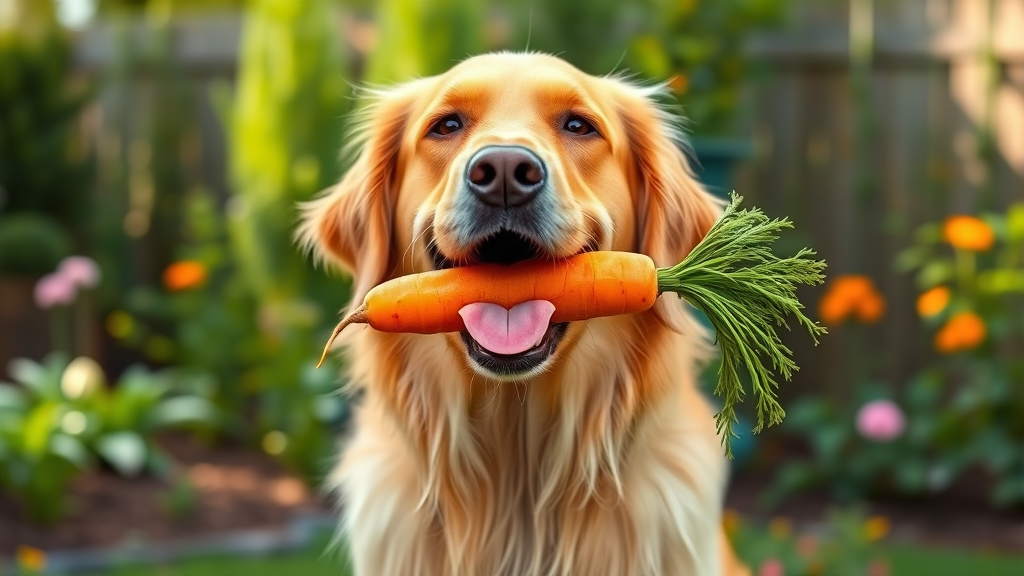
When it comes to finding healthy, affordable treats for your furry companion, you might be surprised to discover that one of the best options is sitting right in your refrigerator’s crisper drawer. Carrots have emerged as a popular choice among dog owners seeking nutritious alternatives to processed treats, and for good reason. These vibrant orange vegetables offer a perfect combination of taste, nutrition, and convenience that both dogs and their owners can appreciate.
The question of whether are carrots good for dogs has become increasingly common as pet owners become more conscious about their dogs’ dietary needs. Unlike many human foods that can be harmful to dogs, carrots are not only safe but also provide numerous health benefits. From supporting dental health to boosting immune function, these crunchy vegetables can play a valuable role in your dog’s overall wellness routine.
The Nutritional Powerhouse: What Makes Carrots Special
Carrots are packed with essential nutrients that can significantly benefit your dog’s health. The most notable component is beta-carotene, which gives carrots their distinctive orange color and converts to vitamin A in the body. This vitamin is crucial for maintaining healthy vision, supporting immune function, and promoting proper cell growth and development.
Beyond beta-carotene, carrots contain substantial amounts of fiber, which aids in digestive health and helps maintain regular bowel movements. The fiber content also contributes to a feeling of fullness, making carrots an excellent low-calorie treat option for dogs who need to manage their weight. Additionally, carrots provide vitamin K for bone health, potassium for heart function, and various antioxidants that help combat cellular damage.
The natural sugars in carrots are present in relatively small amounts, making them a safer sweet treat compared to many processed options. The American Kennel Club recognizes carrots as a healthy snack option that can be incorporated into most dogs’ diets without concern.
Health Benefits of Carrots for Dogs
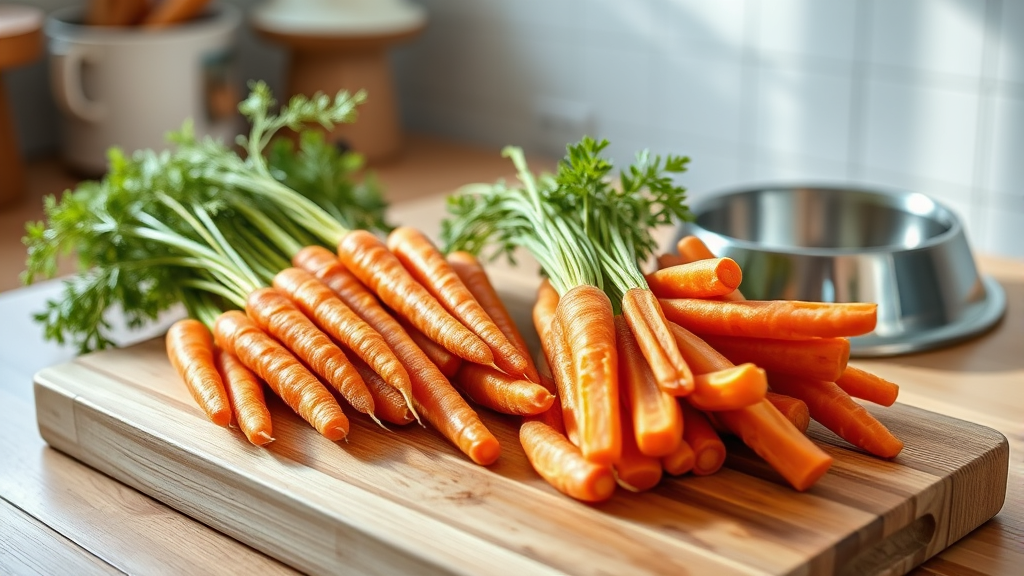
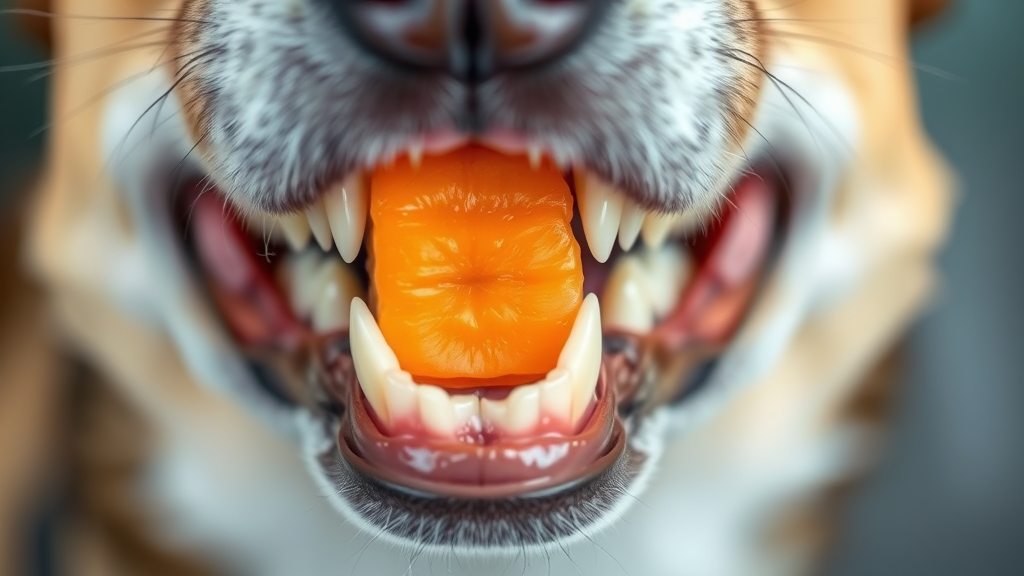
One of the most significant advantages of offering carrots to your dog is their positive impact on dental health. The natural crunchiness of raw carrots helps scrape away plaque and tartar buildup on teeth, acting as a natural toothbrush. This mechanical cleaning action can help reduce the risk of dental disease, which affects a majority of dogs over three years old according to veterinary dental specialists.
The high fiber content in carrots supports digestive health by promoting healthy gut bacteria and regular elimination. This can be particularly beneficial for dogs with sensitive stomachs or those prone to digestive issues. The soluble fiber in carrots can also help regulate blood sugar levels, making them a suitable treat option for diabetic dogs when given in moderation.
Carrots’ antioxidant properties contribute to overall immune system support and may help reduce inflammation throughout the body. The vitamin A content supports eye health and can be especially important for senior dogs or breeds prone to vision problems. Research from the National Center for Biotechnology Information has shown that adequate vitamin A intake is essential for maintaining healthy epithelial tissues in dogs.
How to Serve Carrots to Your Dog
The versatility of carrots makes them an excellent addition to your dog’s treat repertoire. Raw carrots can be served as whole baby carrots for larger dogs or cut into appropriate-sized pieces for smaller breeds. Many dogs enjoy the satisfying crunch of raw carrots, which also provides the maximum dental benefits.
Cooked carrots offer a softer texture that some dogs prefer, especially senior dogs or those with dental issues. Steaming or lightly boiling carrots preserves most of their nutritional value while making them easier to digest. However, avoid adding any seasonings, butter, or oils when preparing cooked carrots for your dog.
Frozen carrot pieces can serve as an excellent teething aid for puppies or a refreshing summer treat for adult dogs. Simply cut carrots into appropriate sizes and freeze them for a few hours. This preparation method can also help slow down fast eaters and provide mental stimulation. When considering are carrots ok for dogs, the preparation method can significantly impact both safety and enjoyment.
Safety Considerations and Potential Risks
While carrots are generally safe for dogs, proper portion control is essential. Large pieces of carrot can pose a choking hazard, particularly for small dogs or those who tend to gulp their food quickly. Always cut carrots into appropriate sizes based on your dog’s breed and eating habits.
Although carrots are low in calories, they should still be given in moderation as part of a balanced diet. Treats, including healthy options like carrots, should comprise no more than 10% of your dog’s daily caloric intake. Excessive consumption of carrots can lead to digestive upset or, in rare cases, carotenemia, a harmless condition that temporarily turns the skin slightly orange.
Some dogs may experience mild digestive upset when first introduced to carrots, especially if given in large quantities. The American Veterinary Medical Association recommends introducing any new food gradually to monitor your dog’s reaction and prevent gastrointestinal issues.
Choosing and Preparing the Best Carrots
When selecting carrots for your dog, opt for fresh, organic carrots when possible to minimize exposure to pesticides and chemicals. Look for carrots that are firm, smooth, and bright orange in color. Avoid carrots that appear wilted, have dark spots, or show signs of mold.
Proper preparation is crucial for both safety and nutritional value. Always wash carrots thoroughly under running water, even if you plan to peel them. For dogs with sensitive digestive systems, peeling carrots may help reduce fiber content and make them easier to digest. Store prepared carrot pieces in the refrigerator and use them within a few days for optimal freshness.
Baby carrots from the grocery store are convenient but may contain preservatives or chlorine rinses used in processing. While these are generally safe in small amounts, whole carrots that you cut yourself may be a more natural option. The FDA’s guidance on pet food safety emphasizes the importance of using high-quality ingredients in your pet’s diet.
Other Dog-Friendly Vegetables to Consider
While carrots are excellent, variety in your dog’s vegetable treats can provide different nutrients and prevent boredom. Can dogs eat broccoli is another common question, and the answer is yes, in moderation. Broccoli florets can provide vitamin C and fiber, though they should be given sparingly due to their potential to cause gas.
Sweet potatoes are another nutritious option that many dogs love. When considering can dogs eat sweet potato, they offer similar benefits to carrots with additional potassium and vitamin B6. However, they’re higher in calories, so portion control is even more important.
Other vegetables that can complement carrots in your dog’s diet include pumpkin, which is excellent for digestive health. Many pet owners wonder can dogs eat pumpkin, and it’s actually highly recommended by veterinarians for dogs with digestive issues. Green vegetables like those explored in can dogs eat cauliflower discussions can also provide valuable nutrients.
For dogs who enjoy leafy greens, is spinach good for dogs is a question with a nuanced answer. While spinach contains beneficial nutrients, it should be given sparingly due to its oxalate content. Similarly, can dogs eat squash varieties like butternut or acorn squash can provide seasonal variety to your dog’s vegetable treats.
The key to successfully incorporating vegetables into your dog’s diet is gradual introduction and careful observation of your pet’s response. Each dog is unique, and what works well for one may not be suitable for another. Consulting with your veterinarian can help you create a varied, nutritious treat plan that complements your dog’s primary diet.
Frequently Asked Questions
Can all dogs eat carrots safely?
Most dogs can safely enjoy carrots as treats, but individual sensitivities may vary. Dogs with diabetes should have carrots in very limited quantities due to their natural sugar content, and dogs with kidney issues should consult their veterinarian first. Puppies can eat carrots, but pieces should be appropriately sized to prevent choking. Senior dogs may prefer softer, cooked carrots that are easier to chew and digest.
How many carrots can I give my dog per day?
The amount depends on your dog’s size, but generally, treats should comprise no more than 10% of daily calories. For a medium-sized dog (50 pounds), this typically means 2-3 baby carrots or equivalent pieces per day. Smaller dogs should receive proportionally less, while larger dogs can handle slightly more. Always introduce carrots gradually and monitor your dog’s response.
Should I give my dog raw or cooked carrots?
Both raw and cooked carrots offer benefits. Raw carrots provide maximum dental benefits through their crunchy texture and retain all their nutrients. Cooked carrots are easier to digest and may be better for dogs with sensitive stomachs or dental issues. Steaming or light boiling is preferred over other cooking methods, and never add seasonings, oils, or butter.
Can carrots help with my dog’s bad breath?
Yes, the mechanical action of chewing raw carrots can help remove plaque and tartar buildup, which often contributes to bad breath. The natural fiber acts like a toothbrush, scraping teeth clean. However, persistent bad breath may indicate underlying dental disease requiring veterinary attention. According to the Humane Society, regular dental care is essential for overall health.
Are baby carrots different from regular carrots for dogs?
Nutritionally, baby carrots and regular carrots are very similar. However, commercial baby carrots may be treated with chlorine rinses and preservatives during processing. While these are generally safe in small quantities, whole carrots that you cut yourself may be more natural. Baby carrots are convenient for portion control but ensure they’re appropriately sized for your dog.
Can carrots cause digestive problems in dogs?
When introduced gradually and given in appropriate amounts, carrots rarely cause digestive issues. However, sudden introduction of large quantities can lead to gas, loose stools, or stomach upset due to the high fiber content. Dogs with particularly sensitive stomachs may need peeled carrots or smaller portions. Always start with small amounts and increase gradually.
What should I do if my dog chokes on a carrot?
Prevention is key – always cut carrots into appropriate sizes for your dog’s breed and chewing habits. If choking occurs, try to open your dog’s mouth and remove visible pieces with tweezers or pliers, being careful not to push the object further back. For larger dogs, you can try the canine Heimlich maneuver, but seek immediate veterinary care. The AVMA emergency care guidelines provide detailed instructions for pet emergencies.





