

As a devoted dog parent, you’re constantly searching for nutritious meal options that will keep your furry companion healthy, happy, and thriving. Among the countless protein sources available, chicken stands out as one of the most popular and beneficial choices for canine nutrition. This lean, versatile protein has earned its reputation as a staple in both commercial dog foods and homemade meals for good reason.
The question “is chicken good for dogs?” is one that veterinarians hear frequently, and the answer is overwhelmingly positive when prepared and served correctly. Chicken offers an exceptional combination of high-quality protein, essential amino acids, and vital nutrients that support your dog’s overall health from their shiny coat to their strong muscles. Understanding the benefits and proper preparation methods can transform mealtime into a nutritious and enjoyable experience for your canine companion.
Nutritional Benefits of Chicken for Dogs
Chicken provides an impressive array of nutritional benefits that make it an excellent protein choice for dogs of all ages and sizes. This lean meat contains approximately 25-30 grams of protein per 100 grams, making it one of the most protein-dense foods available for canine consumption. The protein found in chicken is considered a complete protein, meaning it contains all nine essential amino acids that dogs cannot produce naturally in their bodies.
The amino acid profile in chicken is particularly beneficial for maintaining muscle mass, supporting healthy growth in puppies, and aiding in tissue repair throughout a dog’s life. Leucine, one of the key amino acids found abundantly in chicken, plays a crucial role in muscle protein synthesis and helps maintain lean body mass as dogs age. Additionally, chicken provides significant amounts of niacin (Vitamin B3), which supports proper nervous system function and helps convert food into energy.
Chicken breast, in particular, is exceptionally lean with minimal saturated fat content, making it ideal for dogs that need to maintain a healthy weight or have sensitive digestive systems. The American Kennel Club recognizes chicken as one of the most digestible protein sources for dogs, with a biological value that closely matches their nutritional needs.

Safe Preparation Methods
Proper preparation of chicken for your dog is crucial to ensure safety and maximize nutritional benefits. The most important rule is to always cook chicken thoroughly before serving it to your pet. Raw chicken can contain harmful bacteria such as Salmonella and Campylobacter, which can cause serious digestive issues and foodborne illnesses in dogs.
When learning how to boil chicken for dogs, start by selecting boneless, skinless chicken breast or thigh meat. Boiling is one of the safest cooking methods as it eliminates bacteria while preserving the meat’s nutritional value. Place the chicken in a pot of water, bring to a boil, then reduce heat and simmer for 15-20 minutes until the internal temperature reaches 165°F (74°C).
Avoid adding any seasonings, salt, garlic, onions, or other spices that could be harmful to dogs. Plain, unseasoned chicken is not only safer but also more appealing to most dogs’ palates. After cooking, allow the chicken to cool completely before cutting it into appropriate-sized pieces for your dog’s size and chewing ability.
Grilling and baking are also acceptable cooking methods, provided you don’t use oils, marinades, or seasonings. The key is maintaining simplicity in preparation while ensuring the meat is fully cooked. According to the FDA’s guidelines on pet food safety, proper food handling and cooking temperatures are essential for preventing foodborne illnesses in pets.
Portion Control and Feeding Guidelines
Understanding proper portion sizes is essential when incorporating chicken into your dog’s diet. The amount of chicken your dog should consume depends on several factors including their size, age, activity level, and overall health status. As a general guideline, protein should make up approximately 18-25% of an adult dog’s daily caloric intake, with puppies requiring slightly higher percentages for proper growth and development.
For dogs weighing 10-20 pounds, 2-3 ounces of cooked chicken per day is typically appropriate when used as part of a balanced diet. Medium-sized dogs (20-50 pounds) can safely consume 3-5 ounces, while larger breeds may require 5-8 ounces or more depending on their individual needs. These portions should be divided across multiple meals rather than served all at once.
When using chicken as a meal replacement or primary protein source, it’s important to understand how much chicken and rice to feed dog for a complete meal. The typical ratio is approximately 1/3 chicken to 2/3 rice, with the total amount adjusted based on your dog’s caloric requirements. This combination provides both protein and easily digestible carbohydrates.
The American Veterinary Medical Association recommends consulting with your veterinarian to determine the optimal feeding schedule and portion sizes for your specific dog, especially if you’re transitioning from commercial dog food to homemade meals or treating health conditions.
Chicken for Dogs with Health Conditions
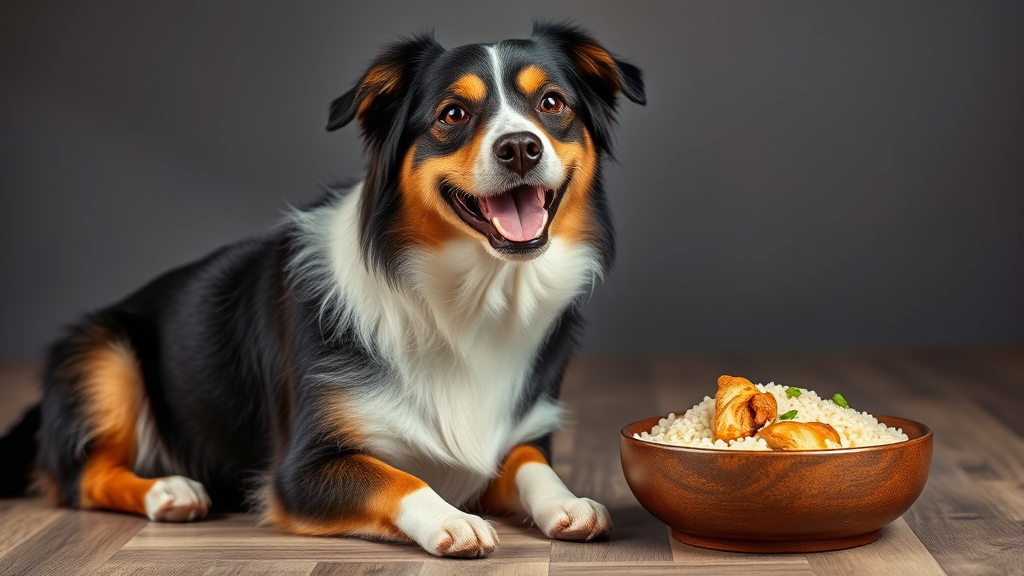
Chicken serves as an excellent therapeutic food for dogs experiencing various health conditions, particularly digestive issues. When dogs suffer from upset stomachs, diarrhea, or other gastrointestinal problems, veterinarians often recommend a bland diet consisting of boiled chicken and rice. This combination is gentle on the digestive system while providing necessary nutrients during recovery periods.
For dogs with food allergies or sensitivities, chicken can be both a solution and a potential problem. While chicken is generally well-tolerated, some dogs may develop allergies to this protein over time, especially if it’s been their primary protein source for extended periods. Signs of chicken allergies include skin irritation, excessive scratching, digestive upset, and ear infections.
Dogs with kidney disease can benefit from chicken’s high biological value protein, which produces less waste during metabolism compared to lower-quality proteins. However, portion control becomes even more critical for these pets, and veterinary supervision is essential. Similarly, dogs with liver disease may benefit from chicken’s lean profile, though cooking methods and portion sizes may need adjustment.
When considering what to feed a dog with diarrhea, plain boiled chicken paired with easily digestible carbohydrates like rice provides the perfect combination of nutrition and digestive relief. The PetMD veterinary resource emphasizes the importance of introducing foods gradually when treating digestive issues.
Safety Considerations and Potential Risks
While chicken offers numerous benefits, there are important safety considerations every dog owner must understand. The most significant risk comes from chicken bones, which can pose serious hazards to dogs. Cooked chicken bones become brittle and can splinter, potentially causing choking, intestinal blockages, or internal injuries. It’s crucial to understand whether can dogs eat chicken bones and the associated risks.
Raw chicken bones are generally safer than cooked ones, but they still carry risks including bacterial contamination and potential dental damage. Many veterinarians recommend avoiding all chicken bones regardless of their preparation state. If you’re questioning can dogs have chicken bones, the safest answer is to remove all bones before serving chicken to your pet.
Processed chicken products present another area of concern. Commercial chicken nuggets, for instance, often contain high levels of sodium, preservatives, and artificial ingredients that can be harmful to dogs. When wondering can dogs eat chicken nuggets, the answer is generally no due to these additives and the high fat content from frying.
Chicken skin should also be removed before serving, as it’s high in fat and can contribute to obesity and pancreatitis in susceptible dogs. The ASPCA’s poison control guidelines emphasize the importance of avoiding high-fat foods that can trigger digestive issues in dogs.
Alternative Protein Sources
While chicken is an excellent protein source, variety in your dog’s diet can provide additional nutritional benefits and prevent the development of food sensitivities. Understanding alternative protein options allows you to create a more diverse and interesting meal plan for your canine companion.
Turkey serves as an excellent alternative to chicken, offering similar nutritional benefits with a slightly different flavor profile. When exploring whether can dogs eat ground turkey, the answer is yes, provided it’s cooked thoroughly and served without seasonings. Ground turkey can be particularly useful for dogs with chicken allergies or for pet owners seeking to rotate protein sources.
Fish provides omega-3 fatty acids that support skin and coat health, while beef offers iron and zinc in higher concentrations than poultry. Eggs represent another excellent protein source, and many dog owners wonder can dogs eat scrambled eggs as a protein alternative. Scrambled eggs, when prepared without butter or seasonings, can provide high-quality protein and essential vitamins.
Plant-based proteins such as lentils and quinoa can supplement animal proteins, though dogs require primarily animal-based proteins for optimal health. The key is maintaining balance and ensuring any protein source meets your dog’s amino acid requirements. According to research published by the National Center for Biotechnology Information, protein quality and digestibility are more important than quantity in canine nutrition.
Carbohydrate sources like rice also play important roles in canine nutrition. Understanding can dogs eat rice and its benefits can help create well-rounded meals that support digestive health and provide sustained energy.
Frequently Asked Questions
Is it safe to feed my dog chicken every day?
Yes, chicken can be fed to dogs daily as part of a balanced diet, but variety is important for optimal nutrition. Daily chicken consumption is safe when properly prepared and portioned according to your dog’s size and caloric needs. However, rotating between different protein sources helps prevent the development of food sensitivities and ensures a more complete nutritional profile. Always ensure the chicken is cooked thoroughly and served without bones, skin, or seasonings.
Can puppies eat chicken, and at what age can they start?
Puppies can safely eat chicken once they begin transitioning to solid foods, typically around 4-6 weeks of age. Chicken provides essential amino acids crucial for proper growth and development. For young puppies, ensure the chicken is finely chopped or ground to prevent choking, and always cook it thoroughly. Puppy-specific portion sizes are smaller than adult dogs, so consult your veterinarian for appropriate feeding amounts based on your puppy’s breed and size.
How do I know if my dog is allergic to chicken?
Common signs of chicken allergies in dogs include persistent itching, skin redness or rashes, excessive scratching or licking, ear infections, digestive upset, vomiting, or diarrhea. These symptoms typically develop gradually with repeated exposure to chicken. If you suspect a chicken allergy, eliminate chicken from your dog’s diet for several weeks and monitor for improvement. Consult your veterinarian for proper allergy testing and alternative protein recommendations.
Can I give my dog raw chicken?
While some dog owners choose to feed raw chicken as part of a raw diet, it carries significant risks including bacterial contamination from Salmonella and Campylobacter. These bacteria can cause serious illness in both dogs and humans who handle the contaminated meat. If you’re considering a raw diet, consult with a veterinarian experienced in raw feeding to understand proper safety protocols and nutritional balance requirements.
What parts of the chicken are safest for dogs?
Boneless, skinless chicken breast and thigh meat are the safest parts for dogs. Chicken breast is leaner and ideal for dogs needing weight management, while thigh meat contains slightly more fat and flavor. Always remove bones, skin, and any visible fat before serving. Avoid giving dogs chicken wings, drumsticks, or other bone-in pieces due to choking and splintering risks.
How should I store cooked chicken for my dog?
Cooked chicken for dogs should be stored in the refrigerator for no more than 3-4 days in airtight containers. For longer storage, freeze cooked chicken portions for up to 3 months. Always allow frozen chicken to thaw completely in the refrigerator before serving, never at room temperature. Label containers with preparation dates and discard any chicken that develops an off smell or unusual appearance.
Can chicken help with my dog’s digestive issues?
Yes, plain boiled chicken is often recommended by veterinarians as part of a bland diet for dogs experiencing digestive upset. The easily digestible protein can help settle upset stomachs while providing necessary nutrition during recovery. Chicken is typically combined with plain white rice in a 1:3 ratio for optimal digestive benefits. However, persistent digestive issues require veterinary evaluation to rule out underlying health conditions.





