

As our beloved canine companions age, their needs and behaviors begin to change in subtle yet significant ways. Understanding when your dog transitions into their senior years is crucial for providing the best possible care during this important life stage. While many pet owners assume their dog becomes a senior at a specific age, the reality is more nuanced, with factors like breed size, genetics, and overall health playing important roles in this transition.
Recognizing the signs that your dog is entering their golden years allows you to make necessary adjustments to their care routine, from dietary changes to modified exercise regimens. Early identification of age-related changes can help you provide preventive care that may extend your dog’s healthy years and improve their quality of life. Let’s explore the key indicators that signal your furry friend is becoming a senior and what you can do to support them through this natural progression.
When is a Dog Considered a Senior?
The age at which a dog is considered senior varies significantly based on several factors, with size being the most influential. Generally, smaller dogs have longer lifespans and enter their senior years later than larger breeds. Small dogs (under 20 pounds) typically become seniors around 9-13 years of age, while medium-sized dogs (21-50 pounds) usually reach senior status between 7-10 years old. Large breeds (51-90 pounds) are considered seniors at 6-8 years, and giant breeds (over 90 pounds) may enter their senior years as early as 5-6 years old.
According to the American Kennel Club, these age ranges serve as general guidelines, but individual dogs may show signs of aging earlier or later depending on their genetics, lifestyle, and overall health status. Some dogs may remain spry and youthful well into their senior years, while others may begin showing age-related changes earlier than expected.
It’s important to understand that the transition to senior status isn’t marked by a specific birthday but rather by gradual changes in your dog’s physical condition, energy levels, and overall demeanor. The concept of “dog years” – where one human year equals seven dog years – is an oversimplification that doesn’t account for the varying lifespans across different breeds and sizes.

Physical Changes in Senior Dogs
One of the most noticeable signs that your dog is entering their senior years is the appearance of physical changes. Gray or white hair around the muzzle, face, and eyebrows is often the first visible sign of aging, though some dogs may develop this graying earlier due to genetics or stress. The coat may also become coarser, thinner, or less lustrous than in their younger years.
Senior dogs often experience changes in their body composition, including weight gain due to decreased metabolism and activity levels, or weight loss due to dental issues or underlying health conditions. You may notice that your dog’s muscle mass decreases while fat accumulation increases, particularly around the abdomen. Their skin may become thinner, less elastic, and more prone to lumps, bumps, or other growths.
Joint stiffness and mobility issues are common in senior dogs, manifesting as difficulty getting up from lying positions, hesitation when climbing stairs, or a slower, more careful gait. Dental health often deteriorates with age, and you might observe increased tartar buildup, tooth loss, or changes in eating habits. Understanding dental structure can help you better monitor your senior dog’s oral health.
Vision and hearing changes are also typical in aging dogs. You may notice your dog becoming less responsive to visual cues, bumping into furniture, or showing reluctance to navigate in low light conditions. Similarly, hearing loss may cause them to be less responsive to their name or commands, or they may sleep more soundly and be harder to wake.
Behavioral and Cognitive Signs
Behavioral changes in senior dogs can be subtle but significant indicators of aging. Many senior dogs experience decreased activity levels and may prefer shorter walks or more frequent rest periods during play. They might show less interest in activities they once enjoyed enthusiastically, such as fetching balls or going for long hikes.
Sleep patterns often change as dogs age, with seniors typically sleeping more during the day but potentially experiencing restlessness or disorientation at night. Some dogs develop what’s known as “sundowning,” where confusion and anxiety increase during evening hours. This can manifest as pacing, whining, or seeming lost in familiar surroundings.
Cognitive dysfunction syndrome (CDS), similar to dementia in humans, affects many senior dogs. Signs include disorientation, changes in social interactions, altered sleep-wake cycles, and house soiling accidents despite previous house training. According to the American Veterinary Medical Association, early recognition and intervention can help manage these symptoms and improve quality of life.
Some senior dogs may become more clingy and seek additional attention from their owners, while others might become more withdrawn or less social with both humans and other pets. Changes in appetite, either increased or decreased, can also signal the onset of senior years or underlying health issues that require attention.
Health Indicators to Monitor
Several health indicators can signal that your dog is entering their senior years and may require adjusted care. Increased frequency of urination or difficulty controlling bladder function is common in older dogs, often due to weakened sphincter muscles or underlying kidney issues. Similarly, changes in bowel movements, including constipation or incontinence, may occur.
Respiratory changes, such as increased panting, coughing, or difficulty breathing during exercise, can indicate heart or lung conditions that become more prevalent with age. Senior dogs may also develop a lower tolerance for extreme temperatures, seeking warm spots in cold weather or showing signs of overheating more quickly in hot conditions.
The Humane Society emphasizes the importance of monitoring for lumps, bumps, or skin changes, as senior dogs have an increased risk of developing various types of growths, both benign and malignant. Regular at-home examinations can help detect these changes early.
Digestive issues may become more common, including sensitive stomachs, food intolerances, or changes in appetite. Some senior dogs may require dietary adjustments to accommodate changing nutritional needs or digestive sensitivities. It’s worth noting that reproductive health considerations, such as understanding reproductive cycles, remain important even as dogs age.
Caring for Your Senior Dog
Once you’ve identified that your dog is entering their senior years, several care adjustments can help maintain their comfort and health. Modifying their exercise routine is crucial – while senior dogs still need physical activity, the intensity and duration should be adjusted to match their capabilities. Shorter, more frequent walks are often better than long, strenuous exercises.
Creating a comfortable environment becomes increasingly important for senior dogs. Providing orthopedic bedding can help alleviate joint pain, while ensuring easy access to food, water, and favorite resting spots reduces strain on aging bodies. Consider adding ramps or steps to help your dog navigate furniture or stairs more easily.
Dietary modifications are often necessary for senior dogs. Many benefit from senior-specific dog foods that are formulated with adjusted protein levels, increased fiber, and supplements that support joint health and cognitive function. The FDA’s Center for Veterinary Medicine provides guidance on nutritional considerations for aging pets.
Maintaining mental stimulation remains important for senior dogs, though activities may need modification. Puzzle toys, gentle training sessions, and interactive games can help keep their minds sharp and engaged. However, be mindful of their energy levels and adjust activities accordingly.
Veterinary Care Considerations
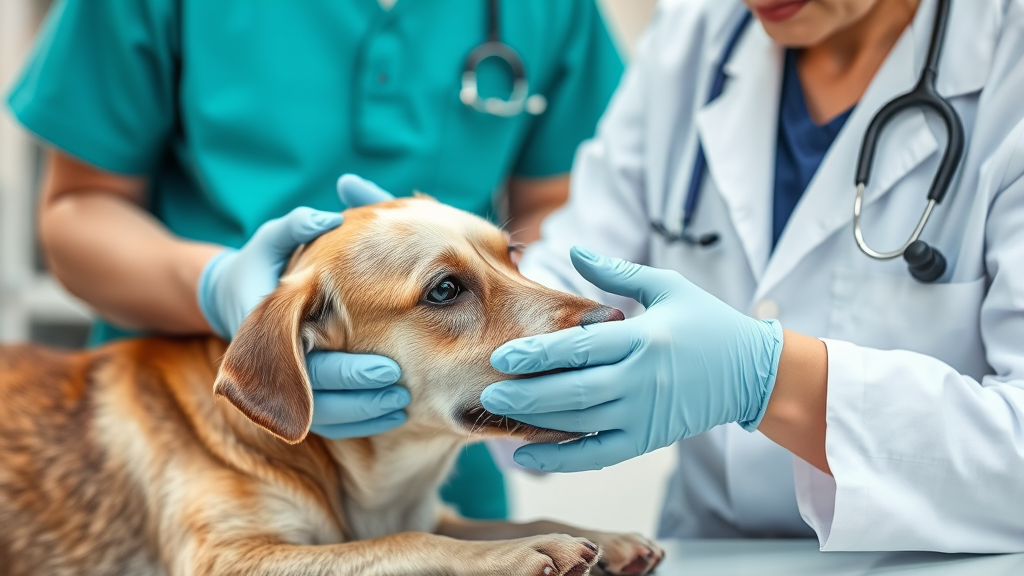
Senior dogs benefit from more frequent veterinary checkups, typically every six months rather than annually. These visits allow for early detection and management of age-related conditions before they become serious health problems. Regular blood work can help monitor organ function, while routine examinations can catch issues like dental disease, arthritis, or vision problems.
Preventive care becomes even more critical as dogs age. This includes maintaining current vaccinations, continuing parasite prevention, and discussing appropriate screening tests for common senior dog conditions such as kidney disease, heart problems, or cancer. Your veterinarian may recommend specific diagnostic tests based on your dog’s breed, size, and health history.
Pain management is a crucial aspect of senior dog care. Many older dogs suffer from arthritis or other painful conditions that may not be immediately obvious. Working with your veterinarian to develop a pain management plan can significantly improve your senior dog’s quality of life. This might include medications, supplements, physical therapy, or alternative treatments like acupuncture.
It’s important to be aware of serious health changes that may indicate more severe conditions. Understanding warning signs can help you make informed decisions about your pet’s care and ensure they receive appropriate medical attention when needed.
Maintaining Quality of Life
Maintaining your senior dog’s quality of life involves balancing their changing needs with continued enjoyment of daily activities. Regular grooming becomes more important as senior dogs may have difficulty maintaining their hygiene independently. Brushing, nail trims, and dental care help keep them comfortable and healthy.
Social interaction remains important for senior dogs, though their preferences may change. Some may enjoy gentler play sessions with familiar dogs, while others might prefer quiet companionship with their human family members. Respecting their changing social needs while still providing engagement is key to their emotional well-being.
Environmental modifications can make a significant difference in your senior dog’s daily comfort. Non-slip rugs on smooth floors, elevated food and water bowls, and easy access to outdoor areas for bathroom breaks all contribute to maintaining independence and dignity as they age.
The ASPCA recommends creating a consistent routine for senior dogs, as they often find comfort in predictability. Regular meal times, consistent sleep schedules, and familiar walking routes can help reduce anxiety and confusion that sometimes accompanies aging.
Frequently Asked Questions
At what age should I start considering my dog a senior?
The age varies by size: small dogs (under 20 lbs) around 9-13 years, medium dogs (21-50 lbs) at 7-10 years, large dogs (51-90 lbs) at 6-8 years, and giant breeds (over 90 lbs) as early as 5-6 years. However, individual dogs may show signs of aging earlier or later based on genetics and health status.
What are the first signs that my dog is becoming a senior?
The most common early signs include graying around the muzzle and face, decreased energy levels, slight stiffness when getting up, changes in sleep patterns, and minor behavioral changes like being less enthusiastic about activities they once enjoyed.
How often should senior dogs visit the veterinarian?
Senior dogs should typically see a veterinarian every six months rather than annually. This allows for early detection and management of age-related conditions. Your vet may recommend more frequent visits depending on your dog’s specific health needs and existing conditions.
Do senior dogs need a special diet?
Many senior dogs benefit from diets specifically formulated for older dogs, which often contain adjusted protein levels, increased fiber, and supplements supporting joint and cognitive health. However, dietary needs vary by individual, so consult your veterinarian for personalized recommendations.
Can senior dogs still exercise, and how should I modify their routine?
Yes, senior dogs still need exercise, but routines should be modified to match their capabilities. Shorter, more frequent walks are often better than long, strenuous activities. Swimming can be excellent low-impact exercise for dogs with joint issues.
Is cognitive decline normal in senior dogs?
Some degree of cognitive change is normal as dogs age, but significant cognitive dysfunction syndrome (CDS) affects many senior dogs and can be managed with veterinary care. Signs include disorientation, changes in sleep patterns, and altered social behaviors.
How can I make my home more comfortable for my senior dog?
Provide orthopedic bedding, add ramps or steps for easier access to furniture, use non-slip rugs on smooth floors, elevate food and water bowls, and ensure easy access to outdoor areas. Maintaining a consistent routine also helps reduce anxiety and confusion.





