

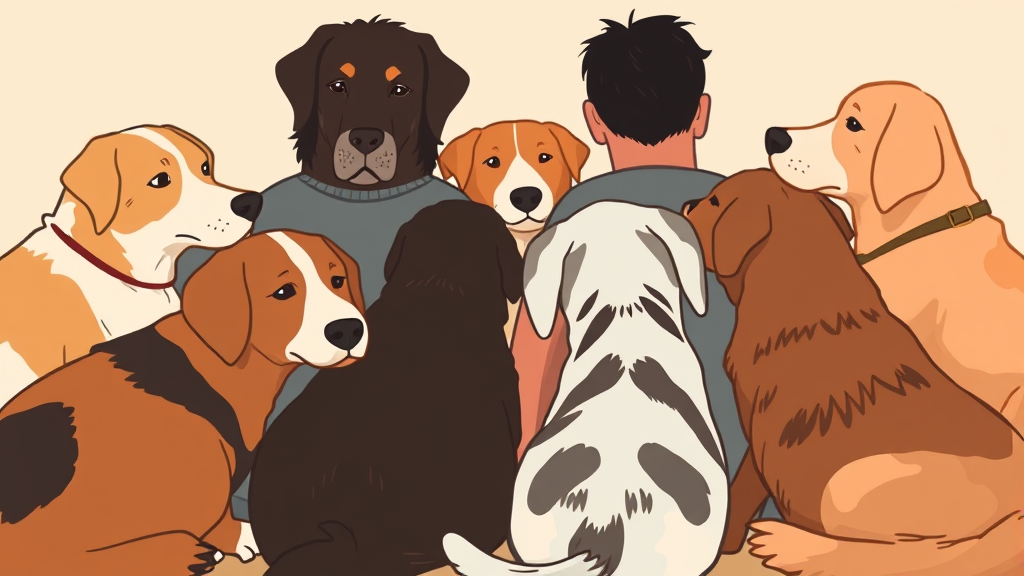
There’s nothing quite like settling into your favorite chair after a long day, only to have your furry companion immediately claim their spot right on top of you. This endearing behavior is one of the most common questions dog parents ask: why does my dog lay on me? While it might sometimes feel like your pup is treating you as their personal furniture, this behavior is actually a beautiful display of love, trust, and natural canine instincts.
Understanding why dogs choose to snuggle up on their humans reveals fascinating insights into the canine mind and the deep bond between dogs and their families. From evolutionary survival tactics to modern expressions of affection, your dog’s desire to lay on you encompasses a complex mix of biology, psychology, and pure devotion that has developed over thousands of years of companionship.
The Pack Mentality and Security
Dogs are descendants of wolves, and despite thousands of years of domestication, they retain many pack-oriented behaviors. In the wild, pack members sleep close together for protection, warmth, and social bonding. When your dog lays on you, they’re demonstrating this ancient instinct by seeking the security that comes from being close to their pack leader – you.
This behavior also indicates that your dog views you as a safe haven. By positioning themselves on top of you, they’re not only accessing your protection but also placing themselves in a position where they can monitor their surroundings while feeling secure. It’s a strategic choice that allows them to rest while remaining alert to potential threats or changes in their environment.
The American Kennel Club explains that this pack behavior is deeply ingrained in canine DNA and manifests in various ways throughout a dog’s life. Your dog’s choice to lay on you demonstrates their acceptance of you as their family unit and their desire to maintain close social bonds.

Seeking Warmth and Comfort
One of the most practical reasons dogs lay on their humans is simple thermoregulation. Dogs have higher body temperatures than humans, typically ranging from 101-102.5°F, but they still seek additional warmth for comfort and energy conservation. Your body heat provides an ideal warming source, especially during colder months or in air-conditioned environments.
Different dog breeds have varying tolerance levels for temperature. Smaller breeds, dogs with thin coats, and senior dogs are particularly prone to seeking out warm spots. Why dogs sleep at your feet is another manifestation of this same temperature-seeking behavior, as feet often generate significant warmth.
Beyond physical warmth, your presence provides emotional comfort. The familiar scent, heartbeat, and breathing patterns of their beloved human create a soothing environment that promotes relaxation and deeper sleep. This comfort-seeking behavior is particularly common in dogs who experience separation anxiety or those who are naturally more dependent on their owners.
Bonding and Affection
Physical contact triggers the release of oxytocin, often called the “love hormone,” in both dogs and humans. When your dog lays on you, this hormone release creates feelings of happiness, contentment, and strengthened bonding. This biochemical response reinforces the behavior, making it increasingly likely that your dog will continue seeking physical closeness.
Dogs express love differently than humans, and physical proximity is one of their primary love languages. How to know if your dog loves you includes recognizing these physical displays of affection. Unlike cats, who might show affection through purring or head bumps, dogs often demonstrate their love through full-body contact and sustained physical closeness.
This bonding behavior is also reciprocal – the more positive attention and gentle responses you give when your dog lays on you, the more they associate this behavior with pleasant outcomes. Why dogs like to be pet connects to this same positive reinforcement cycle that strengthens the human-dog bond through physical interaction.
Attention-Seeking Behavior
Dogs are incredibly intelligent when it comes to understanding human behavior patterns. If laying on you consistently results in pets, scratches, treats, or verbal attention, your dog quickly learns that this behavior is an effective way to engage with you. This learned behavior becomes particularly pronounced in dogs who don’t receive sufficient mental stimulation or physical exercise throughout the day.
Attention-seeking through physical contact isn’t necessarily problematic unless it becomes excessive or interferes with daily activities. Dogs who demand constant physical contact might benefit from structured attention periods and independent play time to develop confidence and self-reliance.
The American Veterinary Medical Association emphasizes the importance of balanced attention-giving to prevent overly dependent behaviors while still maintaining strong human-animal bonds.
Anxiety and Stress Relief
For many dogs, laying on their human serves as a natural anxiety management strategy. Your presence and physical contact provide reassurance during stressful situations such as thunderstorms, fireworks, or when strangers visit the home. This behavior is particularly common in rescue dogs or those with traumatic backgrounds who may have heightened anxiety levels.
The deep pressure and warmth from laying on you can have a calming effect similar to weighted blankets for humans. This pressure stimulates the release of serotonin and dopamine, neurotransmitters associated with feelings of well-being and relaxation. Dogs instinctively seek out this natural stress relief mechanism.
If your dog’s need to lay on you seems excessive or is accompanied by other anxiety symptoms like excessive panting, trembling, or destructive behavior, it may indicate an underlying anxiety disorder that could benefit from professional evaluation by a veterinarian or certified animal behaviorist.
Territorial and Protective Instincts
Some dogs lay on their humans as a way of claiming ownership and establishing territory. This behavior is more common in dogs with strong protective instincts or those who haven’t been properly socialized with sharing their human’s attention. By positioning themselves on top of you, they’re essentially marking you as “theirs” and potentially deterring other pets or family members from approaching.
This territorial aspect can also manifest as resource guarding, where dogs become possessive of their human’s lap or personal space. While this might seem flattering, it can become problematic if the dog shows aggression toward others who try to interact with you while they’re claiming their spot.
According to research published by the National Center for Biotechnology Information, understanding territorial behaviors in domestic dogs helps owners address potential issues before they become serious behavioral problems.
Breed-Specific Tendencies
Certain dog breeds are naturally more inclined toward close physical contact with their humans. Lap dogs like Cavalier King Charles Spaniels, Pugs, and Chihuahuas were specifically bred to be companion animals and naturally seek out snuggling opportunities. These breeds often have stronger drives for physical closeness compared to more independent breeds.
Working breeds like German Shepherds, Golden Retrievers, and Border Collies may lay on their humans as part of their protective or service-oriented instincts. These dogs often view staying close to their human as part of their job responsibility. Does my dog know I love him explores how different breeds express and interpret affection in unique ways.
Conversely, some breeds like Basenjis, Shiba Inus, and Afghan Hounds are known for being more aloof and may be less likely to engage in sustained physical contact. Understanding your dog’s breed tendencies can help set appropriate expectations for their cuddling behavior.
When to Be Concerned: Health Considerations
While laying on humans is typically normal behavior, sudden changes in this pattern can sometimes indicate health issues. If a previously independent dog suddenly becomes clingy and constantly seeks physical contact, it could signal illness, pain, or cognitive changes, especially in senior dogs.
Conversely, if your typically cuddly dog suddenly stops wanting physical contact, this could indicate discomfort, joint pain, or other health problems. Why dogs like belly rubs discusses how physical preferences can change with health conditions, making it important to monitor these behavioral shifts.
The ASPCA recommends consulting with a veterinarian if you notice significant changes in your dog’s normal behavioral patterns, including their desire for physical contact and proximity.
How to Encourage or Discourage This Behavior
If you enjoy your dog’s snuggling behavior and want to encourage it, consistent positive reinforcement works best. Gentle petting, soft praise, and relaxed body language signal to your dog that their presence is welcome. Creating designated snuggle times can help satisfy your dog’s need for closeness while maintaining boundaries when necessary.
For those who need to discourage excessive laying behavior, redirection rather than punishment proves most effective. Teaching your dog to settle in a nearby bed or designated spot while still receiving attention helps maintain the bond while establishing healthy boundaries. Do dogs like being pet offers insights into alternative ways to provide physical affection that might be more manageable.
Consistency is crucial whether encouraging or discouraging this behavior. Mixed signals confuse dogs and can lead to anxiety or behavioral problems. The Humane Society provides excellent resources for positive training techniques that strengthen the human-dog bond while establishing clear expectations.
Remember that dogs like kisses and other forms of affection, so if you’re limiting lap time, ensure you’re providing alternative ways to show love and maintain your connection. Physical touch remains important for most dogs’ emotional well-being, even if it needs to be modified to fit your lifestyle.
Frequently Asked Questions
Why does my dog only lay on me and not other family members?
Dogs often choose one primary person as their main attachment figure, typically the person who provides the most care, training, or positive interactions. This preference can also develop based on who the dog feels most secure with or who has the most predictable routine. While this is normal, encouraging interaction with all family members can help develop more balanced relationships.
Is it unhealthy to let my dog lay on me all the time?
Moderate snuggling is generally healthy for both dogs and humans, providing emotional benefits and strengthening bonds. However, excessive dependence can lead to separation anxiety issues. It’s important to ensure your dog can also be comfortable and confident when alone or in their own space to maintain psychological health.
Why does my dog lay on me when I’m sick?
Dogs have an incredible ability to detect changes in human scent, body temperature, and behavior that occur during illness. Their increased closeness during these times likely stems from both their protective instincts and their ability to sense that something is different. This behavior demonstrates their empathetic nature and desire to provide comfort.
Should I be concerned if my dog suddenly stops laying on me?
Sudden changes in affectionate behavior can indicate health problems, pain, stress, or environmental changes. If your normally cuddly dog becomes distant, consider recent changes in routine, health status, or household dynamics. Consulting with a veterinarian can help rule out medical causes for behavioral changes.
How can I teach my dog appropriate times to lay on me?
Training your dog to respond to invitation cues like patting your lap or saying “up” helps establish when laying on you is appropriate. Similarly, teaching a “down” or “place” command gives you a way to redirect them when needed. Consistency in these cues helps dogs understand the boundaries while maintaining the loving relationship.
Why does my dog lay on me but not on furniture?
This behavior suggests your dog specifically seeks you out rather than just looking for a comfortable spot. It indicates strong bonding and attachment, as they prefer your presence over simply finding a soft surface. This preference demonstrates that their motivation is social and emotional rather than purely comfort-seeking.
Do all dogs like to lay on their owners?
Not all dogs enjoy close physical contact due to breed tendencies, individual personality, past experiences, or health conditions. Some dogs prefer showing affection in other ways, such as staying nearby without direct contact, bringing toys, or following their owners around. Respecting your dog’s individual preferences strengthens your relationship and builds trust.





