
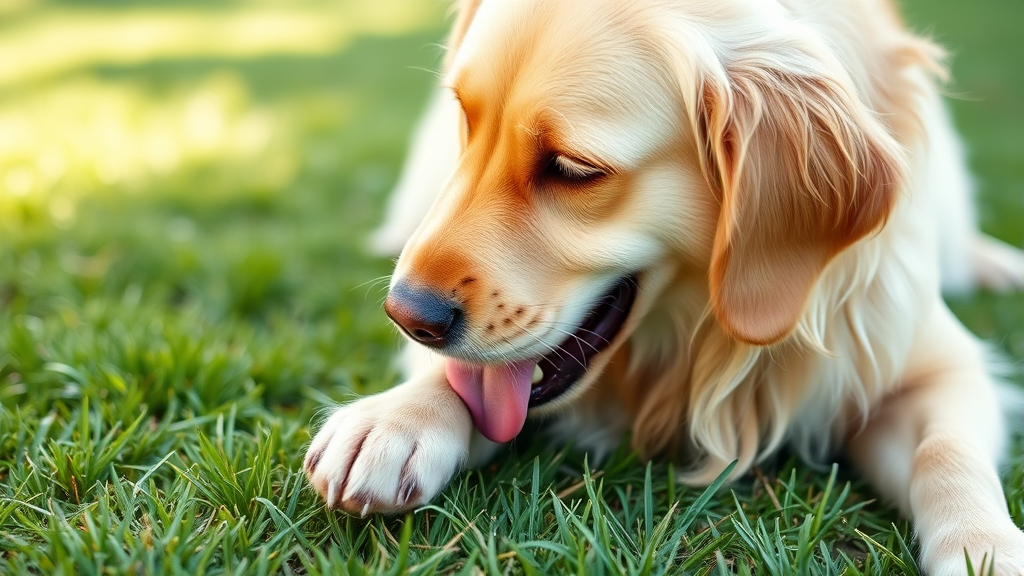
If you’ve ever wondered “why does my dog lick so much,” you’re not alone. Excessive licking is one of the most common behavioral concerns dog owners face, and it can be both puzzling and concerning. While occasional licking is perfectly normal canine behavior, persistent or compulsive licking may indicate underlying issues that require attention.
Understanding the root causes of excessive licking is crucial for maintaining your dog’s health and well-being. From natural instincts and communication attempts to medical conditions and anxiety, there are numerous reasons why your furry friend might be engaging in this behavior. The good news is that with proper identification and intervention, most licking issues can be effectively managed or resolved.
Normal vs. Excessive Licking Behavior
Dogs naturally use licking as a primary form of communication and exploration. Normal licking behaviors include grooming themselves, showing affection to family members, and investigating new scents or tastes. However, when licking becomes repetitive, compulsive, or interferes with daily activities, it crosses into problematic territory.
Typical healthy licking behaviors occur sporadically throughout the day and serve specific purposes. For instance, dogs might lick their owners’ hands as a greeting or show affection, or they may groom themselves after meals or outdoor activities. These behaviors are usually brief and don’t cause physical harm or distress.
In contrast, excessive licking is characterized by its frequency, duration, and impact. Dogs with licking problems may spend hours focused on specific body parts, objects, or surfaces. This behavior often continues despite attempts to redirect their attention and may result in physical symptoms like raw skin, hair loss, or infections. The American Kennel Club notes that compulsive licking can develop into serious behavioral and medical issues if left unaddressed.

Medical Causes of Excessive Licking
Many cases of excessive licking stem from underlying medical conditions that require veterinary attention. Skin allergies are among the most common culprits, causing intense itching that drives dogs to lick affected areas constantly. Food allergies, environmental allergens like pollen or dust mites, and contact allergies can all trigger this response.
Dermatological conditions such as bacterial or fungal infections, eczema, and parasitic infestations also frequently lead to increased licking behavior. Hot spots, which are localized areas of skin inflammation, can develop quickly and become intensely uncomfortable, prompting dogs to lick obsessively. Additionally, conditions like paw infections or injuries may cause targeted licking of specific areas.
Internal medical issues can also manifest as excessive licking. Gastrointestinal problems, including nausea, acid reflux, or inflammatory bowel disease, may cause dogs to lick surfaces or themselves as a coping mechanism. Neurological conditions, hormonal imbalances, and certain medications can also influence licking behaviors. The American Veterinary Medical Association emphasizes the importance of ruling out medical causes before addressing behavioral aspects of excessive licking.
Behavioral and Psychological Reasons
Beyond medical causes, psychological and behavioral factors play significant roles in excessive licking. Anxiety is a primary driver, with dogs often using licking as a self-soothing mechanism when faced with stressful situations. Separation anxiety, in particular, can trigger compulsive licking behaviors when owners are away from home.
Boredom and lack of mental stimulation frequently contribute to problematic licking. Dogs with insufficient physical exercise or mental enrichment may develop repetitive behaviors, including excessive licking, as outlets for their pent-up energy. This is especially common in intelligent breeds that require substantial mental challenges to remain content.
Attention-seeking behavior is another significant factor. If dogs learn that licking garners attention from their owners, even negative attention like scolding, they may continue the behavior to maintain this interaction. Some dogs discover that licking their owner’s feet or hands reliably produces a response, reinforcing the behavior pattern.
Compulsive disorders, similar to obsessive-compulsive disorder in humans, can also develop in dogs. These conditions often begin as normal behaviors that gradually escalate into uncontrollable urges. Certain breeds, including German Shepherds, Dobermans, and Bull Terriers, show higher predispositions to developing compulsive licking behaviors.
Environmental and Situational Factors
Environmental elements significantly influence licking behaviors in dogs. Changes in household routines, new family members, moving to a different home, or alterations in the physical environment can trigger stress-induced licking. Dogs are creatures of habit, and disruptions to their established patterns often manifest as behavioral changes, including increased licking.
Seasonal factors also play a role, particularly regarding allergies and skin conditions. Many dogs experience heightened licking during spring and fall when pollen counts are elevated, or during winter months when indoor heating systems reduce humidity and cause dry skin. Understanding these patterns can help owners anticipate and manage problematic periods.
The presence of certain substances in the environment may also encourage licking. Residual food particles, cleaning product residues, or interesting scents can attract dogs to lick specific surfaces repeatedly. Some dogs develop preferences for certain textures or materials, leading them to seek out particular objects or surfaces to lick consistently.
Social dynamics within multi-pet households can influence licking behaviors as well. Competition for attention, resources, or territory may increase stress levels and trigger compensatory behaviors like excessive licking. Additionally, dogs may learn licking behaviors from observing other pets in the household.

When to Be Concerned About Licking
Recognizing when licking behavior requires intervention is crucial for preventing more serious problems. Physical signs that warrant concern include raw or irritated skin, hair loss in licked areas, persistent odors, swelling, or the development of sores or infections. These symptoms indicate that the licking has progressed beyond normal grooming and is causing physical harm.
Behavioral red flags include licking that interferes with normal activities like eating, sleeping, or playing. If your dog seems unable to stop licking despite distractions or redirections, or if the behavior appears compulsive or frantic, professional evaluation is warranted. The frequency and duration of licking sessions also matter – continuous licking for extended periods or multiple lengthy sessions throughout the day suggest problematic behavior.
Changes in your dog’s overall demeanor alongside increased licking should also raise concerns. If your typically social dog becomes withdrawn while exhibiting excessive licking, or if the behavior coincides with changes in appetite, energy levels, or bathroom habits, these could indicate underlying health issues requiring veterinary attention.
According to ASPCA guidelines, any sudden onset of excessive licking, especially in older dogs or those with no previous history of such behavior, should prompt immediate veterinary consultation to rule out serious medical conditions.
Treatment Options and Solutions
Addressing excessive licking requires a comprehensive approach that targets both underlying causes and the behavior itself. Medical treatments focus on resolving health issues that may be driving the behavior. This might include antihistamines or steroids for allergies, antibiotics for bacterial infections, antifungal medications for yeast problems, or specialized shampoos for skin conditions.
For dogs whose licking stems from compulsive tendencies, veterinary behaviorists may recommend anti-anxiety medications or other pharmaceutical interventions. These medications work best when combined with behavioral modification techniques rather than used as standalone treatments.
Behavioral modification strategies include redirecting the dog’s attention when licking begins, providing alternative activities, and ensuring adequate physical exercise and mental stimulation. Puzzle toys, training sessions, and interactive games can help redirect energy away from licking behaviors. Some owners find success with home remedies that make licked areas less appealing, though these should be used under veterinary guidance.
Environmental management involves removing or addressing triggers that promote licking. This might include using hypoallergenic cleaning products, maintaining consistent routines, providing comfortable resting areas, and ensuring proper humidity levels in the home. The Humane Society recommends creating structured environments that minimize stress and provide appropriate outlets for natural behaviors.
Prevention and Management Strategies
Preventing excessive licking is often easier than treating established patterns. Regular veterinary checkups help identify and address potential medical issues before they trigger problematic behaviors. Maintaining good hygiene, including regular grooming and dental care, reduces the likelihood of skin conditions and oral discomfort that might lead to increased licking.
Providing adequate physical exercise and mental stimulation is fundamental to preventing boredom-induced licking. Daily walks, play sessions, and training activities help dogs expend energy appropriately and maintain psychological well-being. Rotating toys and introducing new activities prevents monotony that might contribute to repetitive behaviors.
Establishing consistent routines helps reduce anxiety-related licking by providing dogs with predictable structure. This includes regular feeding times, exercise schedules, and bedtime routines. When changes to routines are necessary, gradual transitions help minimize stress and associated behavioral problems.
Early intervention is key when licking behaviors first appear. Addressing minor issues promptly prevents them from developing into more serious compulsive patterns. This might involve simple environmental modifications, increased attention to grooming, or temporary dietary adjustments. Many dog owners find that understanding normal affectionate licking helps them distinguish between healthy and problematic behaviors more effectively.
Training techniques that teach alternative behaviors can also be valuable prevention tools. Teaching commands like “leave it” or “settle” provides owners with tools to redirect unwanted licking before it becomes habitual. Positive reinforcement for appropriate behaviors helps establish healthy patterns from an early age.
Frequently Asked Questions
Why does my dog suddenly start licking everything excessively?
Sudden onset of excessive licking often indicates a medical issue such as allergies, infections, injuries, or gastrointestinal problems. Environmental changes, stress, or new medications can also trigger this behavior. It’s important to consult with a veterinarian promptly to rule out underlying health conditions and develop an appropriate treatment plan.
Is it normal for dogs to lick themselves constantly?
While some self-grooming is normal, constant licking is not typical behavior and usually indicates a problem. Normal grooming occurs intermittently throughout the day, while problematic licking is persistent, focused, and often results in physical symptoms like irritated skin or hair loss. If your dog cannot be easily distracted from licking, veterinary evaluation is recommended.
Can anxiety cause a dog to lick excessively?
Yes, anxiety is a common cause of excessive licking in dogs. Anxious dogs often use licking as a self-soothing mechanism to cope with stress. Separation anxiety, environmental changes, or general anxiety disorders can all trigger this behavior. Treatment typically involves addressing the underlying anxiety through behavioral modification, environmental management, and sometimes medication.
How can I stop my dog from licking their paws raw?
To address paw licking, first identify and treat any underlying causes such as allergies, infections, or injuries. Keep the paws clean and dry, trim nails regularly, and consider using protective barriers like bitter apple spray. Provide alternative activities to redirect attention, ensure adequate exercise and mental stimulation, and consult with a veterinarian for persistent cases that cause physical damage.
When should I take my dog to the vet for excessive licking?
Veterinary consultation is warranted when licking causes physical symptoms like raw skin, infections, or hair loss, when the behavior interferes with normal activities, or when it appears compulsive and cannot be redirected. Sudden onset of excessive licking, especially in older dogs, should prompt immediate evaluation. Any licking accompanied by other symptoms like changes in appetite, lethargy, or unusual odors requires professional attention.
Are certain dog breeds more prone to excessive licking?
Some breeds show higher predispositions to compulsive behaviors, including excessive licking. German Shepherds, Dobermans, Bull Terriers, and other working breeds may be more susceptible due to their high intelligence and energy levels. However, any dog can develop licking problems regardless of breed, and individual factors like environment, health, and training play significant roles in behavior development.
Can diet affect my dog’s licking behavior?
Diet can significantly influence licking behavior, particularly when food allergies or sensitivities are involved. Common allergens like chicken, beef, wheat, or corn can trigger skin reactions that lead to increased licking. Poor nutrition may also contribute to skin problems or general health issues that manifest as excessive licking. A veterinarian can help determine if dietary changes might benefit your dog’s condition.





