
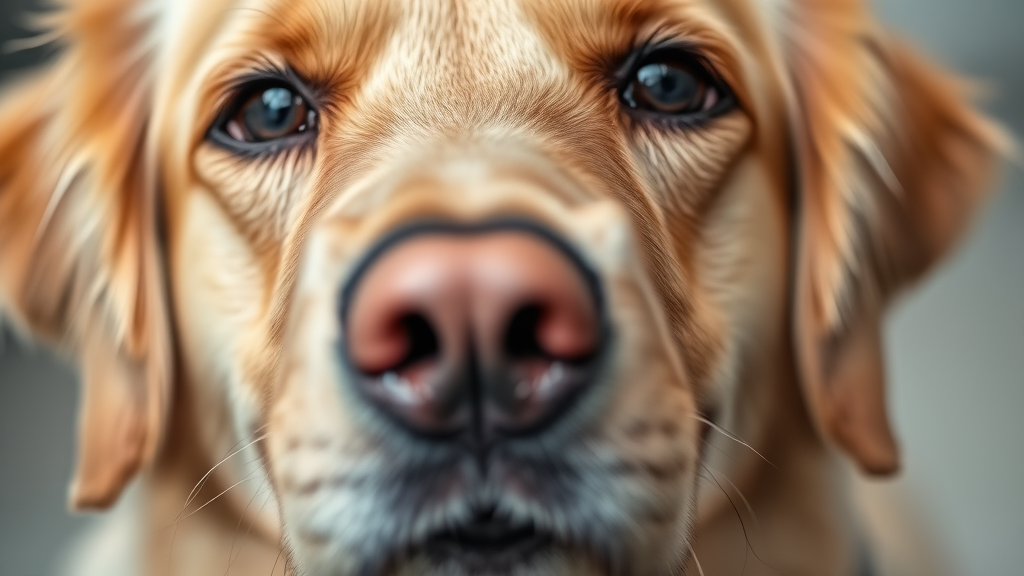
Noticing redness in your dog’s eye can be alarming for any pet owner. While a red eye might seem like a minor issue, it can indicate various underlying conditions ranging from simple irritation to more serious health concerns that require immediate veterinary attention. Understanding the potential causes and knowing when to seek professional help is crucial for maintaining your dog’s eye health and overall well-being.
Red eyes in dogs are surprisingly common and can affect canines of all ages and breeds. The redness typically occurs when blood vessels in the eye become dilated or inflamed, creating that distinctive red or pink appearance. While some cases may resolve on their own with proper care, others require prompt medical intervention to prevent complications or permanent damage to your dog’s vision.
Common Causes of Red Eyes in Dogs
Understanding why are my dogs eyes red begins with recognizing the most frequent underlying causes. Eye redness in dogs can stem from various factors, each requiring different approaches to treatment and care.
Allergies represent one of the most common culprits behind red eyes in dogs. Environmental allergens such as pollen, dust mites, mold spores, and certain chemicals can trigger inflammatory responses in your dog’s eyes. Food allergies may also contribute to eye irritation, particularly when accompanied by other symptoms like skin rashes or digestive issues. According to the American Veterinary Medical Association, allergic reactions often cause bilateral eye redness, meaning both eyes are typically affected.
Conjunctivitis, commonly known as pink eye, is another frequent cause of red eyes in dogs. This condition involves inflammation of the conjunctiva, the thin membrane covering the inner eyelids and the white part of the eye. Bacterial, viral, or fungal infections can trigger conjunctivitis, resulting in redness, discharge, and discomfort. The condition can be highly contagious between pets, making prompt treatment essential.
Foreign objects lodged in or around the eye can cause significant irritation and redness. Common culprits include grass seeds, dirt particles, dust, or small debris that becomes trapped under the eyelid or in the corner of the eye. Dogs who spend considerable time outdoors or those with prominent eyes are particularly susceptible to this issue.
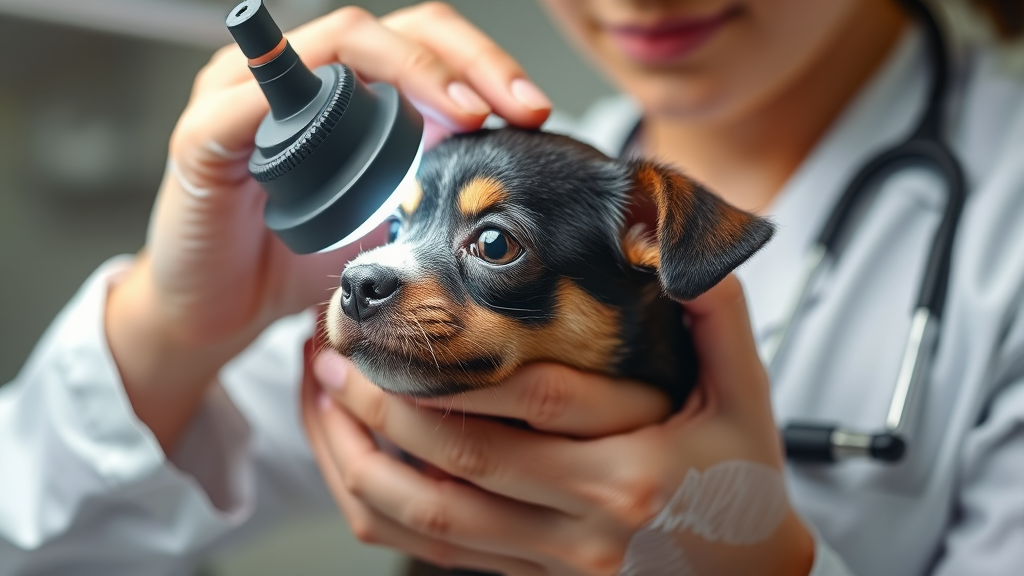
Dry eye syndrome, medically known as keratoconjunctivitis sicca (KCS), occurs when dogs don’t produce adequate tears to keep their eyes properly lubricated. This condition can lead to chronic redness, inflammation, and potentially serious complications if left untreated. Certain breeds, medications, and autoimmune conditions can predispose dogs to develop dry eye syndrome.
Injuries to the eye or surrounding structures can cause immediate and severe redness. These injuries might result from scratches during play, encounters with other animals, or accidents involving sharp objects. Even minor trauma can lead to significant inflammation and potential complications if not properly addressed.
What is cherry eye in dogs is another condition that can cause noticeable redness. Cherry eye occurs when the third eyelid gland prolapses, creating a red, cherry-like protrusion in the corner of the eye. This condition is more common in certain breeds and typically requires surgical correction.
Symptoms to Watch For
Recognizing the accompanying symptoms that occur alongside eye redness can help determine the severity of your dog’s condition and guide your response. While redness itself is the primary indicator, additional signs can provide valuable insights into the underlying cause and urgency of the situation.
Discharge from the eyes varies significantly depending on the underlying cause. Clear, watery discharge often indicates allergies or mild irritation, while thick, yellow, or green discharge typically suggests bacterial infection requiring antibiotic treatment. Mucoid discharge that appears stringy or sticky may indicate dry eye syndrome or other chronic conditions.
Excessive tearing or epiphora can accompany eye redness, particularly in cases involving foreign objects, injuries, or certain breeds with prominent eyes. While some tearing is normal, persistent or excessive tear production warrants veterinary evaluation, especially when combined with other symptoms.
Behavioral changes often accompany eye problems in dogs. You might notice your pet pawing at their face, rubbing their head against furniture, or showing reluctance to be touched around the head area. Some dogs become more lethargic or less interested in activities they normally enjoy when experiencing eye discomfort.
Squinting, also known as blepharospasm, is a common response to eye pain or discomfort. Dogs may keep one or both eyes partially or completely closed, indicating significant irritation or pain. This symptom, particularly when persistent, suggests the need for immediate veterinary attention.
Swelling around the eyes, including the eyelids and surrounding tissues, can accompany redness and may indicate more serious conditions such as infections, allergic reactions, or trauma. The American Kennel Club emphasizes that facial swelling combined with eye redness should prompt immediate veterinary consultation.
When Red Eyes Become an Emergency
Certain situations involving red eyes in dogs require immediate emergency veterinary care to prevent permanent damage or complications. Understanding these warning signs can help you make critical decisions about your pet’s health and potentially save their vision.
Sudden onset of severe redness accompanied by obvious pain or distress indicates a potential emergency. If your dog suddenly develops intensely red eyes and shows signs of significant discomfort, such as excessive pawing, whimpering, or reluctance to open their eyes, seek immediate veterinary care.
Vision changes or apparent blindness, even if temporary, warrant emergency attention. If you notice your dog bumping into objects, hesitating to navigate familiar spaces, or showing signs of disorientation, these symptoms combined with eye redness could indicate serious conditions affecting their sight.
Trauma to the eye or head region requires immediate professional evaluation, regardless of how minor it might appear. Even seemingly small injuries can cause internal damage that isn’t immediately visible but can lead to serious complications if left untreated.
Signs of systemic illness accompanying eye redness, such as fever, lethargy, loss of appetite, or vomiting, may indicate more serious underlying conditions. How to tell if your dog has a fever can help you assess whether additional symptoms are present that might indicate a systemic problem.
Corneal damage or cloudiness of the eye’s surface represents a serious condition requiring immediate attention. The cornea should normally appear clear and transparent, so any cloudiness, white or blue discoloration, or visible scratches or ulcers need emergency treatment to prevent permanent vision loss.
Pupils that appear irregular, unequal in size between eyes, or unresponsive to light changes can indicate serious neurological or eye-specific problems. These symptoms, especially when combined with redness, require immediate veterinary evaluation.
Safe Home Care Methods
While professional veterinary care is essential for diagnosing and treating serious eye conditions, certain gentle home care methods can provide temporary relief for minor irritation and help maintain eye health. However, it’s crucial to understand the limitations of home care and know when professional intervention is necessary.
Gentle cleaning of the area around the eyes can help remove discharge and debris that might contribute to irritation. Use only clean, damp cloths or cotton balls with warm water to gently wipe away discharge from the corners of the eyes and surrounding fur. Always wipe from the inner corner outward and use a fresh cloth or cotton ball for each eye to prevent cross-contamination.
Saline solution designed for eye irrigation can help flush out minor irritants and provide temporary relief. Use only sterile saline solutions specifically made for eye care, and never use homemade salt water solutions, which can cause additional irritation due to improper concentration or contamination.
Creating a calm, dust-free environment can help reduce irritation from environmental allergens. Keep your dog indoors during high pollen days, use air purifiers to reduce airborne allergens, and ensure their sleeping area is clean and free from dust accumulation.
Preventing your dog from pawing or rubbing their eyes is crucial for avoiding additional trauma and allowing healing to occur. Consider using an Elizabethan collar (cone) if your dog persistently tries to scratch or rub the affected eye. This temporary inconvenience can prevent significant complications and promote faster healing.
However, it’s important to understand what NOT to use for home care. Never apply human eye drops, medications, or treatments to your dog’s eyes without veterinary approval. Many products safe for humans can be toxic or harmful to dogs. Can you put neosporin on a dog is a common question, but many human medications should never be used on pets without professional guidance.
The Humane Society provides additional guidance on safe first aid practices for dogs, including eye care recommendations that can complement professional veterinary treatment.
Prevention and Long-term Care
Preventing eye problems in dogs involves a combination of regular care, environmental management, and awareness of your pet’s specific risk factors. Proactive measures can significantly reduce the likelihood of eye issues and help maintain your dog’s vision throughout their life.
Regular grooming plays a crucial role in eye health, particularly for dogs with long facial hair or prominent eyes. Keep hair trimmed around the eyes to prevent irritation, and maintain clean facial areas to reduce bacterial buildup that could lead to infections. How to clean dogs ears is often part of comprehensive facial grooming that supports overall head and eye health.
Environmental modifications can help protect your dog’s eyes from potential irritants and injuries. Consider the layout of your yard and home, removing or securing sharp objects that could pose risks. During outdoor activities, be mindful of areas with dense vegetation, thorny plants, or dusty conditions that might increase the risk of eye injuries or irritation.
Regular veterinary checkups should include comprehensive eye examinations, particularly for older dogs or breeds predisposed to eye problems. Early detection of conditions like glaucoma, cataracts, or progressive retinal atrophy can lead to more effective treatment and better outcomes for your pet’s vision.
Nutrition plays a supporting role in eye health. Diets rich in antioxidants, omega-3 fatty acids, and vitamins A, C, and E can support overall eye health and potentially reduce the risk of certain age-related eye conditions. Consult with your veterinarian about whether your dog’s current diet adequately supports their eye health needs.
Understanding your dog’s breed-specific risks allows for more targeted prevention strategies. Research conducted by veterinary ophthalmologists shows that certain breeds have higher predispositions to specific eye conditions, making breed-appropriate care essential.
Breed-Specific Eye Considerations
Different dog breeds face varying risks for eye problems, making breed-specific awareness crucial for prevention and early detection. Understanding your dog’s genetic predispositions can help you provide more targeted care and recognize potential issues earlier.
Brachycephalic breeds, including Bulldogs, Pugs, Boston Terriers, and Shih Tzus, face unique challenges due to their prominent eyes and shallow eye sockets. These anatomical features make them more susceptible to injuries, dry eye, and corneal problems. The compressed facial structure can also lead to inadequate tear drainage, contributing to chronic irritation and redness.
Breeds with excessive facial hair, such as Old English Sheepdogs, Bearded Collies, and certain Poodle mixes, require special attention to prevent hair-related eye irritation. Regular grooming and trimming around the eyes are essential for these breeds to maintain clear vision and prevent chronic irritation that can lead to redness and infection.
Certain breeds are genetically predisposed to specific eye conditions that may present with redness as an early symptom. German Shepherds and Siberian Huskies have higher rates of chronic superficial keratitis, while Cocker Spaniels are prone to glaucoma and various eyelid abnormalities.
Large breed dogs may experience different eye problems compared to smaller breeds, often related to their size and activity levels. Giant breeds like Great Danes and Saint Bernards may be more susceptible to eyelid abnormalities due to their rapid growth patterns, while highly active breeds might face increased risks of trauma-related eye injuries.
Working and sporting breeds that spend considerable time outdoors face increased exposure to environmental irritants, UV radiation, and potential injuries. Breeds like Border Collies, Australian Shepherds, and various hunting dogs benefit from protective measures during outdoor activities and regular eye health monitoring.
The Orthopedic Foundation for Animals maintains databases of breed-specific eye health information that can help owners understand their dog’s particular risk factors and recommended screening protocols.
Understanding these breed-specific considerations allows for more personalized care approaches. Why my dog eye is red might have different implications depending on your pet’s breed, age, and individual risk factors, making professional veterinary guidance essential for accurate diagnosis and treatment.
Frequently Asked Questions
Can I use human eye drops on my dog’s red eyes?
Never use human eye drops on your dog without veterinary approval. Many human eye medications contain ingredients that can be toxic to dogs or cause additional irritation. Dogs have different eye chemistry and medication tolerances than humans, making species-specific treatments essential. Always consult your veterinarian before applying any medication to your dog’s eyes, even if the product seems gentle or natural.
How long should I wait before seeing a vet for my dog’s red eyes?
The timeline for veterinary care depends on the severity of symptoms and accompanying signs. If redness is mild and your dog shows no signs of pain, discharge, or vision problems, you might monitor for 24-48 hours while providing gentle supportive care. However, seek immediate veterinary attention if you notice severe redness, obvious pain, discharge, swelling, vision changes, or if your dog seems systemically unwell. When in doubt, it’s always safer to consult with a veterinary professional sooner rather than later.
Are red eyes in dogs contagious to other pets or humans?
The contagiousness of red eyes depends on the underlying cause. Bacterial and viral conjunctivitis can be highly contagious between dogs and, in rare cases, may transmit to humans. Allergic reactions and injuries are typically not contagious. If you have multiple pets and one develops red eyes with discharge, separate them until you can determine the cause and begin appropriate treatment. Always practice good hygiene when handling an affected pet, including thorough hand washing.
What’s the difference between cherry eye and regular eye redness?
Cherry eye is a specific condition where the third eyelid gland prolapses, creating a distinctive red, cherry-like protrusion in the corner of the eye. This appears as a round, red mass rather than general redness across the eye surface. Regular eye redness typically affects the conjunctiva or sclera (white part of the eye) without the characteristic protruding mass. Cherry eye usually requires surgical correction, while other forms of redness may respond to medical treatment.
Can allergies cause persistent red eyes in dogs?
Yes, allergies are a common cause of chronic red eyes in dogs. Environmental allergens like pollen, dust mites, and mold can cause seasonal or year-round eye irritation. Food allergies may also contribute to eye problems, often accompanied by skin issues or digestive symptoms. What causes hot spots on dogs can sometimes be related to the same allergens affecting the eyes. Managing allergies typically requires identifying and avoiding triggers, along with appropriate medical treatment as recommended by your veterinarian.
Is it normal for older dogs to develop red eyes more frequently?
Older dogs may experience red eyes more frequently due to age-related changes in tear production, immune function, and overall health. Senior dogs are more susceptible to dry eye syndrome, certain infections, and conditions like glaucoma that can present with redness. Additionally, medications commonly used in older dogs may contribute to decreased tear production. Regular veterinary checkups become even more important for senior dogs to monitor eye health and catch problems early.
Should I clean my dog’s red eyes, and if so, how?
Gentle cleaning can help remove discharge and debris, but avoid excessive manipulation that might cause additional irritation. Use only clean, damp cloths with warm water or veterinary-approved saline solutions. Wipe gently from the inner corner of the eye outward, using a fresh cloth for each eye. Never use tissues, paper towels, or rough materials near the eyes. If there’s significant discharge or if your dog resists cleaning, stop and consult your veterinarian for proper treatment rather than continuing to clean at home.





