
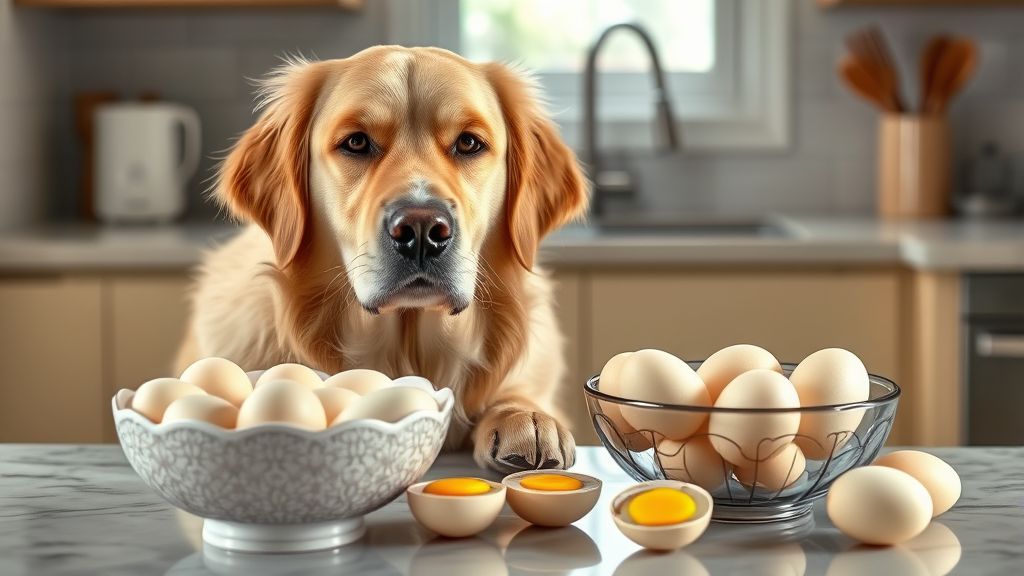
As pet parents, we often wonder about sharing our favorite foods with our furry companions. Hard-boiled eggs are a nutritious staple in many households, packed with protein and essential nutrients. But the question remains: are hard boiled eggs good for dogs? The answer is generally yes, but there are important considerations every dog owner should understand before adding this protein-rich food to their pet’s diet.
Hard-boiled eggs can be an excellent addition to your dog’s nutrition plan when prepared and served correctly. These protein powerhouses contain essential amino acids, vitamins, and minerals that can benefit your canine companion’s overall health. However, like any human food introduced to dogs, proper preparation, portion control, and understanding potential risks are crucial for ensuring your pet’s safety and wellbeing.
Nutritional Benefits of Hard-Boiled Eggs for Dogs
Hard-boiled eggs are nutritional powerhouses that provide numerous benefits for canine health. A single large hard-boiled egg contains approximately 6 grams of high-quality protein, making it an excellent supplement to your dog’s regular diet. The protein in eggs is considered complete, meaning it contains all essential amino acids that dogs need for optimal health and development.
Beyond protein, hard-boiled eggs are rich in essential vitamins and minerals. They contain vitamin A, which supports eye health and immune function, and B vitamins including B12, riboflavin, and folate, which are crucial for energy metabolism and nervous system function. The presence of vitamin D helps with calcium absorption, while vitamin E acts as a powerful antioxidant protecting cells from damage.
Minerals found in hard-boiled eggs include iron for healthy blood cell formation, selenium for immune system support, and phosphorus for bone and teeth health. The biotin content in eggs can contribute to healthy skin and coat, making them particularly beneficial for dogs with dull or brittle fur. According to the American Kennel Club, eggs are one of the most complete protein sources available for dogs.
Safety Considerations and Preparation
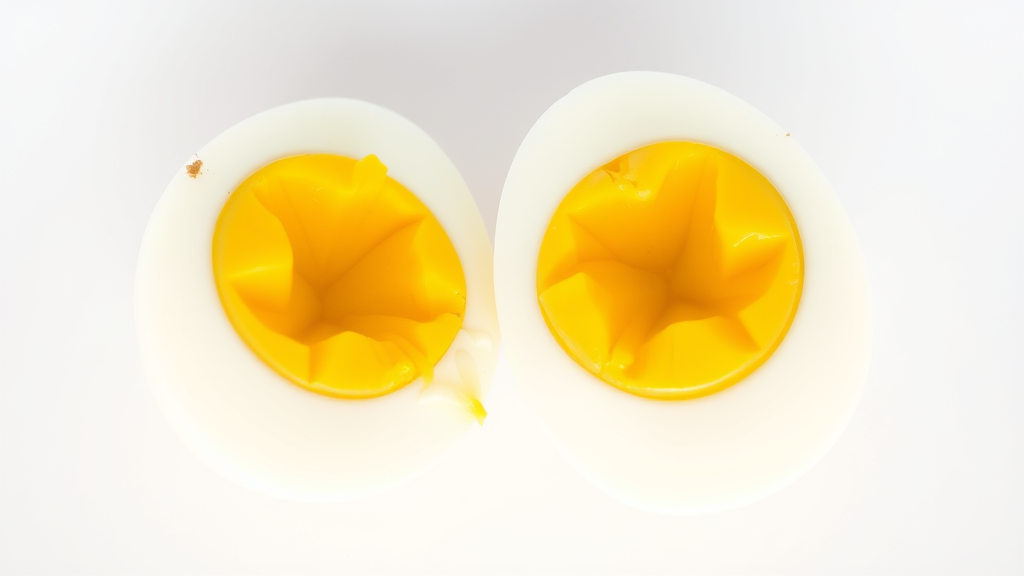
While hard-boiled eggs are generally safe for dogs, proper preparation is essential to prevent health issues. Always cook eggs thoroughly before serving them to your pet, as raw eggs can contain harmful bacteria like Salmonella or E. coli. The cooking process eliminates these potential pathogens, making hard-boiled eggs a safer option than raw alternatives.
When preparing hard-boiled eggs for your dog, avoid adding any seasonings, salt, butter, or oils. These additives can be harmful to dogs and may cause digestive upset or more serious health problems. Plain, unseasoned hard-boiled eggs are the safest option for canine consumption. Additionally, ensure the eggs are fresh and properly stored before cooking to minimize any risk of bacterial contamination.
It’s important to introduce hard-boiled eggs gradually into your dog’s diet to monitor for any adverse reactions. Some dogs may have sensitivities or allergies to eggs, though this is relatively uncommon. Start with small portions and observe your pet for any signs of digestive upset, skin irritation, or behavioral changes. If you’re considering scrambled eggs as an alternative, the same safety principles apply.
Proper Serving Sizes and Frequency
Determining the appropriate serving size of hard-boiled eggs for your dog depends on several factors, including your pet’s size, age, activity level, and overall health status. As a general rule, treats and supplements should not exceed 10% of your dog’s daily caloric intake. For most dogs, this translates to a few small pieces of hard-boiled egg rather than a whole egg.
Small dogs weighing under 20 pounds should receive no more than half a hard-boiled egg per serving, while medium dogs (20-50 pounds) can safely consume up to one whole egg. Large dogs over 50 pounds may be able to handle one to two eggs, but it’s always best to start with smaller portions and gradually increase if well-tolerated.
Frequency is equally important when incorporating hard-boiled eggs into your dog’s diet. Most veterinarians recommend offering eggs no more than 2-3 times per week to prevent nutritional imbalances. Understanding weekly egg consumption limits helps ensure your pet receives the benefits without overdoing it. The American Veterinary Medical Association emphasizes the importance of maintaining a balanced diet for pets.
Specific Health Benefits
Hard-boiled eggs offer numerous specific health benefits for dogs when incorporated appropriately into their diet. The high-quality protein supports muscle development and maintenance, making them particularly beneficial for active dogs, growing puppies, and senior pets who may need additional protein support. The amino acid profile in eggs closely matches what dogs need for optimal health.
The biotin and other B vitamins in hard-boiled eggs contribute significantly to coat health and skin condition. Dogs with dull, brittle, or thinning coats may benefit from the regular inclusion of eggs in their diet. The healthy fats present in egg yolks also support skin health and can help reduce inflammation.
For dogs recovering from illness or surgery, hard-boiled eggs can provide easily digestible, high-quality nutrition. The protein is gentle on sensitive stomachs while providing essential nutrients for healing and recovery. Some pet owners find that eggs can be helpful when dealing with digestive issues, though it’s important to consult with a veterinarian about appropriate treatments for stomach problems.
The selenium content in eggs supports immune system function, while the iron helps prevent anemia. For pregnant or nursing dogs, the additional protein and nutrients in hard-boiled eggs can be particularly beneficial, though portion sizes should be adjusted accordingly and veterinary guidance sought.
Potential Risks and Precautions
Despite their nutritional benefits, hard-boiled eggs do carry some potential risks for dogs that owners should be aware of. The most significant concern is the possibility of food allergies or sensitivities. While egg allergies in dogs are relatively uncommon, they can occur and may manifest as skin irritation, digestive upset, or respiratory symptoms.
Overfeeding hard-boiled eggs can lead to nutritional imbalances and weight gain. Eggs are calorie-dense, and excessive consumption can contribute to obesity, particularly in less active dogs. Additionally, too many eggs can cause an upset stomach, leading to diarrhea or vomiting in some sensitive dogs.
Another consideration is the cholesterol content in egg yolks. While dogs don’t have the same cholesterol concerns as humans, dogs with existing heart conditions or pancreatitis should consume eggs in moderation or avoid them altogether. Always consult with your veterinarian before introducing new foods to dogs with pre-existing health conditions.
The avidin protein in raw egg whites can interfere with biotin absorption, but this is not a concern with hard-boiled eggs since cooking denatures this protein. However, it’s worth noting that even cooked eggs should be given in moderation to prevent any potential digestive issues. The FDA provides guidelines on pet food safety that can help guide your decisions.
Best Preparation Methods
Proper preparation of hard-boiled eggs for dogs is straightforward but requires attention to detail. Start with fresh, clean eggs and place them in a pot of cold water. Bring the water to a boil, then reduce heat and simmer for 10-12 minutes to ensure the eggs are fully cooked. Immediately transfer the eggs to an ice bath to stop the cooking process and make them easier to peel.
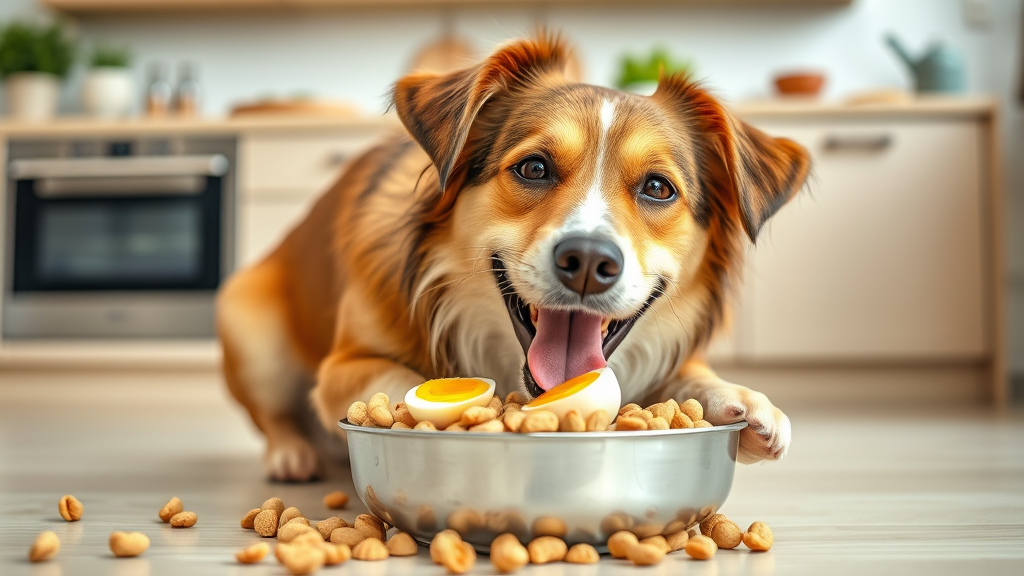
Once cooled and peeled, the hard-boiled eggs can be served in various ways. Many dog owners prefer to chop the eggs into small, manageable pieces that are appropriate for their dog’s size. This also makes it easier to control portion sizes and mix the egg pieces with regular food if desired.
Storage is important for maintaining safety and freshness. Hard-boiled eggs should be refrigerated and consumed within one week of cooking. Always check for signs of spoilage before serving, including unusual odors, slimy texture, or discoloration. Never serve spoiled eggs to your pet, as this can cause serious digestive issues or food poisoning.
Some pet owners wonder about egg shell consumption and whether the shells provide additional benefits. While some claim calcium benefits, it’s generally safer to stick with the egg itself and avoid shells due to potential choking hazards and sharp edges.
Alternative Egg Preparations
While hard-boiled eggs are excellent for dogs, there are other safe egg preparations to consider. Understanding whether scrambled eggs are beneficial can provide variety in your pet’s diet. Scrambled eggs, when prepared without butter, oil, or seasonings, can be just as nutritious as hard-boiled eggs and may be easier for some dogs to digest.
Poached eggs are another healthy alternative, though they require more careful preparation to ensure they’re fully cooked. The key with any egg preparation is avoiding additives that could be harmful to dogs, such as salt, pepper, garlic, onion, or excessive fats.
Some pet owners consider offering raw eggs, but this is generally not recommended due to the risk of bacterial contamination and the avidin protein issue mentioned earlier. Cooked preparations are always safer and provide the same nutritional benefits without the associated risks.
When exploring different egg options for your pet, remember that consistency in preparation and portion control remains important regardless of the cooking method chosen. The ASPCA provides comprehensive guidance on safe foods for pets.
Frequently Asked Questions
How often can I give my dog hard-boiled eggs?
Hard-boiled eggs should be given no more than 2-3 times per week and should not exceed 10% of your dog’s daily caloric intake. This frequency allows your pet to enjoy the nutritional benefits while maintaining a balanced diet and preventing potential digestive issues from overfeeding.
Can puppies eat hard-boiled eggs?
Yes, puppies can safely eat hard-boiled eggs in appropriate portions. However, their serving sizes should be much smaller than adult dogs, and eggs should be introduced gradually after 8 weeks of age. Always consult with your veterinarian before adding new foods to a puppy’s diet, as their nutritional needs are different from adult dogs.
Should I remove the egg yolk before giving it to my dog?
There’s no need to remove the egg yolk for most healthy dogs. The yolk contains many beneficial nutrients, including healthy fats, vitamins, and minerals. However, dogs with pancreatitis or weight management issues may benefit from egg whites only, but this should be determined in consultation with a veterinarian.
What should I do if my dog has an allergic reaction to eggs?
If you notice signs of an allergic reaction such as vomiting, diarrhea, skin irritation, or difficulty breathing, stop giving eggs immediately and contact your veterinarian. While egg allergies in dogs are uncommon, they can occur. Keep a record of symptoms and their timing to help your vet make an accurate diagnosis.
Can I mix hard-boiled eggs with my dog’s regular food?
Yes, chopped hard-boiled eggs can be mixed with your dog’s regular food as a nutritious topper. This can make meals more appealing and provide additional protein and nutrients. Just remember to adjust the portion size of regular food accordingly to prevent overfeeding and maintain proper caloric balance.
Are store-bought hard-boiled eggs safe for dogs?
Store-bought hard-boiled eggs can be safe for dogs if they are plain and free from additives like salt, preservatives, or seasonings. However, homemade hard-boiled eggs are generally preferred as you have complete control over the preparation process and can ensure no harmful ingredients are added. Always check labels carefully if using commercial products.
What’s the difference between giving dogs hard-boiled eggs versus raw eggs?
Hard-boiled eggs are much safer than raw eggs for dogs. Cooking eliminates potential bacteria like Salmonella and denatures the avidin protein that can interfere with biotin absorption. Raw eggs also pose a higher risk of foodborne illness and offer no significant nutritional advantage over cooked eggs. The CDC provides information about egg safety that applies to pet consumption as well.





