

As a devoted pet parent, seeing your furry companion show signs of illness can be deeply concerning, especially when you’re battling a cold yourself. The sniffling, sneezing, and general malaise that accompany human colds often leave dog owners wondering: can dogs catch human colds? This question becomes particularly pressing when both you and your four-legged friend seem to be under the weather simultaneously.
Understanding the transmission of illnesses between humans and dogs is crucial for maintaining both your health and your pet’s wellbeing. While our canine companions share many similarities with us, their immune systems and susceptibility to various pathogens differ significantly from ours. The relationship between human and canine respiratory illnesses is more complex than many pet owners realize, involving different viral strains, transmission methods, and treatment approaches.
Understanding the Canine Respiratory System
Dogs possess a respiratory system that shares fundamental similarities with humans but operates with distinct differences that affect their susceptibility to various pathogens. The canine respiratory tract includes the nose, throat, windpipe, and lungs, all working together to facilitate breathing and filter incoming air. However, dogs have a more sensitive olfactory system and different cellular structures in their respiratory passages.
The immune response in dogs varies significantly from humans, particularly regarding viral recognition and antibody production. While dogs can contract respiratory infections, the specific viruses that cause human colds typically cannot establish infections in canine hosts due to species-specific cellular receptors and immune system differences.
Interestingly, can dogs get colds from their own species-specific viruses, but these pathogens are entirely different from those affecting humans. The canine respiratory system is adapted to process air differently, with dogs relying heavily on panting for temperature regulation and having specialized nasal structures for enhanced scent detection.
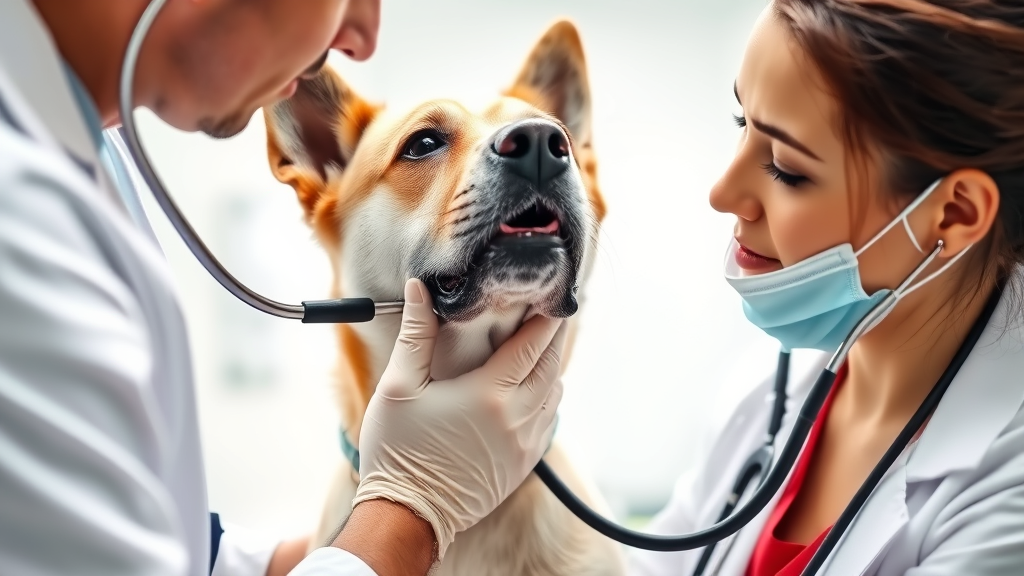
Human Cold Viruses and Dogs
The common cold in humans is primarily caused by rhinoviruses, coronaviruses (different from COVID-19), and other viral strains that have evolved specifically to infect human cells. These viruses require particular cellular receptors and environmental conditions found in human respiratory systems to successfully replicate and cause infection.
Scientific research has consistently demonstrated that the viruses responsible for human colds cannot cross the species barrier to infect dogs. The Centers for Disease Control and Prevention confirms that rhinoviruses, which cause approximately 30-50% of human colds, are species-specific and do not pose a transmission risk to companion animals.
However, pet owners often observe what appears to be simultaneous illness in themselves and their dogs. This coincidence typically results from environmental factors, seasonal changes, or stress rather than direct viral transmission. When wondering can dogs catch the cold from humans, the scientific answer remains definitively no for traditional human cold viruses.
The confusion often arises because some symptoms of canine respiratory infections mirror those of human colds. Additionally, certain bacterial infections or environmental irritants can affect both humans and dogs simultaneously, creating the appearance of cross-species transmission when no viral sharing has actually occurred.
Dog Cold Symptoms vs Human Cold Symptoms
While dogs cannot contract human colds, they can develop their own respiratory infections with symptoms that may appear similar to human cold symptoms. Understanding these differences is crucial for proper pet care and avoiding unnecessary concern about cross-species transmission.
Human cold symptoms typically include nasal congestion, runny nose, sneezing, sore throat, mild fever, and general fatigue. These symptoms result from the body’s immune response to specific viral infections and usually resolve within 7-10 days with rest and supportive care.
Canine respiratory symptoms, when they occur, may include sneezing, nasal discharge, mild coughing, and reduced energy levels. However, these symptoms in dogs are usually caused by different factors such as kennel cough, bacterial infections, allergies, or environmental irritants. Many pet owners notice why is my dog sneezing so much and immediately worry about cold transmission.
The key difference lies in the underlying causes and the specific pathogens involved. While human colds are predominantly viral, canine respiratory issues often stem from bacterial infections, environmental allergens, or other species-specific viral strains that pose no risk to humans.
When Dogs Do Get Sick: Common Canine Respiratory Infections
Although dogs cannot catch human colds, they are susceptible to their own respiratory ailments that require attention and care. Kennel cough, also known as infectious tracheobronchitis, is one of the most common canine respiratory conditions, causing persistent coughing and throat irritation.
Kennel cough typically results from a combination of bacterial and viral infections, including Bordetella bronchiseptica, parainfluenza virus, and adenovirus. These pathogens are highly contagious among dogs but pose no transmission risk to humans. The condition often develops in environments where multiple dogs congregate, such as boarding facilities, dog parks, or grooming establishments.
Another consideration is whether can dogs get the flu, and indeed, canine influenza exists as a separate condition from human influenza. Dog flu is caused by specific influenza A viruses (H3N8 and H3N2) that adapted to infect canines but remain distinct from human flu strains.

Environmental factors also play a significant role in canine respiratory health. Seasonal allergies, air pollution, dust, and chemical irritants can cause symptoms resembling cold-like conditions in dogs. These environmental triggers affect the respiratory system without involving infectious agents, making proper identification crucial for appropriate treatment.
The American Veterinary Medical Association provides comprehensive guidelines for identifying and managing various canine respiratory conditions, emphasizing the importance of professional veterinary diagnosis for persistent symptoms.
Prevention Strategies for Pet Owners
Maintaining your dog’s respiratory health involves several proactive strategies that focus on strengthening their immune system and minimizing exposure to genuine canine pathogens. Regular veterinary checkups, proper vaccination schedules, and maintaining a clean living environment form the foundation of respiratory health prevention.
Vaccination plays a crucial role in preventing serious canine respiratory infections. The bordetella vaccine helps protect against kennel cough, while the DHPP vaccine provides immunity against several respiratory viruses. Discussing an appropriate vaccination schedule with your veterinarian ensures your dog receives optimal protection against species-specific respiratory pathogens.
Environmental management significantly impacts respiratory health. Maintaining good air quality in your home, using air purifiers during high pollen seasons, and avoiding exposure to cigarette smoke or harsh chemicals helps protect your dog’s sensitive respiratory system. Regular cleaning of bedding, toys, and living areas reduces the accumulation of allergens and irritants.
Stress reduction also supports immune system function in dogs. Providing consistent routines, adequate exercise, proper nutrition, and mental stimulation helps maintain overall health and resilience against infections. When dogs experience chronic stress, their immune systems become compromised, increasing susceptibility to various health issues.
If you’re wondering do dogs get colds and how to prevent them, focus on these species-appropriate prevention strategies rather than worrying about catching your human cold.
Treatment and Care Guidelines
When dogs develop respiratory symptoms, appropriate care focuses on supportive treatment and addressing the underlying cause. Unlike human colds that typically resolve with rest and time, canine respiratory issues may require specific interventions depending on their origin.
For mild symptoms such as occasional sneezing or clear nasal discharge, monitoring your dog’s condition while ensuring adequate rest, hydration, and nutrition often suffices. However, persistent symptoms, colored discharge, difficulty breathing, or changes in appetite warrant veterinary evaluation to rule out bacterial infections or other serious conditions.
Home care measures can support recovery from minor respiratory irritation. Maintaining proper humidity levels, providing a comfortable resting environment, and ensuring access to fresh water helps support the healing process. Some pet owners find that using a humidifier or allowing their dog to rest in a bathroom during steamy showers provides temporary relief from nasal congestion.
It’s important to avoid giving dogs human medications, as many over-the-counter cold remedies contain ingredients toxic to canines. Never administer aspirin, acetaminophen, or other human pharmaceuticals without explicit veterinary guidance, as these can cause serious health complications or death in dogs.
Understanding how to tell if a dog has a fever helps determine when professional veterinary care is necessary, as fever often indicates bacterial infection requiring antibiotic treatment.
When to See a Veterinarian
Recognizing when canine respiratory symptoms require professional veterinary attention is crucial for preventing serious complications and ensuring appropriate treatment. While mild, occasional symptoms may resolve independently, certain warning signs indicate the need for immediate veterinary evaluation.
Persistent coughing lasting more than a few days, especially if accompanied by difficulty breathing, lethargy, or loss of appetite, requires veterinary assessment. The question why is my dog coughing becomes critical when coughing interferes with sleep, eating, or normal activities.
Colored nasal discharge (yellow, green, or blood-tinged) often indicates bacterial infection requiring antibiotic treatment. Clear discharge may be less concerning but should be monitored for changes in color, consistency, or volume. Difficulty breathing, open-mouth breathing while at rest, or blue-tinged gums constitute emergency situations requiring immediate veterinary care.
Fever, determined by rectal temperature above 102.5°F (39.2°C), combined with respiratory symptoms suggests systemic infection. Other concerning signs include excessive drooling, difficulty swallowing, or changes in vocalization that might indicate throat inflammation or obstruction.
The American Kennel Club provides detailed guidance on recognizing serious illness symptoms in dogs, helping owners make informed decisions about seeking veterinary care.
Early intervention often prevents minor respiratory issues from developing into serious complications such as pneumonia or chronic bronchitis. Establishing a relationship with a trusted veterinarian ensures access to prompt, appropriate care when respiratory symptoms arise.
Frequently Asked Questions
Can my dog catch a cold directly from me when I’m sick?
No, dogs cannot catch human colds directly from their owners. The viruses that cause human colds, such as rhinoviruses and human coronaviruses, are species-specific and cannot infect dogs. While you might notice your dog seeming unwell when you have a cold, this is typically due to environmental factors, stress, or coincidental timing rather than viral transmission. However, dogs can develop their own respiratory infections from dog-specific pathogens.
Why does my dog seem sick when I have a cold?
Several factors can explain why dogs appear unwell when their owners are sick. Seasonal changes that trigger human colds also affect dogs through allergens and environmental irritants. Additionally, when owners are ill, they may inadvertently change routines, reduce exercise, or create stress that impacts their dog’s wellbeing. Dogs are also highly attuned to their owner’s emotional and physical state, potentially exhibiting sympathetic behaviors that mimic illness symptoms.
What are the signs that my dog has a respiratory infection?
Common signs of canine respiratory infections include persistent coughing, sneezing, nasal discharge (especially if colored), difficulty breathing, reduced energy levels, loss of appetite, and fever. Unlike human colds, dog respiratory infections often involve bacterial components requiring antibiotic treatment. If symptoms persist for more than 48 hours or include difficulty breathing, colored discharge, or fever, veterinary evaluation is essential for proper diagnosis and treatment.
Should I isolate myself from my dog when I have a cold?
Isolation from your dog due to a human cold is unnecessary since dogs cannot contract human cold viruses. However, maintaining good hygiene practices like washing hands before handling your dog’s food or toys is always beneficial for overall health. Continue providing normal care, exercise, and attention to your dog, as isolation might cause unnecessary stress. Focus on your own recovery while maintaining your pet’s regular routine.
Can dogs get kennel cough from humans with colds?
No, kennel cough cannot be transmitted from humans with colds. Kennel cough is caused by specific bacterial and viral pathogens that affect dogs, including Bordetella bronchiseptica and canine parainfluenza virus. These are entirely different from human cold viruses. Kennel cough spreads between dogs through airborne droplets, direct contact, or contaminated surfaces in environments where multiple dogs gather, such as boarding facilities or dog parks.
What should I do if both my dog and I seem sick at the same time?
If both you and your dog appear ill simultaneously, treat each case independently. Seek appropriate medical care for yourself while monitoring your dog’s symptoms carefully. Since the illnesses are likely unrelated despite the timing, focus on identifying the specific cause of your dog’s symptoms. Contact your veterinarian if your dog shows persistent coughing, colored nasal discharge, fever, or difficulty breathing, as these may indicate a bacterial infection requiring professional treatment.
Are there any illnesses that can transmit between dogs and humans?
While human colds cannot transmit to dogs, some zoonotic diseases can pass between humans and dogs in both directions. These include certain bacterial infections, parasites, and fungal conditions. However, respiratory viruses that cause common colds remain species-specific. The CDC’s Healthy Pets, Healthy People resource provides comprehensive information about zoonotic diseases and prevention strategies for pet owners.





