
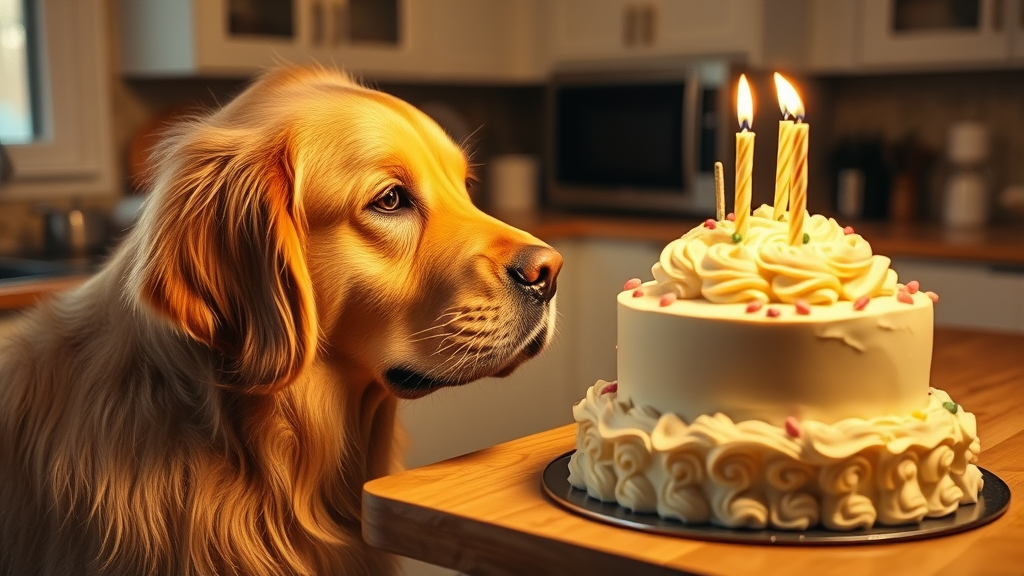
Every dog owner has experienced those pleading puppy dog eyes when enjoying a slice of birthday cake or celebrating a special occasion. Your furry friend’s hopeful gaze might make you wonder whether sharing a bite of your delicious dessert is harmless or potentially dangerous. The question “can dogs eat cake” is more complex than it initially appears, involving multiple ingredients and health considerations that every responsible pet owner should understand.
While the occasional small bite of plain cake might not immediately harm most dogs, the reality is that cake is far from an ideal treat for our canine companions. Most commercial and homemade cakes contain ingredients that can range from mildly problematic to downright toxic for dogs. Understanding these risks, along with safer alternatives and emergency protocols, will help you make informed decisions about your pet’s diet and keep your beloved companion healthy and happy.
Why Cake is Problematic for Dogs
The fundamental issue with dogs consuming cake lies in the dramatic difference between canine and human digestive systems and nutritional needs. Dogs have evolved as carnivores with digestive systems optimized for processing proteins and fats, not the high concentrations of sugar, refined flour, and artificial additives commonly found in cakes. Their bodies lack many of the enzymes necessary to efficiently process these ingredients, leading to digestive upset and potential long-term health complications.
Most commercial cakes contain sugar levels that far exceed what a dog’s system can handle safely. Unlike humans, dogs don’t require dietary sugar for energy, as their bodies efficiently convert proteins and fats into glucose. When dogs consume high-sugar foods like cake, their blood sugar levels can spike dramatically, potentially leading to hyperactivity followed by crashes, and in diabetic dogs, dangerous complications.
Additionally, the high fat content in many cakes, particularly those with rich frostings or butter-heavy recipes, can trigger pancreatitis in sensitive dogs. This painful and potentially life-threatening condition occurs when the pancreas becomes inflamed due to excessive fat intake, requiring immediate veterinary intervention. The American Veterinary Medical Association emphasizes that dietary indiscretion, including high-fat treats, is a leading cause of pancreatitis in dogs.
Toxic Ingredients Commonly Found in Cake
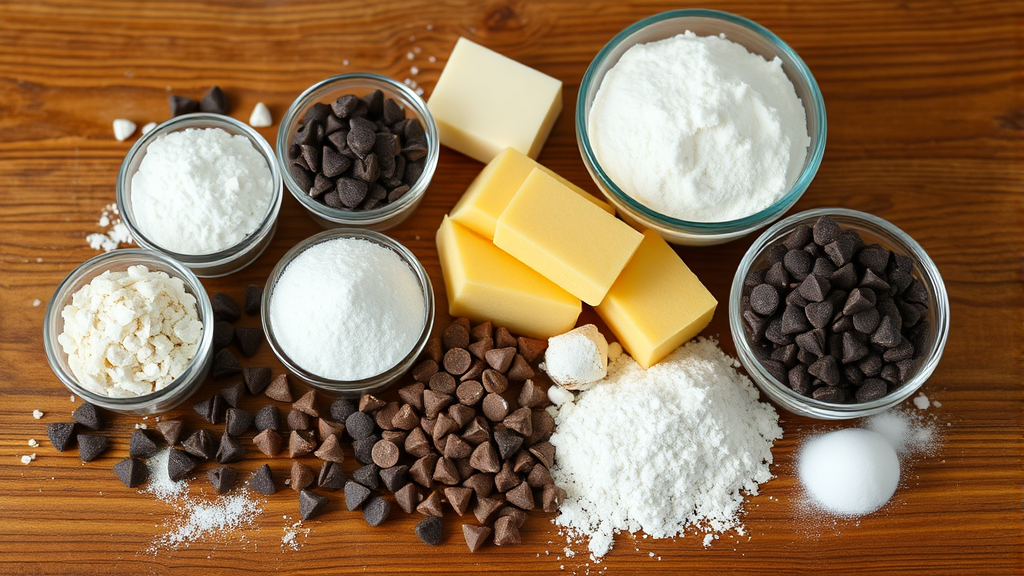
Understanding specific cake ingredients that pose serious health risks to dogs is crucial for every pet owner. Chocolate stands as the most well-known and dangerous ingredient, containing theobromine and caffeine compounds that dogs cannot metabolize effectively. Why can’t dogs have chocolate becomes clearer when you understand that these compounds accumulate in their system, causing symptoms ranging from restlessness and vomiting to seizures and cardiac arrest.
The toxicity level varies significantly between chocolate types, with dark chocolate and baking chocolate containing the highest concentrations of harmful compounds. Even white chocolate, while containing lower levels of theobromine, still poses risks due to its high fat and sugar content. If you suspect your dog has consumed chocolate cake, knowing what to do if dog eats chocolate could be life-saving information.
Xylitol, an artificial sweetener increasingly common in sugar-free cakes and frostings, presents an even more immediate danger than chocolate. This sweetener causes rapid insulin release in dogs, leading to severe hypoglycemia within 10-60 minutes of consumption. According to the FDA’s consumer update on xylitol, even small amounts can be fatal, making sugar-free cakes particularly hazardous.
Raisins and grapes, sometimes found in certain cake varieties, cause kidney failure in dogs through an unknown mechanism. The ASPCA Animal Poison Control Center reports that grape toxicity can occur with any amount, making these ingredients completely off-limits for canine consumption.
Other concerning ingredients include macadamia nuts, which cause weakness and hyperthermia in dogs, and excessive amounts of vanilla extract, which contains alcohol that can depress the central nervous system in small animals. Many cake decorations also contain artificial colors and preservatives that may trigger allergic reactions or digestive sensitivities in sensitive dogs.
Health Risks and Symptoms to Watch For
The immediate health risks from dogs consuming cake can manifest within hours and range from mild gastrointestinal upset to life-threatening emergencies. Digestive symptoms typically appear first, including vomiting, diarrhea, excessive drooling, and abdominal discomfort. These signs indicate that your dog’s system is struggling to process the unfamiliar and potentially harmful ingredients.
More serious symptoms requiring immediate veterinary attention include lethargy, difficulty breathing, irregular heartbeat, seizures, or collapse. These signs often indicate chocolate toxicity, xylitol poisoning, or severe pancreatitis. The Pet Poison Helpline emphasizes that time is critical when dealing with toxic ingestions, as prompt treatment significantly improves outcomes.
Long-term health consequences of regularly feeding dogs cake include obesity, dental disease, diabetes, and chronic pancreatitis. The high calorie density of cake can quickly lead to weight gain, especially in smaller dogs where even small portions represent significant caloric intake. Obesity in dogs contributes to joint problems, respiratory difficulties, and reduced lifespan, making portion control and appropriate treat selection crucial for long-term health.
Dental health also suffers when dogs consume sugary treats like cake. Unlike humans, dogs don’t brush their teeth daily, allowing sugar to feed harmful bacteria in their mouths. This bacterial growth leads to plaque buildup, gingivitis, and eventually periodontal disease, which can cause pain, tooth loss, and even systemic infections when bacteria enter the bloodstream.
Safe Cake Alternatives for Dogs
Fortunately, numerous safe and healthy alternatives allow dogs to participate in celebrations without compromising their health. Dog-specific “pupcakes” made with dog-safe ingredients provide a festive option that satisfies both owner and pet. These typically use ingredients like peanut butter (xylitol-free), pumpkin, sweet potato, or banana as natural sweeteners and flavor enhancers.
Simple homemade dog treats using oat flour, eggs, and a small amount of honey create cake-like textures without harmful additives. Many pet stores now carry specialized dog birthday cakes and celebration treats formulated specifically for canine digestive systems. These commercial options undergo safety testing and contain appropriate nutritional profiles for dogs.
For dogs with specific dietary restrictions, consider alternatives like frozen fruit treats, small pieces of dog-safe vegetables, or even special dog ice cream made from plain yogurt and pureed fruits. Some dogs enjoy sugar snap peas as crunchy, sweet treats that provide nutritional benefits rather than empty calories.
When preparing homemade dog treats, avoid ingredients like chocolate, xylitol, raisins, macadamia nuts, and excessive sugar or fat. Instead, focus on dog-safe ingredients that provide nutritional value while satisfying their desire for something special. The American Kennel Club offers excellent resources for safe homemade dog treat recipes.
What to Do if Your Dog Eats Cake
If your dog consumes cake, immediate assessment and appropriate action can prevent serious complications. First, determine exactly what type of cake and how much your dog consumed, including any frosting, decorations, or filling ingredients. This information will be crucial for veterinary professionals to assess toxicity risk and recommend appropriate treatment.
For small amounts of plain vanilla or yellow cake without chocolate, raisins, or xylitol, monitor your dog closely for digestive upset while withholding food for 12-24 hours to allow their system to process the unfamiliar ingredients. Provide fresh water and watch for vomiting, diarrhea, or changes in behavior.
However, if the cake contains chocolate, xylitol, raisins, or other known toxic ingredients, contact your veterinarian or pet poison control hotline immediately, regardless of the amount consumed. The ASPCA Animal Poison Control Center provides 24/7 consultation services and can guide you through emergency protocols based on your dog’s size, the ingredients consumed, and timing of ingestion.
Never attempt to induce vomiting unless specifically instructed by a veterinary professional, as some substances can cause additional damage when brought back up. Similarly, avoid giving over-the-counter medications or home remedies, as these may interact dangerously with the ingested substances or mask important symptoms veterinarians need to assess.
Keep detailed records of symptoms, timing, and your dog’s behavior to provide accurate information to veterinary professionals. Take photos of the cake packaging or ingredients list if available, as this information helps determine appropriate treatment protocols.
Prevention and Training Tips
Preventing cake consumption requires a combination of environmental management, training, and family education. Establish clear household rules about food sharing and ensure all family members understand which human foods are dangerous for dogs. Children especially need education about the risks of sharing their treats with pets, as their well-meaning generosity can have serious consequences.
Train your dog with reliable “leave it” and “drop it” commands, which prove invaluable in preventing consumption of dropped or accessible food items. Practice these commands regularly with various objects and food items, rewarding compliance with high-value dog-safe treats. The Humane Society provides excellent guidance on training dogs to avoid inappropriate food items.
During parties and celebrations, consider confining your dog to a safe area away from food tables and guest areas where cake might be accessible. Alternatively, provide them with a special dog-safe treat during these times so they don’t feel excluded from the celebration. This proactive approach prevents opportunistic consumption while maintaining your dog’s inclusion in family activities.
Be particularly cautious with holiday and seasonal treats, as items like pumpkin pie and gingerbread often contain spices and ingredients that can be problematic for dogs. Many seemingly innocent treats may also contain ingredients like marshmallows or whipped cream that add unnecessary calories and potential digestive upset.
Even seemingly safer options like graham crackers should be offered sparingly, if at all, due to their high sugar content and potential for contributing to weight gain and dental problems.
Frequently Asked Questions
Can dogs eat birthday cake in small amounts?
While a tiny piece of plain vanilla cake might not immediately harm most dogs, it’s not recommended due to high sugar content, potential toxic ingredients, and lack of nutritional value. The risks generally outweigh any perceived benefits, and safer alternatives exist for including dogs in celebrations.
What happens if my dog eats chocolate cake?
Chocolate cake consumption requires immediate veterinary attention due to theobromine toxicity. Symptoms can include vomiting, diarrhea, increased heart rate, seizures, and potentially death. Contact your veterinarian or pet poison control immediately, providing details about the amount and type of chocolate consumed.
Are sugar-free cakes safer for dogs?
Sugar-free cakes are often more dangerous than regular cakes because they frequently contain xylitol, an artificial sweetener that’s extremely toxic to dogs. Xylitol causes rapid insulin release and severe hypoglycemia, which can be fatal. Always check ingredient lists and avoid any products containing xylitol.
Can I make homemade dog-safe cake?
Yes, homemade dog cakes using safe ingredients like oat flour, eggs, peanut butter (xylitol-free), pumpkin, or banana can be safe alternatives. Avoid chocolate, xylitol, raisins, excessive sugar, and high-fat ingredients. Many veterinary websites and pet organizations provide tested recipes for dog-safe celebration treats.
How much cake is toxic to dogs?
There’s no safe amount of cake containing toxic ingredients like chocolate, xylitol, or raisins. For plain cake, toxicity depends on the dog’s size, overall health, and specific ingredients. Even small amounts can cause digestive upset, while larger quantities may lead to pancreatitis or other serious complications.
What are the signs of cake poisoning in dogs?
Signs include vomiting, diarrhea, excessive drooling, lethargy, difficulty breathing, irregular heartbeat, seizures, or collapse. Digestive symptoms typically appear first, while neurological or cardiac symptoms indicate more serious toxicity requiring emergency veterinary care.
Should I induce vomiting if my dog eats cake?
Never induce vomiting unless specifically instructed by a veterinary professional. Some substances can cause additional damage when brought back up, and the timing of ingestion affects whether vomiting is beneficial. Always consult with a veterinarian or pet poison control hotline before taking action.





