
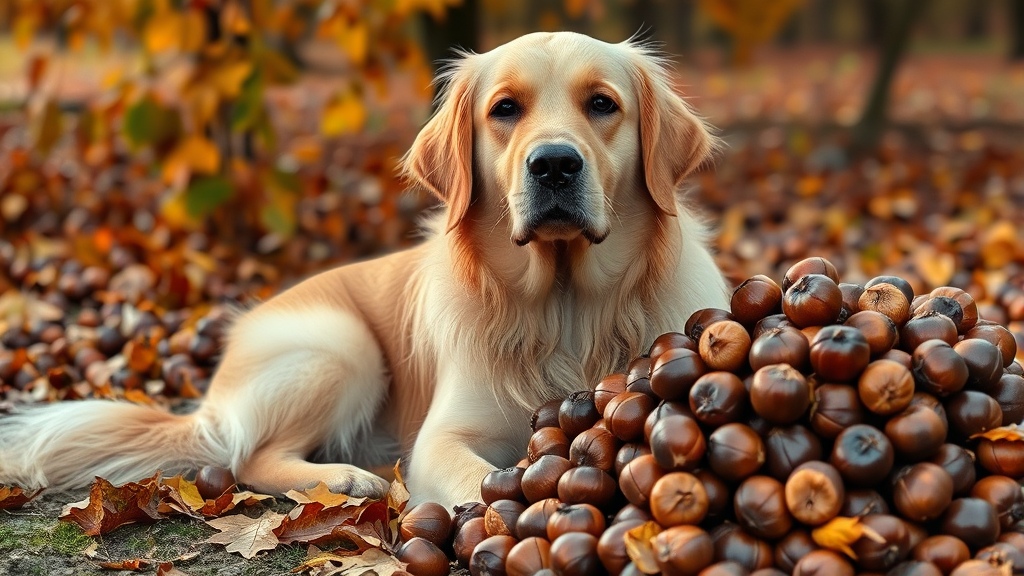
As autumn arrives and chestnuts begin falling from trees, many dog owners find themselves wondering whether these glossy brown nuts are safe for their furry companions. The question of whether dogs can eat chestnuts is more complex than it might initially appear, with important distinctions between different types of chestnuts and various safety considerations that every responsible pet owner should understand.
While chestnuts have been enjoyed by humans for centuries as a seasonal delicacy, the safety profile for our canine friends requires careful examination. Understanding the difference between edible sweet chestnuts and toxic horse chestnuts, along with proper preparation methods and potential risks, is crucial for keeping your dog safe during chestnut season and beyond.
Types of Chestnuts: Sweet vs. Horse Chestnuts
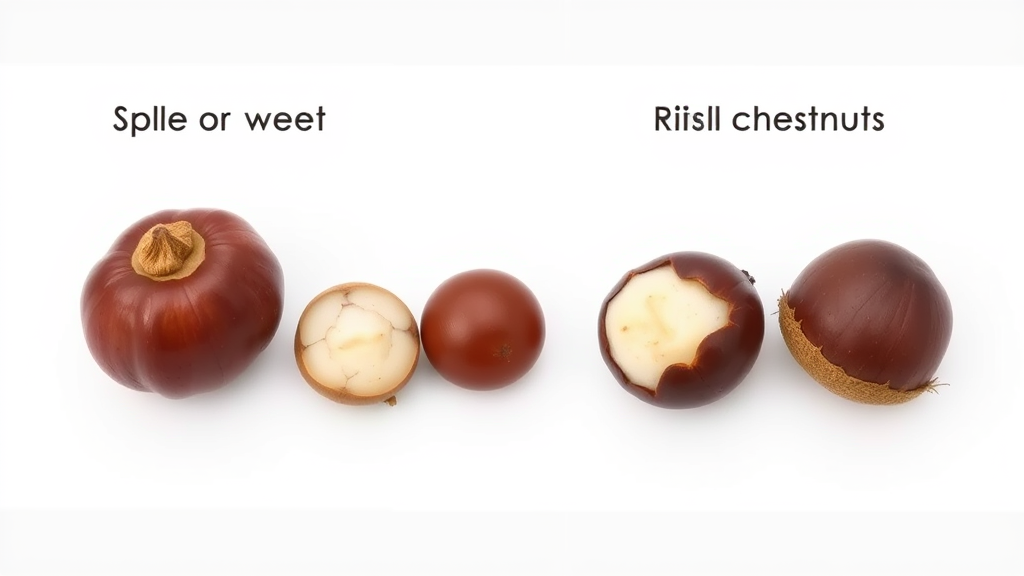
The most critical distinction every dog owner must understand is the difference between sweet chestnuts (Castanea species) and horse chestnuts (Aesculus hippocastanum). This difference can literally be a matter of life and death for your canine companion.
Sweet chestnuts, also known as edible chestnuts, are the brown nuts that humans commonly roast and consume during fall festivities. These nuts come from trees in the Castanea genus and are generally considered safe for dogs when properly prepared. Sweet chestnuts have a distinctive appearance with a glossy brown shell and a pointed tip, often featuring a lighter-colored patch where they were attached to the tree.
Horse chestnuts, on the other hand, are extremely toxic to dogs and should never be consumed. These nuts come from the horse chestnut tree (Aesculus hippocastanum) and contain compounds called saponins, particularly aesculin, which can cause severe poisoning in dogs. Horse chestnuts are typically larger than sweet chestnuts, have a duller appearance, and are often found in spiky green cases.
According to the ASPCA Animal Poison Control Center, horse chestnuts can cause vomiting, diarrhea, difficulty walking, and even more severe neurological symptoms in dogs. The visual differences between these two types of chestnuts are crucial for identification, as misidentification could lead to serious health consequences.
Sweet Chestnuts and Dog Safety
When it comes to sweet chestnuts, the answer to whether dogs can eat them is cautiously positive, but with important caveats. Sweet chestnuts are not toxic to dogs in the same way that some other nuts can be, but they should only be offered as an occasional treat and with proper preparation.
The American Kennel Club notes that while some nuts can be problematic for dogs, sweet chestnuts fall into a different category than many other nuts that pose choking hazards or contain toxic compounds. However, this doesn’t mean they should be given freely without consideration.
Raw sweet chestnuts should never be given to dogs. The raw nuts are extremely hard and pose a significant choking hazard, especially for smaller dogs. Additionally, raw chestnuts are difficult to digest and can cause gastrointestinal upset. Only properly cooked, peeled, and cooled sweet chestnuts should ever be considered as a treat for dogs.
Even when properly prepared, sweet chestnuts should only be given in very small quantities. Just like when considering what nuts can dogs eat, moderation is key. A small piece of cooked chestnut might be acceptable for a large dog, while tiny dogs should receive even smaller portions or avoid chestnuts altogether.
Nutritional Content of Chestnuts for Dogs
Understanding the nutritional profile of sweet chestnuts helps explain both their potential benefits and drawbacks for canine consumption. Sweet chestnuts are unique among nuts because they are lower in fat and higher in carbohydrates compared to other nuts like almonds or walnuts.
A typical serving of sweet chestnuts contains approximately 60% carbohydrates, making them more similar to starchy vegetables than traditional nuts. They also provide modest amounts of protein, fiber, and various vitamins and minerals including vitamin C, potassium, and manganese. The relatively low fat content means they’re less likely to cause pancreatitis compared to higher-fat nuts.
However, the high carbohydrate content also means that chestnuts are relatively high in calories. For dogs, especially those prone to weight gain or diabetes, even small amounts of chestnuts could contribute unnecessary calories to their diet. The American Veterinary Medical Association emphasizes that treats should never make up more than 10% of a dog’s daily caloric intake.
The fiber content in chestnuts, while beneficial in small amounts, can cause digestive upset if too much is consumed. Dogs have different digestive systems than humans and may not process high-fiber foods as effectively, potentially leading to gas, bloating, or diarrhea.
Safe Preparation Guidelines
If you decide to offer your dog a small taste of sweet chestnut, proper preparation is absolutely essential. Never give your dog raw chestnuts, chestnuts in their shells, or chestnuts that have been seasoned or prepared with additives harmful to dogs.
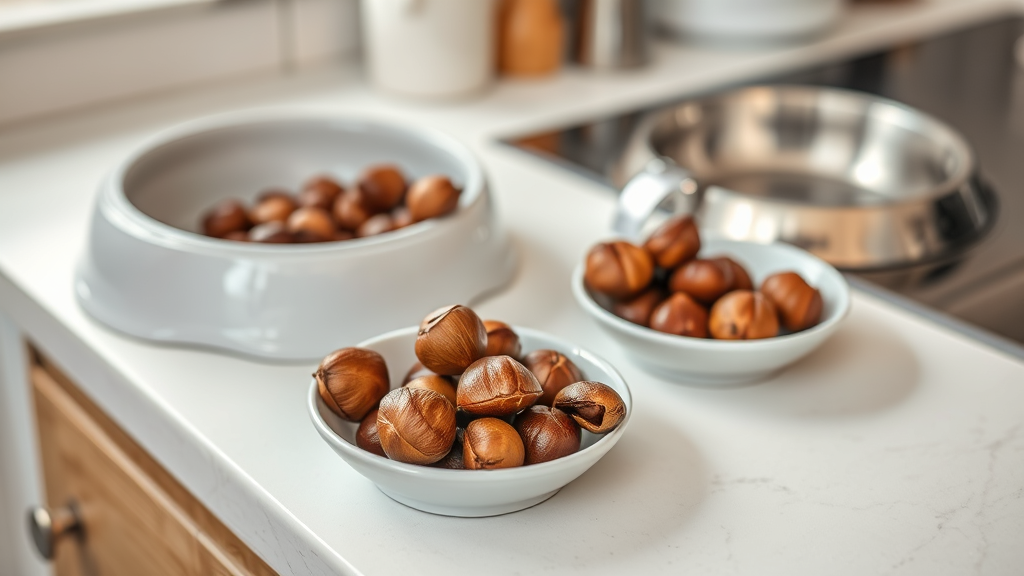
The safest preparation method involves thoroughly cooking the chestnuts until they are soft, then completely removing all shell pieces and the inner skin. Boiling or roasting are the preferred cooking methods, but avoid adding any salt, butter, oils, or seasonings that could be harmful to your dog. After cooking, allow the chestnuts to cool completely before offering a small piece to your pet.
When preparing chestnuts, be extremely careful to remove all shell fragments, as these can pose serious choking hazards or cause internal injuries if swallowed. The inner brown skin should also be completely removed, as it can be difficult to digest and may cause stomach irritation.
Similar to considerations when determining if dogs can eat pumpkin seeds, portion size is crucial. Start with a tiny piece no larger than your dog’s regular treat size, and monitor for any adverse reactions before considering offering chestnuts again in the future.
Potential Risks and Hazards
Even when dealing with properly prepared sweet chestnuts, several risks remain that dog owners must carefully consider. The most immediate concern is choking, particularly for smaller dogs or dogs that tend to gulp their food quickly. The size and texture of chestnuts, even when cooked, can still pose a choking risk.
Gastrointestinal upset is another common concern. Dogs with sensitive stomachs may experience vomiting, diarrhea, or abdominal discomfort after consuming even small amounts of chestnuts. This risk is particularly high for dogs that aren’t accustomed to receiving human food or have a history of food sensitivities.
Allergic reactions, while rare, are possible. Some dogs may be allergic to chestnuts, and symptoms could range from mild itching to more severe reactions requiring veterinary attention. Always introduce any new food gradually and in very small amounts to monitor for allergic responses.
The caloric content of chestnuts also poses a risk for overweight dogs or those prone to weight gain. Unlike when considering lower-calorie options such as whether dogs can eat sesame seeds, chestnuts are relatively high in calories and should be factored into your dog’s overall daily caloric intake.
Perhaps most importantly, there’s always the risk of misidentification. If you’re harvesting chestnuts yourself or are unsure of the source, the possibility of accidentally giving your dog toxic horse chestnuts is extremely dangerous. When in doubt, it’s always safer to avoid giving any chestnuts to your dog.
Alternative Safe Treats for Dogs
Given the various risks associated with chestnuts, many veterinarians recommend focusing on safer, more appropriate treats for dogs. There are numerous alternatives that provide similar satisfaction without the potential hazards.
Commercial dog treats specifically formulated for canine nutrition are always the safest option. These treats are designed with dogs’ dietary needs in mind and undergo safety testing. Look for treats made with high-quality ingredients and appropriate for your dog’s size and age.
If you prefer offering natural treats, consider dog-safe fruits and vegetables like small pieces of apple (without seeds), carrots, or green beans. These options provide crunch and flavor while being much safer and more nutritionally appropriate for dogs.
For dogs that enjoy nuts, it’s worth exploring whether dogs can have cashews or other nut alternatives, though most veterinarians recommend avoiding nuts altogether due to various risks including high fat content and potential toxicity.
Frozen treats made from dog-safe ingredients can also provide seasonal satisfaction. Consider freezing small portions of plain yogurt, pureed pumpkin, or even just water in ice cube trays for a refreshing treat that poses minimal risk.
Emergency Signs and What to Do
Despite all precautions, accidents can happen. If your dog consumes chestnuts, particularly if you suspect they may have eaten horse chestnuts or a large quantity of any chestnuts, it’s important to know the warning signs that require immediate veterinary attention.
Immediate signs of chestnut toxicity or choking include difficulty breathing, excessive drooling, pawing at the mouth, gagging, or obvious distress. If you observe any of these symptoms, contact your veterinarian or emergency animal hospital immediately.
Gastrointestinal symptoms such as vomiting, diarrhea, loss of appetite, or lethargy may develop within hours of consumption. While these symptoms might seem less urgent, they still warrant veterinary consultation, especially if they persist or worsen.
In cases of suspected horse chestnut poisoning, symptoms can be more severe and may include difficulty walking, muscle tremors, or neurological signs. The Pet Poison Helpline provides 24/7 assistance and should be contacted immediately if you suspect your dog has consumed toxic chestnuts.
When contacting your veterinarian, be prepared to provide information about what type of chestnuts were consumed, how much, when the consumption occurred, and your dog’s current symptoms. If possible, bring a sample of what your dog ate to help with identification and treatment planning.
Frequently Asked Questions
Can dogs eat roasted chestnuts from street vendors?
No, dogs should not eat roasted chestnuts from street vendors. These chestnuts are often prepared with salt, oil, and other seasonings that can be harmful to dogs. Additionally, you cannot be certain of the preparation methods or whether they are sweet chestnuts versus potentially toxic horse chestnuts. If you want to offer your dog chestnuts, prepare them yourself using safe methods.
What should I do if my dog ate a whole raw chestnut?
If your dog ate a whole raw chestnut, monitor them closely for signs of choking or distress. Raw chestnuts are very hard and can pose a choking hazard or cause intestinal blockage. Contact your veterinarian immediately if you notice any difficulty breathing, gagging, vomiting, or if your dog seems unable to defecate. Even if no immediate symptoms appear, it’s wise to consult with your vet about the situation.
Are chestnuts better than other nuts for dogs?
While sweet chestnuts are generally less toxic than some other nuts, they are not necessarily “better” for dogs. Most veterinarians recommend avoiding all nuts for dogs due to various risks including choking hazards, high fat content, and potential toxicity. Similar to concerns about whether dogs can eat pecans, chestnuts should be considered an occasional treat at most, not a regular part of your dog’s diet.
How can I tell the difference between sweet chestnuts and horse chestnuts?
Sweet chestnuts are smaller, have a glossy brown appearance with a pointed tip, and typically have a light-colored patch. They come from spiky cases with many thin spines. Horse chestnuts are larger, have a duller brown appearance, and come from cases with fewer, thicker spikes. Horse chestnuts also have a distinctive white or cream-colored patch. When in doubt, don’t risk it – avoid giving any chestnuts to your dog unless you are absolutely certain of their identity.
Can puppies eat chestnuts?
Puppies should not be given chestnuts. Puppies have more sensitive digestive systems than adult dogs and are at higher risk for choking due to their size and tendency to gulp food quickly. Additionally, puppies are in critical development stages and should stick to nutritionally complete puppy food and veterinarian-approved treats specifically designed for their age group.
What are the signs of chestnut poisoning in dogs?
Signs of chestnut poisoning, particularly from toxic horse chestnuts, can include vomiting, diarrhea, excessive drooling, difficulty walking, muscle tremors, lethargy, and in severe cases, neurological symptoms such as seizures. Even with sweet chestnuts, dogs may experience gastrointestinal upset including nausea, vomiting, and diarrhea. Any concerning symptoms after chestnut consumption warrant immediate veterinary attention.
Is it safe to give dogs chestnut flour or chestnut-based products?
Chestnut flour and processed chestnut products are not recommended for dogs. These products may contain additives, preservatives, or other ingredients that could be harmful to dogs. Additionally, the concentrated nature of flour means your dog could consume a larger amount of chestnuts than would be safe. Stick to plain, properly prepared sweet chestnuts in very small quantities if you choose to offer them at all, and consider safer alternatives like pumpkin seeds for occasional treats.





