
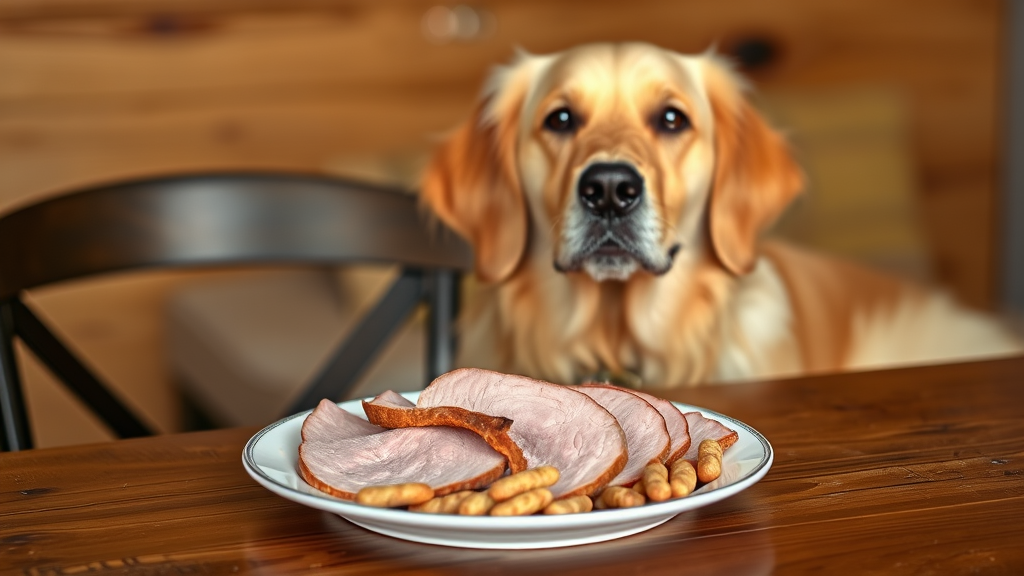
As a devoted dog parent, you’ve likely found yourself in the kitchen preparing a delicious corned beef dinner, only to notice those pleading puppy eyes staring up at you. The question “can dogs eat corned beef” naturally crosses your mind as your furry friend hopes for a taste of your meal. While it’s tempting to share this flavorful meat with your canine companion, the answer isn’t as straightforward as you might think.
Corned beef, a salt-cured beef brisket that’s been a staple in many households for generations, presents several concerns when it comes to canine consumption. Understanding the risks and benefits of feeding corned beef to dogs is crucial for making informed decisions about your pet’s diet and health. This comprehensive guide will explore everything you need to know about dogs and corned beef, from nutritional content to potential health risks.
What Is Corned Beef and How Is It Made?
Corned beef gets its name from the large grains of salt, called “corns,” historically used in the curing process. This traditional preservation method involves soaking beef brisket in a salt brine solution for several days or weeks. The modern corning process typically includes not only salt but also sodium nitrite, sodium nitrate, and various spices like peppercorns, bay leaves, and coriander.
The curing process transforms the meat’s texture and flavor while extending its shelf life. However, this same process that makes corned beef appealing to humans creates several problematic elements for canine consumption. The high sodium content, preservatives, and spices used in commercial corned beef production can pose serious health risks to dogs.
Understanding the manufacturing process helps explain why corned beef differs significantly from plain, unseasoned beef. According to the USDA Food Safety and Inspection Service, corned beef contains significantly higher levels of sodium and nitrates compared to fresh beef, making it unsuitable for regular canine consumption.
Nutritional Breakdown of Corned Beef
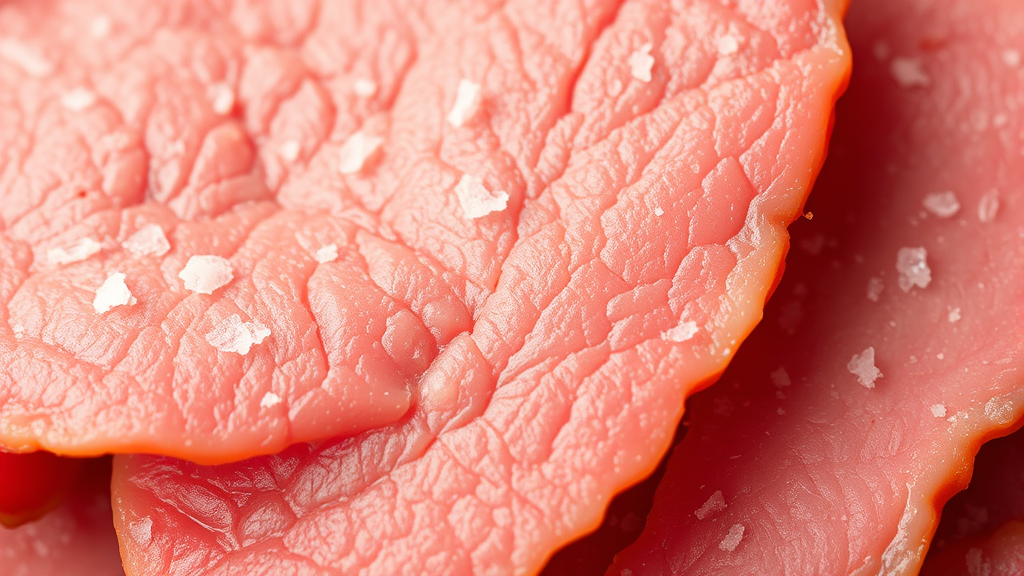
A typical 3-ounce serving of corned beef contains approximately 210 calories, 16 grams of fat, and a staggering 964 milligrams of sodium. To put this in perspective, dogs should consume no more than 100 milligrams of sodium per day for every 100 calories in their diet. This means a small serving of corned beef can easily exceed a dog’s entire daily sodium allowance.
While corned beef does provide protein, iron, and vitamin B12, these nutritional benefits are overshadowed by the excessive sodium content and potentially harmful preservatives. The protein quality in corned beef is also compromised due to the curing process, making it less bioavailable than fresh meat sources.
Commercial dog foods are specifically formulated to meet canine nutritional needs without the excessive sodium and preservatives found in human foods like corned beef. The Association of American Feed Control Officials (AAFCO) provides guidelines for pet food nutrition that emphasize balanced, species-appropriate ingredients.
Health Risks of Corned Beef for Dogs
Feeding corned beef to dogs can lead to several serious health complications. The most immediate concern is sodium poisoning, which can cause symptoms including excessive thirst, urination, vomiting, diarrhea, and in severe cases, seizures or coma. Dogs with existing heart or kidney conditions are particularly vulnerable to these effects.
The preservatives used in corned beef, particularly sodium nitrite and sodium nitrate, can be toxic to dogs in large quantities. These chemicals can interfere with the blood’s ability to carry oxygen, leading to a condition called methemoglobinemia. Additionally, the high fat content can trigger pancreatitis, a painful and potentially life-threatening inflammation of the pancreas.
Long-term consumption of high-sodium foods like corned beef can contribute to hypertension, kidney disease, and heart problems in dogs. Unlike processed meats such as bacon or beef jerky, which also pose similar risks, corned beef’s specific curing process makes it particularly problematic for canine health.
The Sodium Problem: Why Salt Is Dangerous for Dogs
Dogs have a much lower tolerance for sodium than humans, making foods like corned beef potentially dangerous even in small amounts. The canine kidney system isn’t designed to process the excessive salt levels found in cured meats. When dogs consume too much sodium, their bodies struggle to maintain proper fluid balance, leading to dehydration and electrolyte imbalances.
Acute salt poisoning can occur when dogs consume large amounts of sodium-rich foods. Symptoms typically appear within hours and can include excessive drooling, vomiting, diarrhea, difficulty walking, and tremors. In severe cases, dogs may experience seizures, coma, or even death without immediate veterinary intervention.
The American Veterinary Medical Association emphasizes the importance of maintaining appropriate sodium levels in canine diets. Even dogs without pre-existing health conditions can develop problems from consuming high-sodium foods like corned beef regularly.

Safe Beef Alternatives for Your Dog
If you want to share beef with your dog, there are much safer alternatives to corned beef. Plain, cooked beef without seasonings, salt, or additives provides protein and nutrients without the health risks. Ground beef that’s thoroughly cooked and drained of excess fat makes an excellent occasional treat when prepared properly.
When preparing beef for your dog, always cook it thoroughly to eliminate harmful bacteria, and avoid adding any seasonings, oils, or salt. Lean cuts like sirloin or round steak work well when cut into small, manageable pieces. Remember that even safe beef should only constitute a small portion of your dog’s overall diet.
Commercial dog treats made from beef provide a safer alternative that’s specifically formulated for canine consumption. These products undergo safety testing and contain appropriate nutrient levels for dogs. Unlike processed options such as salami or bologna, these treats are designed with canine health in mind.
What to Do If Your Dog Eats Corned Beef
If your dog accidentally consumes corned beef, don’t panic, but do monitor them closely for signs of distress. The severity of the situation depends on the amount consumed, your dog’s size, and their overall health status. Small dogs and those with existing health conditions are at higher risk for complications.
Immediately provide fresh water to help dilute the sodium and encourage normal kidney function. Watch for symptoms of salt poisoning, including excessive thirst, frequent urination, vomiting, diarrhea, lethargy, or difficulty walking. If any of these symptoms appear, contact your veterinarian immediately.
For large amounts of corned beef consumption or if your dog shows any concerning symptoms, seek emergency veterinary care without delay. The ASPCA Animal Poison Control Center provides 24/7 assistance for pet poisoning emergencies and can offer guidance specific to your situation.
Healthy Homemade Treats for Dogs
Instead of sharing your corned beef dinner, consider preparing healthy homemade treats that your dog will love just as much. Simple recipes using dog-safe ingredients provide better nutrition and eliminate the health risks associated with processed meats.
Try making treats with plain ground beef, sweet potato, and oats. Cook the beef thoroughly, drain excess fat, and mix with mashed sweet potato and oat flour to create nutritious training treats. These homemade options allow you to control ingredients and avoid harmful additives.
Other healthy protein sources for homemade dog treats include chicken, turkey, and fish. The key is keeping recipes simple, avoiding seasonings, and using dog-safe ingredients. The Humane Society offers several tested recipes for homemade dog treats that prioritize both taste and nutrition.
Frequently Asked Questions
Can dogs eat a small piece of corned beef occasionally?
Even small amounts of corned beef can be problematic for dogs due to the extremely high sodium content and preservatives. A single small piece contains enough salt to exceed many dogs’ daily sodium requirements. It’s best to avoid giving corned beef to dogs entirely, regardless of the amount.
What should I do if my dog ate corned beef and seems fine?
Even if your dog appears normal after eating corned beef, continue monitoring them for 24-48 hours. Symptoms of salt poisoning can take time to develop. Provide plenty of fresh water and watch for signs like excessive thirst, vomiting, or lethargy. Contact your vet if you notice any concerning changes in behavior or appetite.
Are there any dogs that can safely eat corned beef?
No dogs should regularly consume corned beef due to its high sodium content and preservatives. Even healthy adult dogs without medical conditions can experience adverse effects from the excessive salt levels. Puppies, senior dogs, and those with heart or kidney conditions face even greater risks.
Is homemade corned beef safer than store-bought for dogs?
Homemade corned beef still requires large amounts of salt for the curing process, making it unsafe for dogs regardless of whether it’s made at home or purchased commercially. The fundamental issue is the salt content required for the corning process, not the source of the meat.
Can I give my dog the liquid from corned beef?
The cooking liquid from corned beef is extremely high in sodium and should never be given to dogs. This liquid contains concentrated salt and spices that can cause immediate health problems. Always dispose of this liquid safely and keep it away from pets.
What are the first signs of salt poisoning in dogs?
Early signs of salt poisoning include excessive thirst, frequent urination, vomiting, and diarrhea. As the condition progresses, dogs may show signs of weakness, difficulty walking, tremors, or seizures. Any of these symptoms after consuming salty foods requires immediate veterinary attention.
How much corned beef is toxic to dogs?
There’s no safe amount of corned beef for dogs due to its extremely high sodium content. Even small pieces can cause problems, especially in smaller dogs or those with health conditions. The toxic threshold varies based on the dog’s size, health status, and individual sensitivity to sodium.





