
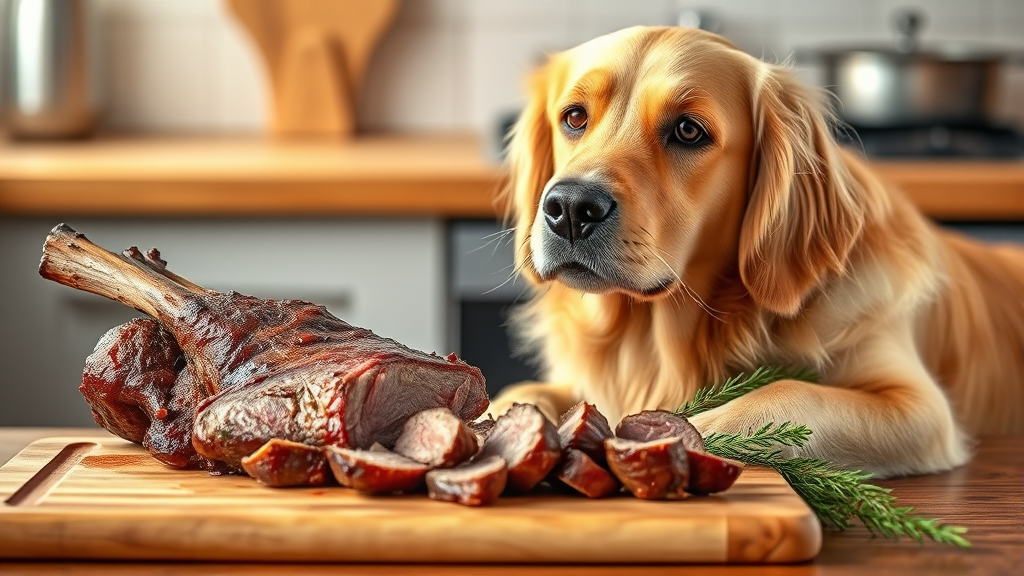
When it comes to feeding our beloved canine companions, many pet owners wonder about the safety and nutritional value of different protein sources. Lamb is one such protein that often raises questions among dog owners seeking to diversify their pet’s diet or find alternatives to more common proteins like chicken and beef.
Lamb can be an excellent protein choice for dogs when prepared and served properly. This tender, flavorful meat offers numerous nutritional benefits and can be particularly valuable for dogs with food sensitivities or allergies to other protein sources. However, like any food addition to your dog’s diet, there are important considerations regarding preparation, portion sizes, and potential risks that every responsible pet owner should understand.
Nutritional Benefits of Lamb for Dogs
Lamb provides exceptional nutritional value for dogs, making it a premium protein source that supports overall health and vitality. This high-quality meat contains all essential amino acids required for proper muscle development, tissue repair, and immune system function. The protein content in lamb typically ranges from 20-25%, making it comparable to other red meats while offering superior digestibility.
One of lamb’s standout features is its rich iron content, which supports healthy red blood cell formation and prevents anemia in dogs. The meat also provides significant amounts of zinc, essential for skin health, wound healing, and immune function. Additionally, lamb contains valuable B-vitamins, particularly B12, which supports nervous system function and energy metabolism.
The fat content in lamb, while higher than some lean proteins, provides essential fatty acids that promote healthy skin and a lustrous coat. These omega-3 and omega-6 fatty acids also support brain development in puppies and cognitive function in adult dogs. According to the American Kennel Club’s nutritional guidelines, these nutrients are crucial for maintaining optimal canine health.
Safety Considerations and Proper Preparation
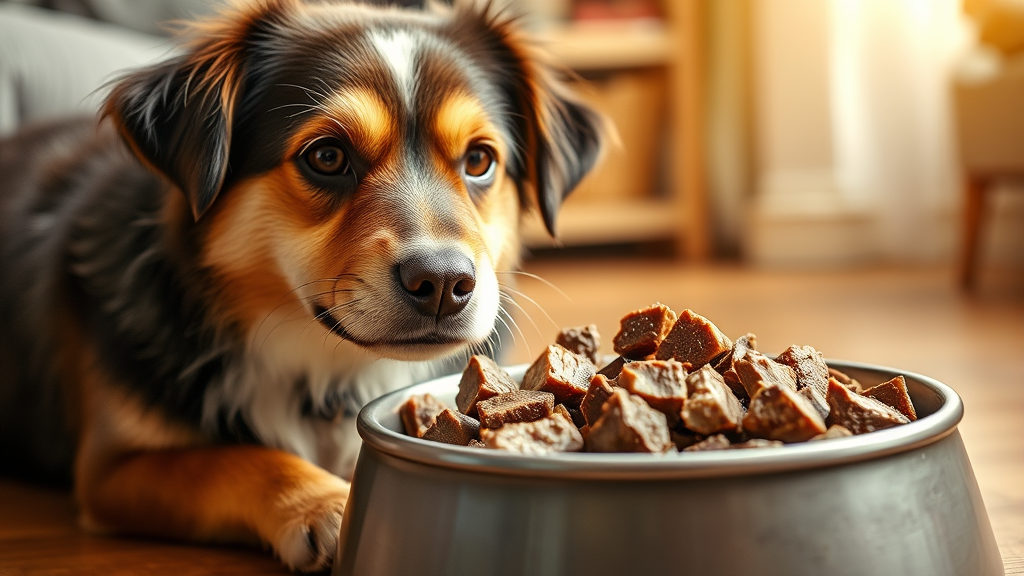
Proper preparation is crucial when serving lamb to dogs. Always cook lamb thoroughly to eliminate potential bacterial contamination such as Salmonella or E. coli. The internal temperature should reach at least 145°F (63°C) for safety. Avoid using seasonings, garlic, onions, or excessive salt, as these can be toxic to dogs.
Remove all bones before serving, as cooked bones can splinter and cause serious internal injuries. While some pet owners consider lamb bones for their dogs, it’s essential to understand the associated risks. Raw bones are generally safer than cooked ones, but supervision is always necessary.
When introducing lamb for the first time, start with small portions to monitor for any allergic reactions or digestive upset. Signs of food intolerance include vomiting, diarrhea, excessive gas, or skin irritation. The American Veterinary Medical Association recommends gradual dietary transitions to prevent gastrointestinal distress.
Serving Guidelines and Portion Control
Portion control is essential when feeding lamb to dogs. As a general rule, treats and additions to your dog’s regular diet should not exceed 10% of their daily caloric intake. For a medium-sized dog (30-50 pounds), this typically translates to 2-4 ounces of cooked lamb per day, depending on their activity level and overall diet.
Puppies and senior dogs may require different portion sizes due to their varying metabolic needs. Puppies need more protein per pound of body weight for growth and development, while senior dogs may benefit from easily digestible proteins like lamb to support aging muscles and organs.
Always cut lamb into appropriate sizes to prevent choking hazards. For small dogs, dice the meat into small pieces, while larger dogs can handle bigger chunks. Consider your dog’s eating habits – some dogs tend to gulp their food and may need smaller pieces regardless of their size.
Lamb vs. Other Protein Sources
When comparing lamb to other common protein sources, each has unique advantages. Unlike ground beef or ground turkey, lamb is considered a novel protein for many dogs, making it an excellent choice for elimination diets or dogs with food sensitivities.
Lamb typically contains more calories and fat than chicken or turkey, making it ideal for active dogs or those needing to gain weight. However, this higher calorie content means portion control becomes even more important for sedentary or overweight dogs. The protein quality in lamb is comparable to beef but often more digestible for sensitive stomachs.
Unlike some raw meat options such as raw ground beef or raw steak, lamb is generally well-tolerated when properly cooked and prepared. The FDA provides guidelines on safe handling of raw meats for pets, emphasizing the importance of proper food safety practices.
Lamb for Dogs with Special Dietary Needs
Dogs with food allergies or sensitivities often benefit significantly from lamb-based diets. Since lamb is less commonly used in commercial dog foods compared to chicken or beef, many dogs haven’t developed sensitivities to this protein source. This makes lamb an excellent choice for hypoallergenic diets and elimination trials.
For dogs with inflammatory conditions such as arthritis, lamb’s anti-inflammatory properties, derived from its omega-3 fatty acid content, may provide additional benefits. However, it’s important to work with a veterinarian when making dietary changes for dogs with medical conditions.
Senior dogs often experience decreased appetite and may find lamb’s rich flavor more appealing than blander proteins. The high biological value of lamb protein helps maintain muscle mass in aging dogs, supporting their overall health and mobility. Research published by the National Center for Biotechnology Information supports the importance of high-quality protein in senior dog nutrition.
Potential Risks and Precautions
While lamb is generally safe for dogs, several risks require attention. The high fat content can trigger pancreatitis in susceptible dogs, particularly those with a history of the condition. Symptoms include vomiting, diarrhea, lethargy, and abdominal pain. If these occur after feeding lamb, discontinue immediately and consult your veterinarian.
Some dogs may experience digestive upset when transitioning to lamb, especially if they have sensitive stomachs. Always introduce new proteins gradually over 7-10 days, mixing increasing amounts with their regular food. This approach, recommended by veterinary nutritionists, helps prevent gastrointestinal distress.
Be cautious about the source and quality of lamb. Choose human-grade meat from reputable suppliers to minimize the risk of contamination. Avoid lamb products with artificial preservatives, excessive sodium, or unknown additives. The Humane Society provides guidance on reading pet food labels and selecting quality ingredients.
Never feed lamb bones to dogs, similar to precautions with chicken bones or pork chop bones. Cooked bones can splinter and cause choking, intestinal blockages, or internal injuries requiring emergency veterinary care.
Commercial Lamb Dog Food Options
Many premium dog food manufacturers offer lamb-based formulas, ranging from dry kibble to wet food and freeze-dried options. These commercial products are formulated to meet complete nutritional requirements established by the Association of American Feed Control Officials (AAFCO).
When selecting commercial lamb dog food, look for products where lamb is the first ingredient, indicating it’s the primary protein source. Avoid foods with excessive fillers, by-products, or artificial additives. Limited ingredient diets featuring lamb can be particularly beneficial for dogs with food sensitivities.
Freeze-dried lamb treats offer a convenient way to incorporate this protein into your dog’s diet without the preparation requirements of fresh meat. These products retain most of the nutritional value while providing a shelf-stable option for training rewards or occasional treats.
Always transition to new commercial foods gradually, following the manufacturer’s feeding guidelines based on your dog’s weight, age, and activity level. Monitor your dog’s response to new foods and adjust portions as needed to maintain optimal body condition.
Frequently Asked Questions
Can puppies eat lamb safely?
Yes, puppies can eat lamb safely when it’s properly cooked and served in appropriate portions. Lamb provides high-quality protein essential for growth and development. However, introduce it gradually and ensure pieces are small enough to prevent choking. Consult your veterinarian about incorporating lamb into your puppy’s diet, especially if they’re under 12 weeks old.
How much lamb can I give my dog daily?
Lamb should not exceed 10% of your dog’s daily caloric intake when used as a treat or supplement. For a 50-pound dog, this typically means 2-4 ounces of cooked lamb per day. Always account for lamb’s calories in your dog’s total daily intake to prevent weight gain and adjust their regular food accordingly.
Is raw lamb safe for dogs?
Raw lamb carries risks of bacterial contamination including Salmonella and E. coli. While some dogs can handle raw diets, it’s generally safer to cook lamb thoroughly. If considering raw feeding, consult with a veterinarian experienced in raw diets and follow strict food safety protocols to minimize health risks.
What are signs of lamb allergy in dogs?
Signs of lamb allergy include vomiting, diarrhea, excessive gas, skin irritation, itching, ear infections, and chronic paw licking. These symptoms typically appear within hours to days of consumption. If you suspect a lamb allergy, discontinue feeding and consult your veterinarian for proper allergy testing and dietary recommendations.
Can dogs with pancreatitis eat lamb?
Dogs with pancreatitis should avoid lamb due to its high fat content, which can trigger painful flare-ups. These dogs require low-fat diets, typically containing less than 10% fat. Always consult your veterinarian before feeding lamb to dogs with pancreatitis or any digestive conditions.
Is lamb better than chicken for dogs?
Lamb and chicken both offer excellent nutrition, but lamb may be better for dogs with chicken allergies since it’s a novel protein. Lamb contains more calories and fat, making it suitable for active dogs, while chicken is leaner and better for weight management. The choice depends on your dog’s individual needs and sensitivities.
How should I prepare lamb for my dog?
Cook lamb thoroughly to an internal temperature of 145°F (63°C) without seasonings, garlic, onions, or excessive salt. Remove all bones and cut into appropriate sizes for your dog. Allow the meat to cool before serving, and store leftovers in the refrigerator for up to three days or freeze for longer storage.





