
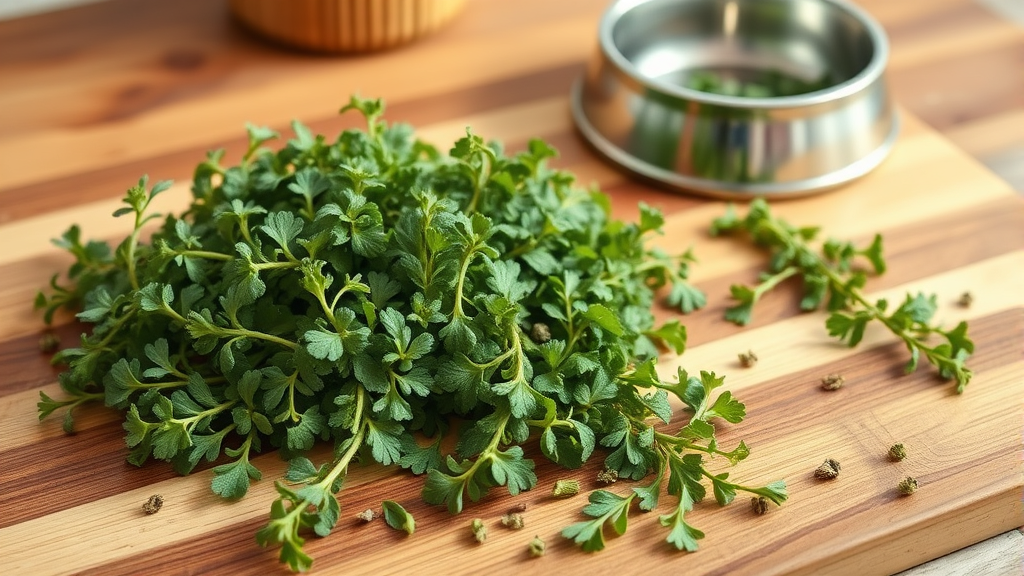
When it comes to sharing our favorite herbs and spices with our furry companions, pet owners often wonder about the safety of common culinary ingredients. Oregano, a beloved herb in Mediterranean cuisine, frequently appears in our kitchens and on our dinner plates. But the question remains: can dogs eat oregano safely?
The answer isn’t as straightforward as a simple yes or no. While oregano can offer some health benefits for dogs when used appropriately, there are important considerations every pet owner should understand before incorporating this herb into their dog’s diet. Understanding the proper dosage, potential risks, and benefits will help you make informed decisions about your pet’s nutrition.
This comprehensive guide will explore everything you need to know about oregano and dogs, from its potential health benefits to safety precautions, helping you navigate this common household herb responsibly.
Understanding Oregano: The Basics
Oregano (Origanum vulgare) is a perennial herb belonging to the mint family, widely recognized for its aromatic properties and culinary applications. This Mediterranean native contains numerous bioactive compounds, including carvacrol, thymol, and rosmarinic acid, which contribute to its distinctive flavor and potential therapeutic properties.
There are several varieties of oregano, with common oregano (Origanum vulgare) being the most frequently used in cooking. Other varieties include Greek oregano, Turkish oregano, and wild oregano, each with slightly different chemical compositions and potency levels. The National Center for Biotechnology Information has documented oregano’s antimicrobial and antioxidant properties extensively.
The herb’s popularity in human cuisine stems from its robust flavor profile and potential health benefits, including antimicrobial, antifungal, and anti-inflammatory properties. These same compounds that make oregano beneficial for humans also contribute to its effects on dogs, though canines metabolize herbs differently than humans do.
When considering can dogs have oregano, it’s essential to understand that dogs have different digestive systems and metabolic processes compared to humans. What’s safe and beneficial for us may not always translate directly to our four-legged friends.

Is Oregano Safe for Dogs? An Overview
The safety of oregano for dogs depends largely on the amount consumed, the form of oregano used, and the individual dog’s health status. In small quantities, fresh oregano is generally considered safe for most healthy dogs. However, concentrated forms like oregano essential oil can be toxic and should be avoided entirely.
According to the ASPCA’s Animal Poison Control Center, oregano is not listed among their toxic plants for dogs, which suggests that small amounts are unlikely to cause harm. However, this doesn’t mean oregano should be given freely without consideration.
The key factors that determine oregano’s safety for dogs include the dog’s size, overall health, existing medications, and the quantity consumed. Large dogs may tolerate small amounts better than tiny breeds, while dogs with existing gastrointestinal issues may be more sensitive to any dietary changes.
Veterinary professionals generally recommend introducing any new food, including herbs like oregano, gradually and in very small amounts. This approach allows you to monitor your dog for any adverse reactions while determining their individual tolerance level.
Potential Health Benefits of Oregano for Dogs
When used appropriately, oregano may offer several health benefits for dogs. The herb’s antimicrobial properties, primarily attributed to compounds like carvacrol and thymol, may help support the immune system and fight off harmful bacteria in the digestive tract.
Oregano’s antioxidant properties can potentially help combat free radicals in your dog’s body, supporting overall cellular health and potentially reducing inflammation. Some pet owners and holistic veterinarians believe that oregano may help with digestive issues, though scientific evidence specific to dogs is limited.
The herb may also provide respiratory support, as its compounds have been traditionally used to address respiratory concerns in herbal medicine. However, it’s crucial to note that while these benefits are promising, more research is needed to fully understand oregano’s effects on canine health.
Some studies suggest that oregano’s antimicrobial properties might be beneficial for dogs with certain bacterial infections, but this should never replace proper veterinary treatment. The American Veterinary Medical Association emphasizes the importance of consulting with veterinarians before using herbs as therapeutic agents for pets.
Risks and Precautions to Consider
Despite potential benefits, oregano consumption carries several risks for dogs that owners must carefully consider. The most significant concern is oregano essential oil, which is highly concentrated and can be toxic to dogs even in small amounts. Essential oils can cause gastrointestinal upset, liver damage, and neurological symptoms.
Even fresh oregano can cause problems if consumed in large quantities. Excessive oregano consumption may lead to stomach upset, diarrhea, vomiting, or more serious gastrointestinal issues. Dogs with sensitive stomachs or existing digestive problems are particularly at risk for adverse reactions.
Pregnant or nursing dogs should avoid oregano, as certain compounds in the herb may affect hormonal balance or milk production. Similarly, dogs taking medications, particularly blood thinners or diabetes medications, may experience interactions with oregano’s active compounds.
Some dogs may be allergic to oregano or other members of the mint family. Signs of allergic reactions can include itching, skin irritation, difficulty breathing, or swelling. If you notice any of these symptoms after your dog consumes oregano, seek veterinary attention immediately.
Just as pet owners wonder about oregano, they often ask about other herbs. Similar considerations apply when determining can dogs eat rosemary or other common kitchen herbs.

How to Safely Give Oregano to Your Dog
If you decide to offer oregano to your dog, proper dosage and preparation are crucial for safety. Start with tiny amounts – literally a pinch of fresh, finely chopped oregano leaves mixed into your dog’s regular food. For a medium-sized dog (30-50 pounds), begin with no more than 1/8 teaspoon of fresh oregano.
Always use fresh oregano rather than dried, as fresh herbs are generally easier for dogs to digest and less concentrated. Avoid any oregano preparations that contain garlic, onion, or other ingredients that are toxic to dogs. Never use oregano essential oil or highly concentrated oregano supplements designed for humans.
Introduce oregano gradually over several days, watching carefully for any signs of digestive upset or adverse reactions. If your dog tolerates the initial small amount well, you may occasionally offer similarly small quantities, but oregano should never become a regular part of their diet.
The frequency of oregano treats should be limited to no more than once or twice per week, and even then, only in the smallest amounts. Remember that dogs don’t require herbs in their diet – their nutritionally complete commercial dog food provides all necessary nutrients.
When exploring what spices are good for dogs, moderation remains the key principle for any seasoning or herb introduction.
Different Forms of Oregano and Their Safety
Understanding the various forms of oregano and their relative safety levels is essential for responsible pet ownership. Fresh oregano leaves are the safest option for dogs, as they contain the lowest concentration of active compounds and are easiest to control in terms of dosage.
Dried oregano is more concentrated than fresh and should be used even more sparingly if at all. The drying process concentrates the herb’s active compounds, making it more potent and potentially more likely to cause digestive upset in sensitive dogs.
Oregano oil and oregano essential oil are extremely concentrated and should never be given to dogs. These products can be toxic even in very small amounts and may cause serious health complications. The Pet Poison Helpline frequently receives calls about essential oil toxicity in pets.
Commercial oregano supplements designed for humans are also inappropriate for dogs, as they often contain dosages far too high for canine consumption and may include other ingredients that are harmful to pets.
Oregano-flavored commercial dog treats are generally safer than giving pure oregano, as manufacturers typically use appropriate amounts and combine them with dog-safe ingredients. However, always check ingredient lists for other potentially harmful additives.
Safe Herb Alternatives for Dogs
If you’re interested in incorporating herbs into your dog’s diet but are concerned about oregano’s risks, several safer alternatives exist. Parsley (in small amounts) can provide fresh breath benefits and contains vitamins, though curly parsley is safer than flat-leaf varieties.
Basil is another herb that many dogs can tolerate well in small quantities. Pet owners often wonder can dogs have basil, and the answer is generally yes, when given appropriately and in moderation.
Cilantro is typically safe for dogs and may provide some digestive benefits. Similarly, small amounts of fresh dill can be safe for most dogs, though some may find its flavor too strong.
Mint can be safe for dogs in small amounts, leading many to question can dogs have mint. However, certain types of mint should be avoided, and even safe varieties should be given sparingly.
When considering any herb for your dog, research from institutions like Cornell University College of Veterinary Medicine emphasizes the importance of consulting with veterinary professionals before making dietary changes.
When to Avoid Oregano Completely
Certain situations require complete avoidance of oregano for dogs. Puppies under six months should not receive any herbs, as their digestive systems are still developing and may be more sensitive to new ingredients.
Dogs with diagnosed gastrointestinal conditions, such as inflammatory bowel disease, pancreatitis, or chronic digestive issues, should avoid oregano entirely. The herb’s compounds may exacerbate existing conditions or interfere with prescribed treatments.
If your dog is pregnant, nursing, or has any chronic health conditions requiring medication, oregano should be avoided unless specifically approved by your veterinarian. Drug interactions are possible, and hormonal changes during pregnancy or nursing can make dogs more sensitive to dietary changes.
Dogs with known allergies to plants in the mint family (Lamiaceae) should never be given oregano, as allergic reactions can range from mild skin irritation to severe anaphylactic responses.
Before exploring what seasonings can dogs have, always consider your individual pet’s health status and consult with professionals when in doubt.
The FDA’s Center for Veterinary Medicine provides guidelines for pet food safety that can help inform decisions about adding any new ingredients to your dog’s diet.
Frequently Asked Questions
Can dogs eat oregano pizza or food with oregano seasoning?
Dogs should not eat pizza or other human foods seasoned with oregano. These foods often contain garlic, onions, excessive salt, and other ingredients that are toxic to dogs. If your dog accidentally consumes a small amount of oregano-seasoned food, monitor them for digestive upset and contact your veterinarian if symptoms develop.
Is oregano oil safe to diffuse around dogs?
Diffusing oregano essential oil around dogs can be dangerous. Dogs have sensitive respiratory systems and can absorb essential oils through their skin and lungs. Even diffused oregano oil can cause respiratory irritation, skin sensitivity, or toxicity. It’s best to avoid diffusing any essential oils in spaces where pets spend time.
How much oregano is toxic to dogs?
There’s no established toxic dose for oregano in dogs, as toxicity depends on factors like the dog’s size, health status, and the form of oregano consumed. However, even small amounts of oregano essential oil can be dangerous, while fresh oregano typically causes problems only in larger quantities. Always err on the side of caution and use minimal amounts.
Can oregano help with my dog’s bad breath?
While oregano has antimicrobial properties that might theoretically help with bad breath, it’s not a recommended treatment for canine halitosis. Bad breath in dogs often indicates dental disease or other health issues that require veterinary attention. Safer alternatives for freshening dog breath include dental chews approved by veterinarians.
What should I do if my dog ate a large amount of oregano?
If your dog consumed a large quantity of oregano, monitor them closely for signs of gastrointestinal upset including vomiting, diarrhea, loss of appetite, or lethargy. Contact your veterinarian immediately if symptoms develop or if you’re concerned about the amount consumed. Keep the oregano packaging to provide information about ingredients if needed.
Are there any commercial dog foods that contain oregano?
Some premium commercial dog foods do include small amounts of oregano or oregano extract as natural preservatives or for potential health benefits. These products have been formulated by pet nutrition experts to include safe amounts. However, always check with your veterinarian before choosing foods with added herbs if your dog has health issues.
Can I give oregano supplements made for pets?
Pet-specific oregano supplements are available, but they should only be used under veterinary guidance. Even products designed for pets can interact with medications or cause problems in dogs with certain health conditions. The same caution that applies to wondering is rosemary safe for dogs applies to all herbal supplements – professional oversight is essential.





