
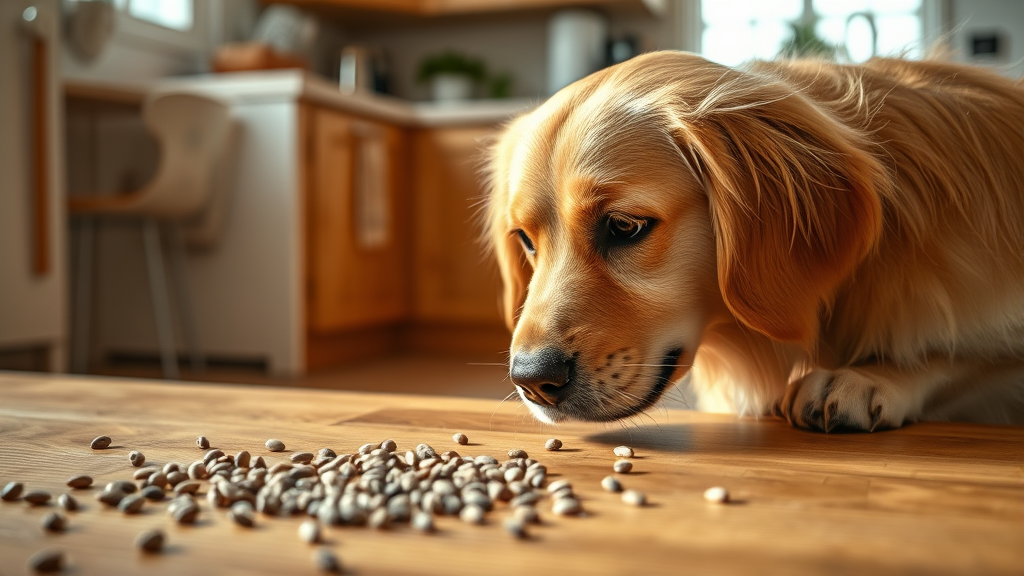
As a responsible pet parent, you’ve likely wondered about the safety of various human foods for your furry companion. One question that frequently arises is whether dogs can safely consume poppy seeds. These tiny, dark seeds are commonly found in baked goods, bagels, and various culinary dishes, making encounters between your dog and poppy seeds almost inevitable.
The short answer is that poppy seeds can be potentially dangerous for dogs, though the level of risk depends on several factors including the amount consumed and your dog’s size. Understanding the complexities surrounding can dogs have poppy seeds is crucial for every pet owner who wants to keep their beloved companion safe and healthy.
What Are Poppy Seeds and Where Do They Come From?
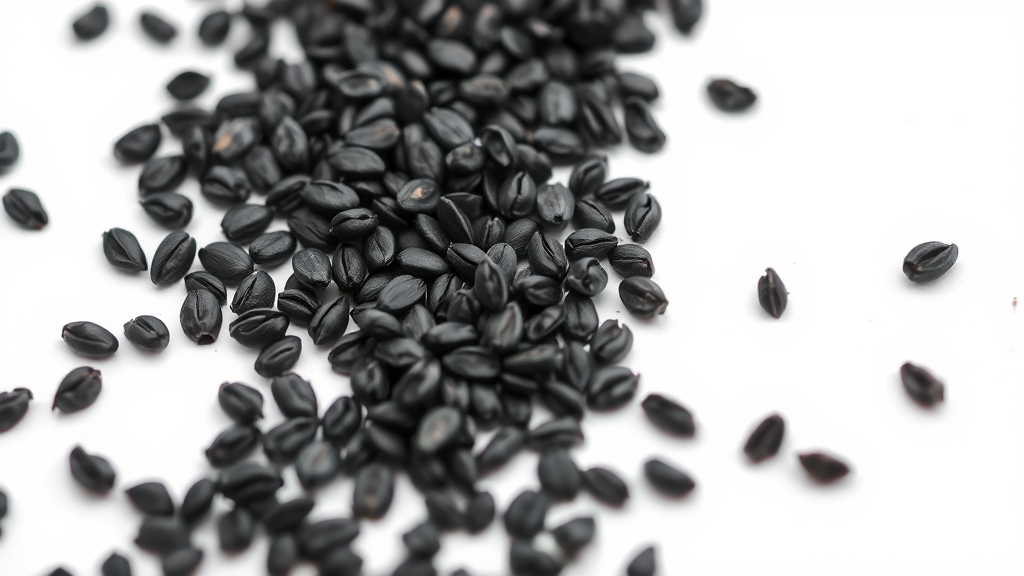
Poppy seeds are harvested from the opium poppy plant (Papaver somniferum), the same plant used to produce opium, morphine, and other opiates. However, it’s important to understand that the seeds themselves contain significantly lower levels of these compounds compared to other parts of the plant. The seeds are primarily found on the outside of the poppy pod and are collected after the plant has matured.
These seeds are incredibly small, measuring only about 1 millimeter in length, and are commonly used in baking and cooking around the world. You’ll find them sprinkled on bagels, mixed into muffin batters, used in salad dressings, and incorporated into various ethnic cuisines. The FDA considers poppy seeds safe for human consumption when used in normal culinary amounts.
Despite their culinary popularity, poppy seeds can contain trace amounts of morphine and codeine alkaloids. The concentration of these substances varies significantly depending on factors such as the variety of poppy plant, growing conditions, harvesting methods, and processing techniques. Some poppy seeds may contain higher levels of opiates than others, making it difficult to predict the exact risk level.
The Toxicity Concerns: Why Poppy Seeds Can Be Dangerous
The primary concern with dogs consuming poppy seeds lies in their potential opiate content. Even though the seeds contain much lower levels of these compounds compared to other parts of the poppy plant, dogs are generally more sensitive to opiates than humans. The ASPCA Animal Poison Control Center recognizes opiates as potentially toxic to pets.
When dogs consume poppy seeds, the trace amounts of morphine and codeine can affect their central nervous system. The severity of the reaction depends on several factors including the dog’s size, the amount of seeds consumed, the concentration of opiates in the particular seeds, and the individual dog’s sensitivity. Smaller dogs are at higher risk because even tiny amounts of opiates can have more pronounced effects on their smaller body mass.
Another concern is that many foods containing poppy seeds also include other ingredients that may be harmful to dogs. Bagels and muffins often contain high amounts of sugar, salt, and sometimes artificial sweeteners like xylitol, which is extremely toxic to dogs. Additionally, these baked goods may contain other ingredients that could cause digestive upset or allergic reactions.
It’s worth noting that the opiate content in poppy seeds can vary dramatically. Some batches may contain virtually undetectable levels, while others might have concentrations high enough to cause noticeable effects. This variability makes it impossible to determine a “safe” amount of poppy seeds for dogs, leading most veterinarians to recommend complete avoidance.
Symptoms to Watch For After Poppy Seed Consumption
If your dog has consumed poppy seeds, it’s crucial to monitor them closely for signs of opiate toxicity. The symptoms can range from mild to severe, depending on the factors mentioned earlier. Early recognition of these symptoms can be vital for your dog’s health and recovery.
Mild symptoms may include lethargy, drowsiness, and decreased activity levels. Your dog might seem unusually tired or reluctant to engage in normal activities like playing or walking. Some dogs may also experience mild digestive upset, including nausea or changes in appetite. These symptoms typically appear within a few hours of consumption.
More concerning symptoms include difficulty breathing, slowed heart rate, and coordination problems. You might notice your dog walking unsteadily, stumbling, or having trouble maintaining balance. Respiratory depression is particularly serious, as it can lead to inadequate oxygen supply to vital organs. Research shows that opiates can significantly affect respiratory function in animals.
Severe symptoms require immediate veterinary attention and may include loss of consciousness, coma-like states, or complete collapse. In extreme cases, untreated opiate toxicity can be life-threatening. The progression from mild to severe symptoms can occur rapidly, which is why prompt action is essential.
It’s important to note that symptoms may not appear immediately after consumption. Depending on various factors, including whether the seeds were consumed with food, symptoms might be delayed by several hours. This delayed onset can make it challenging to connect the symptoms with poppy seed consumption, emphasizing the importance of keeping track of what your dog has eaten.
Immediate Actions to Take If Your Dog Eats Poppy Seeds
If you discover that your dog has consumed poppy seeds, time is of the essence. The first step is to remain calm and assess the situation objectively. Try to determine how much your dog consumed, what type of food contained the poppy seeds, and when the consumption occurred. This information will be valuable for your veterinarian.
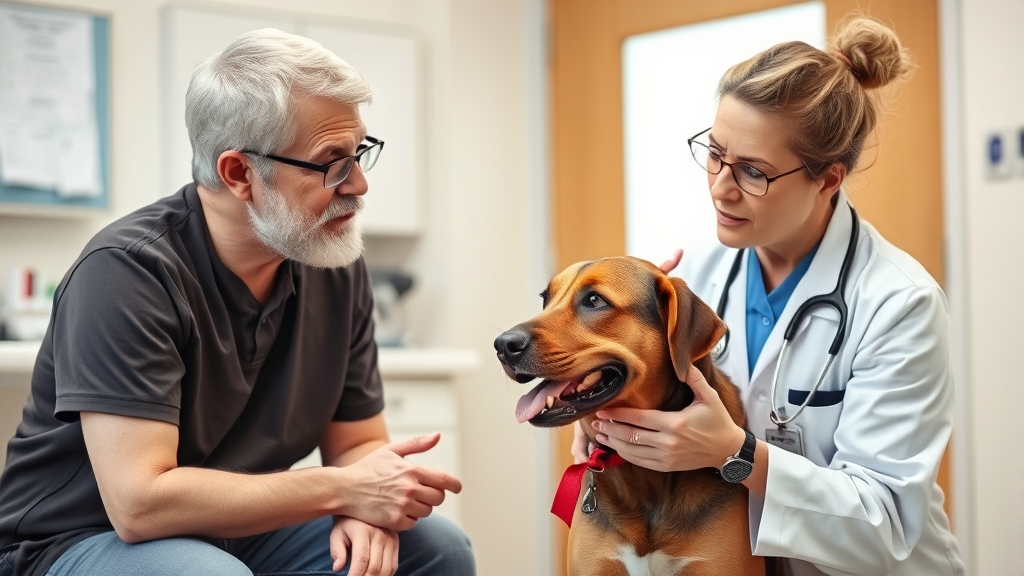
Contact your veterinarian or an emergency animal clinic immediately, even if your dog isn’t showing symptoms yet. Many veterinary practices have 24-hour emergency lines, and the ASPCA Animal Poison Control Center provides round-the-clock consultation services. Provide them with all relevant details about the incident, including your dog’s weight, the estimated amount of poppy seeds consumed, and any symptoms you’ve observed.
Do not attempt to induce vomiting unless specifically instructed by a veterinary professional. While inducing vomiting might seem logical, it can sometimes cause additional complications, especially if your dog is already showing neurological symptoms. Only trained professionals should make this decision based on the specific circumstances.
If advised by your veterinarian, you may need to bring your dog in for immediate examination and treatment. Transport your dog safely, keeping them calm and comfortable during the journey. If possible, bring a sample of the food that contained the poppy seeds, as this can help the veterinary team assess the potential risk level.
Monitor your dog continuously while waiting for professional guidance or during transport to the veterinary clinic. Note any changes in behavior, breathing patterns, or physical coordination. This ongoing assessment can provide valuable information for the treating veterinarian and help guide treatment decisions.
Prevention Strategies for Pet Parents
The most effective approach to protecting your dog from poppy seed toxicity is prevention. This starts with being mindful of foods containing poppy seeds and keeping them out of your dog’s reach. Store bagels, muffins, and other poppy seed-containing foods in secure containers or areas where your dog cannot access them.
Educate all family members about the potential dangers of poppy seeds for dogs. Children, in particular, should understand that sharing human food with pets isn’t always safe, even when done with good intentions. Consider creating a household rule that only designated family members can give treats to the dog, and only approved pet-safe options.
When hosting guests or attending social gatherings, be extra vigilant about food items that might be accessible to your dog. Inform guests about your pet’s dietary restrictions and ask them to be mindful of dropping food or leaving plates unattended. Many accidental poisonings occur during parties or gatherings when normal household routines are disrupted.
Consider exploring safe seed alternatives that can provide nutritional benefits without the associated risks. Unlike poppy seeds, can dogs eat chia seeds in moderation, and many dogs can safely enjoy certain other seeds when prepared properly. Learning about these alternatives can help you make informed decisions about your dog’s diet.
Develop a habit of reading ingredient labels carefully before giving your dog any human food. Many processed foods contain poppy seeds as a minor ingredient that might not be immediately obvious. This practice becomes especially important when considering treats or sharing small amounts of human food with your pet.
Safe Seed Alternatives for Dogs
While poppy seeds pose potential risks, several other seeds can be safely incorporated into your dog’s diet when prepared and portioned appropriately. Understanding these alternatives allows you to provide variety and nutritional benefits without compromising your pet’s safety.
Pumpkin seeds are among the safest options for dogs and offer numerous health benefits. Can dogs eat pumpkin seeds is a question with a positive answer, as these seeds provide healthy fats, fiber, and various vitamins and minerals. They should be plain, unsalted, and given in moderation to avoid digestive upset.
Sunflower seeds can also be safe for dogs when prepared properly. Remove the shells completely, as they can cause digestive blockages, and ensure the seeds are unsalted and unflavored. These seeds provide vitamin E and healthy fats but should be given sparingly due to their high caloric content.
Chia seeds represent another safe alternative that many dogs can enjoy. Can dogs have chia seeds safely when introduced gradually and in appropriate portions. These tiny seeds are packed with omega-3 fatty acids, fiber, and protein, making them a nutritious addition to your dog’s diet.
Sesame seeds can be safe for most dogs in small quantities. The question of can dogs eat sesame seeds generally has a positive answer, though some dogs may have difficulty digesting them. Always introduce new foods gradually and monitor for any adverse reactions.
When introducing any new seed to your dog’s diet, start with very small amounts and observe for any signs of digestive upset or allergic reactions. Even safe seeds should be given as occasional treats rather than regular dietary staples, and they should never replace a balanced, nutritionally complete dog food.
When to Contact Your Veterinarian
Knowing when to seek professional veterinary care is crucial for every pet parent. In the case of poppy seed consumption, it’s generally better to err on the side of caution and contact your veterinarian promptly, even if your dog appears normal initially.
Immediate veterinary contact is essential if your dog shows any symptoms of neurological distress, including difficulty walking, excessive drowsiness, or changes in breathing patterns. These symptoms can escalate quickly, and early intervention often leads to better outcomes. The American Veterinary Medical Association emphasizes the importance of quick action in potential poisoning cases.
You should also contact your veterinarian if you’re unsure about the amount of poppy seeds consumed or if your dog ate a large quantity relative to their body size. Small dogs are at higher risk, but even large dogs can be affected by significant amounts. Your veterinarian can help assess the risk level and determine whether immediate treatment is necessary.
Don’t wait for symptoms to appear before seeking guidance. Many toxic reactions have a delayed onset, and by the time symptoms become apparent, the situation may be more serious. Professional consultation can help you understand what to watch for and whether preventive measures should be taken.
If your regular veterinarian isn’t available, don’t hesitate to contact an emergency veterinary clinic or poison control hotline. The Pet Poison Helpline provides 24/7 consultation services and can offer immediate guidance while you arrange for veterinary care.
Keep your veterinarian’s contact information, along with emergency clinic details, easily accessible. In stressful situations, having this information readily available can save valuable time and ensure your dog receives prompt care when needed.
Frequently Asked Questions
How many poppy seeds are dangerous for dogs?
There’s no established “safe” amount of poppy seeds for dogs because the opiate content varies significantly between different batches and sources. Even small amounts can potentially affect sensitive dogs, particularly smaller breeds. The safest approach is to avoid giving poppy seeds to dogs entirely. If accidental consumption occurs, contact your veterinarian regardless of the amount consumed.
What should I do if my dog ate a poppy seed bagel?
Contact your veterinarian immediately, even if your dog appears normal. Provide details about your dog’s size, the amount consumed, and the time of consumption. Monitor your dog closely for symptoms like lethargy, difficulty breathing, or coordination problems. Don’t induce vomiting unless specifically instructed by a veterinary professional, as this can sometimes cause additional complications.
Are poppy seeds more dangerous for small dogs than large dogs?
Yes, small dogs are generally at higher risk because even tiny amounts of opiates can have more pronounced effects on their smaller body mass. However, large dogs can also be affected if they consume significant quantities. The individual dog’s sensitivity, overall health, and the specific opiate content of the consumed poppy seeds all play roles in determining the risk level.
Can poppy seeds cause a positive drug test in dogs?
While not commonly tested for in routine veterinary care, poppy seeds can potentially cause detectable levels of opiates in a dog’s system, similar to how they can affect human drug tests. However, the primary concern should be the immediate health risks rather than testing implications. If your dog has consumed poppy seeds, focus on monitoring for toxic symptoms and seeking veterinary guidance.
What are the alternatives to poppy seeds that are safe for dogs?
Several seeds can be safely given to dogs in moderation, including pumpkin seeds (plain and unsalted), sunflower seeds (shelled and unsalted), and chia seeds when introduced gradually. Can dogs have sesame seeds is another question with a generally positive answer for most dogs. Always introduce new foods slowly and in small amounts to monitor for any adverse reactions.
How long do poppy seed toxicity symptoms last in dogs?
The duration of symptoms depends on several factors, including the amount consumed, the dog’s size and metabolism, and the specific opiate content of the seeds. Mild symptoms may resolve within 6-12 hours, while more severe reactions can last 24-48 hours or longer. Professional veterinary treatment can help manage symptoms and potentially shorten recovery time. Never wait for symptoms to resolve on their own without veterinary guidance.
Are there any long-term effects of poppy seed consumption in dogs?
Most dogs who receive prompt and appropriate treatment for poppy seed toxicity recover completely without long-term effects. However, severe cases that result in prolonged oxygen deprivation or other complications could potentially cause lasting health issues. This is why immediate veterinary care is so important when poppy seed consumption occurs. Early intervention typically leads to the best outcomes and minimizes the risk of complications.





