
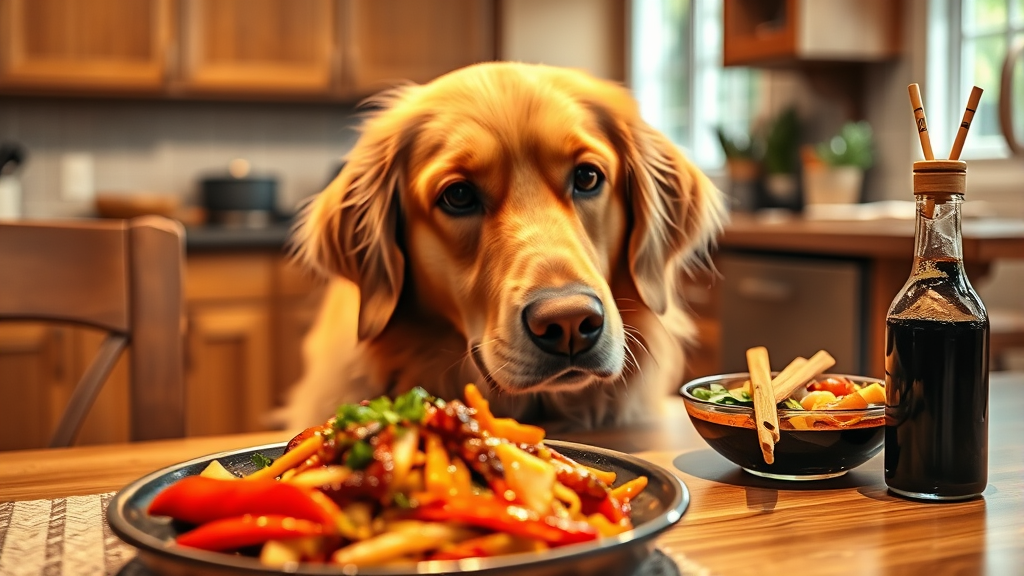
Many dog owners love sharing meals with their furry companions, but when it comes to condiments like soy sauce, caution is essential. While that savory, umami-rich sauce might enhance your stir-fry or sushi, it poses significant health risks for dogs. Understanding why soy sauce isn’t safe for canine consumption can help you make better dietary decisions for your pet.
Soy sauce contains several ingredients that can be harmful to dogs, including extremely high sodium levels, potentially toxic additives, and compounds that can cause serious digestive and neurological issues. Before you consider letting your pup lick that soy sauce-covered plate, it’s crucial to understand the specific dangers this common condiment presents to your four-legged family member.
The Hidden Dangers of Excessive Sodium
The primary concern with soy sauce for dogs is its astronomically high sodium content. A single tablespoon of soy sauce contains approximately 1,000 milligrams of sodium, which is more than a medium-sized dog should consume in an entire day. According to the American Kennel Club, dogs require only about 0.3% of their daily caloric intake to come from sodium.
When dogs consume excessive amounts of sodium, they can develop a condition called hypernatremia, which is characterized by elevated sodium levels in the blood. This condition can lead to severe dehydration, as the body attempts to balance the sodium concentration by pulling water from cells. The kidneys work overtime to process this excess sodium, potentially causing long-term kidney damage.
Sodium toxicity can manifest within hours of consumption and may require immediate veterinary intervention. Small dogs are particularly vulnerable, as even a small amount of soy sauce can represent a toxic dose relative to their body weight. For more information about salt consumption in dogs, understanding can dogs eat salt provides valuable insights into safe sodium levels.
The symptoms of sodium poisoning in dogs include excessive thirst, frequent urination, vomiting, diarrhea, lethargy, and in severe cases, seizures or coma. Unlike humans, dogs cannot efficiently regulate their sodium intake through natural cravings and aversions, making them more susceptible to accidental overconsumption.
Toxic Ingredients Commonly Found in Soy Sauce
Beyond sodium, soy sauce often contains other ingredients that are harmful to dogs. Many commercial soy sauces include onion and garlic powder as flavor enhancers, both of which are toxic to canines. These allium family vegetables contain compounds called thiosulfates that can damage red blood cells and lead to hemolytic anemia in dogs.
Garlic is particularly dangerous, as it’s more potent than onions in terms of toxicity. Even small amounts can cause oxidative damage to red blood cells, leading to weakness, pale gums, and difficulty breathing. If you’re curious about the specific risks, learning about whether dogs can eat onions and understanding if dogs can have garlic will provide comprehensive information about these toxic ingredients.
Some soy sauces also contain wheat, which can be problematic for dogs with gluten sensitivities or celiac-like conditions. Additionally, certain brands include artificial preservatives, colorings, and flavor enhancers that may cause allergic reactions or digestive upset in sensitive dogs.
The fermentation process used to create soy sauce can also produce compounds that are difficult for dogs to digest. While fermented foods can be beneficial for humans, dogs’ digestive systems are not equipped to handle the complex compounds found in fermented soy products, potentially leading to gastrointestinal distress.
Signs and Symptoms of Soy Sauce Poisoning
Recognizing the signs of soy sauce toxicity is crucial for dog owners. The symptoms can appear within 30 minutes to several hours after consumption, depending on the amount ingested and the dog’s size. Early signs include excessive drooling, nausea, and restlessness as the dog’s body reacts to the high sodium content.
As the condition progresses, dogs may exhibit more severe symptoms including persistent vomiting, diarrhea (which may be bloody), extreme thirst, and frequent urination. The dog may also show signs of abdominal pain, such as a hunched posture, whimpering, or reluctance to move. Neurological symptoms can develop as the sodium imbalance affects brain function, including confusion, disorientation, and in severe cases, seizures.
Advanced sodium poisoning can lead to tremors, muscle rigidity, and difficulty walking. The dog’s gums may appear pale or blue, indicating poor circulation or oxygen deprivation. Rapid breathing or panting, even at rest, is another concerning sign that requires immediate veterinary attention.
According to the ASPCA Animal Poison Control Center, any suspected case of salt poisoning should be treated as a medical emergency. The severity of symptoms often correlates with the amount consumed relative to the dog’s body weight, making small dogs particularly vulnerable to even minor exposures.

What to Do If Your Dog Consumes Soy Sauce
If you suspect your dog has consumed soy sauce, immediate action is essential. First, remain calm and assess the situation – determine how much soy sauce was consumed and when the ingestion occurred. Remove any remaining soy sauce or soy sauce-containing food from your dog’s reach to prevent further consumption.
Contact your veterinarian immediately, even if your dog appears fine initially. Provide specific information about the amount consumed, the type of soy sauce, and your dog’s weight. Many veterinary clinics have 24-hour emergency lines, and the Pet Poison Helpline (1-855-764-7661) offers round-the-clock assistance for poisoning emergencies.
Do not induce vomiting unless specifically instructed by a veterinary professional. While vomiting might seem like a logical response, it can sometimes worsen the situation, especially if the dog is already showing neurological symptoms. Instead, provide small amounts of fresh water if the dog is alert and able to drink normally.
Monitor your dog closely for any changes in behavior or symptoms while arranging veterinary care. Keep a record of symptoms, including the time they appeared and their severity. This information will be valuable for the veterinary team in determining the appropriate treatment protocol.
Dog-Safe Flavor Alternatives
Fortunately, there are many safe ways to add flavor to your dog’s meals without resorting to potentially harmful condiments. Understanding what seasonings dogs can have helps you make informed decisions about enhancing your pet’s food safely.
Low-sodium bone broth made specifically for dogs is an excellent alternative that provides umami flavor without the risks associated with soy sauce. Many pet stores carry dog-safe bone broths, or you can make your own using dog-safe ingredients like carrots, celery, and lean meats without added salt or seasonings.
Fresh herbs like parsley, basil, and cilantro can add natural flavor to your dog’s meals while providing nutritional benefits. These herbs are generally safe for dogs in small amounts and can make their regular kibble more appealing. However, always introduce new ingredients gradually and in moderation.
Commercial dog-safe seasonings and flavor enhancers are available at pet stores and online. These products are specifically formulated to meet canine nutritional needs while adding taste appeal to meals. Look for products that are low in sodium and free from toxic ingredients like garlic and onion.
If you’re preparing Asian-inspired meals and want to share with your dog, consider the risks associated with the entire cuisine. Learning about whether dogs can eat Chinese food will help you understand which components are safe and which should be avoided.
Prevention and Safe Kitchen Practices
Prevention is always better than treatment when it comes to protecting your dog from toxic foods. Establish clear boundaries in your kitchen and dining areas to prevent accidental access to harmful condiments. Store soy sauce and other potentially dangerous condiments in secure cabinets or high shelves where curious dogs cannot reach them.
Educate all family members, especially children, about the dangers of sharing human food with pets. Create a list of toxic foods and condiments, including soy sauce, and post it in a visible location in your kitchen. This serves as a constant reminder for everyone in the household.
When cooking with soy sauce or other potentially harmful ingredients, be mindful of spills and cleanup thoroughly. Dogs are excellent at detecting and investigating food odors, and even small amounts left on surfaces can be dangerous. Use pet-safe cleaning products to ensure no residual toxins remain.
Consider the broader context of condiment safety as well. Just as soy sauce poses risks, other common condiments like mayo and mustard also have specific considerations for canine consumption.
Train your dog to understand boundaries around human food. Teaching commands like “leave it” and “stay” can be invaluable in preventing accidental ingestion of harmful substances. Consistent training and positive reinforcement help establish these important safety behaviors.
The American Veterinary Medical Association recommends maintaining a strict separation between human food and pet food to prevent accidental poisoning. This includes being cautious about table scraps and ensuring that any shared foods are confirmed safe for canine consumption.
Frequently Asked Questions
Can dogs have any amount of soy sauce safely?
No, there is no safe amount of regular soy sauce for dogs. Even small quantities contain dangerous levels of sodium and potentially toxic ingredients like garlic and onion powder. For comprehensive information, check out our guide on can dogs have soy sauce.
What about low-sodium soy sauce?
Low-sodium soy sauce is still unsafe for dogs. Even reduced-sodium versions contain significantly more salt than dogs should consume, plus they often still include toxic ingredients like garlic and onion. The FDA advises against giving dogs any form of soy sauce.
How quickly do symptoms appear after a dog eats soy sauce?
Symptoms can appear within 30 minutes to several hours after consumption. The timeline depends on the amount consumed, the dog’s size, and individual sensitivity. Early signs include excessive thirst, drooling, and restlessness, which can progress to more severe symptoms like vomiting and neurological issues.
Is soy sauce more dangerous for small dogs?
Yes, small dogs are at higher risk because the toxic dose relative to their body weight is much lower. A few drops of soy sauce can represent a significant sodium load for a small dog, while the same amount might cause less immediate danger to a larger dog, though it’s still harmful.
Can I give my dog soy sauce if I dilute it significantly?
No, diluting soy sauce does not make it safe for dogs. The toxic ingredients remain present even when diluted, and dogs don’t need any additional sodium in their diet. It’s better to use dog-safe flavor enhancers specifically designed for canine consumption.
What should I do if my dog licks a plate with soy sauce residue?
Monitor your dog closely for any symptoms and contact your veterinarian for advice. While a small amount of residue may not cause severe poisoning, it’s important to observe for signs like excessive thirst, vomiting, or lethargy. When in doubt, always consult with a veterinary professional.
Are there any dog-safe Asian condiments or seasonings?
There are dog-specific seasonings available that can provide Asian-inspired flavors without the risks. Look for products specifically made for dogs that are free from garlic, onion, and excessive sodium. Fresh herbs like cilantro and ginger (in very small amounts) can also add flavor safely.





