
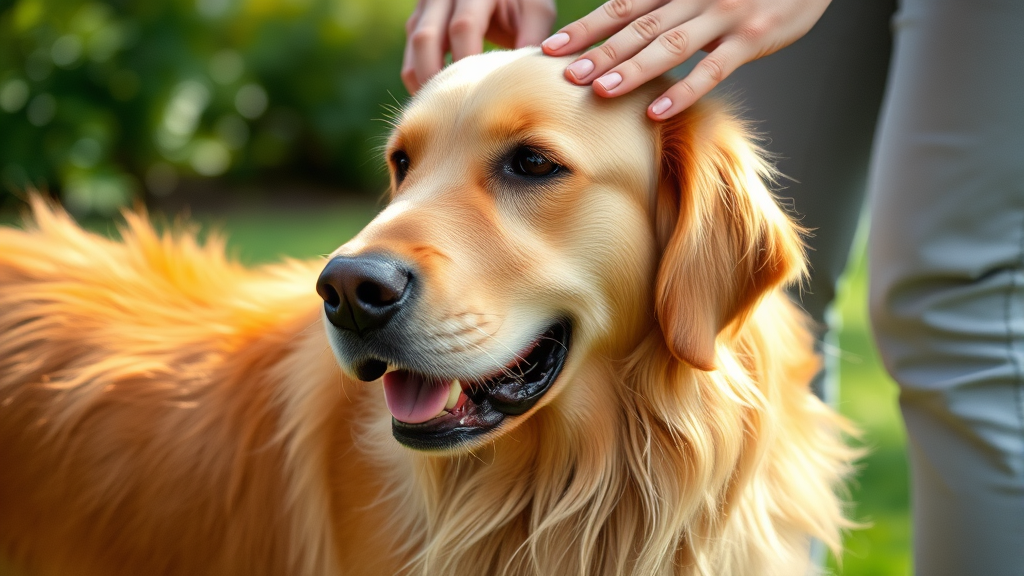
If you’ve noticed white flakes on your dog’s coat or furniture, you might be wondering, “Can dogs get dandruff?” The answer is yes, and it’s more common than you might think. Dog dandruff, medically known as seborrhea, affects millions of pets worldwide and can be both uncomfortable for your furry friend and concerning for pet owners.
Just like humans, dogs can develop dry, flaky skin that results in those telltale white particles scattered throughout their fur. While dog dandruff isn’t usually a serious health concern, it can indicate underlying skin conditions, allergies, or environmental factors that need attention. Understanding the causes and implementing proper treatment can help restore your dog’s coat to its healthy, lustrous state.
Understanding Dog Dandruff
Dog dandruff occurs when the skin’s natural process of shedding dead cells becomes accelerated or disrupted. Normally, skin cells regenerate every 21 days in healthy dogs, but various factors can speed up this process, causing visible flakes to appear in your pet’s coat. These flakes are essentially dead skin cells that haven’t been properly shed or removed through normal grooming.
There are two main types of seborrhea in dogs: seborrhea sicca (dry seborrhea) and seborrhea oleosa (oily seborrhea). Dry seborrhea presents as the classic white, powdery flakes we associate with dandruff, while oily seborrhea creates greasy, yellowish scales that stick to the hair and skin. Some dogs may experience a combination of both types, making diagnosis and treatment more complex.
The condition can affect dogs of any age, breed, or size, though certain breeds are more predisposed to seborrheic conditions. Why does my dog have dandruff is often related to genetic factors, with breeds like Cocker Spaniels, Springer Spaniels, Basset Hounds, and West Highland White Terriers showing higher incidence rates.

Common Causes of Dog Dandruff
Environmental factors play a significant role in the development of dog dandruff. Low humidity, particularly during winter months when indoor heating systems reduce moisture in the air, can cause skin dehydration and subsequent flaking. Temperature extremes, both hot and cold, can stress the skin and disrupt its natural barrier function.
Dietary deficiencies are another major contributor to dandruff in dogs. Essential fatty acids, particularly omega-3 and omega-6, are crucial for maintaining healthy skin and coat. Dogs fed low-quality commercial foods or those with food allergies may develop nutritional deficiencies that manifest as skin problems. According to the American Veterinary Medical Association, proper nutrition is fundamental to skin health in dogs.
Underlying health conditions can also trigger dandruff. Hypothyroidism, Cushing’s disease, and autoimmune disorders can all affect skin cell production and turnover. Parasites like fleas, mites, or lice can cause intense itching and skin irritation, leading to secondary dandruff. If you’re concerned about parasites, learning about can dogs get lice and what do fleas look like on dogs can help with identification.
Allergic reactions to environmental allergens, food ingredients, or grooming products can cause chronic skin inflammation and dandruff. Contact dermatitis from harsh chemicals or inappropriate bathing products can strip the skin’s natural oils, leading to compensatory overproduction of skin cells.
Identifying Symptoms and Signs
The most obvious sign of dog dandruff is the presence of white or grayish flakes in your pet’s coat, on their bedding, or on furniture where they spend time. These flakes may be dry and powdery or slightly oily, depending on the type of seborrhea present. You might notice increased flaking when you pet your dog or brush their coat.
Accompanying symptoms often include excessive scratching, licking, or biting at the skin. This behavior can create hot spots or secondary bacterial infections. Some dogs develop red, irritated skin patches, particularly in areas they can easily reach with their paws or mouth.
Changes in coat quality are also common indicators. The fur may appear dull, brittle, or greasy, losing its natural shine and softness. You might notice an unusual odor emanating from your dog’s skin or coat, ranging from musty to distinctly unpleasant, depending on whether bacterial or yeast infections have developed.
Behavioral changes can signal discomfort from dandruff and associated skin irritation. Dogs may become restless, have difficulty sleeping, or show decreased interest in activities due to constant itching. Pay attention to excessive paw licking, as this often indicates skin irritation and can help you understand why do dogs lick their paws so frequently.
Effective Home Remedies
Regular brushing is one of the most effective home treatments for dog dandruff. Daily brushing with a high-quality bristle brush helps remove dead skin cells, distribute natural oils, and improve circulation to the skin. Use gentle, long strokes and avoid brushes with sharp bristles that could irritate already sensitive skin.
Humidifying your home environment can provide significant relief, especially during dry winter months. Maintain indoor humidity levels between 30-50% using humidifiers or by placing water bowls near heat sources. This helps prevent skin dehydration and reduces flake formation.
Oatmeal baths offer soothing relief for dogs with dandruff and mild skin irritation. Grind plain, unflavored oatmeal into a fine powder and mix with warm water to create a paste. Apply this to your dog’s coat, let it sit for 10-15 minutes, then rinse thoroughly. The anti-inflammatory properties of oatmeal can calm irritated skin and provide temporary relief from itching.
Coconut oil serves as a natural moisturizer when applied topically in small amounts. Choose virgin, unrefined coconut oil and apply sparingly to avoid creating an overly greasy coat. Massage gently into the skin, focusing on particularly dry or flaky areas, then brush through the coat to distribute evenly.
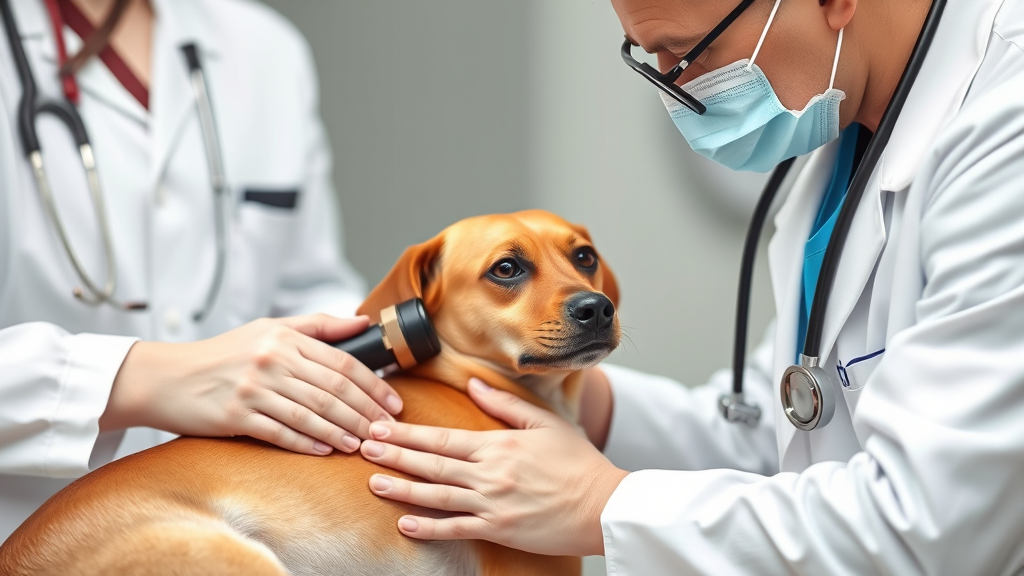
Dietary supplements can support skin health from within. Omega-3 fatty acid supplements, particularly those containing EPA and DHA from fish oil, can improve skin barrier function and reduce inflammation. Consult with your veterinarian before starting any supplement regimen to ensure proper dosing and compatibility with your dog’s existing diet.
Professional Treatments and Products
Medicated shampoos specifically formulated for dogs with seborrhea can provide more intensive treatment than home remedies alone. Look for shampoos containing ingredients like salicylic acid, coal tar, sulfur, or selenium sulfide, which help normalize skin cell turnover and reduce flaking. The American Kennel Club recommends using these products according to manufacturer instructions and veterinary guidance.
Antifungal and antibacterial shampoos may be necessary if secondary infections have developed alongside the dandruff. These prescription-strength products can address yeast overgrowth or bacterial infections that commonly accompany chronic skin conditions. When bathing your dog with medicated products, it’s important to know is Dawn dish soap safe for dogs and choose appropriate cleansing agents.
Topical treatments including sprays, mousse, and leave-in conditioners can provide ongoing moisturization and skin support between baths. Many veterinary-approved products contain ceramides, fatty acids, and other skin-nourishing ingredients that help restore the skin’s natural barrier function.
Prescription medications may be necessary for severe cases or when underlying conditions contribute to the dandruff. Corticosteroids can reduce inflammation and itching, while antibiotics address secondary bacterial infections. Hormonal treatments might be required if endocrine disorders are contributing to the skin problems.
Prevention Strategies
Maintaining a consistent grooming routine is essential for preventing dog dandruff. Regular brushing, appropriate bathing frequency (typically every 4-6 weeks unless otherwise directed), and proper ear cleaning can help maintain overall skin health. Understanding how to clean dogs ears is part of comprehensive grooming that supports skin health.
High-quality nutrition forms the foundation of healthy skin and coat. Choose dog foods that meet Association of American Feed Control Officials standards and contain adequate levels of essential fatty acids, vitamins, and minerals. Avoid frequent diet changes, which can stress the digestive system and affect nutrient absorption.
Environmental management includes maintaining appropriate humidity levels, using hypoallergenic bedding materials, and minimizing exposure to potential allergens. Regular washing of your dog’s bedding, toys, and collars can reduce the buildup of skin cells, oils, and potential irritants.
Regular veterinary check-ups enable early detection and treatment of conditions that could lead to dandruff. Annual wellness exams should include skin and coat assessment, and any changes should be reported to your veterinarian promptly. The American Veterinary Medical Association emphasizes the importance of preventive care in maintaining pet health.
When to See a Veterinarian
While mild dandruff can often be managed at home, certain situations require professional veterinary attention. Persistent dandruff that doesn’t improve with home treatment after 2-3 weeks warrants veterinary evaluation to rule out underlying conditions or determine if prescription treatments are necessary.
Severe itching that interferes with your dog’s sleep, eating, or normal activities indicates the need for professional intervention. Signs of secondary infection, including red, swollen, or painful areas, pustules, or strong odors, require immediate veterinary care to prevent complications.
Systemic symptoms accompanying dandruff, such as lethargy, changes in appetite, excessive thirst, or behavioral changes, may indicate underlying health issues that need medical evaluation. These could signal hormonal imbalances, autoimmune conditions, or other serious health problems.
If your dog shows signs of other skin conditions alongside dandruff, such as pimples or unusual growths, professional diagnosis becomes essential. Early intervention often leads to better outcomes and can prevent minor issues from becoming major health problems.
Dogs with recurring dandruff episodes or those that seem to develop resistance to treatments should undergo comprehensive veterinary evaluation. This may include skin scrapings, allergy testing, or blood work to identify underlying causes and develop targeted treatment plans.
Frequently Asked Questions
Can dogs get dandruff like humans do?
Yes, dogs can develop dandruff very similar to humans. Dog dandruff, medically called seborrhea, occurs when skin cells shed more rapidly than normal, creating visible white or grayish flakes in the coat. Like human dandruff, it can be caused by dry skin, allergies, infections, or underlying health conditions. The main difference is that dogs have fur covering most of their body, so dandruff can be more widespread and noticeable throughout their coat rather than just on the scalp.
Is dog dandruff contagious to humans or other pets?
Dog dandruff itself is not contagious to humans or other pets. However, if the dandruff is caused by parasites like mites, fleas, or fungal infections, these underlying causes could potentially be transmitted. Most cases of dog dandruff result from dry skin, allergies, or nutritional factors that are not transmissible. If you’re concerned about the cause of your dog’s dandruff, consult with a veterinarian for proper diagnosis and peace of mind.
How often should I bathe my dog if they have dandruff?
The bathing frequency for dogs with dandruff depends on the severity and underlying cause. Generally, dogs with dandruff benefit from bathing every 2-3 weeks with a gentle, moisturizing shampoo designed for dogs. Over-bathing can actually worsen dandruff by stripping natural oils, while under-bathing allows dead skin cells and oils to accumulate. If using medicated shampoos, follow your veterinarian’s specific instructions, which may require more or less frequent bathing depending on the product and your dog’s condition.
What foods can help reduce my dog’s dandruff?
Foods rich in omega-3 and omega-6 fatty acids can significantly improve skin health and reduce dandruff. Look for dog foods containing fish oil, flaxseed, or chicken fat as primary fat sources. High-quality proteins support healthy skin cell production, while vitamins E and A act as antioxidants protecting skin health. According to veterinary nutritionists, switching to a premium dog food with these nutrients often shows improvement in 6-8 weeks. Avoid foods with artificial additives or common allergens if your dog has sensitivities.
Can stress cause dandruff in dogs?
Yes, stress can contribute to dandruff development in dogs. Chronic stress affects the immune system and can disrupt normal skin cell turnover, leading to increased flaking. Stress also causes dogs to scratch, lick, or bite their skin more frequently, which can worsen existing dandruff and create secondary skin problems. Common stress triggers include changes in routine, new environments, separation anxiety, or other pets in the household. Managing stress through consistent routines, adequate exercise, and environmental enrichment can help reduce stress-related dandruff.
Are certain dog breeds more prone to dandruff?
Yes, some dog breeds are genetically predisposed to seborrheic conditions and dandruff. Breeds commonly affected include Cocker Spaniels, English Springer Spaniels, Basset Hounds, West Highland White Terriers, German Shepherds, and Doberman Pinschers. These breeds often have inherited skin conditions that make them more susceptible to dandruff and other skin problems. However, any dog can develop dandruff regardless of breed, especially when environmental factors, allergies, or health conditions are involved.
How long does it take to see improvement in dog dandruff with treatment?
The timeline for improvement varies depending on the underlying cause and treatment method. With proper home care including regular brushing, appropriate bathing, and environmental changes, mild dandruff may improve within 2-3 weeks. Dietary changes and supplements typically show results in 6-8 weeks as the skin cells regenerate. Medicated shampoos and prescription treatments often provide faster relief, with noticeable improvement in 1-2 weeks. Severe cases or those with underlying health conditions may take several months of consistent treatment to fully resolve.





