

As pet parents, we’re always looking for healthy, natural treats to share with our beloved canine companions. While many human foods are off-limits for dogs, blueberries stand out as one of nature’s most nutritious and dog-safe superfoods. These tiny blue powerhouses are packed with vitamins, minerals, and antioxidants that can provide remarkable health benefits for your furry friend.
The question “can dogs have blue berries” is one that many responsible dog owners ask, and the answer is a resounding yes! Not only are blueberries safe for dogs to consume, but they also offer a wide array of health benefits that can support your dog’s overall wellbeing. From boosting immune function to supporting brain health, these small fruits can make a significant impact on your dog’s quality of life when incorporated properly into their diet.
The Nutritional Profile of Blueberries
Blueberries are nutritional powerhouses that pack an impressive array of vitamins, minerals, and beneficial compounds into their small size. A single cup of fresh blueberries contains approximately 84 calories, 21 grams of carbohydrates, and 3.6 grams of fiber. For dogs, these nutrients translate into significant health benefits when consumed in appropriate portions.
The vitamin content in blueberries is particularly noteworthy. These berries are rich in vitamin C, which supports immune function and collagen synthesis. They also contain vitamin K, essential for proper blood clotting and bone health, and vitamin E, a powerful antioxidant that protects cell membranes from damage.
Mineral-wise, blueberries provide manganese, which supports bone development and wound healing, along with smaller amounts of potassium, calcium, and magnesium. These minerals work together to support various bodily functions, from muscle contraction to nerve transmission.
Antioxidant Power and Disease Prevention
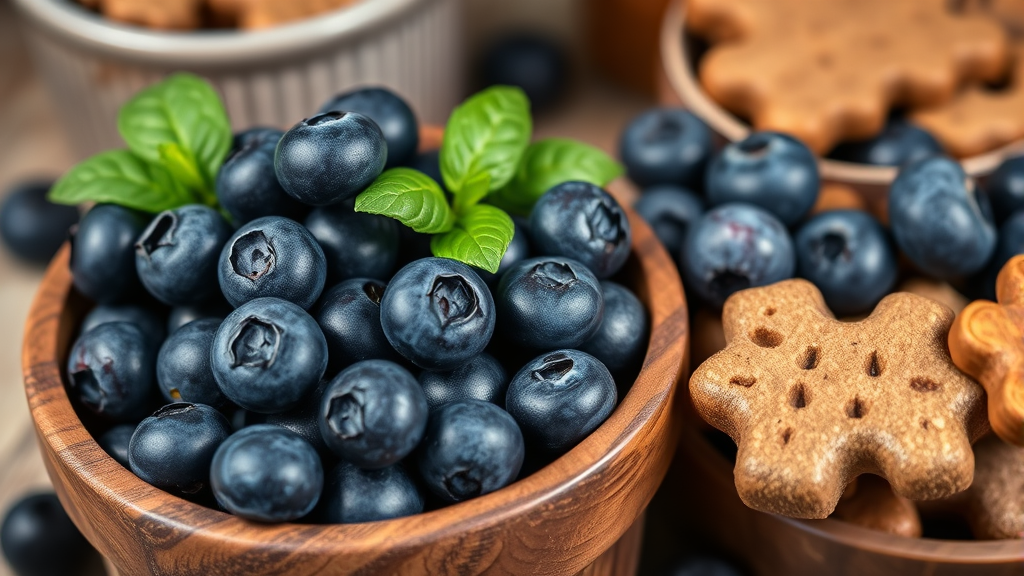
The most remarkable aspect of blueberries lies in their exceptional antioxidant content. These tiny fruits contain some of the highest levels of antioxidants found in any food, including anthocyanins, flavonoids, and phenolic acids. For dogs, this translates into powerful protection against cellular damage and chronic diseases.
Antioxidants work by neutralizing harmful free radicals that can damage cells and contribute to aging and disease development. The anthocyanins that give blueberries their distinctive blue color are particularly effective at reducing inflammation throughout the body, which can help prevent conditions such as arthritis and other inflammatory diseases common in aging dogs.
Research has shown that regular consumption of antioxidant-rich foods like blueberries can help reduce the risk of cancer, heart disease, and other chronic conditions in both humans and animals. The protective effects extend to DNA protection, helping maintain cellular integrity as dogs age.
Similar to how blackberries provide antioxidant benefits, blueberries offer even higher concentrations of these protective compounds, making them an excellent choice for supporting long-term health in dogs.
Cognitive and Brain Health Benefits
One of the most exciting areas of blueberry research involves their impact on cognitive function and brain health. Studies have demonstrated that the compounds in blueberries can cross the blood-brain barrier and accumulate in areas of the brain responsible for learning and memory.
For senior dogs experiencing cognitive decline or canine cognitive dysfunction syndrome (similar to dementia in humans), blueberries may offer significant benefits. The anthocyanins and other flavonoids in blueberries have been shown to improve communication between brain cells, enhance memory formation, and protect against age-related cognitive decline.
Research conducted by the USDA Agricultural Research Service has found that animals fed diets supplemented with blueberries showed improved performance on memory tests and demonstrated better motor function as they aged. These findings suggest that regular blueberry consumption could help maintain your dog’s mental sharpness throughout their golden years.
The neuroprotective effects of blueberries extend beyond memory enhancement. These berries may also help protect against neurodegenerative diseases and support overall brain health by reducing inflammation in neural tissues and promoting the growth of new brain cells.
Immune System Support
A robust immune system is crucial for dogs to fight off infections, heal from injuries, and maintain overall health. Blueberries provide excellent immune system support through their high vitamin C content and diverse array of antioxidants and phytochemicals.
Vitamin C plays a vital role in immune function by supporting the production and function of white blood cells, which are the body’s primary defense against pathogens. While dogs can produce some vitamin C naturally, unlike humans, additional dietary sources can still provide benefits, especially during times of stress, illness, or recovery.
The fiber content in blueberries also supports immune health indirectly by promoting beneficial gut bacteria. A healthy gut microbiome is essential for proper immune function, as approximately 70% of the immune system is located in the digestive tract. The prebiotic effects of blueberry fiber help nourish beneficial bacteria, creating a stronger foundation for immune defense.
Just as blackberries can support immune function in dogs, blueberries offer similar benefits with their own unique profile of immune-boosting compounds.

Heart Health and Cardiovascular Benefits
Cardiovascular health is increasingly recognized as important for dogs, particularly as they age. Blueberries offer several compounds that can support heart health and reduce the risk of cardiovascular disease in canines.
The anthocyanins in blueberries have been shown to help reduce blood pressure and improve blood vessel function. These compounds help relax blood vessels, improve circulation, and reduce the risk of blood clots. For dogs with existing heart conditions or those at risk for cardiovascular disease, these benefits can be particularly valuable.
Blueberries also contain compounds that may help reduce cholesterol levels and improve overall lipid profiles. While dogs don’t typically struggle with cholesterol issues the way humans do, maintaining healthy blood lipid levels can still contribute to overall cardiovascular wellness.
The American Heart Association recognizes the cardiovascular benefits of antioxidant-rich foods like blueberries, and these benefits extend to our canine companions as well.
Digestive Health and Fiber Benefits
Digestive health is fundamental to overall wellness in dogs, and blueberries can contribute significantly to maintaining a healthy digestive system. The fiber content in blueberries provides both soluble and insoluble fiber, each offering unique benefits for canine digestion.
Soluble fiber helps regulate blood sugar levels by slowing the absorption of glucose, which can be beneficial for dogs with diabetes or those at risk for developing the condition. This type of fiber also helps create a feeling of fullness, which can be useful for weight management in overweight dogs.
Insoluble fiber adds bulk to stool and promotes regular bowel movements, helping prevent constipation and supporting overall digestive health. This type of fiber also acts as a prebiotic, feeding beneficial gut bacteria and promoting a healthy microbiome.
The natural enzymes present in fresh blueberries can also aid in digestion, helping dogs break down and absorb nutrients more effectively. Unlike some other berries, such as the considerations around raspberries for dogs, blueberries are generally very well-tolerated and gentle on the digestive system.
Safe Serving Guidelines and Preparation
While blueberries are safe and beneficial for dogs, proper serving sizes and preparation are essential to maximize benefits while avoiding any potential issues. The appropriate serving size depends on your dog’s size, weight, and overall diet.
For small dogs (under 20 pounds), 2-3 blueberries per day is typically sufficient. Medium dogs (20-50 pounds) can safely enjoy 4-6 blueberries daily, while large dogs (over 50 pounds) can have up to 8-10 blueberries as a treat. These amounts should represent no more than 10% of your dog’s daily caloric intake.
Fresh blueberries are the best option, as they retain all their nutritional benefits without added sugars or preservatives. Wash berries thoroughly before serving to remove any pesticide residues or contaminants. Frozen blueberries can also be offered and may provide a refreshing treat during hot weather, but avoid berries with added sugars or artificial sweeteners.
Blueberries can be served whole for most dogs, but for very small dogs or puppies, consider cutting them in half to prevent choking. They can be mixed into regular food, used as training treats, or frozen in puzzle toys for mental stimulation.
Unlike some other berries where preparation is more complex, such as considerations about strawberry tops, blueberries require minimal preparation and can be served as-is.
Potential Risks and Precautions
While blueberries are generally very safe for dogs, there are a few precautions to keep in mind. As with any new food, introduce blueberries gradually to monitor for any adverse reactions. Some dogs may experience mild digestive upset if they consume too many berries at once, particularly if they’re not used to high-fiber foods.
Dogs with diabetes should have their blueberry consumption monitored, as the natural sugars can affect blood glucose levels. While the fiber helps moderate sugar absorption, it’s still important to account for the carbohydrate content when managing a diabetic dog’s diet.
Always choose organic blueberries when possible to minimize exposure to pesticides and other chemicals. If organic options aren’t available, thoroughly wash conventional berries before serving. The Environmental Working Group provides guidance on pesticide residues in various fruits and vegetables.
Avoid blueberry-flavored products, baked goods, or processed foods containing blueberries, as these often contain sugar, artificial sweeteners, or other ingredients that can be harmful to dogs. Stick to fresh or plain frozen berries for the safest and most beneficial option.
Similar precautions apply to other berries in the canine diet. For instance, while exploring options like cranberries or dried cranberries, always prioritize fresh, unsweetened varieties.
Frequently Asked Questions
How many blueberries can I give my dog daily?
The appropriate number of blueberries depends on your dog’s size. Small dogs (under 20 pounds) should have 2-3 berries daily, medium dogs (20-50 pounds) can have 4-6 berries, and large dogs (over 50 pounds) can safely enjoy 8-10 berries. These should not exceed 10% of your dog’s daily caloric intake and should be considered treats rather than meal replacements.
Are frozen blueberries safe for dogs?
Yes, plain frozen blueberries are perfectly safe for dogs and can make a refreshing treat, especially during warm weather. Ensure they’re plain frozen berries without added sugars, syrups, or artificial sweeteners. Frozen berries retain most of their nutritional benefits and can be served directly from the freezer or thawed.
Can puppies eat blueberries?
Puppies can safely eat blueberries once they’re weaned and eating solid food, typically around 6-8 weeks of age. However, serve smaller portions and consider cutting berries in half to prevent choking. Start with just one or two berries to ensure they tolerate them well, and always supervise young puppies when introducing new foods.
Will blueberries help with my senior dog’s cognitive function?
Research suggests that the antioxidants in blueberries, particularly anthocyanins, may support cognitive function and help slow age-related mental decline in dogs. While blueberries aren’t a cure for canine cognitive dysfunction, they may provide some protective benefits when included as part of a balanced diet. Consult with your veterinarian about comprehensive approaches to supporting your senior dog’s brain health.
Can diabetic dogs eat blueberries?
Diabetic dogs can eat blueberries in moderation, but their consumption should be carefully monitored and discussed with a veterinarian. The fiber in blueberries helps slow sugar absorption, but they still contain natural sugars that can affect blood glucose levels. Any treats, including blueberries, should be factored into the overall carbohydrate management plan for diabetic dogs.
What’s the difference between wild and cultivated blueberries for dogs?
Both wild and cultivated blueberries are safe for dogs, but wild blueberries often contain higher concentrations of antioxidants due to their smaller size and more intense flavor. However, cultivated blueberries are more readily available and still provide excellent nutritional benefits. Regardless of type, ensure berries are properly identified and safe for consumption, avoiding any wild berries you cannot positively identify.
Can blueberries replace other fruits in my dog’s diet?
While blueberries are excellent treats, variety is important in any diet. Different fruits offer different nutritional profiles and benefits. Just as you might rotate between dried cranberries and fresh options, consider offering various dog-safe fruits to provide a range of nutrients. Always research the safety of any new fruit before offering it to your dog, and maintain moderation with all treats.





