
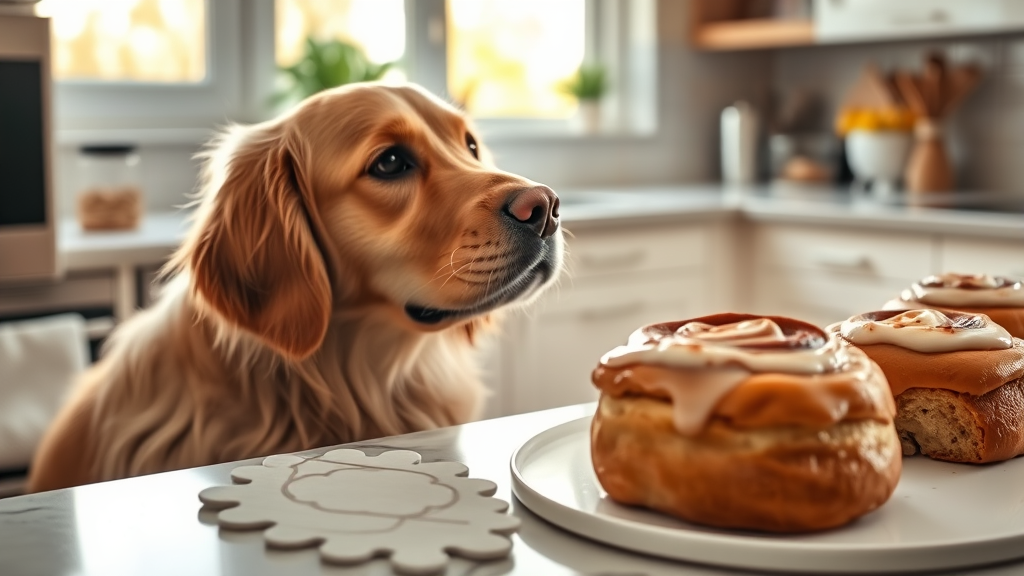
As dog owners, we often find ourselves wanting to share our favorite treats with our furry companions. The sweet aroma of freshly baked cinnamon rolls can be irresistible, and those pleading eyes from your dog might make you wonder if it’s safe to offer them a bite. Understanding what foods are safe for dogs is crucial for their health and wellbeing, and cinnamon rolls present several concerns that every responsible pet owner should know about.
While the occasional small piece of plain bread might not harm most dogs, cinnamon rolls contain multiple ingredients that can pose serious health risks to our canine friends. From excessive sugar and fat content to potentially toxic spices and additives, these beloved pastries are far from ideal for dogs. Let’s explore the specific dangers and learn about safer alternatives that can satisfy both your desire to treat your pet and their need for proper nutrition.
Understanding Cinnamon Roll Ingredients
To properly assess whether can dogs eat cinnamon rolls, we need to examine each component that makes up these delicious pastries. A typical cinnamon roll contains flour, sugar, butter, eggs, yeast, milk, cinnamon, and often additional ingredients like vanilla extract, salt, and sometimes nuts or raisins. The icing or glaze adds even more sugar, butter, and potentially artificial flavors.
The high sugar content alone makes cinnamon rolls problematic for dogs. Most commercial cinnamon rolls contain 15-25 grams of sugar per serving, which is excessive for canines whose digestive systems aren’t designed to process large amounts of refined sugars. The butter and other fats contribute to a high caloric density that can lead to obesity and pancreatitis in dogs, especially smaller breeds or those with sensitive stomachs.
Cinnamon, while not inherently toxic to dogs in small amounts, can cause irritation to their mouth, throat, and digestive system when consumed in the concentrated quantities found in cinnamon rolls. The American Kennel Club notes that while cinnamon isn’t poisonous to dogs, large amounts can cause digestive upset and other health issues.

Health Risks for Dogs
The consumption of cinnamon rolls can lead to several immediate and long-term health problems in dogs. Acute pancreatitis is one of the most serious concerns, as the high fat content can trigger inflammation of the pancreas. This condition is extremely painful and can be life-threatening, requiring immediate veterinary intervention. Symptoms include vomiting, diarrhea, loss of appetite, and severe abdominal pain.
Obesity represents another significant risk, particularly with regular consumption of high-calorie treats like cinnamon rolls. According to the American Veterinary Medical Association, obesity in dogs can lead to diabetes, joint problems, heart disease, and reduced life expectancy. A single cinnamon roll can contain 300-400 calories, which represents a substantial portion of a small dog’s daily caloric needs.
Digestive upset is almost guaranteed when dogs consume cinnamon rolls, especially if they’re not accustomed to rich, sugary foods. The combination of high sugar, fat, and spices can cause vomiting, diarrhea, gas, and stomach pain. Some dogs may also experience allergic reactions to specific ingredients like eggs, milk, or wheat, leading to skin irritation, itching, or respiratory issues.
Potentially Toxic Components
Several ingredients commonly found in cinnamon rolls pose serious toxicity risks to dogs. Raisins, sometimes included in cinnamon roll recipes, are highly toxic to dogs and can cause kidney failure even in small amounts. The ASPCA Animal Poison Control Center lists raisins as one of the most dangerous foods for dogs, with no known safe consumption level.
Artificial sweeteners, particularly xylitol, are extremely dangerous for dogs and can be found in sugar-free or reduced-sugar cinnamon roll varieties. Xylitol causes rapid insulin release in dogs, leading to severe hypoglycemia that can be fatal within hours of consumption. Even small amounts can cause liver damage and death, making it crucial to check ingredient labels carefully.
Nutmeg, occasionally used in cinnamon roll spice blends, is toxic to dogs and can cause hallucinations, increased heart rate, high blood pressure, and seizures. While most commercial cinnamon rolls don’t contain significant amounts of nutmeg, homemade versions might include this dangerous spice. Similarly, some recipes may include chocolate chips or cocoa, which are well-known toxins for dogs.

Safe Alternatives and Dog-Friendly Treats
Instead of sharing cinnamon rolls with your dog, consider preparing dog-safe alternatives that can satisfy their desire for special treats. Simple recipes using dog-safe ingredients like whole wheat flour, eggs, and a tiny amount of cinnamon can create treats that are both delicious and safe. Many pet stores also offer commercial dog treats that mimic human desserts without the harmful ingredients.
Plain cooked sweet potato slices with a light dusting of cinnamon can provide a naturally sweet treat that’s much healthier for dogs. Sweet potatoes are rich in fiber, vitamins, and minerals while being naturally sweet enough to satisfy most dogs’ cravings. You can bake thin slices until they’re slightly crispy for a texture that might remind your dog of pastry without the associated health risks.
If you’re looking for other safe sharing options, consider whether dogs can eat pancakes made with dog-safe ingredients, or explore other breakfast alternatives. However, it’s important to remember that even safe human foods should only be given as occasional treats, not regular meal replacements. The FDA’s guidelines for pet nutrition emphasize that treats should comprise no more than 10% of a dog’s daily caloric intake.
Signs of Distress and When to Call a Vet
If your dog has consumed cinnamon rolls, monitor them closely for signs of distress or illness. Immediate symptoms may include vomiting, diarrhea, excessive drooling, loss of appetite, lethargy, or unusual behavior. More severe signs that require emergency veterinary care include difficulty breathing, seizures, collapse, or signs of severe abdominal pain such as a hunched posture or reluctance to move.
Pancreatitis symptoms can develop within hours or days of consumption and include persistent vomiting, diarrhea, fever, and severe abdominal pain. Dogs with pancreatitis often assume a “prayer position” with their front end lowered and rear end elevated in an attempt to relieve abdominal discomfort. This condition requires immediate professional treatment and can be fatal if left untreated.
The timing of when to seek veterinary care depends on several factors, including the size of your dog, the amount consumed, and the specific ingredients in the cinnamon rolls. As a general rule, contact your veterinarian immediately if your dog shows any concerning symptoms or if they’ve consumed a large quantity relative to their body size. The Pet Poison Helpline provides 24/7 consultation services for pet poisoning emergencies.
Prevention and Safe Feeding Practices
Prevention is always better than treatment when it comes to keeping dogs safe from harmful foods. Store cinnamon rolls and other baked goods in secure containers or areas that your dog cannot access. Many dogs are skilled at counter-surfing or getting into cabinets, so consider using child-proof locks or storing items in high cabinets.
Educate all family members, especially children, about the importance of not sharing human food with pets without permission. Create a family rule that only designated adults can give treats to the dog, and establish a list of approved treats that everyone can reference. This helps prevent well-meaning family members from accidentally giving harmful foods to your pet.
When hosting guests or during holidays when cinnamon rolls are common, be extra vigilant about food security. Inform guests about your pet’s dietary restrictions and ask them not to feed your dog any human food. Consider providing your dog with special dog-safe treats during these occasions so they don’t feel left out of the festivities. You might also wonder about other common treats like whether dogs can have whipped cream or if dogs can eat cake during celebrations.
Frequently Asked Questions
What should I do if my dog accidentally ate a cinnamon roll?
If your dog has eaten a cinnamon roll, first assess the situation by determining how much they consumed and checking the ingredients list for toxic components like raisins or xylitol. Monitor your dog closely for symptoms like vomiting, diarrhea, or lethargy. Contact your veterinarian immediately if your dog shows any signs of distress, consumed a large amount relative to their size, or if the cinnamon roll contained potentially toxic ingredients. Even if your dog seems fine initially, it’s worth calling your vet for guidance, as some symptoms may not appear for hours.
Can a small piece of cinnamon roll seriously harm my large dog?
While a small piece of plain cinnamon roll is less likely to cause severe problems in a large dog compared to a small dog, it’s still not recommended. Large dogs have more tolerance for small amounts of inappropriate foods, but they can still experience digestive upset, and regular consumption can contribute to obesity and other health issues. The concern increases significantly if the cinnamon roll contains toxic ingredients like raisins, xylitol, or excessive amounts of cinnamon. It’s always better to err on the side of caution and avoid giving any cinnamon roll to dogs regardless of their size.
Are homemade cinnamon rolls safer for dogs than store-bought ones?
Homemade cinnamon rolls are not necessarily safer for dogs and may actually pose additional risks. While you have control over the ingredients in homemade versions, many home bakers use ingredients that are particularly dangerous for dogs, such as raisins, nuts, or higher concentrations of cinnamon and other spices. Additionally, homemade versions might contain syrup or other sweeteners that could be harmful. Both homemade and commercial cinnamon rolls contain high levels of sugar, fat, and calories that are inappropriate for dogs.
How much cinnamon is safe for dogs?
While cinnamon isn’t toxic to dogs in small amounts, there’s no established “safe” dose, and whether cinnamon is good for dogs remains debatable among veterinary professionals. Small pinches of cinnamon occasionally are unlikely to cause harm in most healthy dogs, but larger amounts can cause mouth and throat irritation, digestive upset, and potentially more serious issues. The concentrated amount of cinnamon in cinnamon rolls far exceeds what would be considered a small, occasional amount. It’s best to avoid giving dogs foods with significant cinnamon content and consult with your veterinarian about any spices in your dog’s diet.
What are the signs of pancreatitis in dogs?
Pancreatitis in dogs can manifest through several symptoms, including persistent vomiting, diarrhea, loss of appetite, lethargy, fever, and severe abdominal pain. Dogs with pancreatitis often exhibit a characteristic “prayer bow” position, where they lower their front end while keeping their rear end elevated, attempting to relieve abdominal discomfort. They may also show reluctance to move, excessive panting, or signs of dehydration. Pancreatitis can range from mild to severe and life-threatening, so any suspected case requires immediate veterinary attention. The condition can develop within hours to days after consuming high-fat foods like cinnamon rolls.
Can dogs have any type of sweet breakfast pastries?
Most sweet breakfast pastries, including donuts, danishes, muffins, and cinnamon rolls, are not appropriate for dogs due to their high sugar, fat, and calorie content. Many also contain ingredients that can be harmful or toxic to dogs. Instead of wondering if dogs can have marshmallows or other sweet treats, focus on dog-specific treats or simple, dog-safe alternatives like plain cooked sweet potato or specially made dog biscuits. If you want to include your dog in breakfast time, consider giving them a small piece of plain toast or a dog-safe treat designed to look like human breakfast foods.
How can I include my dog in family breakfast time safely?
There are many ways to include your dog in family breakfast time without compromising their health. Prepare special dog-safe “breakfast” treats using ingredients like plain oatmeal, eggs, or sweet potato. You can find recipes for dog-safe pancakes, muffins, or biscuits that look similar to human breakfast foods but use appropriate ingredients. Alternatively, give your dog their regular morning treat or meal at the same time the family is eating breakfast, so they feel included in the routine. Some pet stores sell breakfast-themed dog treats that can make your pet feel like they’re getting something special without the health risks.





