

When your beloved four-legged companion starts sniffling, coughing, or showing signs of respiratory discomfort, it’s natural to wonder if they might be dealing with a cold. Just like humans, dogs can experience upper respiratory infections that share many similarities with the common cold. Understanding how to properly care for your pup during these times is crucial for their comfort and recovery.
Recognizing the signs early and knowing how to provide appropriate comfort measures can make a significant difference in your dog’s healing process. While most canine respiratory infections are mild and resolve on their own with proper care, knowing when to seek veterinary attention and how to create a supportive environment at home will help ensure your furry friend returns to their playful, energetic self as quickly as possible.
Recognizing Cold Symptoms in Dogs
Understanding whether can dogs get colds is the first step in providing proper care. Dogs can indeed develop upper respiratory infections that closely resemble human colds, though they’re typically caused by different pathogens. The symptoms you’ll observe in your canine companion are remarkably similar to those you’d experience yourself when fighting off a cold.
Common signs that your dog may be dealing with a respiratory infection include persistent sneezing, nasal discharge that may start clear and become thicker or discolored over time, and a dry or productive cough. You might also notice your pup has watery eyes, reduced appetite, or seems less energetic than usual. Some dogs may develop a mild fever, though this can be difficult to detect without a thermometer.
It’s important to observe the progression of symptoms carefully. While mild sneezing or occasional coughing might not be cause for immediate concern, persistent or worsening symptoms warrant closer attention. Pay particular attention to changes in your dog’s breathing patterns, as labored breathing or wheezing could indicate a more serious condition requiring immediate veterinary care.
The American Kennel Club emphasizes that while dogs can’t catch the exact same viruses that cause human colds, they can develop similar respiratory infections caused by canine-specific pathogens such as parainfluenza, adenovirus, or bordetella.

Understanding Causes and Transmission
Many pet owners wonder do dogs get colds in the same way humans do, and the answer involves understanding the complex world of canine respiratory pathogens. Unlike human colds, which are primarily caused by rhinoviruses, canine respiratory infections typically result from bacteria, viruses, or fungi that are specific to dogs.
The most common culprits include canine parainfluenza virus, canine adenovirus type 2, bordetella bronchiseptica (which causes kennel cough), and various strains of canine coronavirus. These pathogens are highly contagious among dogs and spread through airborne droplets when infected dogs cough, sneeze, or even breathe. Direct contact with contaminated surfaces, food bowls, or toys can also facilitate transmission.
Environmental factors play a significant role in a dog’s susceptibility to respiratory infections. Stress, poor ventilation, overcrowding, and exposure to extreme temperatures can weaken your dog’s immune system, making them more vulnerable to illness. Young puppies, senior dogs, and those with compromised immune systems are particularly at risk.
A common concern among dog owners is whether can dogs get a cold from their human family members. Fortunately, the viruses that cause human colds typically cannot infect dogs, and vice versa. However, both species can be affected by certain bacterial infections, so maintaining good hygiene practices benefits everyone in the household.
Essential Comfort Measures for Sick Pups
Creating a comfortable environment for your ailing pup is one of the most important things you can do to support their recovery. Start by ensuring your dog has a warm, quiet space where they can rest undisturbed. A soft bed in a draft-free area of your home will help them conserve energy for fighting off the infection.
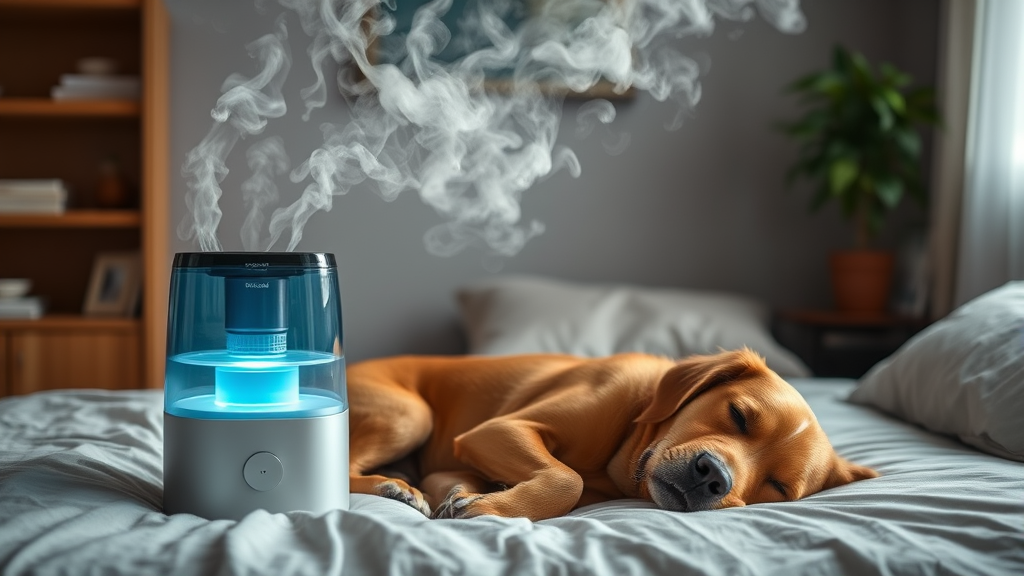
Maintaining proper humidity levels can significantly improve your dog’s comfort. Dry air can irritate already sensitive respiratory passages, so consider using a humidifier in the room where your dog is resting. If you don’t have a humidifier, you can create a steam room effect by running a hot shower and sitting with your dog in the bathroom for 10-15 minutes several times a day.
Hydration is crucial for recovery, so ensure fresh water is always available. Some dogs may be reluctant to drink when they’re not feeling well, so you might need to encourage fluid intake by offering low-sodium chicken broth or adding a small amount of warm water to their regular food to make it more appealing.
Gentle nose cleaning can provide significant relief for dogs with nasal discharge. Use a soft, damp cloth to carefully wipe away any discharge from around the nostrils. Be gentle and patient, as the area may be tender. Avoid using tissues or rough materials that could cause irritation.
Many pet owners ask can dogs get colds from humans, and while cross-species transmission is rare, it’s still wise to maintain good hygiene practices when caring for a sick pet to prevent any potential complications.
Safe Home Remedies and Care
While professional veterinary care should always be your primary consideration, several safe home remedies can help comfort your dog during their recovery. However, it’s essential to remember that what works for humans may not be safe for dogs, so always research and consult with your veterinarian before trying any new treatments.
Honey can be a soothing natural remedy for dogs with cough symptoms, but only in small quantities and never for puppies under one year old. A teaspoon of raw honey can help coat the throat and provide antibacterial properties. Similarly, a small amount of coconut oil mixed into food may help boost the immune system and provide antimicrobial benefits.
Encourage rest by limiting exercise and playtime while your dog recovers. This doesn’t mean complete inactivity, but rather gentle, short walks for bathroom breaks and avoiding strenuous activities that could worsen respiratory symptoms. Mental stimulation through puzzle toys or gentle training exercises can help prevent boredom while maintaining low physical activity levels.
Temperature regulation is important for comfortable recovery. Ensure your dog stays warm but not overheated. Provide extra blankets if needed, but monitor for signs of overheating such as excessive panting. The American Veterinary Medical Association recommends maintaining a comfortable room temperature and avoiding sudden temperature changes.
Nutritional support plays a vital role in recovery. Offer easily digestible foods and consider temporarily switching to a bland diet if your dog’s appetite is poor. Chicken and rice, or specialized recovery diets recommended by your veterinarian, can provide necessary nutrition while being gentle on the digestive system.
When to Contact Your Veterinarian
While many canine respiratory infections resolve with supportive home care, certain symptoms warrant immediate professional attention. Understanding when home care is sufficient and when veterinary intervention is necessary can be the difference between a simple recovery and a serious health crisis.
Contact your veterinarian immediately if your dog displays difficulty breathing, persistent lethargy that doesn’t improve with rest, refuses to eat or drink for more than 24 hours, or develops a high fever. Other red flags include thick, colored nasal discharge (especially yellow or green), blood in nasal discharge or cough, or if symptoms worsen rather than improve after several days of home care.
Puppies, senior dogs, and those with pre-existing health conditions require more vigilant monitoring and may need professional care sooner than healthy adult dogs. These vulnerable populations have less robust immune systems and may develop complications more quickly.
Your veterinarian may recommend diagnostic tests such as chest X-rays, blood work, or nasal swabs to identify the specific cause of the respiratory symptoms and rule out more serious conditions like pneumonia or heart disease. Early intervention can prevent complications and reduce the overall duration of illness.
Questions about can dogs catch human colds often arise during family illness outbreaks, and while direct transmission is unlikely, stress from household disruption can make dogs more susceptible to their own respiratory infections.
The Centers for Disease Control and Prevention provides guidelines for pet health monitoring and emphasizes the importance of regular veterinary check-ups for maintaining optimal health and catching potential issues early.
Prevention and Long-term Care
Preventing respiratory infections in dogs involves a multi-faceted approach that includes proper vaccination, environmental management, and lifestyle factors. Keeping your dog’s vaccinations up to date is one of the most effective preventive measures, as many common respiratory pathogens are covered by standard vaccination protocols.
Environmental factors play a crucial role in respiratory health. Ensure proper ventilation in your home, especially in areas where your dog spends significant time. Regular cleaning of your dog’s bedding, toys, and feeding areas can reduce the bacterial and viral load in their environment. Air purifiers can also help remove airborne pathogens and allergens.
Stress management is often overlooked but critically important for maintaining strong immune function. Dogs experiencing chronic stress are more susceptible to infections. Provide consistent routines, adequate exercise, mental stimulation, and a secure, comfortable living environment to support overall health and immunity.
Regular health monitoring allows you to catch potential issues early. Learn what’s normal for your dog in terms of breathing patterns, energy levels, and appetite, so you can quickly identify changes that might indicate developing illness. Some owners wonder can dogs catch the cold from humans during family illness, making household hygiene practices important for everyone’s health.
Nutrition plays a fundamental role in immune system support. High-quality, balanced nutrition provides the building blocks for a robust immune response. Consider supplements like omega-3 fatty acids or probiotics, but always consult with your veterinarian before adding supplements to your dog’s diet.
Social considerations are important for dogs that frequently interact with other canines. Dog parks, boarding facilities, and grooming salons can be sources of respiratory pathogens. While socialization is important for your dog’s mental health, be mindful of outbreak situations and consider temporarily limiting exposure during peak illness seasons.
Understanding related conditions can help you provide better care. For instance, knowing why is my dog coughing or why is my dog sneezing so much can help you differentiate between minor respiratory irritation and more serious conditions requiring veterinary attention.
The Humane Society provides comprehensive guidelines for maintaining dog health and recognizing when professional veterinary care is needed.
Frequently Asked Questions
Can dogs actually catch colds like humans do?
Dogs can develop upper respiratory infections that cause symptoms very similar to human colds, but they’re typically caused by different pathogens specific to canines. While dogs cannot catch the exact same viruses that cause human colds, they can develop their own version of respiratory infections caused by canine parainfluenza, adenovirus, or bacterial infections like bordetella.
How long do cold symptoms typically last in dogs?
Most canine respiratory infections resolve within 7-14 days with proper care and rest. Mild symptoms may improve within a few days, while more persistent cases might take up to three weeks for complete recovery. If symptoms worsen or don’t show improvement after a week, veterinary consultation is recommended.
Is it safe to give my dog human cold medications?
Never give your dog human cold medications without veterinary approval. Many common human remedies, including acetaminophen, ibuprofen, and decongestants, are toxic to dogs and can cause serious health complications or death. Always consult your veterinarian for safe, dog-specific treatment options.
Should I isolate my sick dog from other pets in the household?
If you have multiple pets, it’s wise to separate a dog with respiratory symptoms to prevent transmission to other animals. Many canine respiratory infections are highly contagious among dogs. Provide the sick dog with their own space, food and water bowls, and toys until symptoms resolve completely.
When should I be most concerned about my dog’s cold symptoms?
Seek immediate veterinary care if your dog shows difficulty breathing, persistent lethargy, refuses food or water for more than 24 hours, develops a high fever, or has thick, colored nasal discharge. Puppies, senior dogs, and those with underlying health conditions require more vigilant monitoring and may need professional care sooner.
Can my dog’s cold symptoms be a sign of something more serious?
Yes, respiratory symptoms can sometimes indicate more serious conditions such as pneumonia, heart disease, or other systemic illnesses. This is why it’s important to monitor symptoms closely and consult with a veterinarian if symptoms persist, worsen, or if your dog shows signs of severe illness like difficulty breathing or extreme lethargy.
What’s the difference between kennel cough and a regular cold in dogs?
Kennel cough is characterized by a distinctive dry, honking cough that sounds like something is stuck in the dog’s throat. It’s highly contagious and often occurs after exposure to other dogs in boarding facilities, dog parks, or grooming salons. Regular cold-like symptoms include more generalized respiratory signs like sneezing, nasal discharge, and mild coughing without the characteristic kennel cough sound.





