
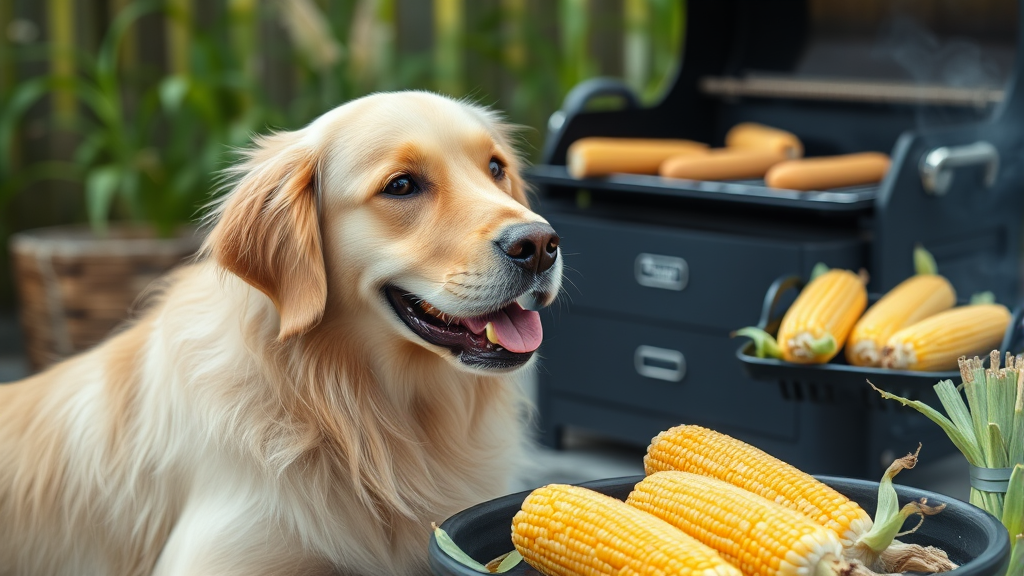
When summer barbecues are in full swing and corn on the cob is gracing dinner tables everywhere, many dog owners find themselves wondering whether it’s safe to share this sweet, golden treat with their furry companions. The sight of your dog’s hopeful eyes as you enjoy your corn can be hard to resist, but before you hand over that cob, it’s crucial to understand the potential risks and benefits.
While corn itself isn’t toxic to dogs, corn on the cob presents unique challenges that every pet owner should be aware of. The answer to whether dogs can safely consume this popular summer vegetable is more complex than a simple yes or no, involving considerations about digestibility, choking hazards, and proper preparation methods.
Understanding Corn Safety for Dogs
The fundamental question of can dogs eat corn has a nuanced answer that depends largely on how the corn is prepared and served. Plain corn kernels, when removed from the cob, are generally safe for dogs to consume in moderation. Corn is not inherently toxic to canines and can even provide some nutritional benefits when properly prepared.
However, the safety concerns arise primarily from the cob itself and the method of consumption. According to the American Veterinary Medical Association, corn cobs pose significant choking and intestinal blockage risks for dogs of all sizes. The fibrous nature of the cob makes it difficult for dogs to digest, and pieces can become lodged in the digestive tract.
Many pet owners are surprised to learn that can dogs have corn discussions often focus more on preparation methods than the corn itself. The key lies in understanding that while the kernels can be beneficial, the delivery method matters significantly for your dog’s safety and health.
The Hidden Dangers of Corn Cobs
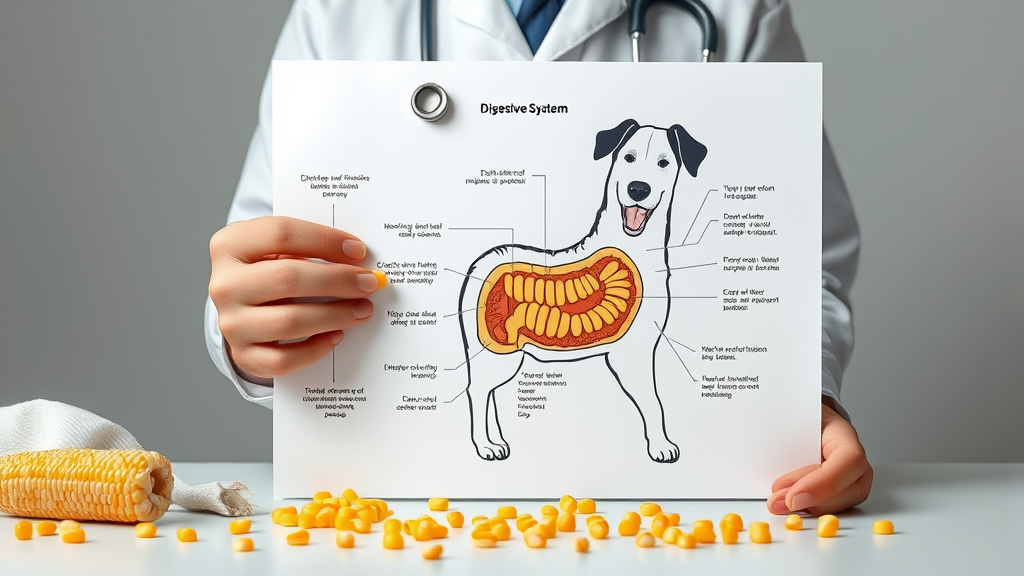
Corn cobs present multiple serious health risks that make them unsuitable for canine consumption. The most immediate concern is the choking hazard, particularly for smaller dogs who might attempt to swallow large pieces. Even dogs that successfully swallow cob pieces face the risk of intestinal obstruction, a potentially life-threatening condition requiring emergency veterinary intervention.
The Pet Poison Helpline reports that corn cob ingestion is a common cause of emergency veterinary visits, especially during summer months when corn consumption peaks. The fibrous structure of corn cobs doesn’t break down in a dog’s digestive system the way it might in ruminant animals, leading to blockages that can require surgical removal.
Veterinary professionals emphasize that can dog eat corn safety depends entirely on removing all cob material. Even small fragments can accumulate in the digestive tract over time, potentially causing partial blockages that may not be immediately apparent but can lead to serious health complications.
Signs of intestinal obstruction include vomiting, loss of appetite, lethargy, and difficulty defecating. These symptoms can appear anywhere from a few hours to several days after cob ingestion, making it crucial for pet owners to monitor their dogs closely if accidental consumption occurs.
Nutritional Benefits and Concerns
When considering is corn good for dogs, it’s important to examine both the potential benefits and drawbacks of corn in a canine diet. Corn kernels contain several nutrients that can be beneficial for dogs, including carbohydrates for energy, fiber for digestive health, and small amounts of protein, vitamins, and minerals.
The nutritional profile of corn includes vitamin C, magnesium, and antioxidants that support immune function and overall health. However, corn is also high in carbohydrates and natural sugars, which can contribute to weight gain if consumed in large quantities. For dogs with diabetes or weight management issues, corn consumption should be carefully monitored and discussed with a veterinarian.
Research published in the National Institutes of Health database indicates that while corn can be part of a balanced canine diet, it should not replace high-quality protein sources that dogs require for optimal health. The digestibility of corn varies among individual dogs, with some experiencing digestive upset from even small amounts.
Pet nutrition experts note that discussions about is corn bad for dogs often center on individual tolerance rather than universal toxicity. Some dogs may develop allergic reactions to corn, while others can consume it without issues. Understanding your dog’s specific dietary needs and sensitivities is crucial for making informed feeding decisions.

How to Safely Prepare Corn for Dogs
If you decide to offer corn to your dog, proper preparation is essential for safety and digestibility. The first and most critical step is completely removing all kernels from the cob using a sharp knife. Never allow dogs access to corn still attached to the cob, as even supervised consumption carries significant risks.
Fresh corn kernels should be cooked plain, without butter, salt, seasonings, or other additives that can be harmful to dogs. Steaming or boiling corn kernels until they’re soft makes them easier for dogs to digest. Avoid using any cooking methods that involve oils or fats, as these can contribute to digestive upset or pancreatitis in sensitive dogs.
The American Kennel Club recommends starting with very small portions to test your dog’s tolerance before offering larger amounts. Some dogs may experience digestive upset even from properly prepared corn, making gradual introduction important for identifying potential sensitivities.
When exploring whether can dogs eat maize, it’s worth noting that preparation methods remain the same regardless of corn variety. Whether using sweet corn, field corn, or other varieties, the safety protocols for removal from the cob and plain cooking apply universally.
Portion Size and Feeding Guidelines
Appropriate portion sizes for corn depend on your dog’s size, weight, and overall dietary needs. For small dogs under 20 pounds, a few kernels once or twice per week is sufficient. Medium dogs can typically handle up to a tablespoon of kernels, while large dogs may safely consume slightly larger portions without digestive issues.
The 10% rule applies to corn as it does to all dog treats and supplements – corn should comprise no more than 10% of your dog’s total daily caloric intake. This ensures that corn doesn’t displace essential nutrients from your dog’s regular, balanced diet. For dogs with specific dietary restrictions or health conditions, consult with a veterinarian before introducing corn.
Timing of corn consumption can also impact digestibility. Offering corn as an occasional treat rather than a regular meal component helps prevent digestive upset and maintains nutritional balance. The FDA’s guidelines for pet nutrition emphasize the importance of maintaining dietary balance when introducing any new food items.
Consider your dog’s activity level and metabolism when determining appropriate portions. Active, working dogs may be able to process slightly larger amounts of carbohydrate-rich foods like corn, while sedentary dogs should receive smaller portions to prevent weight gain.
Warning Signs and Emergency Situations
Recognizing the signs of corn cob ingestion or corn-related digestive issues is crucial for every dog owner. Immediate warning signs include excessive drooling, pawing at the mouth, difficulty swallowing, or obvious distress while eating. These symptoms may indicate choking or lodged cob pieces requiring immediate veterinary attention.
More delayed symptoms of intestinal obstruction can include vomiting, especially if it’s persistent or contains undigested food from previous meals. Loss of appetite, lethargy, abdominal pain, and straining to defecate are also serious warning signs that warrant immediate veterinary evaluation. The ASPCA Animal Poison Control Center emphasizes that these symptoms can appear hours or even days after problematic ingestion.
Some dogs may show subtle signs of partial obstruction, including intermittent vomiting, decreased appetite, or changes in bowel movements. These less obvious symptoms can be easily overlooked but may indicate serious underlying problems requiring professional intervention.
If you suspect your dog has consumed corn cob pieces, contact your veterinarian immediately, even if symptoms haven’t yet appeared. Early intervention can prevent more serious complications and may eliminate the need for surgical removal of obstructive materials.
Healthy Alternatives to Corn on the Cob
For dog owners looking to share summer barbecue experiences with their pets, numerous safe alternatives exist that provide similar satisfaction without the risks associated with corn cobs. Fresh, properly prepared corn kernels remain the safest way to offer corn flavors, but other vegetables can provide similar nutritional benefits with potentially better digestibility.
Carrots, green beans, and sweet potatoes offer natural sweetness and crunch that many dogs enjoy. These vegetables are generally easier to digest than corn and provide excellent sources of vitamins, minerals, and fiber. When considering related foods like can dogs eat corn tortillas, it’s important to remember that processed corn products often contain additives and higher sodium levels that aren’t suitable for dogs.
Similarly, questions about can dogs eat cornbread highlight the importance of distinguishing between plain corn and corn-based products that may contain harmful ingredients like sugar, butter, and artificial additives. Fresh, plain vegetables almost always represent safer choices for canine consumption.
Commercial dog treats designed to mimic human foods can provide safe alternatives for dogs who enjoy being included in family meals. The Humane Society maintains comprehensive lists of safe and unsafe foods for pets, helping owners make informed decisions about treat alternatives.
Frequently Asked Questions
Can dogs eat corn kernels removed from the cob?
Yes, dogs can safely eat plain corn kernels that have been completely removed from the cob and cooked without seasonings, butter, or salt. Start with small portions to test your dog’s tolerance, as some dogs may experience digestive upset even from properly prepared corn kernels.
What should I do if my dog accidentally ate a corn cob?
Contact your veterinarian immediately if your dog has consumed any portion of a corn cob. Even small pieces can cause intestinal obstruction, which may require emergency surgery. Monitor your dog closely for symptoms like vomiting, loss of appetite, lethargy, or difficulty defecating, and seek immediate veterinary care if these signs appear.
Is corn a common allergen for dogs?
While corn allergies in dogs are possible, they’re relatively uncommon compared to protein-based allergens like chicken, beef, or dairy. However, some dogs may be sensitive to corn and experience digestive upset, skin irritation, or other allergic reactions. If you suspect a corn allergy, consult with your veterinarian about elimination diets and allergy testing.
How much corn is safe for my dog to eat?
Corn should comprise no more than 10% of your dog’s total daily caloric intake. For small dogs, this means just a few kernels once or twice per week, while larger dogs may handle up to a tablespoon of kernels. Always introduce new foods gradually and monitor your dog’s response.
Can puppies eat corn?
Puppies can eat small amounts of properly prepared corn kernels, but their digestive systems are more sensitive than adult dogs. It’s best to wait until puppies are at least 12 weeks old and fully weaned before introducing corn, and always start with very small portions to avoid digestive upset.
Are there any nutritional benefits to feeding dogs corn?
Corn provides carbohydrates for energy, dietary fiber for digestive health, and small amounts of vitamins C and magnesium. However, corn is not nutritionally essential for dogs and should never replace high-quality protein sources in their diet. The nutritional benefits are minimal compared to the potential risks if not prepared properly.
What’s the difference between sweet corn and field corn for dogs?
Both sweet corn and field corn pose the same safety concerns regarding cob consumption and require identical preparation methods for safe canine consumption. Sweet corn tends to be more palatable for dogs due to its higher sugar content, but both varieties should be served as kernels only, properly cooked and unseasoned.





