
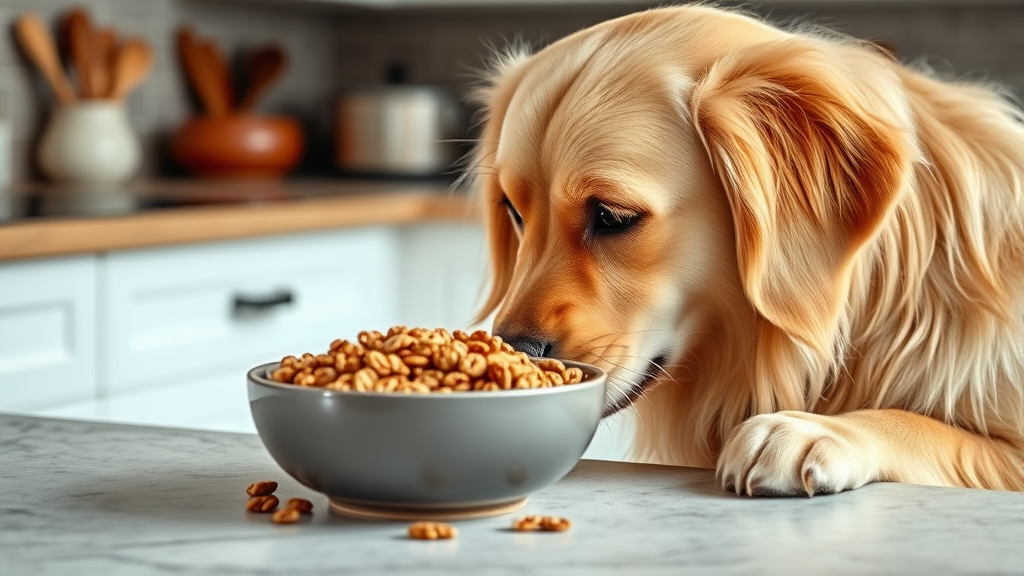
Granola has become a popular breakfast staple and healthy snack for many households, packed with oats, nuts, seeds, and dried fruits. As pet owners, we often wonder whether our favorite foods are safe to share with our canine companions. When it comes to granola, the answer isn’t straightforward – while some ingredients in granola can be beneficial for dogs, others pose serious health risks that every dog owner should understand.
The question “can dogs have granola” requires careful consideration of the specific ingredients in your granola mix. Unlike simple foods with single ingredients, granola is a complex mixture that can vary significantly between brands and homemade recipes. Some components like oats and certain nuts can be safe for dogs in moderation, while others like chocolate chips, raisins, or artificial sweeteners can be toxic. Understanding these differences is crucial for making informed decisions about what to share with your furry friend.
Breaking Down Common Granola Ingredients
Commercial and homemade granola typically contains a variety of ingredients that can affect dogs differently. The base of most granola recipes includes rolled oats, which are generally safe for dogs and can provide fiber and nutrients. However, the additional ingredients are where concerns arise. Many granola varieties contain nuts like almonds, walnuts, or pecans, some of which can be problematic for canine digestion.
Sweeteners are another major component to consider. While natural honey might seem harmless, artificial sweeteners like xylitol are extremely dangerous for dogs. Seeds such as sunflower or pumpkin seeds are often included and can be beneficial, but they should be unsalted and given in moderation. The binding agents used in granola, typically involving oils or syrups, can add unnecessary calories and fat to your dog’s diet.
Dried fruits are frequently mixed into granola blends, and this is where many dog owners need to exercise extreme caution. While some fruits like apples or bananas are safe when properly prepared, others like raisins and sultanas are highly toxic to dogs. Dried cranberries fall into a gray area, being generally safe but potentially problematic due to added sugars.

Toxic Ingredients to Avoid
Several common granola ingredients pose serious health risks to dogs and should be completely avoided. Raisins and grapes top this list, as they can cause acute kidney failure in dogs, even in small quantities. The ASPCA lists these as among the most dangerous foods for pets, and their inclusion in many granola mixes makes sharing potentially lethal.
Chocolate chips or cocoa powder, sometimes found in granola varieties, contain theobromine, which dogs cannot metabolize effectively. Dark chocolate and baking chocolate are particularly dangerous, but even milk chocolate can cause problems ranging from vomiting and diarrhea to seizures and cardiac issues. Macadamia nuts are another toxic ingredient commonly found in premium granola blends, capable of causing weakness, depression, vomiting, and tremors in dogs.
Artificial sweeteners, particularly xylitol, present an immediate emergency situation if consumed by dogs. Even small amounts can cause rapid insulin release, leading to severe hypoglycemia within 10-60 minutes of consumption. High sugar content from regular sweeteners, while not immediately toxic, can contribute to obesity, dental problems, and diabetes over time.
Dog-Safe Granola Components
Despite the risks, some granola ingredients can actually benefit dogs when given appropriately. Plain, cooked oats form the foundation of most granola and are excellent for dogs, providing fiber, protein, and essential nutrients like manganese and phosphorus. The American Kennel Club recommends oats as a healthy grain option for dogs, particularly those with wheat allergies.
Certain nuts can be safe in very small quantities, though they should always be unsalted and given sparingly due to their high fat content. Peanut butter is often used in granola recipes and can be safe for dogs, provided it doesn’t contain xylitol. However, the high calorie content means it should be treated as an occasional treat rather than a regular addition to their diet.
Pumpkin seeds and sunflower seeds, when unsalted and shelled, can provide beneficial nutrients including healthy fats, protein, and minerals. These seeds are often easier for dogs to digest than tree nuts and pose fewer risks. Some granola recipes include coconut flakes, which are generally safe for dogs in small amounts, though the high saturated fat content requires moderation.
Potential Health Risks and Concerns
Even when granola contains primarily safe ingredients, several health concerns make it unsuitable as a regular treat for dogs. The high calorie density of most granola can quickly contribute to weight gain, especially in smaller dogs or less active pets. A single serving of granola can contain 300-400 calories, which might represent a significant portion of a small dog’s daily caloric needs.
The high fat content in nuts and oils can trigger pancreatitis in susceptible dogs, a serious condition that requires immediate veterinary attention. According to the American Veterinary Medical Association, fatty foods are a common trigger for this painful inflammatory condition. Dogs with a history of pancreatitis should never be given granola or similar high-fat treats.
Digestive upset is another common concern when dogs consume granola. The combination of high fiber, fats, and unfamiliar ingredients can lead to vomiting, diarrhea, or gastric distress. The texture of granola can also present choking hazards, particularly for smaller dogs or those who tend to gulp their food without chewing thoroughly.

Healthy Alternatives to Granola for Dogs
Instead of sharing your granola, consider dog-specific alternatives that provide similar textures and flavors without the associated risks. Plain, cooked oatmeal makes an excellent substitute, providing the same base grain benefits without problematic additions. You can enhance plain oats with dog-safe fruits like blueberries or small pieces of apple (without seeds).
Commercial dog treats designed to mimic human breakfast foods offer another option. Many pet food manufacturers now produce granola-style treats specifically formulated for dogs, removing toxic ingredients while maintaining appealing textures and flavors. These products undergo safety testing and nutritional analysis to ensure they meet canine dietary requirements.
For dogs who enjoy crunchy textures, consider alternatives like plain Cheerios in very small quantities, or better yet, vegetables like carrot sticks or green beans. These options provide satisfying crunch without the high calorie and fat content of granola. Always remember that treats should never exceed 10% of your dog’s daily caloric intake, regardless of how healthy they might seem.
What to Do If Your Dog Eats Granola
If your dog accidentally consumes granola, quick assessment and appropriate action can prevent serious complications. First, determine exactly what type of granola was consumed and identify the ingredients list if possible. This information will be crucial if veterinary consultation becomes necessary. Look specifically for toxic ingredients like raisins, chocolate, macadamia nuts, or xylitol.
The amount consumed relative to your dog’s size is a critical factor in determining urgency. A large dog who ate a small amount of plain granola may only require monitoring, while a small dog who consumed chocolate-chip granola needs immediate veterinary attention. Contact your veterinarian or the ASPCA Animal Poison Control Center for professional guidance based on the specific situation.
Monitor your dog closely for symptoms including vomiting, diarrhea, lethargy, excessive thirst, difficulty breathing, or unusual behavior. Document any symptoms with timestamps, as this information helps veterinarians assess the severity and progression of potential poisoning. Never attempt to induce vomiting unless specifically instructed by a veterinary professional, as some substances can cause additional damage when brought back up.
Making Dog-Friendly Granola at Home
Creating homemade granola specifically for dogs allows you to control every ingredient while providing a special treat your pet can safely enjoy. Start with a base of plain rolled oats, which should comprise the majority of the mixture. Add dog-safe ingredients like unsweetened pumpkin puree for binding and flavor, along with a small amount of natural peanut butter (xylitol-free) for taste appeal.
Include beneficial additions like chia seeds or ground flaxseed for omega-3 fatty acids, and consider small pieces of dog-safe fruits like blueberries or diced apple (seeds removed). Avoid all sweeteners, including honey, as dogs don’t require added sugars in their diet. Bake the mixture at a low temperature until crispy, ensuring it’s completely cool before serving.
Store homemade dog granola in airtight containers and use within a week to maintain freshness. Remember that even healthy homemade versions should be given as occasional treats, not meal replacements. The Humane Society recommends consulting with your veterinarian before introducing any new foods into your dog’s regular diet, especially if your pet has existing health conditions or food sensitivities.
Frequently Asked Questions
Can dogs eat granola in small amounts?
While small amounts of plain granola without toxic ingredients might not immediately harm a healthy dog, it’s not recommended due to high calorie, fat, and sugar content. Even safe granola can contribute to obesity and digestive upset. It’s better to offer dog-specific treats designed for their nutritional needs.
What should I do if my dog ate granola with raisins?
This is a veterinary emergency. Contact your veterinarian or animal poison control immediately, even if your dog seems fine. Raisin toxicity can cause kidney failure in dogs, and early treatment significantly improves outcomes. Don’t wait for symptoms to appear, as damage may already be occurring.
Is homemade granola safer for dogs than store-bought?
Homemade granola can be safer if you carefully select dog-safe ingredients and avoid all toxic components. However, even homemade versions should be given sparingly due to high calorie content. Always research each ingredient for dog safety before including it in homemade treats.
Can puppies eat granola?
Puppies should not eat granola. Their developing digestive systems are more sensitive to dietary changes, and the high fat content can easily cause stomach upset. Puppies also have stricter caloric requirements for proper growth, making high-calorie treats like granola inappropriate for their diet.
Are there commercial dog treats that taste like granola?
Yes, many pet food companies produce granola-style treats specifically formulated for dogs. These products remove toxic ingredients while maintaining similar textures and flavors. Look for treats from reputable manufacturers that list all ingredients and have undergone safety testing.
How can I tell if granola ingredients are safe for my dog?
Check ingredient lists carefully, avoiding raisins, chocolate, macadamia nuts, xylitol, and high sugar content. When in doubt, consult your veterinarian or reliable pet nutrition resources. Remember that even safe ingredients can be problematic in large quantities due to calorie density.
What are the signs of granola poisoning in dogs?
Symptoms vary depending on the toxic ingredient consumed but may include vomiting, diarrhea, lethargy, excessive thirst, difficulty breathing, weakness, tremors, or seizures. Raisin toxicity might not show immediate symptoms, while xylitol poisoning can cause rapid onset hypoglycemia. Any concerning symptoms after granola consumption warrant immediate veterinary attention.





