
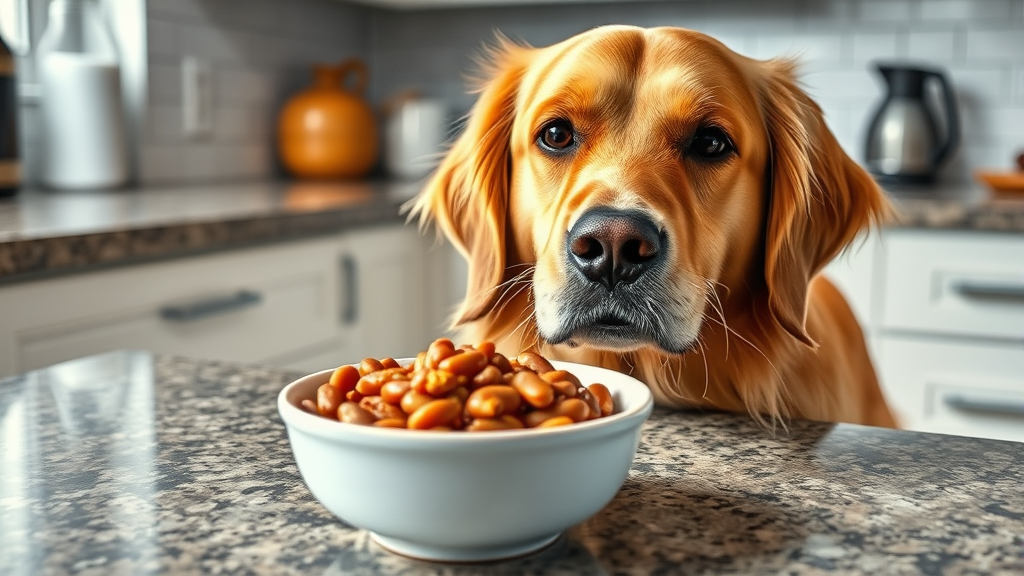
As dog owners, we often find ourselves wondering whether our favorite foods are safe to share with our furry companions. When it comes to refried beans, a popular staple in Mexican and Tex-Mex cuisine, many pet parents ask: can dogs have refried beans? The short answer is that while plain beans aren’t inherently toxic to dogs, refried beans are generally not recommended for canine consumption due to their high sodium content and potentially harmful ingredients.
Refried beans are typically loaded with salt, spices, and sometimes garlic or onion, all of which can be problematic for dogs. Understanding what makes these seemingly innocent legumes unsuitable for your pet is crucial for maintaining their health and preventing digestive issues. Let’s explore the specifics of why refried beans should be avoided and what safer alternatives you can offer your dog instead.
What Are Refried Beans?
Refried beans are a traditional Mexican dish made from cooked and mashed beans, typically pinto or black beans. Despite their name, they aren’t actually fried twice – the term “refried” comes from the Spanish “refritos,” which means “well-fried.” The preparation process involves cooking dried beans until tender, then mashing and frying them with various seasonings and fats.
Commercial refried beans found in grocery stores often contain high levels of sodium, preservatives, and flavor enhancers. Many varieties include ingredients like garlic powder, onion powder, cumin, and sometimes lard or vegetable oils. These additions, while delicious for humans, can pose significant health risks to dogs.
The manufacturing process also varies between brands, with some using more natural ingredients while others rely heavily on artificial additives and excessive salt content. Understanding these variations is important when considering can dogs eat refried beans in any context.

Why Refried Beans Are Problematic for Dogs
The primary concerns with refried beans for dogs stem from their high sodium content and potentially toxic ingredients. Most commercial refried beans contain between 400-500mg of sodium per half-cup serving, which is far too much for dogs. The American Kennel Club emphasizes that excessive sodium can lead to serious health complications in canines.
Garlic and onion, common ingredients in refried beans, are particularly dangerous for dogs. These alliums contain compounds called thiosulfates that can damage red blood cells, leading to hemolytic anemia. Even small amounts can be toxic, and the effects may not be immediately apparent, making them especially concerning.
Additionally, the high fat content in many refried bean preparations can trigger pancreatitis in dogs, particularly those predisposed to the condition. The combination of fats, spices, and preservatives creates a perfect storm for digestive upset and potential long-term health issues.
Health Risks and Symptoms
When dogs consume refried beans, several health risks may manifest. Immediate symptoms often include vomiting, diarrhea, excessive thirst, and lethargy. The high sodium content can cause sodium ion poisoning, leading to symptoms such as tremors, seizures, and in severe cases, coma.
Garlic and onion toxicity may not show symptoms immediately but can develop over several days. Signs include weakness, pale gums, rapid breathing, and dark-colored urine. According to the ASPCA, these symptoms require immediate veterinary attention.
Long-term consumption of high-sodium foods like refried beans can contribute to kidney disease, heart problems, and hypertension in dogs. The cumulative effect of these ingredients makes even occasional consumption risky for most dogs.
If you’re dealing with digestive issues in your pet, knowing what can you give a dog for upset stomach can be invaluable for providing immediate relief while seeking veterinary care.
Plain Beans vs. Refried Beans
While refried beans are problematic, plain, cooked beans can be a different story. Simple, unseasoned beans like kidney beans, black beans, and pinto beans are not toxic to dogs when prepared properly. However, they should still be given in moderation due to their high fiber content, which can cause digestive upset if consumed in large quantities.
The key difference lies in preparation and additives. Plain beans cooked without salt, spices, or oils are significantly safer than their refried counterparts. When considering bean options, you might also wonder about other varieties like whether can dogs eat red beans or explore options like can dogs have garbanzo beans for safer alternatives.
It’s worth noting that some processed bean products, such as can dogs eat baked beans, present similar risks to refried beans due to their high sugar and sodium content, making plain varieties the only potentially safe option.
Safe Bean Alternatives for Dogs
If you want to share bean-like foods with your dog, several safer alternatives exist. Green beans are an excellent choice – they’re low in calories, high in fiber, and most dogs enjoy their crunchy texture. These can be served fresh, steamed, or frozen as a healthy treat.
Lima beans, when cooked plain without seasonings, can also be offered occasionally. However, they should be thoroughly cooked and given in small portions to prevent digestive upset. The FDA’s guidelines on pet nutrition emphasize the importance of moderation with any human food.
Edamame (young soybeans) can be another safe option when served plain and shelled. These provide protein and fiber but should be introduced gradually to monitor your dog’s tolerance. Always remove pods before serving, as they can pose a choking hazard.
When preparing any beans for your dog, ensure they’re thoroughly cooked, completely plain, and served in small portions. This approach minimizes the risk of digestive issues while providing some nutritional benefits.
What to Do If Your Dog Eats Refried Beans
If your dog has consumed refried beans, the first step is to assess the quantity eaten and check the ingredient list if available. Small amounts may only cause mild digestive upset, while larger quantities or beans containing garlic and onion require immediate attention.
Monitor your dog closely for the next 24-48 hours, watching for symptoms like vomiting, diarrhea, excessive thirst, or unusual behavior. Keep fresh water available to help flush excess sodium from their system, but don’t force them to drink if they’re vomiting.
Contact your veterinarian immediately if you notice any concerning symptoms or if the beans contained garlic or onion. The Pet Poison Helpline is also available 24/7 for emergency consultations and can provide guidance based on your specific situation.
Document what your dog ate, including the brand, quantity, and time of consumption. This information will be valuable for your veterinarian in determining the appropriate treatment course.
Prevention and Safe Feeding Practices
Prevention is always better than treatment when it comes to pet safety. Store refried beans and other potentially harmful foods in secure locations where curious dogs cannot access them. This is particularly important during meal preparation or when entertaining guests who might not be aware of what foods are dangerous for dogs.
Educate family members and visitors about foods that are off-limits for your pet. Create a list of safe and unsafe foods to post in your kitchen as a quick reference. This is especially helpful when considering combination foods like can dogs eat corn tortillas or can dogs eat cheese, which are often served alongside refried beans.
Establish consistent feeding routines and stick to high-quality commercial dog food as the primary nutrition source. When offering treats or human food, follow the 10% rule – treats should never make up more than 10% of your dog’s daily caloric intake.
Consider creating a “safe foods” list that includes dog-friendly options you can confidently share. This proactive approach helps prevent accidental ingestion while still allowing you to include your pet in family meals safely.
Frequently Asked Questions
Can a small amount of refried beans hurt my dog?
Even small amounts of refried beans can cause digestive upset due to their high sodium content and potential inclusion of garlic or onion. While a tiny taste might not cause serious harm, it’s best to avoid giving refried beans to dogs entirely. The risk increases with the dog’s size – smaller dogs are more susceptible to sodium toxicity and ingredient sensitivities.
What should I do if my dog ate refried beans with garlic?
If your dog consumed refried beans containing garlic, contact your veterinarian immediately. Garlic toxicity can develop over 1-3 days and may cause serious complications including anemia. Monitor for symptoms like weakness, pale gums, vomiting, or difficulty breathing, and seek emergency veterinary care if any of these signs appear.
Are homemade refried beans safer for dogs than store-bought?
Homemade refried beans are potentially safer only if made without salt, garlic, onion, or excessive oils. However, even plain homemade versions should be given sparingly due to their high fiber content. The safest approach is to avoid refried beans altogether and opt for plain, cooked beans in very small quantities if you want to share legumes with your dog.
Can refried beans cause long-term health problems in dogs?
Regular consumption of refried beans can contribute to long-term health issues including kidney problems, heart disease, and hypertension due to their high sodium content. Additionally, repeated exposure to garlic and onion can cause cumulative damage to red blood cells. Even occasional consumption poses unnecessary risks to your dog’s health.
What are the signs of sodium poisoning in dogs?
Signs of sodium poisoning include excessive thirst and urination, vomiting, diarrhea, lethargy, loss of appetite, and in severe cases, tremors or seizures. According to the American Veterinary Medical Association, these symptoms can develop within hours of consumption and require immediate veterinary attention.
Are there any beans that are completely safe for dogs?
Green beans are generally considered the safest bean option for dogs when served plain and cooked. Black beans, kidney beans, and lima beans can be safe in small quantities when prepared without seasonings, salt, or oils. However, all beans should be introduced gradually and given in moderation to prevent digestive upset.
How can I satisfy my dog’s interest in human food safely?
Provide dog-safe alternatives like plain cooked vegetables (carrots, green beans, sweet potatoes), small pieces of cooked chicken, or commercial dog treats designed to mimic human food flavors. The Humane Society offers comprehensive lists of safe and unsafe foods to help guide your choices. Always introduce new foods gradually and in small quantities.





