

As a devoted dog owner, you’ve likely experienced those pleading eyes staring at your perfectly grilled steak. The question “can dogs have steak” is one that crosses many pet parents’ minds during dinner time. While the sight of your furry friend’s hopeful expression might tug at your heartstrings, it’s crucial to understand the facts before sharing your meal.
Steak can be safe for dogs when prepared and served properly, but there are important considerations every dog owner should know. From preparation methods to portion sizes, and potential health risks to nutritional benefits, this comprehensive guide will help you make informed decisions about sharing steak with your canine companion.
Can Dogs Eat Steak Safely?
The short answer is yes, dogs can eat steak safely when it’s prepared correctly. However, this doesn’t mean you should simply toss a piece of your seasoned dinner steak to your pet. Dogs can benefit from lean cuts of beef as an occasional treat, but the preparation method makes all the difference between a healthy snack and a potential health hazard.
According to the American Kennel Club, beef is generally safe for dogs and can be a good source of protein. However, the steak must be plain, cooked thoroughly, and free from seasonings, marinades, or sauces that could be harmful to your pet. Raw or undercooked steak poses risks of bacterial contamination, while heavily seasoned meat can contain ingredients toxic to dogs.
When considering whether to share steak with your dog, it’s important to choose lean cuts and remove any visible fat or bones before serving. The cooking method also matters significantly – grilled, broiled, or pan-seared steak without oils or butter is preferable to heavily processed or fried preparations.
Nutritional Benefits of Steak for Dogs
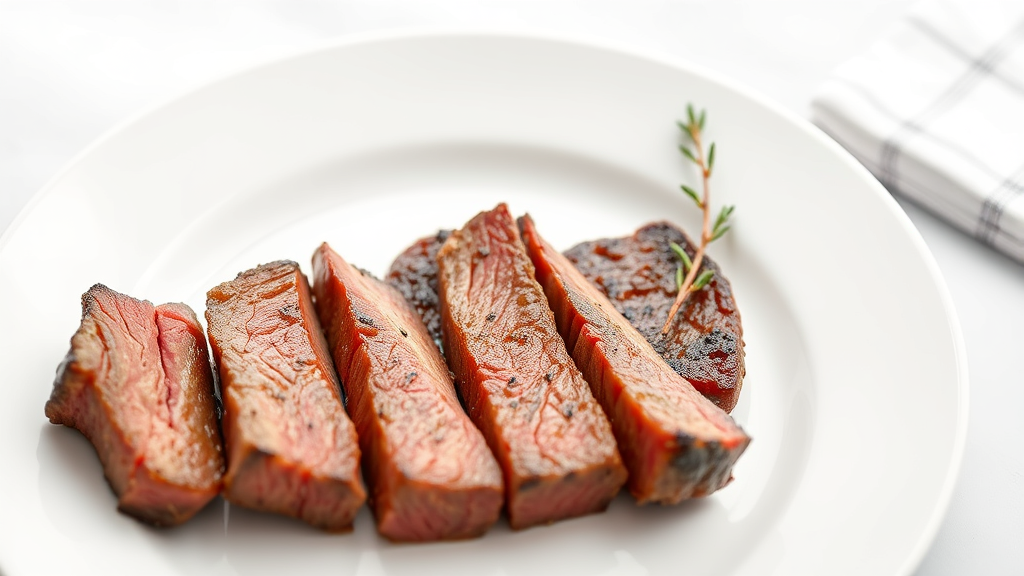
High-quality beef provides several nutritional benefits that can complement your dog’s regular diet. Steak is an excellent source of complete protein, containing all essential amino acids necessary for muscle development, tissue repair, and overall health maintenance. This makes it particularly valuable for active dogs, growing puppies, or senior dogs who may need additional protein support.
Beyond protein, steak contains important vitamins and minerals including iron, zinc, vitamin B12, and niacin. Iron supports healthy blood cell production and oxygen transport throughout the body, while zinc plays a crucial role in immune function and wound healing. Vitamin B12 is essential for nervous system function and red blood cell formation, making these nutrients valuable additions to your dog’s nutritional profile.
However, it’s crucial to remember that steak should only serve as an occasional supplement to a balanced commercial dog food, not as a primary protein source. The American Veterinary Medical Association emphasizes that commercial dog foods are formulated to meet all nutritional requirements, and additional proteins should be given sparingly to avoid nutritional imbalances.
Proper Preparation Methods
Proper preparation is absolutely critical when sharing steak with your dog. The meat should be cooked thoroughly to eliminate harmful bacteria such as E. coli, Salmonella, and other pathogens that can cause serious illness. Unlike some other beef products, where you might wonder can dogs eat raw steak, it’s always safer to cook the meat completely.
Start by selecting lean cuts such as sirloin, round steak, or tenderloin, and trim away all visible fat before cooking. Fat can be difficult for dogs to digest and may lead to pancreatitis, a serious and potentially life-threatening condition. Cook the steak using simple methods like grilling, broiling, or pan-searing without any oils, butter, or seasonings.
Avoid using garlic, onions, excessive salt, pepper, or any commercial marinades, as these can be toxic to dogs. The ASPCA’s Animal Poison Control Center lists many common cooking ingredients as harmful to pets. After cooking, allow the steak to cool completely before cutting it into appropriate-sized pieces for your dog’s size and removing any remaining fat or gristle.
Portion Sizes and Frequency Guidelines
Determining the right portion size depends largely on your dog’s size, weight, and overall health status. As a general rule, treats and supplemental foods like steak should comprise no more than 10% of your dog’s daily caloric intake. For a small dog weighing 10-20 pounds, this might mean just a few small pieces, while larger dogs over 50 pounds could safely consume slightly larger portions.
A good starting point is to offer no more than one ounce of cooked steak per 10 pounds of body weight, and this should be considered an occasional treat rather than a regular meal component. Most veterinary nutritionists recommend limiting steak treats to once or twice per week at most, allowing your dog’s digestive system time to process the rich protein between servings.

Consider your dog’s existing diet when determining portions. If your pet already receives a high-protein commercial food or other protein-rich treats, you may need to reduce the steak portion accordingly. Dogs with sensitive stomachs or those prone to digestive upset should start with even smaller amounts to gauge their tolerance.
Potential Risks and Health Concerns
While steak can be a healthy treat, several risks need careful consideration. High-fat content, even in lean cuts, can trigger pancreatitis in susceptible dogs. This inflammatory condition affects the pancreas and can cause severe abdominal pain, vomiting, diarrhea, and in severe cases, may require emergency veterinary treatment.
Bacterial contamination represents another significant concern, particularly with undercooked meat. Even high-quality steak can harbor harmful bacteria, which is why thorough cooking is essential. Unlike processed options you might consider, such as whether can dogs eat ground beef, whole cuts of steak may have bacteria on the surface that requires proper cooking to eliminate.
Bones present a serious choking and obstruction hazard and should never be given to dogs. Cooked bones become brittle and can splinter, potentially causing internal injuries or requiring surgical removal. The FDA warns specifically about the dangers of giving dogs cooked bones of any kind.
Some dogs may develop food allergies or sensitivities to beef, resulting in symptoms like itching, digestive upset, or skin problems. If you notice any adverse reactions after giving your dog steak, discontinue immediately and consult your veterinarian.
Alternatives and Special Considerations
For dogs with beef sensitivities or owners seeking variety, several alternatives can provide similar nutritional benefits. Lean poultry such as chicken or turkey, prepared without seasonings, offers excellent protein with typically lower fat content. Fish like salmon provides protein along with beneficial omega-3 fatty acids for coat and skin health.
When exploring other beef-based options, you might consider whether can dogs have ground beef as an alternative to steak. Ground beef can be easier to portion and digest, though it requires the same careful preparation and cooking guidelines.
Commercial dog treats designed specifically for canines often provide safer alternatives to human food. These products are formulated to meet pets’ nutritional needs while avoiding potentially harmful ingredients. High-quality freeze-dried meat treats or specially formulated training treats can satisfy your dog’s desire for meat flavors without the risks associated with human food preparation.
For dogs with specific dietary restrictions or health conditions, always consult with your veterinarian before introducing new foods. Senior dogs, puppies, and pets with chronic conditions may have different nutritional needs that affect their ability to safely process rich foods like steak.
When to Consult Your Veterinarian
Several situations warrant immediate veterinary consultation when it comes to feeding steak to your dog. If your pet has a history of pancreatitis, digestive issues, or food allergies, discuss any dietary changes with your veterinarian before offering steak. Dogs with kidney disease, liver problems, or other chronic conditions may need specialized diets that exclude rich proteins like steak.
Contact your veterinarian immediately if your dog shows signs of distress after eating steak, including vomiting, diarrhea, excessive drooling, lethargy, or abdominal pain. These symptoms could indicate pancreatitis, food poisoning, or other serious conditions requiring prompt medical attention.
The Humane Society provides comprehensive guidelines about foods that can be dangerous for pets. If you’re unsure about any ingredient or preparation method, err on the side of caution and seek professional advice.
Regular wellness visits provide excellent opportunities to discuss your dog’s diet, including questions about treats like steak. Your veterinarian can provide personalized recommendations based on your pet’s age, weight, activity level, and overall health status, ensuring any dietary supplements support rather than compromise their wellbeing.
Some pet owners also wonder about related products like whether can dogs eat beef jerky or can dogs have beef broth. These processed beef products often contain high sodium levels and preservatives that make them less suitable for dogs than plain, cooked steak.
Frequently Asked Questions
How much steak can I safely give my dog?
The safe amount depends on your dog’s size and weight. Generally, limit steak to no more than one ounce per 10 pounds of body weight, and ensure it comprises less than 10% of their daily caloric intake. Small dogs should receive just a few small pieces, while larger dogs can have slightly more, but always as an occasional treat rather than a regular meal component.
Should I give my dog raw or cooked steak?
Always give your dog cooked steak. Raw steak can contain harmful bacteria like E. coli and Salmonella that can cause serious illness. Cook the steak thoroughly without any seasonings, oils, or marinades, and allow it to cool completely before serving to your pet.
What cuts of steak are best for dogs?
Choose lean cuts such as sirloin, round steak, or tenderloin. These cuts contain less fat than ribeye or other marbled steaks, reducing the risk of pancreatitis. Always trim away visible fat before cooking and serving to your dog.
Can steak bones be given to dogs?
No, never give cooked steak bones to dogs. Cooked bones become brittle and can splinter, causing choking hazards, intestinal blockages, or internal injuries. If you’re curious about bone safety in general, research whether can dogs eat bones for comprehensive information about bone alternatives.
What seasonings are dangerous for dogs on steak?
Avoid garlic, onions, excessive salt, pepper, and any commercial marinades or sauces. These ingredients can be toxic to dogs and cause various health problems ranging from digestive upset to more serious conditions like anemia or organ damage.
How often can I give my dog steak as a treat?
Limit steak treats to once or twice per week at most. This frequency allows your dog’s digestive system time to process the rich protein between servings while preventing nutritional imbalances that could result from too much supplemental protein.
What should I do if my dog shows signs of illness after eating steak?
Contact your veterinarian immediately if your dog experiences vomiting, diarrhea, lethargy, excessive drooling, or abdominal pain after eating steak. These symptoms could indicate pancreatitis, food poisoning, or other serious conditions requiring prompt medical attention.





