

Just like humans, dogs can experience boredom when they lack mental and physical stimulation in their daily lives. A bored dog often exhibits destructive behaviors, excessive barking, or restlessness that can be challenging for pet owners to manage. Understanding that dogs are intelligent, social creatures who need engagement is crucial for maintaining their mental health and strengthening the bond between you and your furry companion.
Recognizing the signs of canine boredom and implementing engaging activities can transform your dog’s quality of life while preventing behavioral issues that stem from understimulation. From interactive puzzle toys to outdoor adventures, there are countless ways to keep your dog mentally and physically satisfied throughout the day.
Understanding Dog Boredom: Signs and Causes
Dog boredom manifests in various ways that pet owners should recognize early. Common signs include excessive barking, destructive chewing, digging, pacing, attention-seeking behaviors, and even depression-like symptoms. Some dogs may engage in repetitive behaviors like tail chasing or compulsive licking when they’re understimulated.
The root causes of canine boredom often stem from insufficient mental stimulation, lack of physical exercise, social isolation, or predictable routines that fail to challenge your dog’s intelligence. Working breeds and high-energy dogs are particularly susceptible to boredom due to their genetic predisposition for activity and problem-solving.
Environmental factors also play a significant role in dog boredom. Dogs left alone for extended periods without adequate enrichment activities are more likely to develop problematic behaviors. Understanding why do dogs sleep so much can help you determine if your pet is sleeping out of boredom or natural rest cycles.
Mental Stimulation Activities for Indoor Fun
Mental enrichment is just as important as physical exercise for keeping dogs engaged. Hide-and-seek games using treats or toys throughout your home provide excellent mental stimulation while encouraging natural foraging behaviors. Start with easy hiding spots and gradually increase difficulty as your dog becomes more proficient.
Food puzzle feeders and slow-feed bowls transform mealtime into an engaging activity that challenges your dog’s problem-solving skills. These tools not only provide mental stimulation but also promote healthier eating habits by slowing down consumption and improving digestion.
Training sessions focused on new tricks or commands offer excellent mental exercise while strengthening your bond. Teaching your dog to identify different toys by name, perform complex sequences, or learn agility moves indoors can keep their minds sharp and focused. The American Kennel Club emphasizes the importance of mental stimulation for overall canine well-being.
Scent work activities tap into your dog’s natural abilities and provide intense mental stimulation. Hide treats around the house, use scent trails, or create DIY snuffle mats using fleece strips tied to rubber mats. These activities engage your dog’s most powerful sense while providing satisfying mental challenges.
Physical Exercise Ideas to Burn Energy
Regular physical exercise is fundamental for preventing boredom and maintaining your dog’s physical health. Daily walks should be supplemented with more vigorous activities like jogging, hiking, or playing fetch in secure areas. The amount and intensity of exercise needed varies significantly between breeds and individual dogs.
Swimming provides excellent low-impact exercise that’s particularly beneficial for older dogs or those with joint issues. Many dogs naturally love water activities, and swimming engages multiple muscle groups while being easier on joints than high-impact activities.
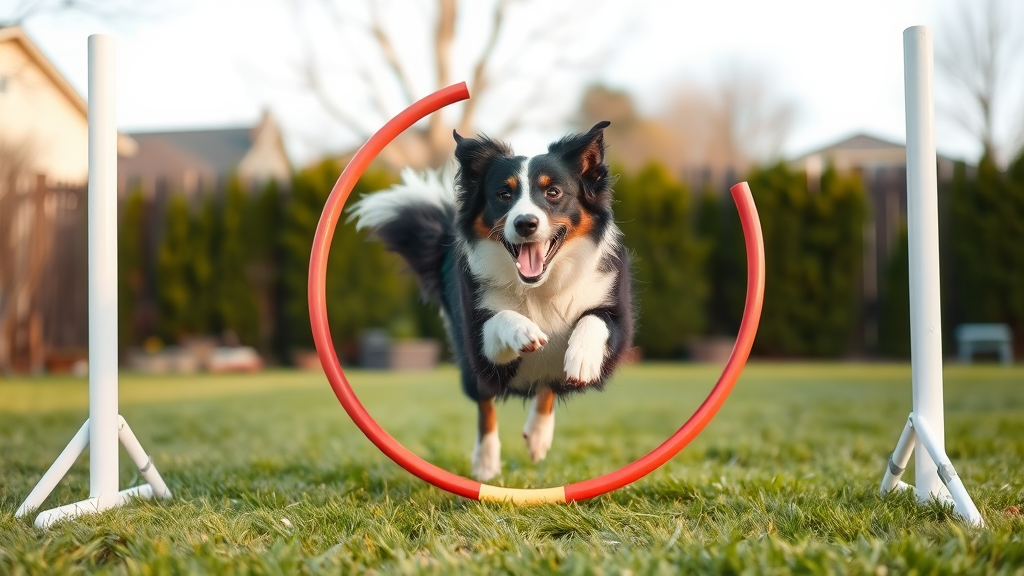
Agility training in your backyard using homemade obstacles can provide both physical and mental stimulation. Set up jumps using PVC pipes, create weave poles with garden stakes, or use tunnels made from large cardboard boxes. Understanding why do dogs love tennis balls can help you incorporate their favorite toys into exercise routines.
Interactive play sessions with other dogs provide socialization opportunities alongside physical exercise. Dog parks, playdates with friends’ pets, or organized doggy daycare can offer valuable social and physical stimulation that solo activities cannot provide.
Interactive Toys and Puzzle Games
Interactive toys serve as excellent boredom busters when you’re not available to engage directly with your dog. Puzzle feeders, treat-dispensing balls, and electronic toys that respond to your dog’s actions can provide hours of entertainment and mental stimulation.
Rotate toys regularly to maintain novelty and interest. Store some toys away and reintroduce them weekly to create excitement and prevent habituation. This simple strategy can make existing toys feel new and engaging again without additional purchases.
DIY puzzle toys can be created using household items like toilet paper rolls filled with treats, muffin tins with tennis balls covering treats in each cup, or frozen Kong toys stuffed with your dog’s favorite foods. These homemade options are cost-effective and can be customized to your dog’s preferences and skill level.
Electronic interactive toys that move unpredictably or make sounds can captivate dogs for extended periods. However, supervise initial use to ensure your dog doesn’t become overstimulated or develop obsessive behaviors. Understanding why do dogs like squeaky toys can help you choose the most appealing interactive options.

Social Activities and Training Opportunities
Social interaction is crucial for preventing boredom and maintaining your dog’s emotional well-being. Regular training sessions that focus on positive reinforcement not only provide mental stimulation but also strengthen the human-animal bond while improving obedience and communication.
Group training classes offer socialization opportunities with other dogs and people while learning new skills in a structured environment. These classes provide mental challenges, social interaction, and professional guidance for addressing behavioral issues that may stem from boredom.
Volunteer activities like therapy dog training or participation in community events can provide meaningful engagement for both you and your dog. These activities offer novel experiences, social interaction, and mental stimulation while contributing positively to your community.
Playdates with compatible dogs provide essential social stimulation that can tire out even high-energy dogs more effectively than solo activities. Organize regular meetups with neighbors’ dogs or join local dog groups to create consistent social opportunities. The American Veterinary Medical Association recommends regular socialization for optimal canine mental health.
Creating a Balanced Daily Routine
Establishing a structured routine that incorporates various types of stimulation helps prevent boredom while providing predictability that dogs crave. A balanced day should include physical exercise, mental challenges, social interaction, rest periods, and quiet time for relaxation.
Morning activities should focus on physical exercise to help your dog start the day with energy release. This might include a brisk walk, backyard play session, or interactive games that get both their body and mind working. Understanding why do dogs circle before they lay down can help you recognize when they’re ready for rest periods.
Midday mental stimulation can include puzzle feeders, training sessions, or interactive toys that keep your dog engaged during traditionally quiet periods. This is especially important for dogs left alone during work hours, as it prevents the development of separation anxiety and destructive behaviors.
Evening activities should wind down gradually, incorporating calming activities like gentle brushing, why do dogs like belly rubs, or quiet training sessions that prepare your dog for restful sleep. The Humane Society provides excellent guidance on creating enriching daily routines for dogs.
Troubleshooting Common Challenges
Some dogs may initially show little interest in new activities or toys, requiring patience and gradual introduction to build enthusiasm. Start with high-value rewards and short sessions, gradually increasing complexity and duration as your dog becomes more engaged.
Weather limitations can restrict outdoor activities, making indoor alternatives essential for maintaining consistent stimulation. Prepare a variety of indoor activities for rainy days, extreme temperatures, or other situations that prevent outdoor exercise and exploration.
Destructive behaviors that stem from boredom, such as excessive digging, require targeted solutions that address the underlying need for stimulation. Learning how to stop a dog from digging involves providing alternative outlets for natural behaviors while increasing overall enrichment.
Age-related considerations affect activity choices, as puppies, adult dogs, and seniors have different energy levels and physical capabilities. Adapt activities to match your dog’s life stage, health status, and individual preferences while maintaining consistent mental and physical stimulation.
Sleep disturbances may indicate inadequate daytime stimulation or overstimulation before bedtime. Monitor your dog’s sleep patterns and consider whether do dogs have nightmares or if behavioral changes indicate needed adjustments to their activity schedule. Understanding why do dogs scratch their beds can also help identify comfort or anxiety issues that may be affecting their rest quality.
Frequently Asked Questions
How can I tell if my dog is bored or just tired?
Bored dogs typically display restless behaviors like pacing, whining, or seeking attention, while tired dogs will settle down to rest naturally. A bored dog may also engage in destructive behaviors or appear depressed, whereas a properly exercised dog will rest contentedly. If your dog seems lethargic despite adequate rest, consult with your veterinarian to rule out health issues.
How much daily exercise does my dog need to prevent boredom?
Exercise requirements vary significantly by breed, age, and individual energy levels. Most dogs benefit from at least 30 minutes to 2 hours of physical activity daily, combined with mental stimulation activities. High-energy breeds like Border Collies or German Shepherds may require significantly more exercise, while smaller or older dogs may need less intensive but still regular activity.
Can mental stimulation replace physical exercise for my dog?
While mental stimulation is crucial for preventing boredom, it cannot completely replace physical exercise. Dogs need both mental and physical challenges for optimal health and behavior. However, mental activities can be more tiring than physical exercise in some cases, making them excellent supplements to regular exercise routines, especially during weather limitations or for dogs with physical restrictions.
What are some budget-friendly ways to keep my dog entertained?
Many effective boredom-busting activities require minimal cost. Create DIY puzzle toys using toilet paper rolls and treats, organize treasure hunts around your home, practice training sessions using regular kibble as rewards, or arrange playdates with other dogs. Rotating existing toys, exploring new walking routes, and teaching new tricks using positive reinforcement are all cost-effective enrichment strategies.
How often should I rotate my dog’s toys to maintain interest?
Rotate toys every few days to weekly to maintain novelty and prevent habituation. Keep only a few toys available at any given time, storing others away and reintroducing them regularly. This strategy makes old toys feel new again and prevents overwhelming your dog with too many choices while maintaining their interest and engagement levels.
Is it normal for my dog to sleep more when they’re bored?
Yes, some dogs may sleep excessively when they’re bored, similar to how humans might nap when understimulated. However, increased sleeping can also indicate health issues, depression, or natural aging processes. If your dog’s sleep patterns change dramatically alongside other behavioral changes, consult with your veterinarian to rule out medical concerns while increasing daily enrichment activities.
Can boredom lead to behavioral problems in dogs?
Absolutely. Chronic boredom is a leading cause of destructive behaviors, excessive barking, aggression, separation anxiety, and compulsive behaviors in dogs. When dogs lack appropriate outlets for their energy and intelligence, they often create their own entertainment through problem behaviors. Preventing boredom through regular mental and physical stimulation is much easier than correcting established behavioral issues that stem from chronic understimulation.





