
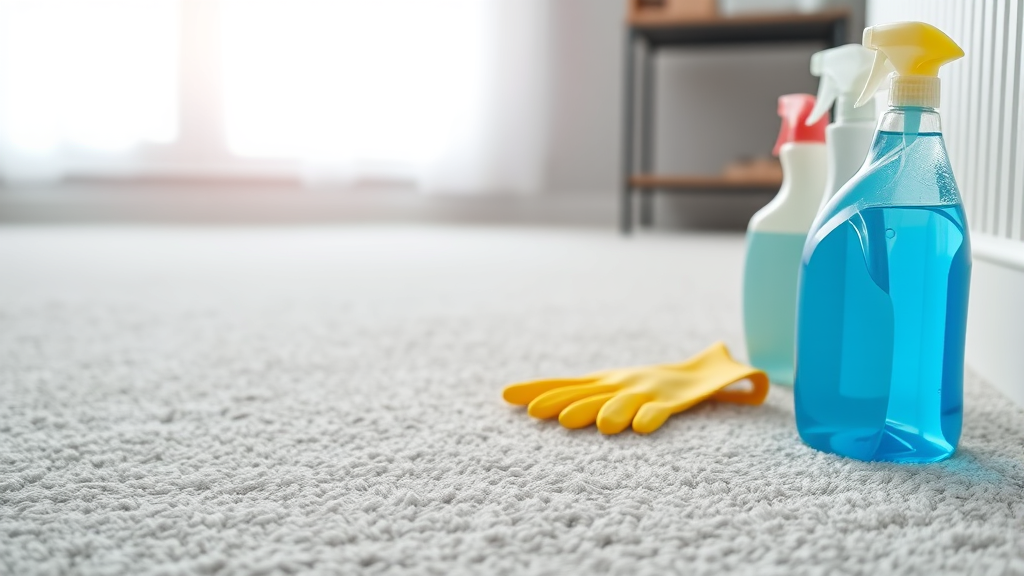
Dealing with dog accidents on your carpet can be one of the most frustrating experiences for pet owners. Whether it’s a puppy still learning house training or an older dog experiencing digestive issues, knowing how to effectively remove dog poop stains from carpet is an essential skill that every dog parent should master. The key to success lies in acting quickly and using the right techniques and materials.
The longer dog waste sits on your carpet, the deeper it penetrates into the fibers and padding, making removal significantly more challenging. Understanding the proper steps for cleanup not only helps preserve your carpet’s appearance and longevity but also eliminates odors that could attract your dog back to the same spot. With the right approach, even the most stubborn stains can be completely removed, leaving your carpet fresh and clean.
Immediate Response: The First Critical Steps
Time is absolutely crucial when dealing with dog poop accidents on carpet. The moment you discover the mess, your response in the first few minutes will largely determine how successful your cleanup efforts will be. Start by removing any solid waste immediately using disposable gloves and paper towels or a plastic bag turned inside out. Avoid pressing down or rubbing the waste into the carpet fibers, as this will only make the stain worse and push it deeper into the padding.
After removing the solid matter, resist the urge to immediately start scrubbing or applying water. This common mistake can actually spread the stain and bacteria further into your carpet. Instead, gently blot the area with clean paper towels to absorb as much moisture as possible. Work from the outside of the stain toward the center to prevent spreading. If the accident is fresh and still wet, this blotting action alone can remove a significant portion of the contamination.
For those dealing with loose or liquid stools, which can be particularly challenging, learning how to stop diarrhea in dogs may help prevent future accidents. Once you’ve removed as much solid and liquid waste as possible, you can begin the actual cleaning process.
Essential Supplies for Effective Cleanup
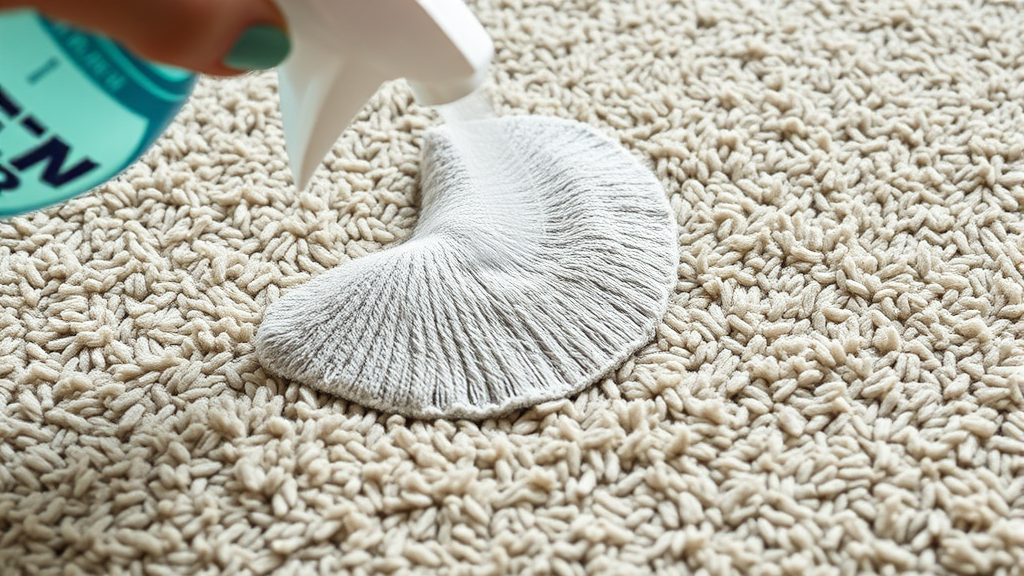
Having the right cleaning supplies on hand can make the difference between a quick cleanup and a lengthy battle with stubborn stains and odors. Essential items include white paper towels or clean cloth rags, disposable gloves, plastic bags, and a variety of cleaning solutions. White vinegar, baking soda, dish soap, and hydrogen peroxide are household staples that work exceptionally well for pet stain removal.
Commercial enzyme cleaners specifically designed for pet accidents are highly recommended because they break down the proteins and bacteria that cause persistent odors. These cleaners contain beneficial bacteria and enzymes that literally digest the organic matter, making them far more effective than traditional cleaning products. Popular brands include Nature’s Miracle, Anti Icky Poo, and Rocco & Roxie Professional Strength Stain Remover.
A wet/dry vacuum or carpet cleaner can be invaluable for extracting deep-seated moisture and cleaning solutions from your carpet. If you don’t own one, many grocery stores and home improvement centers rent these machines by the day. Additionally, keep a spray bottle for applying cleaning solutions evenly, and have plenty of clean towels available for blotting and drying.
Step-by-Step Stain Removal Process
The systematic approach to removing dog poop stains begins with proper preparation. Ensure good ventilation in the room by opening windows or turning on fans. Put on disposable gloves and gather all your cleaning supplies before starting. This preparation prevents you from having to leave the stain untreated while searching for materials.
Start by creating a cleaning solution using one of several effective recipes. A simple mixture of one tablespoon white vinegar, one tablespoon liquid dish soap, and two cups warm water works well for most stains. Alternatively, you can use a solution of equal parts water and white vinegar, or apply an enzyme cleaner directly according to the manufacturer’s instructions.
Apply your chosen cleaning solution generously to the stained area, ensuring it penetrates deep into the carpet fibers. Allow the solution to sit for 5-10 minutes to break down the stain and odor-causing bacteria. Then, using clean white towels or paper towels, blot the area repeatedly, working from the outside toward the center. Rinse the area with clean water and blot again to remove cleaning residue.
For comprehensive guidance on carpet cleaning techniques, refer to detailed resources on how to clean dog poop out of carpet for additional methods and tips that complement this process.
Deep Cleaning Methods for Stubborn Stains
Some dog poop stains require more aggressive treatment, especially if they’ve had time to set or if previous cleaning attempts were unsuccessful. For these challenging situations, a multi-step deep cleaning approach is necessary. Begin by applying a paste made from baking soda and water directly to the stain. The baking soda acts as a natural deodorizer and mild abrasive that helps lift embedded particles from carpet fibers.
After letting the baking soda paste sit for 15-20 minutes, vacuum it up completely. Next, apply a solution of hydrogen peroxide and water (one part hydrogen peroxide to two parts water) to the area. Test this solution in an inconspicuous area first, as hydrogen peroxide can have bleaching effects on some carpet colors. Allow the hydrogen peroxide solution to work for several minutes before blotting it up.
Steam cleaning or hot water extraction represents the most thorough approach for deep-seated stains. If you have access to a carpet cleaning machine, use it with an enzyme-based carpet cleaning solution for maximum effectiveness. The combination of hot water, powerful suction, and enzyme action can remove stains that seemed impossible to eliminate. For persistent issues, you might need specific techniques for how to get dog poop out of carpet using professional-grade equipment.
Odor Elimination Techniques
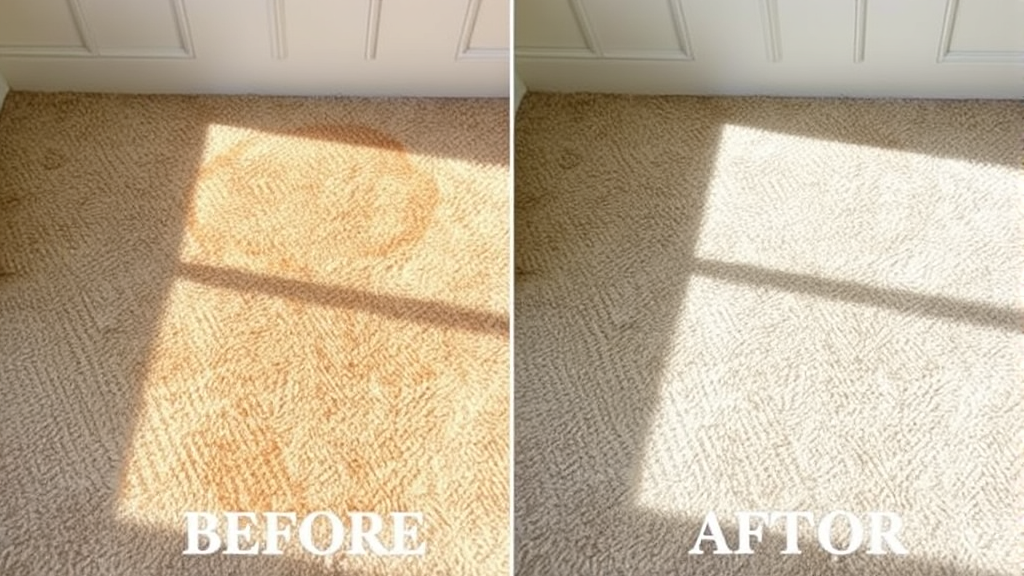
Eliminating odors is often more challenging than removing visible stains because odor-causing bacteria can penetrate deep into carpet padding and even subflooring. Standard cleaning products may mask odors temporarily, but enzyme cleaners are the only solution that actually eliminates the source of pet odors by breaking down the organic compounds responsible for the smell.
White vinegar is particularly effective for neutralizing ammonia-based odors commonly found in pet waste. Create a solution of equal parts white vinegar and water, apply it to the affected area, and let it sit for 10-15 minutes before blotting. The acidic nature of vinegar helps neutralize alkaline odors while also having natural antibacterial properties.
Baking soda serves as an excellent odor absorber and can be used as a follow-up treatment after initial cleaning. Sprinkle a generous amount of baking soda over the cleaned area and let it sit overnight or for several hours. The baking soda will absorb remaining odors and moisture. Vacuum thoroughly to remove all baking soda residue. This technique is particularly useful when dealing with accidents from dogs experiencing digestive issues, and understanding what to feed dog with diarrhea can help prevent future incidents.
Prevention Strategies and Long-term Care
Prevention remains the best strategy for avoiding carpet staining incidents. Establishing consistent potty training routines, providing frequent outdoor breaks, and monitoring your dog’s digestive health can significantly reduce accidents. Pay attention to changes in your dog’s bathroom habits, as sudden accidents from a house-trained dog often indicate health issues that require veterinary attention.
Dietary management plays a crucial role in preventing loose stools that are more likely to stain carpets. Feeding your dog a consistent, high-quality diet and avoiding sudden food changes can help maintain digestive stability. If your dog is prone to digestive upset, knowing what to feed a dog with diarrhea during episodes can help minimize accidents.
Consider using area rugs or washable mats in areas where your dog spends the most time, especially during house training periods. These protective measures are much easier to clean or replace than wall-to-wall carpeting. Regular carpet maintenance, including professional cleaning every 12-18 months, helps maintain your carpet’s appearance and removes deep-seated odors that might attract repeat accidents.
When to Consider Professional Cleaning
While many dog poop stains can be successfully removed with home methods, certain situations warrant professional intervention. If stains have penetrated into the carpet padding or subflooring, or if odors persist despite multiple cleaning attempts, professional carpet cleaners have specialized equipment and solutions that can address these challenging problems.
Professional cleaners use truck-mounted extraction systems that provide more powerful suction and higher water temperatures than consumer-grade machines. They also have access to commercial-grade enzyme cleaners and specialized treatments for pet odors. The Environmental Protection Agency provides guidelines for indoor air quality that can help you determine when professional cleaning might be necessary.
Large or multiple stains, valuable carpets, or situations where home cleaning attempts have failed are all good reasons to consult professionals. Many professional cleaning services offer pet odor elimination guarantees, giving you peace of mind that the problem will be completely resolved. The Carpet and Rug Institute maintains a directory of certified cleaning professionals who specialize in pet stain removal.
Sometimes accidents happen on other surfaces as well, and you might need to know how to get dog pee out of mattress or tackle similar challenges with different materials and cleaning approaches.
Frequently Asked Questions
How quickly do I need to clean up dog poop from carpet to prevent permanent staining?
You should clean up dog poop from carpet immediately upon discovery. The longer waste sits on carpet fibers, the deeper it penetrates and the more difficult it becomes to remove completely. Ideally, cleanup should begin within minutes of the accident. Even if the stain has dried, prompt action using proper techniques can still achieve excellent results, though it may require more intensive cleaning methods.
Can I use bleach to remove dog poop stains from carpet?
Bleach should never be used on carpets for pet stain removal. Bleach can permanently discolor carpet fibers, create toxic fumes when mixed with ammonia-based compounds in pet waste, and doesn’t effectively eliminate odor-causing bacteria. Instead, use enzyme cleaners, white vinegar solutions, or hydrogen peroxide (after testing in an inconspicuous area) for safe and effective stain removal.
Why do enzyme cleaners work better than regular cleaning products for pet stains?
Enzyme cleaners contain beneficial bacteria and enzymes that literally digest the organic proteins and compounds in pet waste that cause odors and stains. Regular cleaning products may mask odors temporarily or remove surface stains, but only enzyme cleaners eliminate the root cause of the problem. This is why areas cleaned with enzyme products are less likely to attract repeat accidents from pets who might detect lingering odors.
What should I do if the dog poop stain has already dried and set into the carpet?
For dried, set-in stains, start by carefully scraping away any dried solid matter with a plastic scraper or spoon. Then apply warm water to rehydrate the area, followed by your chosen cleaning solution. Allow extra time for the cleaning solution to work—up to 15-20 minutes—before blotting. You may need to repeat the process several times and consider using a carpet cleaning machine for deep extraction.
How can I prevent my dog from having accidents on the carpet in the future?
Prevention strategies include maintaining consistent potty schedules, providing frequent outdoor breaks, monitoring your dog’s health for digestive issues, and ensuring proper house training. Address any sudden changes in bathroom habits with your veterinarian, as these often indicate health problems. Consider using washable area rugs in high-risk areas and ensure your dog has easy access to outdoor potty areas.
Is it safe to use homemade cleaning solutions around my dog?
Most homemade cleaning solutions using white vinegar, baking soda, and mild dish soap are safe around dogs when used properly. However, always ensure good ventilation during cleaning and keep your dog away from the area until it’s completely dry. Avoid using solutions containing essential oils, which can be toxic to dogs, and never use ammonia-based products, which can actually attract dogs back to the same spot.
When should I call a professional carpet cleaner for dog poop stains?
Consider professional cleaning when home methods have failed after multiple attempts, when odors persist despite thorough cleaning, when stains cover large areas, or when the waste has penetrated into carpet padding or subflooring. Professional cleaners have specialized equipment and commercial-grade products that can address problems beyond the scope of home cleaning methods. They also often provide guarantees for odor elimination.





