

When your beloved canine companion is experiencing digestive distress, it can be heartbreaking to watch them suffer. Diarrhea in dogs is one of the most common health issues pet owners face, and knowing how to respond quickly and effectively can make all the difference in your pup’s comfort and recovery. While occasional loose stools might not be cause for immediate alarm, persistent diarrhea can lead to dehydration and other serious complications if left untreated.
Understanding the causes, recognizing warning signs, and implementing proper care techniques are essential skills every dog owner should master. From dietary adjustments to home remedies and knowing when to seek veterinary care, there are numerous strategies to help soothe your dog’s tummy troubles and get them back to their happy, healthy selves.
Understanding Common Causes of Dog Diarrhea
Before diving into treatment options, it’s crucial to understand what might be causing your dog’s digestive upset. Diarrhea can result from numerous factors, ranging from simple dietary indiscretions to more serious underlying health conditions. The most common culprits include sudden diet changes, food allergies or intolerances, eating garbage or spoiled food, stress, parasites, bacterial infections, and certain medications.
Dietary causes are among the most frequent triggers for diarrhea in dogs. When dogs consume something their digestive system isn’t accustomed to, such as table scraps, fatty foods, or even a new brand of dog food introduced too quickly, their intestines may react with loose stools. According to the American Veterinary Medical Association, sudden dietary changes are one of the leading causes of digestive upset in canines.
Stress-related diarrhea is another common occurrence, particularly in sensitive dogs or during times of change such as moving homes, boarding, or introducing new family members. Environmental factors, including exposure to toxins, certain plants, or contaminated water sources, can also trigger digestive distress.
Immediate Response and Assessment
When you first notice your dog has diarrhea, your immediate response can significantly impact their recovery time and comfort level. The first step is to assess the severity and characteristics of the diarrhea. Take note of the frequency, consistency, color, and whether there’s any blood or mucus present. This information will be valuable if you need to consult with your veterinarian.
Learning how to stop diarrhea in dogs begins with withholding food for 12-24 hours to give your dog’s digestive system a chance to rest and reset. However, always ensure fresh water remains available to prevent dehydration. This fasting period allows the intestinal tract to calm down and can often resolve mild cases of diarrhea naturally.
During this initial period, monitor your dog closely for signs of dehydration, lethargy, vomiting, or worsening symptoms. Keep your dog in a comfortable, quiet environment where they can rest and recover. If your dog is a puppy, elderly, or has underlying health conditions, consult your veterinarian before implementing any fasting protocol, as these vulnerable populations may require different approaches.
Dietary Management and Bland Diet Solutions
After the initial fasting period, gradually reintroducing food through a bland diet is often the most effective approach for managing canine diarrhea. The goal is to provide easily digestible nutrients that won’t further irritate the digestive system while allowing the intestines to heal and return to normal function.
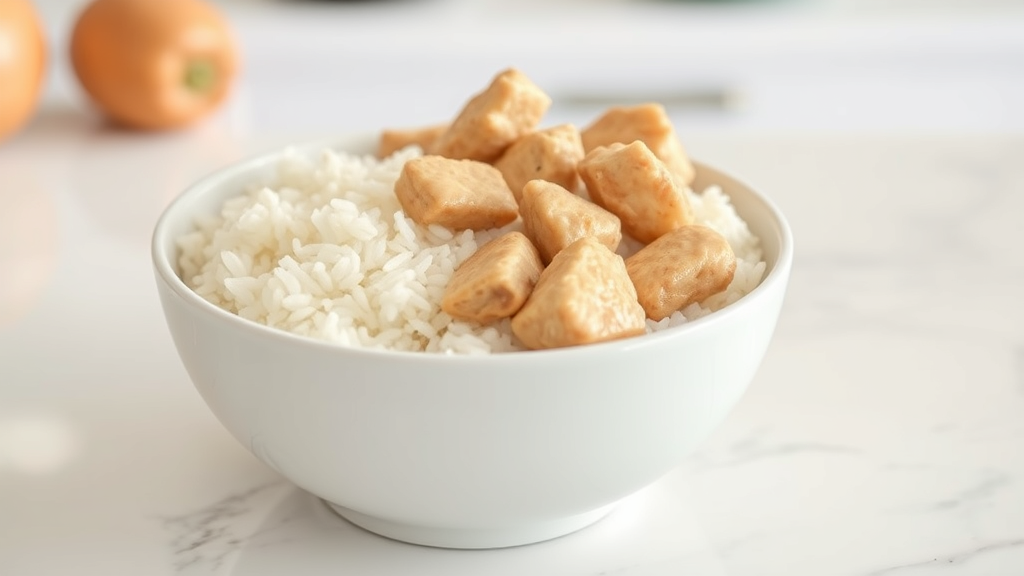
Understanding what to feed dog with diarrhea is crucial for successful recovery. The classic bland diet consists of boiled white rice and plain, cooked chicken breast, served in a 3:1 ratio of rice to chicken. This combination provides easily digestible carbohydrates and lean protein without added fats, seasonings, or preservatives that could exacerbate digestive issues.
When preparing this bland diet, ensure the chicken is thoroughly cooked and all skin and bones are removed. The rice should be plain white rice, as brown rice contains more fiber and may be harder to digest during recovery. Many pet owners find success learning how to boil chicken for dogs as part of this therapeutic diet approach.
Alternative bland diet options include plain white rice with cottage cheese (if your dog tolerates dairy), or white rice with plain, cooked ground turkey. The American Kennel Club recommends serving small, frequent meals rather than large portions to avoid overwhelming the digestive system during recovery.
Safe Home Remedies and Natural Solutions
Several safe, natural remedies can help soothe your dog’s digestive system and promote healing. Pumpkin is one of the most effective home remedies for canine diarrhea, as it’s rich in fiber and helps firm up loose stools. Use plain, canned pumpkin (not pie filling) and add 1-2 tablespoons to your dog’s bland diet, depending on their size.
Probiotics can also play a valuable role in restoring healthy gut bacteria and improving digestive function. Plain, unsweetened yogurt with live cultures can provide beneficial bacteria, though some dogs may be lactose intolerant. Alternatively, canine-specific probiotic supplements are available and may be more appropriate for sensitive dogs.
Many pet owners wonder can dogs eat rice, and the answer is yes – rice is not only safe but beneficial for dogs with diarrhea. The starch in white rice helps bind loose stools and provides easily digestible energy. Sweet potatoes, when cooked and served plain, can also help firm up stools due to their fiber content.
However, it’s important to note that human medications should generally be avoided. While some pet owners ask can i give my dog pepto bismol, most veterinarians advise against giving human anti-diarrheal medications without professional guidance, as they can mask symptoms or cause adverse reactions in dogs.
Hydration and Preventing Dehydration
Maintaining proper hydration is absolutely critical when dealing with canine diarrhea, as frequent loose stools can quickly lead to fluid and electrolyte imbalances. Dehydration can become life-threatening, particularly in puppies, senior dogs, or small breeds that have limited fluid reserves.
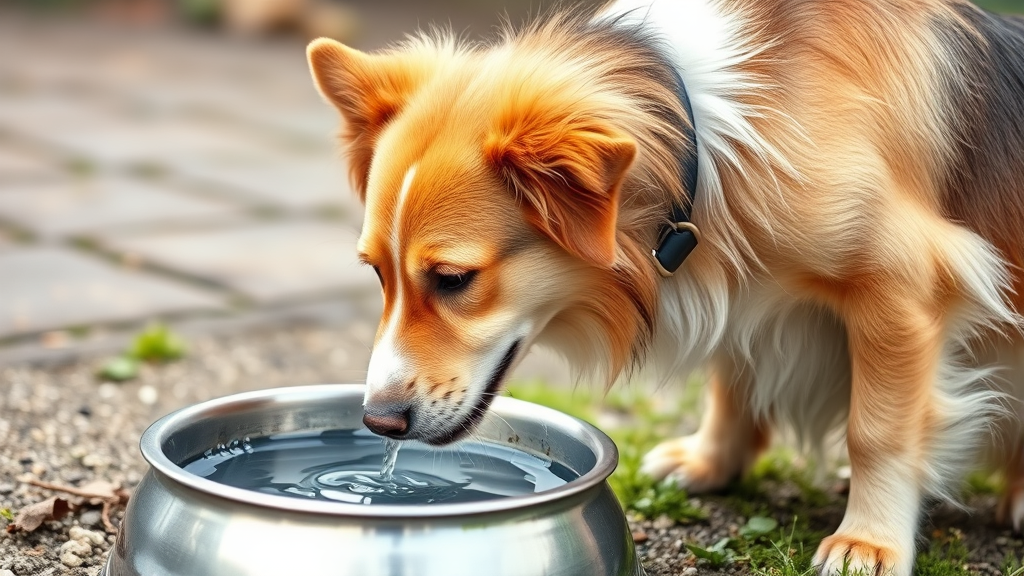
Encourage your dog to drink water regularly by keeping fresh, clean water available at all times. Some dogs may be reluctant to drink when feeling unwell, so you can try offering ice cubes, low-sodium chicken broth, or slightly warming the water to make it more appealing. Adding a small amount of plain broth to their water can encourage consumption while providing additional electrolytes.
To check for dehydration, gently lift the skin on the back of your dog’s neck. In a well-hydrated dog, the skin should snap back immediately. If it takes longer than two seconds to return to position, your dog may be dehydrated and require veterinary attention. According to the PetMD resource on canine diarrhea, other signs of dehydration include sticky gums, sunken eyes, and lethargy.
In severe cases, your veterinarian may recommend subcutaneous or intravenous fluid therapy to rapidly restore hydration levels and electrolyte balance. This is particularly important if your dog is unable to keep fluids down due to concurrent vomiting.
When to Call Your Veterinarian
While many cases of canine diarrhea can be managed at home with proper care, certain situations require immediate veterinary attention. Knowing when to escalate care can prevent minor issues from becoming serious health emergencies and ensure your dog receives appropriate treatment.
Seek veterinary care immediately if your dog’s diarrhea contains blood, appears black or tarry, or is accompanied by vomiting, severe lethargy, loss of appetite for more than 24 hours, or signs of abdominal pain. Puppies under six months old, senior dogs, and those with pre-existing health conditions should be evaluated more quickly, as they’re at higher risk for complications.
Additionally, if home treatment hasn’t improved symptoms within 24-48 hours, or if diarrhea persists for more than three days, professional evaluation is warranted. Your veterinarian can perform diagnostic tests such as fecal examinations, blood work, or imaging studies to identify underlying causes and develop an appropriate treatment plan.
When consulting with your veterinarian, be prepared to provide detailed information about your dog’s symptoms, including when they started, frequency and characteristics of bowel movements, any recent dietary changes, potential exposure to toxins, and your dog’s vaccination and parasite prevention history. This information helps guide diagnostic decisions and treatment recommendations.
Long-term Prevention Strategies
Preventing future episodes of diarrhea is often more effective than treating them after they occur. Implementing consistent feeding routines, maintaining proper nutrition, and minimizing risk factors can significantly reduce your dog’s likelihood of experiencing digestive upset.
Establish a consistent feeding schedule with high-quality, age-appropriate dog food, and avoid sudden dietary changes. When transitioning to new foods, do so gradually over 7-10 days by mixing increasing amounts of the new food with decreasing amounts of the old food. This allows your dog’s digestive system to adapt without triggering diarrhea.
Knowing what can you give a dog for upset stomach in emergency situations is valuable, but prevention remains the best strategy. Ensure your dog stays current on vaccinations and parasite prevention, as these protect against infectious causes of diarrhea. Regular veterinary check-ups can identify and address potential health issues before they become problematic.
Environmental management is equally important. Keep garbage cans secured, avoid feeding table scraps, and supervise your dog during walks to prevent them from eating inappropriate items. The ASPCA recommends maintaining a consistent routine to minimize stress-related digestive issues, particularly in sensitive dogs.
Frequently Asked Questions
How long should I wait before taking my dog to the vet for diarrhea?
For adult, healthy dogs, you can typically wait 24-48 hours if the diarrhea is mild and not accompanied by other symptoms like vomiting, blood, or lethargy. However, puppies, senior dogs, and those with underlying health conditions should be evaluated sooner. If symptoms worsen or don’t improve within 48 hours of home treatment, contact your veterinarian.
Can I give my dog human anti-diarrheal medications?
Generally, it’s not recommended to give dogs human anti-diarrheal medications without veterinary guidance. These medications can mask underlying problems, cause adverse reactions, or be toxic to dogs. Some ingredients like bismuth subsalicylate can be harmful to canines. Always consult your veterinarian before administering any human medications to your dog.
What’s the difference between acute and chronic diarrhea in dogs?
Acute diarrhea develops suddenly and typically lasts less than two weeks, often caused by dietary indiscretion, stress, or minor infections. Chronic diarrhea persists for more than two weeks and may indicate underlying conditions like inflammatory bowel disease, food allergies, or other systemic issues. Chronic cases require veterinary evaluation and often diagnostic testing to identify the root cause.
Is it normal for dogs to have loose stools occasionally?
Occasional loose stools can be normal, especially if they’re related to minor dietary changes or stress. However, true diarrhea (frequent, watery stools) is not normal and indicates digestive upset. According to the VCA Animal Hospitals, healthy dogs should have formed, relatively firm stools. Any persistent changes in bowel movements warrant attention.
Can stress really cause diarrhea in dogs?
Yes, stress can definitely cause diarrhea in dogs. The gut-brain connection is strong in canines, and emotional stress can trigger digestive upset. Common stressors include moving, boarding, new family members, loud noises, or changes in routine. Managing stress through consistent routines, adequate exercise, and creating safe spaces can help prevent stress-related digestive issues.
Should I continue giving my dog their regular food during diarrhea?
No, it’s typically recommended to withhold regular food for 12-24 hours during acute diarrhea episodes to allow the digestive system to rest. After fasting, gradually introduce a bland diet before slowly transitioning back to regular food. Understanding what to feed a dog with diarrhea can help ensure proper recovery nutrition during this transition period.
How can I tell if my dog is dehydrated from diarrhea?
Signs of dehydration include skin that doesn’t snap back quickly when pinched (skin tent test), sticky or dry gums, sunken eyes, lethargy, and reduced urination. You can also check capillary refill time by pressing on your dog’s gums – the color should return within 2 seconds in a well-hydrated dog. If you suspect dehydration, contact your veterinarian immediately as this can be life-threatening.





