

As pet parents, we constantly seek ways to provide the best nutrition for our beloved canine companions. One increasingly popular addition to dogs’ diets is homemade bone broth, a nutrient-dense liquid that offers numerous health benefits while being surprisingly simple to prepare at home. This ancient remedy has gained modern recognition for its ability to support joint health, boost immunity, and provide essential nutrients in an easily digestible form.
Learning how to make bone broth for dogs is a valuable skill that allows you to control every ingredient that goes into your pup’s bowl. Unlike store-bought alternatives that may contain harmful additives, onions, or excessive sodium, homemade bone broth ensures your dog receives only the purest, most beneficial nutrients. From supporting digestive health to providing hydration during illness, this versatile superfood deserves a place in every dog owner’s culinary repertoire.
Health Benefits of Bone Broth for Dogs
Bone broth serves as a nutritional powerhouse for dogs, delivering a concentrated source of essential minerals, amino acids, and collagen. The slow simmering process breaks down bone matrix and connective tissues, releasing valuable nutrients like calcium, phosphorus, magnesium, and glucosamine directly into the liquid. These compounds support bone density, joint flexibility, and overall skeletal health, making bone broth particularly beneficial for senior dogs or those with arthritis.
The collagen and gelatin naturally present in properly prepared bone broth contribute significantly to digestive health. These proteins help heal and seal the gut lining, promoting better nutrient absorption and reducing inflammation in the digestive tract. Many veterinarians recommend bone broth for dogs experiencing gastrointestinal issues, as it’s gentle on sensitive stomachs while providing essential nutrition. If you’re wondering is bone broth good for dogs, the scientific evidence strongly supports its therapeutic benefits.
Beyond digestive support, bone broth acts as an excellent hydration source, especially valuable for dogs who don’t drink enough water or are recovering from illness. The rich, savory flavor encourages even picky eaters to consume more fluids, preventing dehydration while delivering vital nutrients. The American Kennel Club recognizes bone broth as a beneficial supplement that can enhance overall canine health when prepared correctly.
Choosing the Right Bones
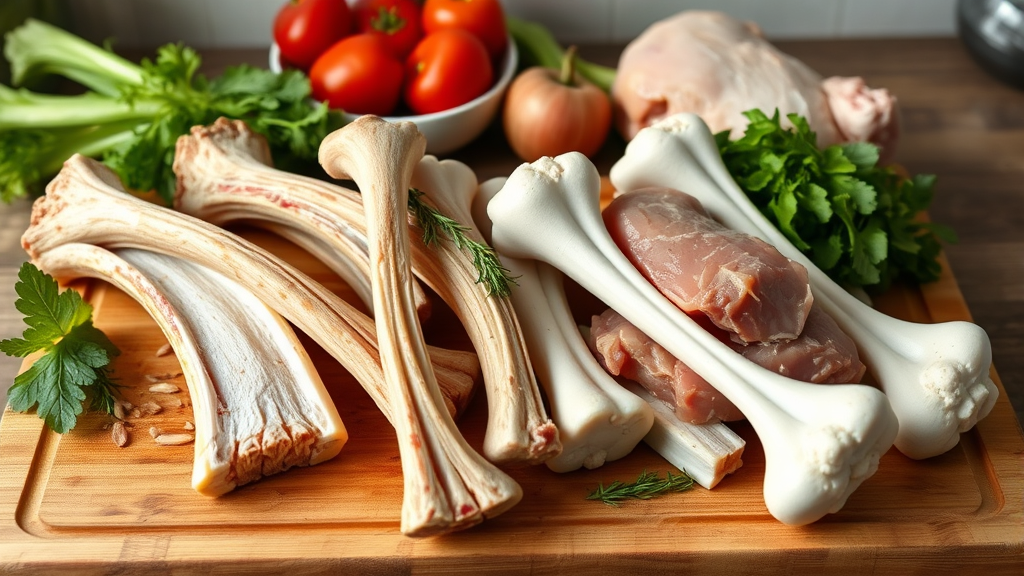
Selecting appropriate bones forms the foundation of successful bone broth preparation. Opt for bones from grass-fed, organic sources whenever possible, as these provide superior nutritional content without harmful chemicals or antibiotics. Large marrow bones from beef or lamb work exceptionally well, as do knuckle bones, which contain abundant collagen-rich connective tissue. Poultry bones, including chicken, turkey, or duck carcasses, create lighter broths perfect for dogs with sensitive digestive systems.
Avoid cooked bones at all costs, as the cooking process makes them brittle and prone to splintering, creating serious choking hazards and potential internal injuries. Raw bones maintain their structural integrity during the slow cooking process, safely releasing nutrients without creating dangerous fragments. Weight-bearing bones from larger animals typically yield the most gelatinous, nutrient-dense broths due to their higher collagen content.
Consider mixing different bone types to create a more complex nutrient profile. Combining beef marrow bones with chicken feet, for example, maximizes both mineral content and gelatin concentration. The National Center for Biotechnology Information has documented the superior nutritional composition of broths made from mixed bone sources compared to single-bone varieties.
Essential Ingredients and Equipment
Creating exceptional bone broth requires minimal ingredients but specific equipment for optimal results. Your primary ingredients include 2-3 pounds of raw bones, 2 tablespoons of apple cider vinegar, and enough filtered water to cover the bones by 2-3 inches. The apple cider vinegar helps extract minerals from the bones, while filtered water ensures no chlorine or other chemicals interfere with the brewing process.
Essential equipment includes a large stockpot, slow cooker, or pressure cooker capable of accommodating your bone quantity. A fine-mesh strainer proves invaluable for removing bone fragments and particles from the finished broth. Glass storage containers work best for refrigerator storage, while freezer-safe containers allow for longer-term preservation. Some pet owners prefer using cheesecloth for additional straining to achieve perfectly clear broth.
Avoid adding common cooking ingredients that are toxic to dogs, including onions, garlic, excessive salt, or artificial seasonings. While these enhance flavor for human consumption, they can cause serious health problems in canines. If your dog enjoys can dogs have bone broth with added vegetables, stick to dog-safe options like carrots, celery, or parsley in small quantities.
Step-by-Step Bone Broth Recipe
Begin by placing your selected raw bones in a large stockpot or slow cooker, arranging them in a single layer when possible. Add the apple cider vinegar and let the mixture sit for 30-60 minutes at room temperature. This waiting period allows the acid to begin extracting minerals from the bones before heat application, maximizing nutrient release during cooking.
Pour filtered water over the bones until they’re covered by 2-3 inches, leaving adequate space for expansion during cooking. Bring the mixture to a gentle boil over medium heat, then immediately reduce to the lowest simmer setting. Skim any foam or impurities that rise to the surface during the first hour of cooking, as these can create cloudiness and off-flavors in the finished product.
Maintain a gentle simmer for 12-24 hours for optimal nutrient extraction. Beef and lamb bones require longer cooking times (20-24 hours) to fully break down, while chicken and other poultry bones need only 12-18 hours. The broth is ready when it gels slightly when cooled, indicating proper collagen extraction. According to the American Veterinary Medical Association, slow, prolonged cooking methods preserve the most nutrients while ensuring safety.
Strain the finished broth through a fine-mesh strainer into clean containers, discarding all bone fragments and solid materials. Allow the broth to cool completely before refrigerating or freezing. Properly prepared bone broth should develop a gelatinous consistency when chilled, confirming successful collagen extraction.

Different Cooking Methods
While stovetop simmering represents the traditional approach to bone broth preparation, modern cooking methods offer convenient alternatives for busy pet parents. Slow cookers provide excellent temperature control and safety, allowing you to prepare broth while away from home. Set the slow cooker on low heat and cook for 12-24 hours, checking periodically to ensure adequate water levels and proper simmering.
Pressure cookers significantly reduce cooking time while maintaining nutritional benefits. Using an Instant Pot or similar device, you can prepare nutritious bone broth in 3-4 hours under high pressure. This method works particularly well for can dogs have beef broth preparation, as the intense pressure effectively breaks down tough beef bones in a fraction of traditional cooking time.
Oven roasting bones before simmering adds depth of flavor and enhances nutrient extraction. Roast bones at 400°F for 30-45 minutes until lightly browned, then transfer to your cooking vessel and proceed with the standard simmering process. This technique works especially well with larger bones and creates richer, more flavorful broths that even finicky dogs find irresistible.
Storage and Serving Guidelines
Proper storage ensures your homemade bone broth maintains its nutritional value and safety for extended periods. Refrigerated bone broth stays fresh for 3-4 days when stored in airtight glass containers. The natural gelatin content causes properly made broth to solidify when chilled, creating a jiggly, gel-like consistency that’s perfectly normal and indicates quality preparation.
Freezing extends storage life to 6-12 months when using appropriate freezer-safe containers. Consider freezing broth in ice cube trays for convenient single-serving portions, especially useful for small dogs or as training treats. Silicon ice cube trays work particularly well, as they allow easy removal of frozen broth cubes without cracking or breaking.
Serving recommendations vary based on your dog’s size, age, and health status. Small dogs (under 25 pounds) typically benefit from 1-2 tablespoons per day, while larger dogs can enjoy up to 1/2 cup daily. Start with smaller amounts to assess your dog’s tolerance, gradually increasing as their system adapts. Bone broth serves as an excellent addition to dry kibble, helping increase moisture content and palatability. For dogs experiencing digestive issues, bone broth can complement other remedies you might use when considering what can you give a dog for upset stomach.
Safety Considerations and Precautions
While bone broth offers numerous health benefits, certain safety considerations ensure your dog’s well-being. Never use cooked bones, as they become brittle and can splinter, creating choking hazards or causing internal injuries. Always strain the finished broth thoroughly to remove all bone fragments, no matter how small they might appear.
Monitor sodium content carefully, especially if your dog has heart conditions or kidney disease. Homemade bone broth naturally contains moderate sodium levels from the bones themselves, but avoid adding salt or using bones from processed meats that may contain excessive sodium. The FDA’s Center for Veterinary Medicine recommends consulting with veterinarians before introducing new foods to dogs with existing health conditions.
Be cautious with bone broth temperature when serving, as dogs can burn their mouths on hot liquids just like humans. Allow broth to cool to room temperature or slightly warm before offering it to your pet. Some dogs may experience mild digestive upset when first introduced to bone broth, so start with small quantities and observe their response. If you’re dealing with digestive issues, bone broth can be helpful alongside other strategies for what to feed a dog with diarrhea.
Always source bones from reputable suppliers to minimize the risk of bacterial contamination or exposure to harmful chemicals. Grass-fed, organic options provide the safest, most nutritious foundation for your homemade bone broth. Store ingredients and finished products at proper temperatures to prevent spoilage and bacterial growth.
Frequently Asked Questions
How long should I cook bone broth for dogs?
Cook bone broth for dogs for 12-24 hours depending on the bone type. Chicken and poultry bones need 12-18 hours, while beef and lamb bones require 20-24 hours for optimal nutrient extraction. The long, slow cooking process ensures maximum collagen and mineral release while maintaining safety. You’ll know it’s ready when the cooled broth has a gel-like consistency.
Can I give my dog bone broth every day?
Yes, you can give your dog bone broth daily in appropriate portions. Small dogs should receive 1-2 tablespoons per day, while larger dogs can have up to 1/2 cup daily. Start with smaller amounts to assess tolerance and gradually increase. Bone broth provides excellent hydration and nutrition, making it a beneficial daily supplement for most healthy dogs. Similar to considerations about can dogs eat chicken broth, moderation is key.
What bones are best for making dog bone broth?
The best bones for dog bone broth include raw marrow bones, knuckle bones from grass-fed beef or lamb, and whole chicken carcasses. These bones contain high levels of collagen and minerals. Avoid cooked bones as they can splinter dangerously. Mix different bone types for optimal nutrition – combining beef marrow bones with chicken feet creates an exceptionally nutrient-rich broth.
Can bone broth help dogs with digestive issues?
Yes, bone broth can significantly help dogs with digestive issues. The collagen and gelatin help heal and seal the gut lining, reducing inflammation and promoting better nutrient absorption. The easy-to-digest nutrients make it ideal for dogs recovering from illness or experiencing stomach upset. It’s gentle on sensitive stomachs while providing essential nutrition, and can be part of your strategy when learning how to help a dog with diarrhea.
How do I know if my bone broth is ready?
Your bone broth is ready when it gels slightly upon cooling, indicating proper collagen extraction. The liquid should be rich and flavorful with a slightly thick consistency when warm. After straining and cooling in the refrigerator, properly made bone broth will have a jiggly, gel-like texture. If it remains completely liquid when chilled, it may need additional cooking time.
Can I add vegetables to bone broth for dogs?
You can add dog-safe vegetables like carrots, celery, and parsley in small quantities, but avoid onions, garlic, and other toxic ingredients. Many pet owners prefer plain bone broth to avoid any potential digestive upset. If adding vegetables, use them sparingly and ensure they’re safe for canine consumption. The focus should remain on the nutritional benefits from the bones themselves.
How should I store homemade bone broth?
Store homemade bone broth in airtight glass containers in the refrigerator for 3-4 days or freeze for 6-12 months. Freeze in ice cube trays for convenient single-serving portions. Always allow broth to cool completely before storage and reheat gently when serving. The natural gelatin will cause refrigerated broth to solidify, which is normal and indicates quality preparation. Knowing proper storage techniques is as important as understanding how to boil chicken for dogs safely.





