

As pet owners become increasingly conscious about their dogs’ health and nutrition, questions about alternative beverages like coconut water naturally arise. This tropical drink has gained popularity among health-conscious humans for its natural electrolytes and refreshing taste, but many dog parents wonder whether it’s safe to share this beverage with their furry companions.
Understanding what’s safe and beneficial for your dog requires careful consideration of their unique digestive system and nutritional needs. While dogs can enjoy many human foods in moderation, others can be harmful or unnecessary. When it comes to coconut water, the answer isn’t simply black and white, and several factors need to be considered before offering this tropical beverage to your canine friend.
What Is Coconut Water and Its Nutritional Profile
Coconut water is the clear liquid found inside young, green coconuts before they mature. This natural beverage is often marketed as “nature’s sports drink” due to its electrolyte content, including potassium, sodium, and magnesium. Unlike coconut milk, which is made from the white meat of mature coconuts, coconut water is naturally occurring and has a lighter consistency and milder flavor.
The nutritional composition of coconut water includes approximately 94% water, with the remaining 6% consisting of carbohydrates, primarily natural sugars, and small amounts of protein and fat. A typical 8-ounce serving contains about 45-60 calories, 600mg of potassium, 40mg of sodium, and 15mg of magnesium. These electrolytes make it popular among athletes and health enthusiasts for post-workout hydration.
For humans, coconut water provides several benefits, including natural hydration, electrolyte replenishment, and antioxidant properties from compounds like vitamin C and various phenolic compounds. However, what benefits humans doesn’t always translate directly to benefits for dogs, making it essential to examine how these nutrients affect canine physiology specifically.
Is Coconut Water Safe for Dogs?
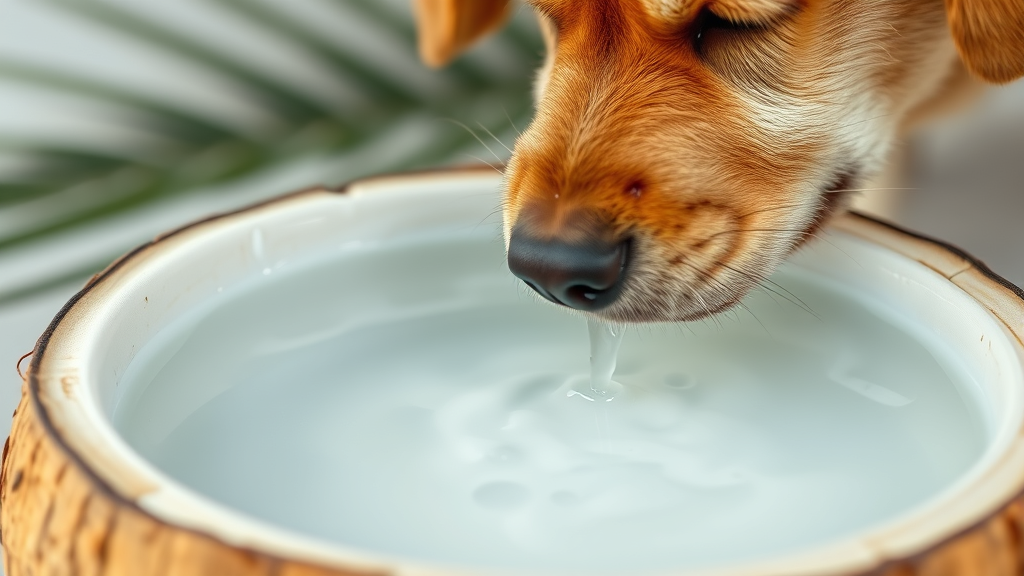
The good news is that can dogs drink coconut water in small amounts without immediate toxicity concerns. Pure, natural coconut water doesn’t contain any ingredients that are inherently toxic to dogs, unlike chocolate, grapes, or xylitol. However, safety doesn’t automatically mean it’s beneficial or necessary for your dog’s diet.
The primary safety considerations revolve around the sugar content and potential digestive upset. Coconut water contains natural sugars, primarily glucose, fructose, and sucrose, which can cause stomach upset in some dogs, especially those with sensitive digestive systems. Additionally, the high potassium content, while generally safe, could potentially be problematic for dogs with kidney issues or those taking certain medications.
It’s important to distinguish between pure coconut water and flavored or sweetened varieties. Many commercial coconut water products contain added sugars, artificial flavors, or preservatives that could be harmful to dogs. According to the ASPCA Animal Poison Control Center, artificial sweeteners like xylitol are extremely dangerous for dogs and can cause severe hypoglycemia and liver damage.
Potential Benefits of Coconut Water for Dogs
While coconut water isn’t necessary for a dog’s diet, it may offer some potential benefits when given occasionally and in moderation. The natural electrolytes in coconut water could theoretically help with hydration, particularly after intense exercise or during hot weather. The potassium content might support proper muscle and nerve function, while the natural antioxidants could provide some cellular protection.
Some pet owners find that their dogs enjoy the taste of coconut water, which could be useful for encouraging hydration in dogs who are reluctant to drink plain water. This might be particularly relevant for senior dogs or those recovering from illness who need additional fluid intake encouragement.
The American Kennel Club notes that while dogs can have small amounts of certain human beverages, water should always be their primary source of hydration. However, they acknowledge that occasional treats, when safe, can be part of a balanced approach to pet care.

Risks and Concerns to Consider
Despite its natural origin, coconut water presents several potential risks for dogs that responsible pet owners should consider. The sugar content, while natural, can contribute to weight gain, dental problems, and blood sugar spikes, particularly in diabetic dogs or those prone to obesity. Even natural sugars can disrupt a dog’s carefully balanced diet and potentially lead to gastrointestinal upset.
Dogs with kidney disease or heart conditions should avoid coconut water due to its high potassium content. Excessive potassium can be dangerous for dogs with compromised kidney function, as their bodies may not be able to process and eliminate it properly. The American Veterinary Medical Association emphasizes the importance of dietary restrictions for dogs with kidney issues.
Another concern is the potential for digestive upset. Some dogs may experience diarrhea, vomiting, or stomach discomfort after consuming coconut water, especially if they’re not used to it or if they consume too much. Unlike can dogs have coconut flesh, which contains fiber, coconut water is purely liquid and may cause rapid changes in blood sugar levels.
How to Safely Serve Coconut Water to Your Dog
If you decide to offer coconut water to your dog, moderation is absolutely key. Start with just a small amount – perhaps a teaspoon for small dogs or a tablespoon for larger breeds – to gauge your dog’s reaction. Always choose pure, unsweetened coconut water without any additives, flavoring, or preservatives.
Introduce coconut water gradually and monitor your dog for any signs of digestive upset, including changes in stool consistency, vomiting, or unusual behavior. If your dog shows any adverse reactions, discontinue immediately and consult your veterinarian if symptoms persist or worsen.
Consider coconut water as an occasional treat rather than a regular beverage. Unlike can dogs have coconut milk, which has higher fat content and different nutritional implications, coconut water should still be limited to prevent any potential negative effects on your dog’s balanced diet.
Better Hydration Alternatives for Dogs
While exploring whether coconut water is appropriate for dogs, it’s worth considering better alternatives for canine hydration. Fresh, clean water should always be the primary beverage for dogs, as it meets all their hydration needs without any potential risks or complications.
For dogs who need encouragement to drink more water, consider adding ice cubes to their water bowl, using a pet fountain to provide moving water, or slightly warming the water to enhance its appeal. Some veterinarians recommend low-sodium chicken or bone broth (without onion or garlic) as an occasional hydration booster for dogs who need extra fluid intake.
Unlike questions about can dogs drink milk, which often involves lactose intolerance concerns, water remains the safest and most beneficial beverage choice. The Humane Society recommends focusing on species-appropriate treats and beverages rather than sharing human foods and drinks.
Veterinary Perspective and Professional Recommendations
Most veterinarians take a conservative approach when it comes to coconut water for dogs. While not inherently dangerous in small amounts, the consensus is that it’s unnecessary and potentially problematic for some dogs. Veterinary nutritionists emphasize that dogs evolved to meet their hydration and electrolyte needs through water and a balanced diet.
Dr. Jennifer Coates, a veterinary writer for PetMD, explains that dogs’ nutritional needs are quite different from humans, and what benefits people doesn’t necessarily benefit their pets. The electrolyte balance that makes coconut water appealing to humans can actually be disruptive to dogs’ carefully regulated internal systems.
Professional recommendations generally suggest sticking to water for hydration and consulting with a veterinarian before introducing any new beverages or treats. This is particularly important for dogs with existing health conditions, senior dogs, or puppies whose digestive systems may be more sensitive. Questions about can dogs eat coconut products should always be discussed with a veterinary professional who knows your specific dog’s health history.
Frequently Asked Questions
How much coconut water can I safely give my dog?
If you choose to offer coconut water, limit it to very small amounts – no more than a teaspoon for small dogs or a tablespoon for large dogs, and only occasionally. Remember that water should be your dog’s primary beverage, and coconut water should be considered a rare treat rather than a regular addition to their diet.
Can puppies drink coconut water?
Puppies have more sensitive digestive systems than adult dogs, so it’s best to avoid giving coconut water to puppies entirely. Their developing systems are designed to process mother’s milk and then transition to puppy food and water. Introducing unnecessary beverages could cause digestive upset or interfere with their nutritional balance.
Is coconut water better than regular water for dogs after exercise?
No, regular water is still the best choice for post-exercise hydration in dogs. Unlike humans, dogs don’t typically need electrolyte replacement drinks after normal exercise. Their bodies are designed to maintain proper electrolyte balance through their regular diet and water intake. Excessive electrolytes from coconut water could actually be harmful.
What should I do if my dog drinks a large amount of coconut water?
If your dog consumes a large amount of coconut water, monitor them closely for signs of digestive upset, including vomiting, diarrhea, or unusual behavior. Ensure they have access to fresh water and contact your veterinarian if you notice any concerning symptoms. Most dogs will be fine, but it’s better to be cautious.
Are there any dogs that should never have coconut water?
Dogs with kidney disease, heart conditions, diabetes, or those on medications should avoid coconut water entirely due to its potassium and sugar content. Additionally, dogs with sensitive stomachs or a history of pancreatitis should not be given coconut water. Always consult your veterinarian before introducing new foods or beverages.
Can I use coconut water to encourage my dog to drink more fluids?
While some dogs might find coconut water appealing, there are safer ways to encourage hydration. Try using a pet water fountain, adding ice cubes to their bowl, or offering low-sodium, dog-safe broth. These alternatives provide hydration benefits without the potential risks associated with coconut water’s sugar and electrolyte content.
What’s the difference between coconut water and coconut milk for dogs?
Coconut water is the clear liquid from inside coconuts and has lower fat content but higher sugar and electrolyte levels. Can dogs eat coconut milk is a different question entirely, as coconut milk is higher in fat and calories but lower in natural sugars. Both should be given sparingly, if at all, and neither is necessary for canine health.





