

Hydrogen peroxide is a common household item that many dog owners reach for when their pet gets injured or needs emergency care. However, the question “is hydrogen peroxide safe for dogs?” doesn’t have a simple yes or no answer. While this antiseptic can be useful in specific veterinary-approved situations, it can also be dangerous when used incorrectly or inappropriately.
Understanding when and how to use hydrogen peroxide safely on your dog is crucial for every pet owner. This comprehensive guide will explore the proper uses, potential risks, and safe alternatives to help you make informed decisions about your dog’s health and safety.
What is Hydrogen Peroxide?
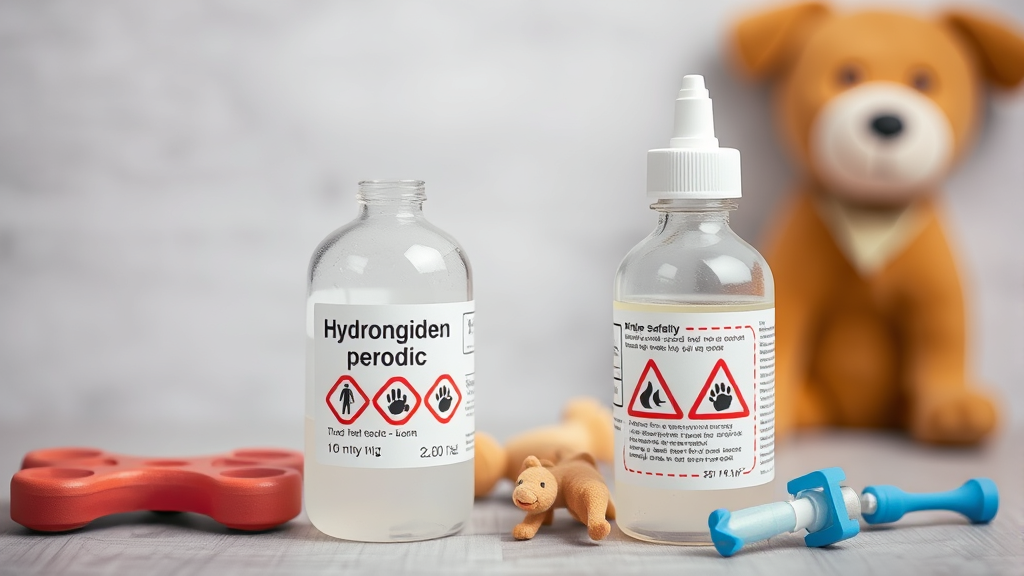
Hydrogen peroxide (H2O2) is a chemical compound that acts as an oxidizing agent and antiseptic. In household settings, it’s typically available as a 3% solution, which is the concentration most commonly discussed for pet care applications. This clear, colorless liquid breaks down into water and oxygen when it comes into contact with organic material, creating the characteristic fizzing or bubbling effect.
The oxidizing properties of hydrogen peroxide make it effective at killing bacteria, viruses, and fungi, which is why it has been traditionally used for cleaning wounds. However, these same properties that make it antimicrobial also make it potentially harmful to healthy tissue, including your dog’s skin and internal organs.
When considering whether hydrogen peroxide is safe for dogs, it’s important to understand that safety depends heavily on the concentration, method of application, and specific circumstances of use. The 3% household solution is the only concentration that should ever be considered for dogs, and even then, only under specific conditions and preferably with veterinary guidance.

Veterinary-Approved Uses for Dogs
The primary veterinary-approved use of hydrogen peroxide for dogs is as an emetic agent – a substance used to induce vomiting in emergency situations. This application is specifically for cases where a dog has ingested something toxic and immediate veterinary care is not available. The ASPCA Animal Poison Control Center recognizes this as an acceptable first-aid measure in certain poisoning scenarios.
However, this use comes with strict guidelines. The recommended dosage is typically 1 teaspoon per 10 pounds of body weight, with a maximum of 3 tablespoons for larger dogs. The solution should be given orally, and vomiting should occur within 15-20 minutes. If vomiting doesn’t occur after the first dose, a second dose may be administered, but never exceed two doses total.
It’s crucial to understand that inducing vomiting is not appropriate for all types of ingested substances. Caustic materials, petroleum products, or sharp objects should never be brought back up, as they can cause additional damage to the esophagus and mouth. Always consult with a veterinarian or pet poison control hotline before administering hydrogen peroxide to induce vomiting.
Using Hydrogen Peroxide to Induce Vomiting
When used correctly for emergency vomiting induction, hydrogen peroxide can be a lifesaving tool. The process works because hydrogen peroxide irritates the stomach lining, triggering the body’s natural vomiting reflex. However, this irritation is also what makes the substance potentially dangerous with improper use.
Before administering hydrogen peroxide, ensure your dog has eaten something within the past two hours, as food in the stomach helps protect the stomach lining and makes vomiting more effective. Never give hydrogen peroxide to an unconscious, seizuring, or severely lethargic dog, as they may aspirate the vomit into their lungs.
The proper technique involves using a syringe or turkey baster to administer the solution into the back of your dog’s mouth. Many owners find that making their dog throw up requires patience and the right approach to be effective safely.
After administration, encourage your dog to walk around gently, as movement can help stimulate vomiting. Monitor your pet closely during this process, and be prepared to seek immediate veterinary care regardless of whether vomiting occurs successfully.
Why Hydrogen Peroxide Isn’t Ideal for Wound Care
Despite its historical use as a wound cleaner, modern veterinary medicine has moved away from recommending hydrogen peroxide for routine wound care in dogs. While it does have antibacterial properties, hydrogen peroxide also damages healthy tissue and can actually slow the healing process.
The bubbling action that occurs when hydrogen peroxide contacts a wound may seem beneficial, but it’s actually destroying both harmful bacteria and healthy cells indiscriminately. This cellular damage can delay healing and may increase scarring. Additionally, the oxygen bubbles can potentially enter the bloodstream through open wounds, though this is rare with topical application.
For proper wound care, veterinarians now recommend gentle cleaning with saline solution or clean water, followed by appropriate topical treatments. If you’re dealing with a minor cut or scrape, learning how to heal wounds safely at home is more effective than using hydrogen peroxide.
The American Veterinary Medical Association emphasizes that professional evaluation is important for any wound that appears deep, infected, or isn’t healing properly, regardless of the cleaning method used.
Potential Risks and Side Effects
Understanding the potential risks of hydrogen peroxide use in dogs is essential for making informed decisions about your pet’s care. The most immediate concern with oral administration is gastric irritation, which can range from mild stomach upset to severe ulceration in extreme cases.
Repeated or excessive use of hydrogen peroxide can lead to gastric ulcers, which are painful and potentially life-threatening. Some dogs may experience prolonged vomiting, diarrhea, or loss of appetite following hydrogen peroxide administration. In rare cases, the oxygen released during decomposition can cause gas embolism, though this is more of a concern with higher concentrations or intravenous exposure.
Topical application risks include skin irritation, bleaching of fur, and delayed wound healing. Dogs with sensitive skin may develop contact dermatitis from hydrogen peroxide exposure. The solution can also be particularly harsh on mucous membranes, making it unsuitable for cleaning ears, eyes, or other delicate areas.
Long-term or frequent exposure to hydrogen peroxide can disrupt the natural bacterial balance on your dog’s skin, potentially leading to secondary infections or other skin problems. This is why veterinarians typically recommend using it only in emergency situations rather than as a routine cleaning agent.
Safe Alternatives for Dog Care
For routine wound care, several safer alternatives to hydrogen peroxide are available. Sterile saline solution is gentle, effective, and doesn’t damage healthy tissue. You can purchase commercial saline wound wash or make your own using distilled water and salt following proper ratios recommended by veterinary sources.
For minor cuts and scrapes, clean water followed by application of a veterinary-approved antibiotic ointment is often more beneficial than hydrogen peroxide. However, it’s important to know that not all human topical antibiotics are safe for dogs. Understanding whether common antibiotics like Neosporin are appropriate for canine use is crucial for safe home care.
Chlorhexidine solutions, available from veterinary suppliers, provide effective antimicrobial action without the tissue-damaging effects of hydrogen peroxide. These solutions are specifically formulated for animal use and are generally safer for routine cleaning.
For ear cleaning, which should never be done with hydrogen peroxide, veterinary ear cleaning solutions are specifically pH-balanced for dogs’ ear canals. Learning the proper technique for cleaning your dog’s ears safely can prevent infections and other complications.
The FDA’s Center for Veterinary Medicine provides guidelines on appropriate wound care products for pets, emphasizing the importance of using products specifically designed for animal use.
When to Call Your Veterinarian
Knowing when to contact your veterinarian is crucial, especially when considering hydrogen peroxide use. For poisoning situations, always call your vet or a pet poison control hotline before administering hydrogen peroxide to induce vomiting. They can advise whether vomiting is appropriate for the specific substance ingested.
If you’ve used hydrogen peroxide to induce vomiting, veterinary follow-up is essential regardless of the outcome. Even if vomiting occurs successfully, your dog may need additional treatment to address the original poisoning and any gastric irritation from the hydrogen peroxide.
For wound care situations, consult your veterinarian if a wound is larger than a minor scratch, appears deep, shows signs of infection, or isn’t healing within a few days. Professional medical evaluation can prevent complications and ensure appropriate treatment.
Signs that require immediate veterinary attention include persistent vomiting, bloody vomit or stool, severe lethargy, difficulty breathing, or any signs of an allergic reaction following hydrogen peroxide use. The Pet Poison Helpline is available 24/7 for emergency consultations.
Remember that while home first aid can be valuable, it should never replace professional veterinary care for serious conditions. Establishing a relationship with a trusted veterinarian and having emergency contact information readily available is essential for responsible pet ownership.
Frequently Asked Questions
Can I use hydrogen peroxide on my dog’s cut?
While hydrogen peroxide was once commonly used for wound cleaning, veterinarians now recommend against it for routine wound care. It can damage healthy tissue and slow healing. Instead, use clean water or saline solution to gently clean minor cuts, and consult your veterinarian for proper wound care guidance.
How much hydrogen peroxide is safe to give my dog?
If recommended by a veterinarian for inducing vomiting, the typical dose is 1 teaspoon per 10 pounds of body weight, with a maximum of 3 tablespoons for larger dogs. Never exceed two doses, and only use 3% hydrogen peroxide. However, always consult with a vet or poison control before administering any dose.
What should I do if my dog won’t vomit after hydrogen peroxide?
If your dog doesn’t vomit within 15-20 minutes after the first dose, you may give one additional dose. If vomiting still doesn’t occur after the second dose, do not give more hydrogen peroxide and seek immediate veterinary care. Continued attempts could cause serious gastric damage.
Can hydrogen peroxide kill my dog?
While rare, hydrogen peroxide can be dangerous or potentially fatal if used improperly. Excessive doses can cause severe gastric ulceration, and in extreme cases, gas embolism. Always follow veterinary guidance and never exceed recommended dosages or frequency of use.
Is it safe to use hydrogen peroxide in my dog’s ears?
No, never use hydrogen peroxide in your dog’s ears. It can damage the delicate ear canal tissues and potentially cause hearing problems. Use only veterinary-approved ear cleaning solutions specifically designed for dogs’ ear pH and anatomy.
What concentration of hydrogen peroxide is safe for dogs?
Only 3% hydrogen peroxide (the standard household concentration) should ever be considered for dogs, and only for specific veterinary-approved uses like emergency vomiting induction. Higher concentrations are dangerous and can cause severe tissue damage or systemic toxicity.
Are there safer alternatives to hydrogen peroxide for dog first aid?
Yes, several safer alternatives exist. For wound cleaning, use sterile saline solution or clean water. For emergency situations, contact your veterinarian immediately rather than attempting home treatment. Many pet stores carry veterinary-approved first aid products specifically formulated for dogs’ needs.





