

Quick Fixes for When Your Dog Has an Upset Tummy
Discovering that your beloved canine companion has an upset stomach can be concerning and stressful for any pet owner. Dogs are prone to digestive issues for various reasons, ranging from dietary indiscretions to more serious underlying conditions. Whether your pup has gotten into something they shouldn’t have or is experiencing sudden gastrointestinal distress, knowing how to respond quickly and effectively can make all the difference in their recovery and comfort.
An upset tummy in dogs manifests in several ways, including vomiting, diarrhea, loss of appetite, excessive gas, and abdominal discomfort. While some cases are minor and resolve on their own with simple home remedies, others may require professional veterinary attention. Understanding the common causes and available quick fixes will empower you to provide immediate relief and know when it’s time to call your veterinarian.
This comprehensive guide covers everything you need to know about managing your dog’s digestive distress, from identifying symptoms to implementing effective home remedies and knowing when professional help is necessary. We’ll explore proven techniques, dietary adjustments, and preventative measures to keep your furry friend’s digestive system healthy and happy.
Table of Contents
- Understanding the Symptoms of an Upset Tummy
- Common Causes of Canine Digestive Issues
- Effective Home Remedies and Quick Fixes
- Dietary Adjustments for Relief
- When to Seek Veterinary Help
- Prevention Strategies for Future Episodes
- Frequently Asked Questions
Understanding the Symptoms of an Upset Tummy
Recognizing the signs of canine digestive distress is the first step toward providing effective treatment. The most common symptoms include vomiting, which can range from occasional regurgitation to persistent episodes. Your dog might also experience diarrhea, which varies in severity from mild looseness to severe, watery stools. Some dogs may show decreased appetite or refuse meals entirely, while others might display excessive drooling or lip smacking.
Behavioral changes often accompany digestive issues. Your normally energetic pup might become lethargic, preferring to rest rather than play. You may notice them assuming unusual postures, such as the classic “play bow” position, which dogs often adopt when experiencing abdominal discomfort. Excessive gas, gurgling sounds from the stomach, and increased flatulence are also telltale signs. When your dog is throwing up, this is particularly concerning and warrants careful observation.
Additionally, watch for changes in bowel habits. If your dog suddenly needs more frequent bathroom breaks or shows signs of straining during defecation, these are indicators of digestive upset. Some dogs may also display appetite changes, eating too quickly or not eating at all. Pay attention to any signs of blood in stool or vomit, as this can indicate more serious conditions that require immediate veterinary evaluation.

Common Causes of Canine Digestive Issues
Understanding what causes upset stomachs in dogs helps you prevent future episodes and respond appropriately. Dietary indiscretion is one of the most common culprits, occurring when dogs eat something they shouldn’t, such as table scraps, garbage, or foreign objects. Rapid diet changes can also trigger digestive distress, as your dog’s system needs time to adjust to new food. Introducing new proteins or switching brands too quickly often results in temporary gastrointestinal upset.
Food allergies and sensitivities represent another significant cause of chronic digestive problems in dogs. Some pups have difficulty digesting certain ingredients, whether it’s grains, specific proteins, or dairy products. Bacterial or viral infections can cause acute digestive upset, often accompanied by fever or lethargy. Parasites, including roundworms, hookworms, and giardia, frequently cause diarrhea and other gastrointestinal symptoms, particularly in puppies or dogs with compromised immune systems.
Stress and anxiety can manifest as digestive issues in dogs, just as they do in humans. Travel, changes in routine, or household upheaval may trigger temporary stomach upset. Certain medications can also cause gastrointestinal side effects. More serious underlying conditions, such as inflammatory bowel disease, pancreatitis, or organ dysfunction, may present with persistent digestive symptoms. If your dog is pooping blood, this signals a more serious condition requiring immediate veterinary attention.
Effective Home Remedies and Quick Fixes
When your dog experiences mild digestive upset, several proven home remedies can provide relief. Fasting is one of the most effective first-line treatments, allowing the digestive system to rest and recover. Withhold food for 12 to 24 hours, depending on your veterinarian’s recommendations, while continuing to offer small amounts of water to prevent dehydration. This simple approach often resolves minor cases of upset stomach without additional intervention.
Bone broth offers excellent benefits for digestive health and can be offered after the fasting period. This nutrient-rich liquid is gentle on the stomach and contains collagen and amino acids that support gut healing. Ensure the broth is plain, without onions or garlic, which are toxic to dogs. Ginger is another natural remedy that can help settle an upset stomach; a small piece of fresh ginger or a tiny amount of ginger powder can reduce nausea and improve digestion, though always consult your vet before adding supplements.
Probiotics are beneficial bacteria that support healthy digestive function. Specifically formulated canine probiotics help restore the gut’s natural bacterial balance, particularly after antibiotic use or digestive upset. These can be administered as supplements, treats, or added to food. Regarding over-the-counter medications, it’s important to understand what’s safe for your dog. While some remedies are helpful, determining if dogs can have Pepto-Bismol should always involve veterinary guidance, as certain medications can be harmful depending on your dog’s specific condition.
Hydration is absolutely critical during digestive upset. Encourage your dog to drink water frequently by offering small amounts throughout the day rather than one large amount. If your dog is vomiting frequently, offer water in small quantities to prevent further gastrointestinal distress. Some owners find success offering bone broth, coconut water diluted with water, or specially formulated electrolyte solutions designed for dogs to maintain proper hydration and replace lost nutrients.
Dietary Adjustments for Relief
Once the initial fasting period has passed, gradually reintroduce bland, easily digestible foods. This bland diet approach is often the most effective way to help your dog recover from digestive upset. The classic bland diet consists of boiled chicken (skinless and boneless) and plain white rice in a 1:2 ratio. This combination provides necessary calories and nutrition while being extremely gentle on the digestive system. Understanding whether dogs can have rice is important, as white rice is generally safe and beneficial during digestive recovery periods.
Sweet potato is another excellent bland food option that provides easily digestible carbohydrates and beneficial nutrients. Boil and mash sweet potato without any added seasonings, oils, or butter. Some dogs also do well with plain pumpkin puree, which helps regulate digestion whether your dog is experiencing diarrhea or constipation. Dogs can eat pumpkin safely, making it an excellent natural remedy for digestive issues. The fiber content in pumpkin helps bulk up stools and promotes healthy digestion.
When introducing these bland foods, do so gradually to avoid overwhelming the digestive system. Start with small portions—about a quarter of your dog’s normal meal size—and monitor their response. If the bland food is tolerated well after several hours, you can gradually increase portions. Continue this bland diet for several days before slowly transitioning back to regular food. When reintroducing regular kibble, mix increasing amounts with the bland food over the course of a week to ensure smooth digestion.
For dogs with specific dietary sensitivities, limiting ingredients becomes essential. Consider feeding a limited ingredient diet consisting of a single protein source and a single carbohydrate source. Pumpkin seeds can also be beneficial additions once your dog has recovered, offering additional nutritional support and potential anti-parasitic properties. However, always introduce new foods gradually and in consultation with your veterinarian.
When to Seek Veterinary Help
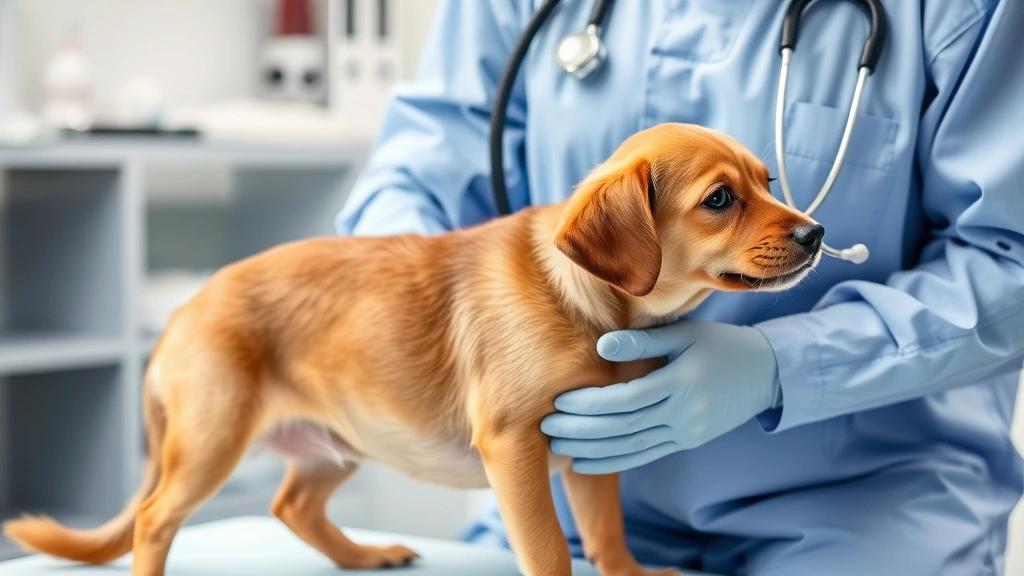
While many cases of upset tummy resolve with home care, certain situations require professional veterinary attention. If vomiting or diarrhea persists for more than 24 hours, contact your veterinarian immediately. Frequent vomiting, particularly if it prevents your dog from keeping any food or water down, indicates a need for professional evaluation and possibly intravenous fluids to prevent dehydration.
Severe symptoms warrant emergency veterinary care. These include persistent vomiting and diarrhea occurring simultaneously, signs of severe abdominal pain such as whining or reluctance to move, presence of blood in vomit or stool, fever, extreme letharence, or collapse. Additionally, if your dog is very young, very old, or has pre-existing health conditions, contact your vet promptly when digestive issues develop, as these populations are more vulnerable to complications.
Certain diagnostic signs also necessitate professional evaluation. If you suspect your dog has eaten something foreign, such as a toy, plastic, or other non-food item, seek veterinary help immediately. Foreign body obstruction can be life-threatening and requires professional intervention. According to resources from the American Veterinary Medical Association regarding diarrhea in dogs, persistent diarrhea lasting more than a few days warrants professional investigation to rule out serious underlying conditions.
Your veterinarian may recommend diagnostic testing, including fecal examinations to check for parasites, blood work to assess organ function, or imaging studies if foreign body obstruction is suspected. In some cases, medications may be necessary to control symptoms or treat underlying infections. Professional guidance ensures your dog receives appropriate treatment and rules out serious conditions masquerading as simple digestive upset.
Prevention Strategies for Future Episodes
Preventing upset stomachs is far easier than treating them. The most important prevention strategy involves careful diet management. Feed your dog a consistent, high-quality diet appropriate for their age, size, and health status. Avoid sudden diet changes whenever possible; if you need to switch foods, do so gradually over a week or more, mixing increasing amounts of the new food with the old. This gradual transition allows your dog’s digestive system to adapt.
Maintain strict control over what your dog has access to. Keep garbage secured in closed containers, store human food safely out of reach, and avoid feeding table scraps. Train your dog not to eat items from the ground during walks, as this is a common source of digestive upset. Regularly inspect your home and yard for potential hazards, including small toys, plants, or other objects your dog might ingest.
Regular parasite prevention is essential for digestive health. Keep your dog on year-round parasite prevention medications as recommended by your veterinarian. This protects against intestinal parasites that commonly cause digestive upset. Additionally, maintain a consistent feeding schedule, as this helps regulate digestive function and makes it easier to monitor changes in appetite or bowel habits. The American Kennel Club provides comprehensive guidance on diarrhea in dogs and prevention strategies.
Stress management also plays a role in digestive health. Maintain a consistent routine, provide adequate exercise, and create a calm environment for your dog. Some dogs experience digestive upset during stressful situations, so gradually acclimating your pup to changes in routine can help prevent stress-related digestive issues. Finally, maintain regular veterinary check-ups to catch and address any underlying health issues before they manifest as digestive problems.
Frequently Asked Questions
How long should I fast my dog when they have an upset stomach?
The typical fasting period for dogs with upset stomachs is 12 to 24 hours. Puppies and small dogs should not fast for the full 24 hours, as they require more frequent nutrition. Most veterinarians recommend a 12-hour fast for puppies. During fasting, continue offering small amounts of water to maintain hydration. If your dog continues vomiting during the fasting period or shows signs of severe distress, contact your veterinarian rather than continuing the fast.
What are the best bland foods to feed during digestive upset?
The best bland foods include boiled chicken with white rice, plain boiled sweet potato, and plain pumpkin puree. These foods are easily digestible and gentle on the stomach. Always prepare these foods without added seasonings, oils, or butter. According to PetMD’s comprehensive guide to diarrhea in dogs, these bland diet options are recommended as first-line nutritional support during digestive recovery.
How can I tell if my dog’s upset stomach is serious?
Several signs indicate a more serious condition requiring veterinary evaluation. These include persistent vomiting or diarrhea lasting more than 24 hours, visible blood in vomit or stool, signs of severe abdominal pain, fever, lethargy, or collapse. If your dog is very young, very old, or has pre-existing health conditions, seek veterinary help promptly for any digestive upset. When considering how to induce vomiting in dogs, this should only be done under direct veterinary supervision and never attempted at home.
Are probiotics safe for dogs with upset stomachs?
Yes, probiotics are generally safe and beneficial for dogs experiencing digestive upset. These beneficial bacteria help restore the gut’s natural balance and can improve digestive function. Look for probiotics specifically formulated for dogs, and consult your veterinarian for recommendations on which products are best suited for your dog’s situation. Probiotics are particularly helpful after antibiotic use or during recovery from acute digestive upset.
When should I return to regular dog food after an upset stomach?
Most dogs can transition back to regular food after 3 to 5 days of eating bland diet, provided they show consistent improvement. Make this transition gradually by mixing increasing amounts of regular food with the bland diet over the course of a week. Start with 25 percent regular food mixed with 75 percent bland food, then adjust the ratio every 1-2 days. If symptoms return during the transition, slow the process and contact your veterinarian for guidance.
Can stress cause upset stomachs in dogs?
Yes, stress and anxiety can absolutely cause digestive upset in dogs. Travel, changes in routine, new pets or people in the home, and other stressful situations can trigger temporary digestive issues. If you notice your dog experiences digestive upset during stressful periods, work with your veterinarian to develop stress management strategies. These might include maintaining consistent routines, providing adequate exercise, using calming supplements, or consulting with a veterinary behaviorist.
What role does hydration play in treating dog upset stomachs?
Hydration is absolutely critical during digestive upset. Vomiting and diarrhea can quickly lead to dehydration, which compounds health problems. Offer small amounts of water frequently throughout the day rather than one large amount at a time. If your dog is vomiting frequently, offer water in small quantities to prevent further gastrointestinal distress. According to VCA Animal Hospitals’ resources on diarrhea in dogs, maintaining proper hydration is one of the most important aspects of home care during digestive upset.





