
Quick Fixes to Help Your Dog Through a Bout of Diarrhea
Dog diarrhea is one of the most common health concerns pet owners face, and it can be incredibly stressful watching your furry friend struggle with digestive issues. Whether your dog has occasional loose stools or persistent diarrhea, understanding the causes and knowing effective remedies can help you provide quick relief and get your pup back to normal. This comprehensive guide will walk you through practical solutions, dietary adjustments, and when to seek professional veterinary care.
Diarrhea in dogs can stem from various causes ranging from minor dietary indiscretions to more serious underlying health conditions. The good news is that many cases of acute diarrhea can be managed at home with simple, proven techniques. By learning how to respond quickly and effectively, you can minimize your dog’s discomfort and potentially prevent the condition from worsening.
In this article, we’ll explore evidence-based strategies that veterinarians recommend for treating canine diarrhea, including dietary modifications, hydration techniques, and natural remedies that have been shown to be effective. We’ll also discuss when home care isn’t enough and professional intervention becomes necessary.
Table of Contents
- Understanding the Causes of Dog Diarrhea
- Immediate Steps to Take When Your Dog Has Diarrhea
- Dietary Solutions for Quick Relief
- The Critical Role of Hydration
- Natural Remedies and Home Treatments
- Prevention Strategies for Future Episodes
- When to Seek Veterinary Help
- Frequently Asked Questions
Understanding the Causes of Dog Diarrhea
Before you can effectively treat your dog’s diarrhea, it’s important to understand what might be causing it. Diarrhea is typically a symptom of an underlying issue rather than a disease itself. Common causes include dietary changes, food sensitivities, eating inappropriate items, parasites, bacterial or viral infections, and stress. According to the American Veterinary Medical Association (AVMA), identifying the root cause is essential for proper treatment.
Acute diarrhea typically appears suddenly and lasts for a short period, often resolving within a few days with basic home care. Chronic diarrhea, on the other hand, persists for more than three weeks and may indicate more serious conditions. Understanding whether your dog is experiencing acute or chronic diarrhea will help you determine the appropriate course of action and whether veterinary intervention is necessary.

Dietary indiscretion—when dogs eat something they shouldn’t—is one of the most common causes of sudden diarrhea. This might include eating garbage, spoiled food, table scraps, or foreign objects. Stress and anxiety can also trigger diarrheal episodes in sensitive dogs, particularly during times of environmental change or separation from their owners.
Immediate Steps to Take When Your Dog Has Diarrhea
When you first notice your dog has diarrhea, your initial response should be calm and systematic. First, assess the situation by observing the consistency, frequency, and color of your dog’s stools. This information will be valuable if you need to consult with your veterinarian. Note whether there are any other symptoms present, such as vomiting, lethargy, or loss of appetite. If your dog is also throwing up, this combination may warrant more immediate professional attention.
The next step is to implement a fasting period. Most veterinarians recommend fasting your dog for 12 to 24 hours to allow the digestive system to rest and recover. During this time, withhold all food, though you should continue offering water in small, frequent amounts. This fasting period gives the intestinal tract a chance to reset and often results in significant improvement.
Keep your dog in a comfortable, quiet space where they can rest undisturbed. Stress can exacerbate diarrhea, so creating a calm environment is beneficial. Monitor your dog closely during this period, and keep track of any changes in their condition. If symptoms worsen or your dog shows signs of severe dehydration, seek veterinary care immediately.
Dietary Solutions for Quick Relief
Once you’ve completed the fasting period, gradually reintroducing food is crucial for successful recovery. The traditional bland diet approach has proven highly effective for managing canine diarrhea. Start with easily digestible foods that won’t irritate the compromised digestive system.
One of the most recommended foods for dogs with diarrhea is plain white rice, which is gentle on the stomach and provides easily digestible carbohydrates. You can prepare it by boiling it in water without any seasoning or additives. Another excellent option is boiled chicken breast without skin or bones, which provides lean protein that’s gentle on the digestive system. Combine these two ingredients in a simple ratio of about one part chicken to two parts rice.
Introduce this bland diet gradually, starting with small portions—approximately 25% of your dog’s normal meal size—and increase the amount over several days as their stools normalize. Feed smaller, more frequent meals rather than one or two large meals, as this is easier on the recovering digestive system. The American Kennel Club recommends maintaining this bland diet for at least one week before gradually transitioning back to regular food.
Pumpkin is another beneficial food that can help firm up stools. Plain canned pumpkin (not pumpkin pie filling) contains soluble fiber that can help normalize digestion. Add a tablespoon or two to your dog’s bland diet meals. This natural remedy is safe, nutritious, and often produces noticeable results within 24 to 48 hours.
The Critical Role of Hydration
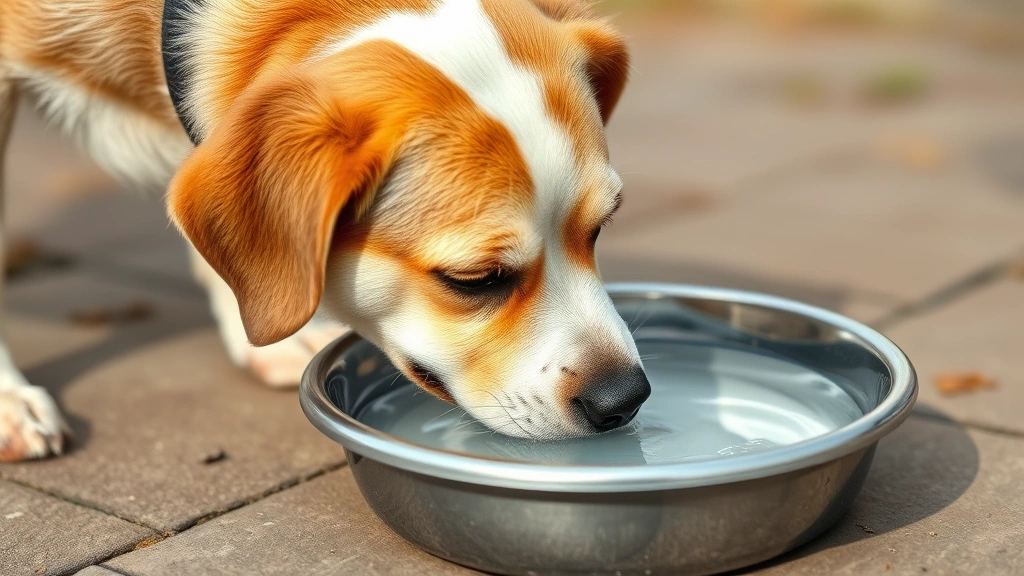
Maintaining proper hydration is absolutely critical when your dog has diarrhea. Diarrhea causes fluid loss, which can quickly lead to dehydration, especially in puppies, senior dogs, or small breeds. Signs of dehydration include dry gums, lethargy, excessive panting, and loss of skin elasticity. Always ensure your dog has access to fresh, clean water throughout the day and night.
Encourage your dog to drink water regularly by offering it in small amounts frequently rather than waiting for them to drink large quantities at once. Some dogs respond better to water served at different temperatures, so you might try both room temperature and slightly cool water to see which your dog prefers. If your dog refuses to drink adequate water, you can offer low-sodium broth or electrolyte solutions designed for dogs.
Commercial electrolyte solutions made specifically for dogs can help replace lost electrolytes and fluids more effectively than water alone. These solutions contain the proper balance of sodium, potassium, and other essential minerals. However, avoid using human sports drinks or electrolyte solutions, as these may contain ingredients that aren’t appropriate for dogs or may be too high in sugar.
Natural Remedies and Home Treatments
Beyond dietary adjustments, several natural remedies have been shown to help alleviate canine diarrhea. Probiotics are beneficial bacteria that support healthy gut flora and can help restore digestive balance. Canine-specific probiotic supplements contain beneficial strains like Lactobacillus and Bifidobacterium that work to normalize intestinal function. These are particularly helpful if your dog has been on antibiotics, which can disrupt the natural bacterial balance in the gut.
Regarding over-the-counter medications, pet owners often wonder about common human remedies. While Pepto-Bismol for dogs is sometimes used, it should only be administered under veterinary guidance and is not appropriate for all dogs. Always consult with your veterinarian before giving your dog any medication, as some can interact with other treatments or may not be suitable for your specific dog.
Slippery elm bark is an herbal remedy that has traditionally been used to soothe irritated digestive tract tissues. This herb contains mucilage that coats the digestive system, providing relief and promoting healing. It can be mixed into your dog’s bland food or given as a supplement following product instructions.
Bone broth made from simmered bones without seasonings can provide additional nutrients and amino acids that support gut healing. Make sure the broth is free of garlic, onions, and other toxic ingredients, and offer it in small amounts as a supplement to the bland diet.
Prevention Strategies for Future Episodes
While not all diarrhea can be prevented, many cases can be avoided through careful management and preventive measures. Maintain a consistent diet for your dog, as sudden dietary changes are a leading cause of diarrhea. If you need to switch dog foods, do so gradually over 7 to 10 days, mixing increasing amounts of the new food with decreasing amounts of the old food.
Keep your dog away from potential dietary hazards including garbage, spoiled food, human table scraps, and non-food items. Ensure your dog is up-to-date on vaccinations and parasite prevention, as these protect against many infectious causes of diarrhea. Regular deworming is essential, particularly for puppies and dogs that spend time outdoors.
Manage stress in your dog’s life by maintaining consistent routines, providing adequate exercise, and creating a calm home environment. If your dog experiences blood in their stool or other signs of gastrointestinal distress, these may indicate stress-related or more serious issues requiring professional evaluation.
When to Seek Veterinary Help
While many cases of acute diarrhea resolve with home care, certain situations require professional veterinary attention. Contact your veterinarian if your dog’s diarrhea lasts longer than 48 hours, if it’s accompanied by other symptoms like vomiting or fever, or if your dog shows signs of severe dehydration or abdominal pain. Puppies, senior dogs, and dogs with pre-existing health conditions should be evaluated more quickly, as they’re at higher risk for complications.
If your dog has eaten something potentially toxic or if you suspect a foreign object obstruction, seek immediate veterinary care. Blood in the stool, excessive lethargy, or refusal to eat are also reasons to contact your veterinarian promptly. The Veterinary Care Animal Hospital emphasizes that professional evaluation is important for chronic or recurring diarrhea.
Your veterinarian may recommend diagnostic testing such as fecal examinations to check for parasites, blood work to assess organ function, or imaging if intestinal obstruction is suspected. They might also prescribe medications such as antibiotics if bacterial infection is present, or anti-diarrheal medications for symptomatic relief in appropriate cases.
Frequently Asked Questions
How long does it typically take for a dog to recover from diarrhea?
Most cases of acute diarrhea in dogs improve within 24 to 48 hours with appropriate home care, including fasting and bland diet. Complete recovery typically takes 5 to 7 days. However, if diarrhea persists beyond this timeframe or worsens, veterinary evaluation is necessary to rule out underlying conditions.
Is it safe to use Benadryl for dogs to treat diarrhea?
Benadryl is an antihistamine primarily used for allergies and is not typically recommended as a diarrhea treatment. If your dog’s diarrhea is caused by food allergies, your veterinarian might recommend appropriate allergy management, but this should be determined professionally. Always consult your vet before administering any medication.
Can I give my dog regular food if the diarrhea seems to be improving?
It’s important to transition gradually back to regular food even if symptoms improve quickly. Reintroduce normal food slowly over 3 to 5 days by gradually decreasing the bland diet portion while increasing regular food. Rushing this transition can cause diarrhea to return.
What should I do if my dog refuses to eat the bland diet?
If your dog won’t eat the recommended bland diet, try warming the food slightly to enhance its aroma, or mix in a small amount of low-sodium broth for added flavor. If your dog continues refusing food for more than 24 hours, contact your veterinarian, as this could indicate a more serious issue.
Are certain dog breeds more prone to diarrhea?
Some breeds, particularly those with sensitive digestive systems like German Shepherds and Boxers, may be more prone to diarrhea. Additionally, breeds predisposed to inflammatory bowel disease or food allergies may experience more frequent episodes. Understanding your breed’s predispositions can help with prevention.
Can stress cause diarrhea in dogs?
Yes, stress and anxiety can definitely trigger diarrhea in dogs. Changes in environment, separation anxiety, or major life changes can all cause stress-related diarrhea. Maintaining consistent routines and providing a calm environment can help prevent stress-induced episodes.
What’s the difference between acute and chronic diarrhea in dogs?
Acute diarrhea appears suddenly and typically lasts a few days to a week, often resolving with home care. Chronic diarrhea persists for more than three weeks and usually requires veterinary investigation to identify underlying causes. According to PetMD, chronic diarrhea may indicate serious conditions like inflammatory bowel disease, pancreatitis, or malabsorption issues.
Conclusion
Dog diarrhea is a common but manageable condition that responds well to prompt, appropriate care. By implementing the quick fixes outlined in this guide—including fasting, bland diet, proper hydration, and natural remedies—you can help your dog recover quickly and comfortably. Remember that prevention through consistent diet, proper parasite control, and stress management is always preferable to treatment.
However, don’t hesitate to contact your veterinarian if your dog’s symptoms persist, worsen, or are accompanied by other concerning signs. Professional guidance ensures that any underlying health issues are properly identified and treated. With patience and proper care, most dogs bounce back from diarrhea episodes quickly and return to their normal, healthy selves. By staying informed and proactive, you’re giving your beloved pet the best chance for swift recovery and long-term digestive health.





