
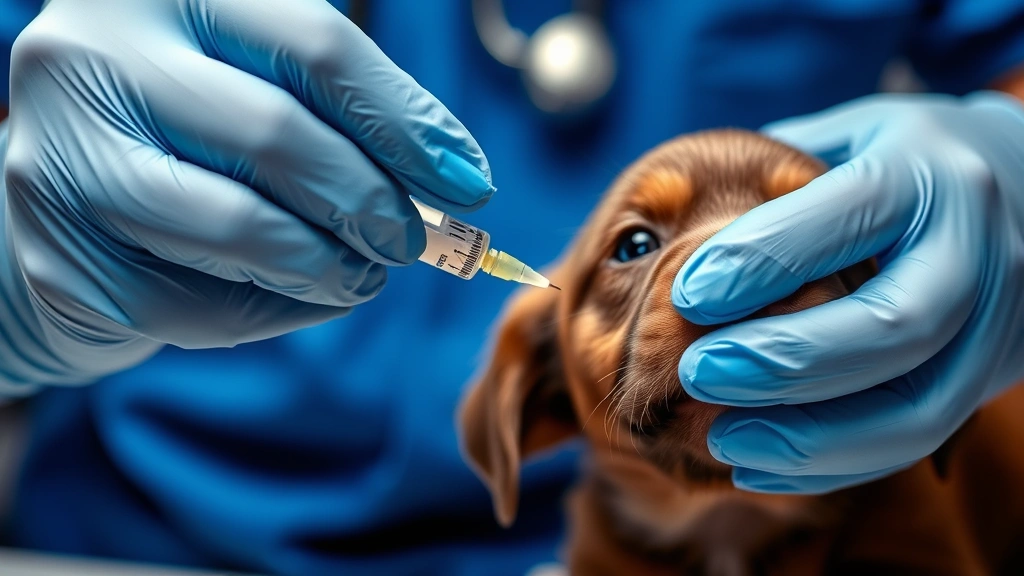
Essential Dog Vaccines: Keep Your Furry Friend Healthy
Vaccinating your dog is one of the most important health decisions you can make as a pet owner. Just like humans, dogs need vaccines to protect them from serious and potentially life-threatening diseases. Whether you have a new puppy or an adult dog, understanding the vaccination process is crucial for maintaining your furry friend’s long-term health and well-being. Vaccines work by stimulating your dog’s immune system to recognize and fight off specific diseases without causing the actual illness.
The vaccination journey begins when puppies are just a few weeks old and continues throughout their lives. Your veterinarian will create a customized vaccination schedule based on your dog’s age, health status, lifestyle, and geographic location. Regular vaccinations not only protect your individual pet but also contribute to community health by preventing the spread of contagious diseases to other animals. In this comprehensive guide, we’ll explore everything you need to know about dog vaccines, including core vaccines, non-core vaccines, vaccination schedules, and potential side effects.
Many dog owners wonder about the best practices for keeping their pets healthy beyond vaccinations. For instance, understanding common health issues like why is my dog coughing can help you recognize when additional veterinary care might be needed alongside your vaccination routine.
Table of Contents
- Understanding Core Vaccines
- Non-Core Vaccines Explained
- Puppy and Adult Dog Vaccination Schedules
- Vaccine Side Effects and Safety
- Special Considerations for Different Dog Types
- Maintaining Vaccination Records
- Frequently Asked Questions
Understanding Core Vaccines
Core vaccines are considered essential for all dogs regardless of their lifestyle or geographic location. According to the American Veterinary Medical Association’s guidelines on vaccines for dogs, these vaccines protect against diseases that are prevalent, serious, or have potential public health implications. The main core vaccines include rabies, distemper, parvovirus, and adenovirus.
Rabies is perhaps the most critical vaccine your dog will receive. This disease is almost always fatal once clinical signs appear, and it poses a significant public health threat because it can transmit to humans. Most states legally require rabies vaccination, and many boarding facilities and dog parks require proof of current rabies vaccination before allowing your pet entry. Rabies vaccines are typically administered at 12-16 weeks of age, with a booster at one year, and then every one to three years depending on the vaccine used.
The distemper vaccine, also known as DHPP (Distemper, Hepatitis, Parainfluenza, and Parvovirus), protects against multiple serious diseases in one shot. Distemper is a highly contagious viral disease that affects the respiratory, gastrointestinal, and nervous systems. Puppies receive this vaccine starting at 6-8 weeks of age, with boosters every 3-4 weeks until 16 weeks old.

Parvovirus is another critical component of the DHPP vaccine. This highly contagious virus causes severe gastrointestinal illness, dehydration, and can be fatal, especially in puppies and unvaccinated dogs. Parvovirus is extremely hardy and can survive in the environment for months, making vaccination crucial for all dogs. If you’re concerned about your dog’s digestive health, understanding conditions like why is my dog throwing up can help you distinguish between normal issues and signs of serious illness.
Non-Core Vaccines Explained
Non-core vaccines are recommended based on individual risk factors, lifestyle, and geographic location. Your veterinarian will assess your dog’s specific needs and recommend appropriate non-core vaccines. Common non-core vaccines include Bordetella bronchiseptica, Leptospirosis, Lyme disease, and Coronavirus.
Bordetella bronchiseptica is a bacterial pathogen that causes kennel cough, a highly contagious respiratory disease. If your dog frequently visits dog parks, boarding facilities, or dog shows, your veterinarian may recommend this vaccine. Bordetella can be administered via intranasal spray or injection, and immunity typically begins within a few days of vaccination.
Leptospirosis protection is particularly important if your dog spends time outdoors, swims in lakes or ponds, or lives in areas with wildlife. This bacterial disease can cause kidney and liver damage and can transmit to humans. The leptospirosis vaccine is often included in combination vaccines and requires annual boosters to maintain immunity.
Lyme disease is transmitted by tick bites and is prevalent in certain geographic regions. If you live in an area where Lyme disease is common or frequently travel with your dog to such areas, your veterinarian will likely recommend this vaccine. The Lyme vaccine requires an initial series followed by annual boosters. Additionally, understanding environmental hazards like is rosemary safe for dogs can help you create a safer environment for your vaccinated pet.
Puppy and Adult Dog Vaccination Schedules
Proper vaccination timing is essential for developing immunity in your puppy. The typical puppy vaccination schedule starts at 6-8 weeks of age and continues until 16-20 weeks old. Puppies receive maternal antibodies from their mother’s milk, which can interfere with vaccine effectiveness. Therefore, a series of vaccinations spaced 3-4 weeks apart ensures that once maternal antibodies decline, the puppy’s immune system is prepared to respond to the vaccine.
The standard puppy vaccination schedule looks like this: first DHPP vaccine at 6-8 weeks, second DHPP at 10-12 weeks, third DHPP at 14-16 weeks, and rabies vaccine at 12-16 weeks. Some veterinarians recommend a fourth DHPP booster at 18-20 weeks for optimal protection. After completing the initial series, puppies receive their one-year booster, and then core vaccines are typically given every three years.
Adult dogs who have completed their initial vaccination series require regular boosters to maintain immunity. For dogs with unknown vaccination history, your veterinarian will recommend starting a new vaccination series. The American Kennel Club’s expert advice on dog vaccines emphasizes that consistency in booster schedules is crucial for maintaining protection throughout your dog’s life.
Senior dogs, typically those over seven years old, should continue receiving vaccinations unless they have specific health conditions that contraindicate vaccines. Your veterinarian may recommend more frequent health assessments for senior dogs, as their immune systems may respond differently to vaccines. Regular communication with your vet ensures your aging dog receives appropriate protection while minimizing risks.
Vaccine Side Effects and Safety
Most dogs tolerate vaccines well with minimal to no side effects. Understanding potential reactions helps you know when to contact your veterinarian. Common mild side effects include slight lethargy, reduced appetite, and mild fever for 24-48 hours after vaccination. Some dogs may have slight swelling or soreness at the injection site, which typically resolves within a few days.
Serious vaccine reactions are rare but can occur. Anaphylaxis is the most severe reaction and involves difficulty breathing, facial swelling, vomiting, and collapse. This reaction requires immediate emergency veterinary care. If your dog experienced anaphylaxis to a previous vaccine, your veterinarian will take precautions with future vaccinations, potentially administering antihistamines beforehand or spacing vaccines out.
Vaccine-associated sarcomas, while extremely rare, are a concern some pet owners mention. These are fibrous tumors that occasionally develop at injection sites. The incidence is very low, occurring in roughly 1-3 per 10,000 vaccinations. The benefit of vaccination far outweighs this minimal risk, especially considering the serious nature of diseases vaccines prevent. If you have specific health concerns for your dog, discussing them with your veterinarian is essential. For example, if your dog is dealing with an infection, you might wonder how to treat dog ear infection without vet care, but professional guidance is always recommended.
Your veterinarian may recommend waiting before vaccinating if your dog is ill or currently being treated for medical conditions. Vaccines are most effective when administered to healthy dogs. If your dog is on antibiotics or other medications, discuss timing with your vet to ensure optimal vaccine response.
Special Considerations for Different Dog Types
Different dogs have different vaccination needs based on their lifestyle, breed, and activities. Working dogs, such as service dogs, may have additional considerations regarding vaccination timing and types. If you’re interested in how to make your dog a service dog, understanding vaccination requirements for service animals is important, as many service dog organizations have specific vaccination protocols.
Dogs that travel frequently or visit areas with different disease prevalence may need non-core vaccines appropriate for those regions. If you travel internationally with your dog, certain countries require specific vaccinations and health certificates. Planning vaccinations well in advance of travel ensures your dog is properly protected and meets entry requirements.
Breed-specific considerations may apply in some cases. Certain breeds may have immune system differences that affect vaccine response. Your veterinarian can provide breed-specific recommendations based on the latest research and their clinical experience with your dog’s breed.
Dogs with compromised immune systems due to illness or medication may require modified vaccination schedules. Pregnant or nursing dogs should not receive live vaccines, though inactivated vaccines may be appropriate depending on the clinical situation. Always discuss your dog’s complete health history with your veterinarian before vaccinating.
Maintaining Vaccination Records
Keeping accurate vaccination records is essential for your dog’s health management and required for many activities. Your veterinarian maintains records, but you should also keep copies at home. Vaccination records include vaccine names, dates administered, lot numbers, and the veterinarian’s signature. These records are required for boarding facilities, dog parks, training classes, and many travel situations.
Many veterinary clinics now use digital record systems and send vaccination certificates electronically. You can request printed copies or digital files for your records. Store these documents safely, as you’ll need them throughout your dog’s life. Some pet owners keep vaccination records with their dog’s microchip information and emergency contact details in a readily accessible location.
If you change veterinarians, request your vaccination records be transferred to your new veterinary clinic. This ensures continuity of care and accurate tracking of your dog’s vaccination history. Your new veterinarian will review these records to determine when boosters are due and plan future vaccinations accordingly.
Frequently Asked Questions
What vaccines does my puppy absolutely need?
Your puppy absolutely needs core vaccines: rabies, distemper, parvovirus, and adenovirus. These vaccines protect against diseases that are prevalent, serious, and potentially fatal. Your veterinarian will recommend a vaccination schedule starting at 6-8 weeks of age. Non-core vaccines depend on your puppy’s lifestyle and risk factors, which your vet will assess during your first appointment. The Cornell University College of Veterinary Medicine provides detailed information on canine vaccination protocols.
How often should my adult dog receive booster vaccinations?
Most adult dogs with completed initial vaccination series receive core vaccine boosters every three years. However, some vaccines may require annual or more frequent boosters. Your veterinarian will recommend a booster schedule based on the specific vaccines your dog receives and local disease prevalence. Some non-core vaccines like leptospirosis require annual boosters to maintain immunity. Always follow your veterinarian’s recommendations, as they consider your dog’s individual health status and risk factors.
Can vaccination cause my dog to get sick?
Vaccines cannot cause your dog to contract the actual disease because they contain either inactivated virus, weakened virus, or specific viral components—not live disease agents. Mild side effects like temporary lethargy or reduced appetite may occur, but these are signs of immune system activation, not illness. If your dog experiences serious symptoms after vaccination, contact your veterinarian immediately. Serious reactions are very rare, and the protection vaccines provide far outweighs the minimal risk of adverse effects.
Is it possible for my dog to have an allergic reaction to vaccines?
Yes, allergic reactions to vaccines are possible but rare. Reactions can range from mild itching and facial swelling to severe anaphylaxis requiring emergency treatment. If your dog has experienced an allergic reaction to a previous vaccine, inform your veterinarian immediately. They may recommend pre-treatment with antihistamines or corticosteroids before future vaccinations, or they may choose alternative vaccines. Some dogs with known allergies may benefit from vaccinating only when absolutely necessary, with careful monitoring during the process. The CDC’s healthy pets information for dogs provides guidance on vaccine safety monitoring.
What should I do if my dog has been exposed to an unvaccinated dog?
If your vaccinated dog has been exposed to an unvaccinated dog that may have been ill, contact your veterinarian for guidance. If your dog is current on vaccinations, protection should be adequate. If your dog is unvaccinated or has unknown vaccination history, your veterinarian may recommend immediate vaccination and careful monitoring for signs of illness. Watch for symptoms related to common infectious diseases, such as can dogs get bird flu or kennel cough, and report any symptoms to your veterinarian immediately.
Are there any risks associated with over-vaccinating my dog?
Over-vaccination is a concern some pet owners raise, but current veterinary guidelines are designed to prevent this. Titer testing, which measures antibody levels, can determine if your dog still has immunity from previous vaccinations. Many veterinarians use titer testing as an alternative to routine boosters, especially for adult dogs. This individualized approach ensures your dog receives necessary protection without unnecessary vaccinations. Discuss titer testing options with your veterinarian if you have concerns about vaccination frequency.
How can I prepare my dog for vaccination appointments?
Prepare your dog for vaccination by ensuring they’re healthy and not currently ill. Feed your dog normally before the appointment, as some dogs experience mild nausea after vaccination. Bring a list of any medications or supplements your dog is taking. Discuss any previous vaccine reactions or health concerns with your veterinarian. After vaccination, keep your dog calm and avoid strenuous exercise for 24-48 hours. Monitor for any unusual symptoms and contact your veterinarian if you notice anything concerning. Additionally, if your dog takes any topical treatments like is neosporin safe for dogs, inform your veterinarian about all products being used on your pet.





