

Why Is My Dog Having Diarrhea?
Discovering that your beloved canine companion is suffering from diarrhea can be concerning for any pet owner. Diarrhea in dogs is one of the most common gastrointestinal issues veterinarians encounter, and while it’s often temporary and manageable, understanding the underlying causes is essential for proper treatment and prevention. This comprehensive guide will help you identify potential reasons your dog may be experiencing digestive upset and provide you with practical solutions to get your furry friend back to normal.
Dog diarrhea can range from mild and occasional to severe and persistent, and the causes can be as simple as dietary indiscretion or as serious as underlying medical conditions. As a responsible pet owner, knowing when to seek veterinary care and how to manage your dog’s symptoms at home is crucial. Whether your dog has had a single episode or is experiencing chronic diarrhea, this article will equip you with the knowledge needed to address this uncomfortable condition effectively.
Beyond just the physical discomfort, diarrhea can be frustrating for both you and your pet. It may indicate that something in your dog’s routine, diet, or health needs adjustment. By exploring the various causes and solutions outlined in this guide, you’ll be better prepared to prevent future episodes and maintain your dog’s digestive health.
Table of Contents
Common Causes of Dog Diarrhea
Dog diarrhea can stem from numerous sources, and identifying the root cause is the first step toward resolution. The most common causes include dietary changes, food sensitivities, infections, parasites, stress, and various medical conditions. Understanding these factors will help you work more effectively with your veterinarian to diagnose and treat your dog’s condition.
One of the most frequent culprits behind canine diarrhea is a sudden change in diet. Dogs have sensitive digestive systems that require gradual transitions when switching between foods. Additionally, certain foods that are safe for humans can trigger digestive upset in dogs. It’s also worth noting that if your dog is experiencing other symptoms simultaneously, such as why is my dog throwing up, this may indicate a more serious gastrointestinal issue that requires immediate veterinary attention.
Environmental factors and behavioral changes can also play a significant role in your dog’s digestive health. Dogs are sensitive creatures that respond to changes in their surroundings, and this sensitivity can manifest as digestive distress.
Dietary Factors and Food Sensitivities
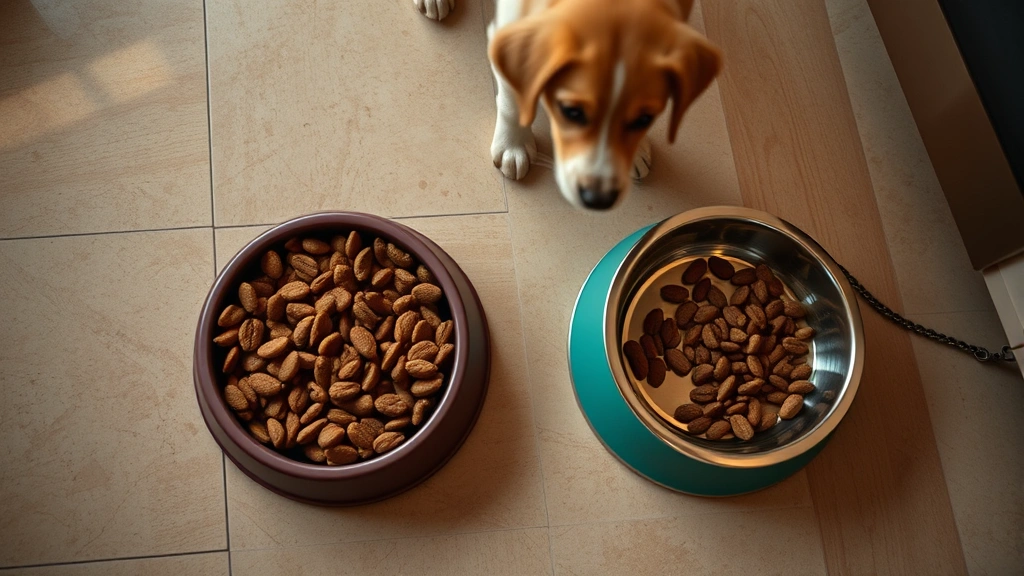
The food you provide your dog is foundational to their digestive health. Dietary-related diarrhea is one of the most manageable causes because you have direct control over what your dog consumes. Common dietary triggers include low-quality commercial dog foods, foods high in fat or fiber, and sudden dietary changes without proper transition periods.
When introducing new food to your dog, veterinarians recommend a gradual transition process spanning 7-10 days. This allows your dog’s digestive system to adjust to the new food’s ingredients and composition. Abruptly switching from one brand or type of food to another can shock your dog’s system and trigger diarrhea within hours or days.
Some dogs develop food sensitivities or allergies to specific ingredients such as chicken, beef, dairy, or grains. These sensitivities are different from true allergies but can produce similar digestive symptoms. If you suspect your dog has a food sensitivity, consider working with your veterinarian to conduct an elimination diet or recommend hypoallergenic food options.
Table scraps and human food are common culprits behind canine diarrhea. Foods that are toxic to dogs, such as chocolate, grapes, and xylitol-containing products, should never be given. However, even non-toxic human foods can upset your dog’s stomach due to their different digestive enzymes and nutritional requirements. If your dog has why is my dog pooping blood, dietary causes should be ruled out immediately with veterinary consultation.
Infections and Parasites
Bacterial and viral infections are common causes of acute diarrhea in dogs. Common bacterial culprits include Salmonella, E. coli, and Campylobacter, while viral infections might involve canine parvovirus or coronavirus. These infections can range from mild to life-threatening, depending on your dog’s age, immune status, and overall health.
Parasitic infections are particularly concerning in puppies and young dogs but can affect dogs of any age. Common internal parasites that cause diarrhea include roundworms, hookworms, whipworms, and Giardia. Giardia is especially noteworthy because it’s a protozoan parasite that causes persistent diarrhea and can be transmitted to humans, making it a public health concern.
Regular parasite prevention is your best defense against parasitic diarrhea. Monthly preventative medications can protect your dog from intestinal parasites, and annual stool samples during veterinary check-ups help catch infections early. Puppies should be dewormed at regular intervals until they reach adulthood, and dogs living in warm, humid climates may require year-round parasite prevention.
If your dog has been exposed to other animals in parks, boarding facilities, or shelters, the risk of parasitic or bacterial infection increases significantly. Maintaining proper hygiene and cleaning up after your dog promptly reduces the transmission risk to other pets in your household.
Stress and Anxiety
Dogs are emotional creatures, and psychological stress can manifest as physical symptoms, including diarrhea. Changes in environment, addition of new family members or pets, loud noises, travel, or changes in routine can trigger stress-related digestive upset. Some dogs are naturally more anxious than others and may experience diarrhea during stressful situations.
Recognizing stress signals in your dog is important for addressing the root cause. Signs of stress include excessive panting (unrelated to exercise or heat), which you can learn more about by reading about why is my dog panting so much, trembling, restlessness, and changes in eating or bathroom habits.
Managing stress-related diarrhea involves creating a calm environment for your dog, maintaining consistent routines, and providing adequate exercise and mental stimulation. In severe cases, your veterinarian may recommend anxiety medications or refer you to a professional dog trainer or veterinary behaviorist.
Thunderstorms, fireworks, and other loud noises can trigger anxiety-related diarrhea in sensitive dogs. Creating a safe space where your dog can retreat during these events, using calming supplements, or applying pressure wraps designed for anxious dogs can help minimize stress-related digestive issues.
Underlying Medical Conditions
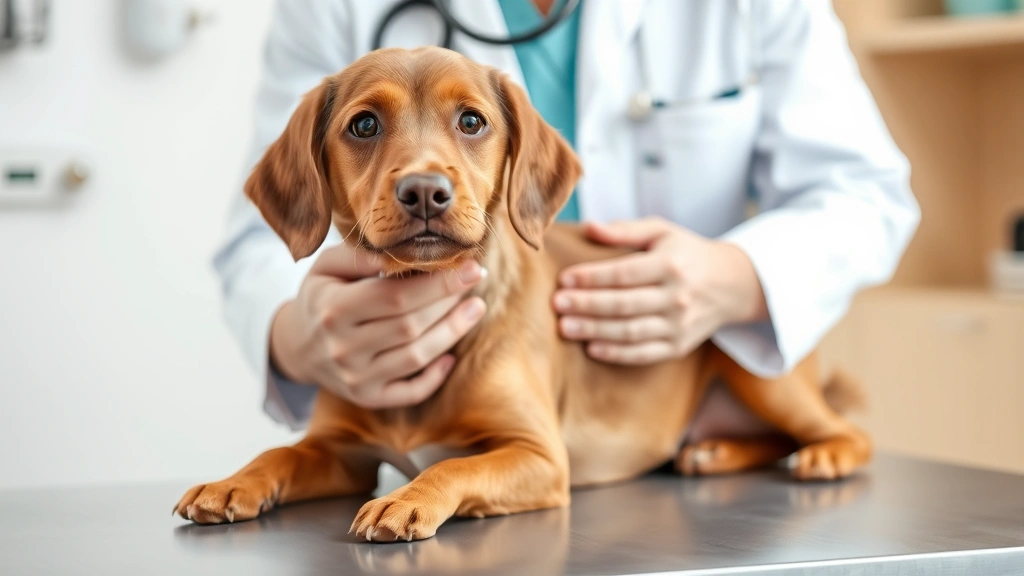
Chronic diarrhea that persists for more than a few days often indicates underlying medical conditions requiring veterinary diagnosis. Inflammatory bowel disease (IBD), pancreatitis, food allergies, and exocrine pancreatic insufficiency (EPI) are among the more serious conditions that cause persistent diarrhea.
Inflammatory bowel disease in dogs is characterized by chronic inflammation of the digestive tract, leading to persistent diarrhea, vomiting, weight loss, and poor coat condition. Some dogs also experience why is my dog coughing due to complications or related conditions. IBD requires long-term management through dietary changes, medications, and sometimes immunosuppressive therapy.
Pancreatitis, inflammation of the pancreas, can cause acute or chronic diarrhea along with vomiting, abdominal pain, and loss of appetite. This condition is particularly common in dogs fed high-fat diets and can be life-threatening if not properly managed. Certain dog breeds are predisposed to pancreatitis, making prevention through appropriate diet even more critical.
Exocrine pancreatic insufficiency occurs when the pancreas fails to produce adequate digestive enzymes, resulting in malabsorption and chronic diarrhea. Dogs with EPI often have poor coat quality, weight loss despite increased appetite, and coprophagia (eating feces). This condition is manageable with pancreatic enzyme supplements added to food.
Other medical conditions causing diarrhea include hypothyroidism, diabetes, kidney disease, liver disease, and intestinal tumors. Age-related changes in older dogs can also contribute to digestive upset. Comprehensive veterinary evaluation is essential for proper diagnosis when diarrhea persists beyond a few days.
Home Care and Management
For mild, acute diarrhea, several home care strategies can help your dog recover comfortably. The first approach is typically a short fasting period of 12-24 hours, followed by a bland diet consisting of plain boiled chicken and white rice or a commercially available bland diet formulation.
Hydration is crucial during diarrheal episodes, as your dog loses fluids and electrolytes. Ensure fresh water is always available, and monitor your dog for signs of dehydration such as dry mouth, sunken eyes, and loss of skin elasticity. In severe cases, your veterinarian may recommend oral electrolyte solutions or intravenous fluid therapy.
Probiotics are beneficial bacteria that support healthy digestive function and may help restore balance to your dog’s gut flora. Several studies support the use of probiotics in managing acute diarrhea, though results vary depending on the specific probiotic strain and your individual dog.
Regarding over-the-counter medications, many pet owners wonder if can dogs have pepto bismol. While some antidiarrheal medications can be used in dogs under veterinary guidance, others may mask symptoms of serious conditions or prove harmful. Always consult your veterinarian before administering any medication.
Fiber supplements can help firm up stool in some cases of diarrhea, though excessive fiber may worsen symptoms in other situations. Pumpkin puree (not pie filling) is a popular home remedy that many pet owners report helps both diarrhea and constipation due to its moderate fiber content and digestive benefits.
When to See a Veterinarian
While mild diarrhea often resolves on its own within a day or two, certain situations warrant immediate veterinary attention. If your dog shows signs of severe dehydration, bloody stools, persistent vomiting alongside diarrhea, abdominal pain, lethargy, or loss of appetite, seek veterinary care promptly.
Puppies and senior dogs are more vulnerable to complications from diarrhea and should be evaluated by a veterinarian even for seemingly minor digestive upset. Similarly, if your dog has pre-existing medical conditions or is taking medications, veterinary guidance is important before attempting home treatment.
Diarrhea lasting more than 2-3 days, diarrhea accompanied by weight loss or poor coat condition, or repeated episodes of diarrhea suggest chronic underlying issues requiring professional diagnosis. Your veterinarian can perform fecal examinations, blood work, and imaging studies to identify the cause.
During your veterinary visit, be prepared to describe when the diarrhea started, what your dog’s stools look like, whether there are other symptoms, recent diet or routine changes, and your dog’s vaccination and parasite prevention history. This information helps your veterinarian narrow down potential causes and recommend appropriate testing.
Prevention Strategies
Preventing diarrhea is far easier than treating it, and several strategies can reduce your dog’s risk of experiencing digestive upset. Maintaining a consistent, high-quality diet appropriate for your dog’s age, size, and health status is fundamental to digestive health.
Regular parasite prevention through monthly medications and annual stool examinations significantly reduces the risk of parasitic infections causing diarrhea. Keeping your dog’s vaccinations current protects against viral infections like parvovirus that cause severe diarrhea.
Prevent your dog from eating inappropriate items by maintaining a clean environment, securing trash cans, and supervising outdoor time. Teaching a strong “leave it” command helps prevent your dog from consuming potentially harmful substances while exploring.
Stress reduction strategies including consistent routines, adequate exercise, mental stimulation, and a calm home environment support overall digestive health. Some dogs benefit from calming supplements containing ingredients like L-theanine or chamomile.
Gradual diet transitions, limiting table scraps, and avoiding foods toxic to dogs are critical prevention measures. If you suspect your dog might have underlying conditions like why is my dog shaking or other health issues manifesting as diarrhea, prompt veterinary evaluation can prevent complications.
Regular veterinary check-ups allow your veterinarian to monitor your dog’s health, identify early signs of conditions that might cause diarrhea, and provide preventative care recommendations tailored to your individual dog’s needs and risk factors.
Frequently Asked Questions
How long should I wait before contacting my veterinarian about diarrhea?
For mild diarrhea in an otherwise healthy adult dog, you can typically wait 24-48 hours while monitoring at home. However, contact your veterinarian sooner if your dog shows signs of severe dehydration, bloody stools, persistent vomiting, abdominal pain, lethargy, or if diarrhea is accompanied by other concerning symptoms. Puppies, senior dogs, and dogs with pre-existing conditions should be evaluated promptly.
Can I give my dog regular food during a bout of diarrhea?
It’s best to temporarily switch to a bland diet of plain boiled chicken and white rice or a prescription bland diet when your dog has diarrhea. Regular food may be too rich or irritating for an upset digestive system. Once the diarrhea resolves and your dog’s appetite normalizes, gradually transition back to regular food over 5-7 days to avoid triggering another episode.
Are there breeds more prone to diarrhea?
Certain breeds, particularly German Shepherds and other breeds predisposed to inflammatory bowel disease or food sensitivities, may experience more frequent diarrhea. Breeds prone to pancreatitis may also experience more digestive upset. However, any dog of any breed can develop diarrhea from various causes, so individual health history and environment matter more than breed alone.
Is it safe to use human antidiarrheal medications for dogs?
Many human antidiarrheal medications are not safe for dogs and can mask symptoms of serious conditions or cause complications. Before giving your dog any medication, consult your veterinarian who can recommend appropriate treatments. Some medications that are safe for humans can be toxic to dogs, so professional guidance is essential.
What’s the difference between acute and chronic diarrhea in dogs?
Acute diarrhea develops suddenly and typically lasts less than a few days to a week, often caused by dietary indiscretion, infections, or stress. Chronic diarrhea persists for more than three weeks and suggests underlying conditions like inflammatory bowel disease, food allergies, or malabsorption issues. Chronic diarrhea requires more extensive veterinary investigation and long-term management strategies.
Can stress really cause diarrhea in dogs?
Yes, stress and anxiety can definitely cause diarrhea in dogs. The gut-brain connection is powerful, and psychological stress triggers physical responses including digestive upset. Some dogs are naturally more sensitive to environmental changes, and maintaining consistent routines with adequate exercise and mental stimulation helps minimize stress-related digestive issues.
How do I know if my dog is dehydrated from diarrhea?
Signs of dehydration include dry mouth and gums, sunken eyes, loss of skin elasticity (skin doesn’t bounce back immediately when pulled gently), lethargy, and increased heart rate. You can check skin turgor by gently pulling up the skin on your dog’s back; if it doesn’t return to normal position quickly, dehydration may be present. Dehydrated dogs require immediate veterinary attention, as severe dehydration can be life-threatening.





