
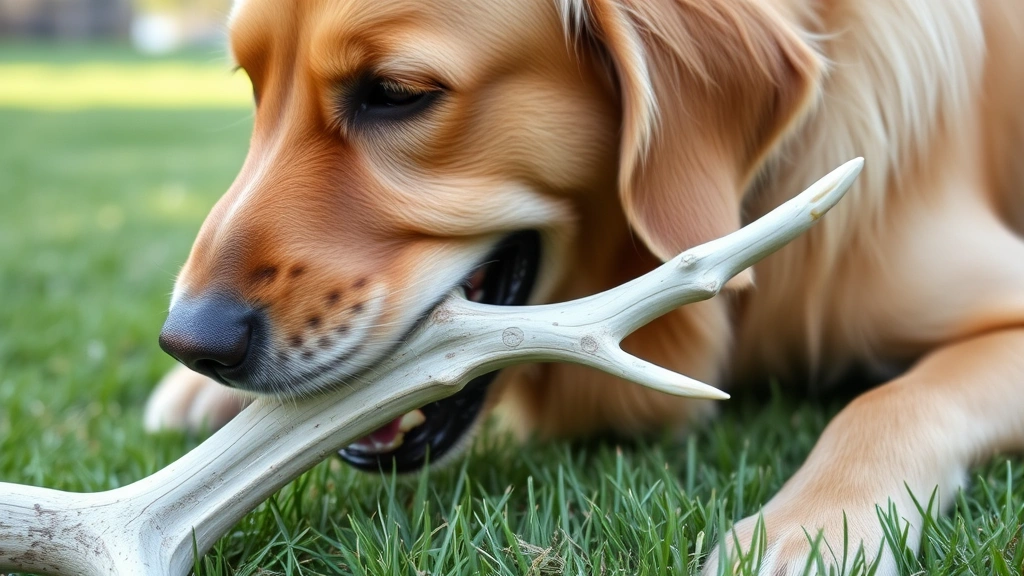
Are Deer Antlers Safe for Dogs?
Deer antlers have become increasingly popular as natural dog chews, marketed as long-lasting alternatives to traditional rawhide and synthetic treats. Pet owners are drawn to their appeal, believing they provide a safe, natural option for their canine companions. However, the question of whether deer antlers are truly safe requires a comprehensive examination of the benefits, risks, and expert recommendations surrounding this controversial chew toy.
As a veterinary specialist with years of experience in canine nutrition and behavior, I’ve encountered countless dog owners asking about antler safety. The answer is more nuanced than a simple yes or no. While many dogs chew on deer antlers without incident, there are legitimate health concerns that every responsible pet owner should understand before offering them to their furry friends.
This guide explores the complete picture of deer antler safety for dogs, including potential risks, benefits, and expert recommendations to help you make an informed decision about your dog’s chewing habits.
Table of Contents
- What Are Deer Antlers?
- Potential Health Risks of Antler Chewing
- Benefits and Positive Considerations
- Safety Guidelines for Offering Antlers
- Safe Alternatives to Deer Antlers
- Expert Recommendations and Best Practices
- Frequently Asked Questions
What Are Deer Antlers?
Deer antlers are the branched, bone-like growths that emerge from the heads of male deer (and some female species) each year. These structures are made primarily of bone, which makes them extremely hard and dense. When shed naturally, antlers are collected and processed into dog chews, often sold under various brand names and marketed as “natural” and “long-lasting” alternatives to conventional dog treats.
The composition of deer antlers consists mainly of calcium, phosphorus, and collagen, which contributes to their durability. Many manufacturers claim these components provide nutritional benefits when chewed. However, it’s important to understand that while antlers may contain these minerals, the bioavailability of nutrients from antler chewing is not well-documented in veterinary literature.
According to the American Kennel Club’s guidance on deer antlers for dogs, these products are generally unregulated, meaning quality and safety standards vary significantly between manufacturers. Understanding what you’re purchasing is the first step in making a safe decision for your dog.
Deer antlers are available in various forms, including whole antlers, split antlers, and ground antler powder. Each form presents different safety considerations and potential risks that warrant examination.
Potential Health Risks of Antler Chewing
Despite their natural origin, deer antlers pose several significant health risks that veterinarians frequently warn against. Understanding these dangers is crucial for protecting your dog’s wellbeing. The hardness that makes antlers appealing as long-lasting chews also makes them potentially dangerous.
Broken and Fractured Teeth
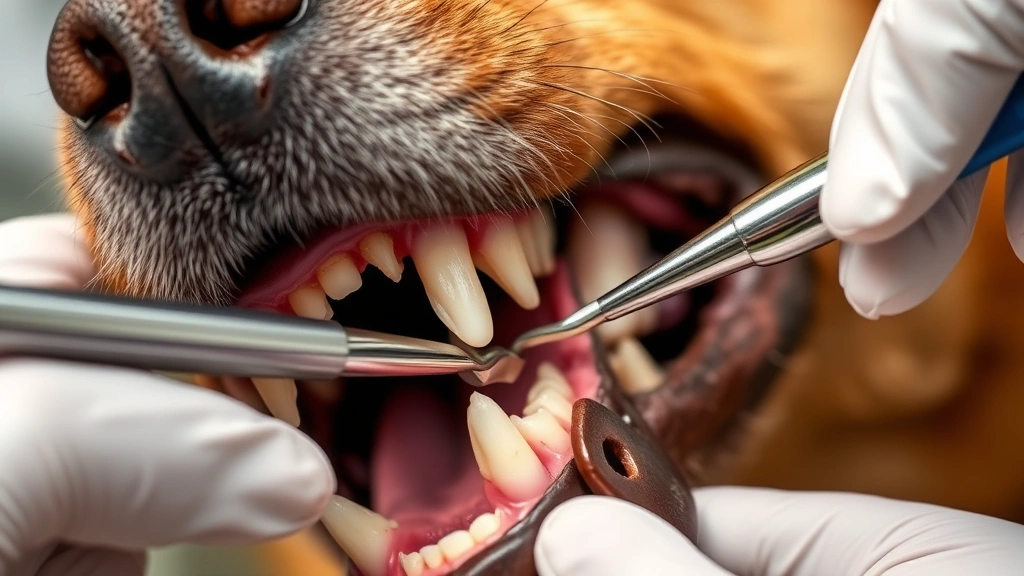
One of the most common complications from antler chewing is broken or fractured teeth. Dogs have strong jaws, but antlers are harder than many dog teeth, especially the premolars and molars that bear the most chewing force. When a dog gnaws on an antler, the repetitive pressure can cause cracks, chips, or complete fractures. These dental injuries can be extremely painful and often require expensive veterinary dental procedures, including extractions.
Gastrointestinal Blockages
Pieces of antler that break off during chewing can accumulate in the digestive tract, potentially causing blockages. This is particularly concerning because antler fragments don’t digest easily like softer treats do. Dogs that can chew on antlers may ingest large pieces, especially if they’re aggressive chewers. Blockages can require emergency surgery and pose life-threatening complications.
Constipation and Digestive Issues
Even if antler fragments don’t cause complete blockages, they can still cause constipation, diarrhea, or other digestive disturbances. The high mineral content, particularly calcium and phosphorus, can create hard stools that are difficult for dogs to pass. Some dogs experience vomiting or reduced appetite after extended antler chewing.
Mouth and Gum Injuries
Sharp edges or splinters from antlers can lacerate the soft tissues of a dog’s mouth, gums, and throat. These injuries can lead to infections, bleeding, and pain during eating. In some cases, puncture wounds from antler fragments can become infected if not properly treated.
Esophageal Damage
Large antler pieces can scratch or irritate the esophagus as they travel to the stomach. This can cause discomfort, reduced appetite, and in severe cases, perforation of the esophageal wall.
The Humane Society’s resources on deer antlers for dogs highlight these concerns, noting that emergency veterinary visits related to antler ingestion are not uncommon.
Benefits and Positive Considerations
While the risks are significant, it’s fair to acknowledge that many dogs do chew on antlers without experiencing adverse effects. Understanding the potential benefits helps create a balanced perspective on this controversial treat.
Natural Composition
Deer antlers are genuinely natural products, containing no artificial additives, preservatives, or chemicals found in many synthetic dog chews. For owners concerned about ingredient lists and processing, this natural aspect is genuinely appealing and represents a legitimate advantage over some commercial alternatives.
Long-Lasting Engagement
Antlers do provide extended chewing satisfaction. Dogs that are determined chewers may spend hours working on a single antler, which can provide mental stimulation and help satisfy their natural chewing instincts. This extended engagement can be beneficial for dogs with high chewing drives.
Potential Dental Benefits
Some proponents argue that the mechanical action of chewing on antlers may help clean teeth by removing plaque and tartar. However, this benefit is outweighed by the risk of dental damage, and there are safer alternatives for dental health.
Appropriate for Some Dogs
Smaller pieces of antler, particularly split antlers, may be safer for some dogs under supervision. Certain dogs with appropriate jaw strength and controlled chewing habits may tolerate them better than aggressive chewers. Dogs that can chew on antlers responsibly tend to be those with moderate chewing drives and careful supervision.
Safety Guidelines for Offering Antlers
If you decide to offer deer antlers to your dog despite the risks, implementing strict safety guidelines can help minimize potential harm. These guidelines represent best practices from veterinary professionals who acknowledge that some owners will choose to provide antlers regardless of warnings.
Choose the Right Size
Select antlers appropriate for your dog’s size. Antlers should be large enough that your dog cannot fit the entire piece in their mouth, reducing the risk of swallowing large chunks. Split antlers are generally considered slightly safer than whole antlers because they have less dense cores, though they still present risks.
Supervise Constantly
Never leave your dog unsupervised with an antler. Constant supervision allows you to intervene if your dog breaks off large pieces or shows signs of choking or distress. Remove the antler immediately if your dog manages to break it into smaller pieces.
Monitor Chewing Duration
Limit antler chewing sessions to 15-30 minutes at a time. Extended chewing increases the likelihood of damage to teeth and potential ingestion of fragments. Remove the antler before your dog becomes overly aggressive with it.
Inspect for Damage
Before offering an antler, examine it carefully for cracks, splinters, or sharp edges. Discard any antler that shows signs of deterioration or damage. After each use, inspect the antler for new damage and remove it from circulation if it’s breaking apart.
Watch for Signs of Problems
Monitor your dog closely for signs of dental damage, digestive issues, or choking hazards. Red flags include excessive drooling, difficulty eating, vomiting, constipation, or behavioral changes. Contact your veterinarian immediately if you notice any concerning symptoms.
Are antlers safe for dogs ultimately depends on individual circumstances, which is why personalized guidance from your veterinarian is invaluable.
Safe Alternatives to Deer Antlers
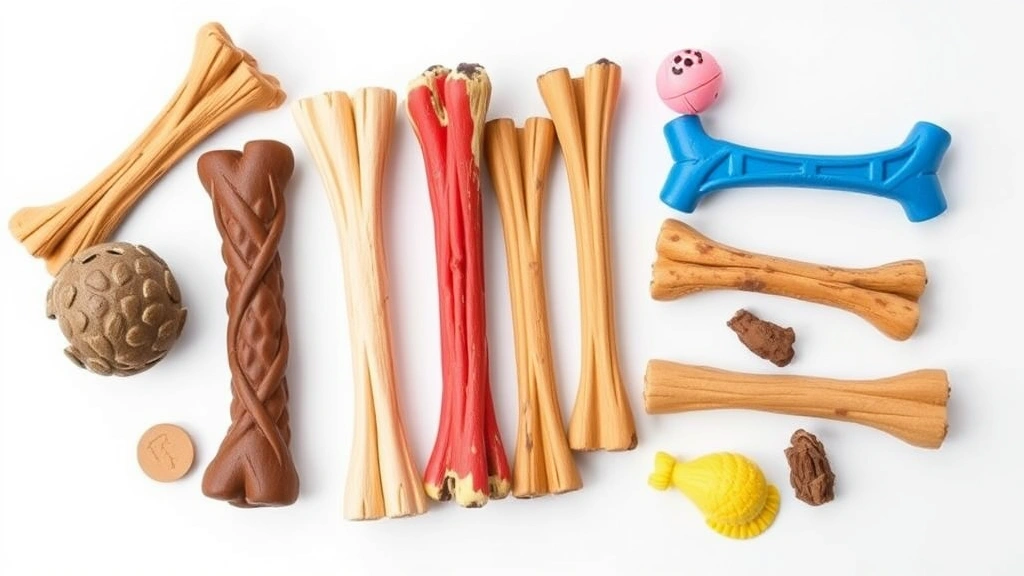
Rather than risk the potential complications of antler chewing, numerous safer alternatives can satisfy your dog’s natural chewing instincts while providing comparable or superior benefits.
Rubber and Nylon Chews
High-quality rubber chews like Kong toys are specifically designed to be safe for dogs’ teeth and digestive systems. They’re less likely to cause dental damage and won’t splinter into dangerous fragments. Nylon chews offer similar benefits and come in various textures and flavors.
Rope Toys
Rope toys designed for dogs can provide extended chewing satisfaction. They’re gentler on teeth than antlers and break down more safely if swallowed in small pieces. However, supervision is still recommended to prevent ingestion of large rope sections.
Bully Sticks and Natural Chews
Bully sticks (made from beef muscle) are digestible, long-lasting chews that are generally considered safer than antlers. They’re softer, reducing dental damage risk, and they digest more readily if swallowed in chunks. Other natural chews like yak cheese chews offer similar benefits.
Edible Chews
Treats designed to be chewed and consumed, such as dental chews formulated by veterinarians, can provide oral health benefits without the risks associated with antlers. These are specifically engineered to be safe for dogs’ teeth.
Interactive Puzzle Toys
Puzzle toys stuffed with treats provide mental stimulation and chewing satisfaction. They engage your dog’s problem-solving abilities while keeping them occupied safely. These can be particularly beneficial for dogs with high intelligence and energy levels.
According to resources examining whether antlers are good for dogs to chew on, veterinarians consistently recommend exploring these safer alternatives first.
Expert Recommendations and Best Practices
Leading veterinary organizations have weighed in on the antler debate, and their recommendations generally lean toward caution. The PetMD guidance on deer antler safety emphasizes the importance of consulting with your veterinarian before introducing antlers.
Veterinary Consensus
Most veterinarians acknowledge the risks associated with antler chewing and recommend against them as a primary chew option. Many veterinary dental specialists specifically advise against antlers due to the frequency of tooth fractures they observe in their practices. The Veterinary Partner’s information on antler use in dogs provides comprehensive professional perspective on these concerns.
Breed and Age Considerations
Certain breeds and age groups face higher risks. Puppies with developing teeth, senior dogs with weakened teeth, and breeds predisposed to dental issues should avoid antlers entirely. Small breed dogs are also at higher risk due to their smaller teeth being more prone to fractures from hard objects.
Individual Assessment
Your dog’s individual characteristics matter significantly. Aggressive chewers face much higher risks than gentle chewers. Dogs with history of gastrointestinal issues should definitely avoid antlers. Dogs with existing dental disease should not be offered hard chews at all.
Consultation with Your Veterinarian
Before offering any antler product to your dog, discuss it with your veterinarian. They can assess your specific dog’s risk factors and provide personalized recommendations. Your vet may suggest alternatives better suited to your dog’s needs, age, and health status.
Can dogs chew on deer antlers is a question best answered in consultation with your veterinary professional who understands your dog’s complete health picture.
Regulatory and Safety Standards
Unlike dog food, which is regulated by the FDA, antler products are largely unregulated. The FDA’s pet food safety resources note this gap in oversight. This means quality, sourcing, and safety standards vary significantly between products. When purchasing antlers, research manufacturers carefully and look for those with quality assurance practices.
Frequently Asked Questions
Are deer antlers completely unsafe for all dogs?
Deer antlers aren’t completely unsafe for all dogs in all circumstances, but they do carry significant risks that apply to most dogs. Many dogs chew on antlers without immediate complications, but the potential for serious problems like broken teeth, blockages, and internal injuries exists for any dog. The risks are serious enough that most veterinarians recommend avoiding them in favor of safer alternatives. Individual dogs may tolerate them better than others, but predicting which dogs will experience problems is difficult. This is why professional guidance from your veterinarian is essential before offering antlers to your specific dog.
What’s the difference between deer antlers and elk antlers in terms of safety?
Elk antlers are generally even harder and denser than deer antlers due to their larger size and structure. Are elk antlers safe for dogs is an even more cautious question, as the increased hardness poses greater risks for dental fractures and other complications. While some manufacturers claim elk antlers are safer because they splinter less, the extreme hardness actually makes them more likely to cause tooth damage. For this reason, elk antlers should be considered even riskier than deer antlers.
If my dog has already chewed antlers without problems, are they safe?
Just because your dog has chewed antlers without experiencing immediate problems doesn’t mean they’re safe long-term. Dental damage can accumulate gradually before becoming obvious. Blockages don’t always occur even when fragments are ingested. The absence of problems so far doesn’t eliminate the risks; it simply means problems haven’t occurred yet. Many dog owners report their dogs chewed antlers for months or years before experiencing a serious complication. Continued exposure increases the cumulative risk over time.
What should I do if my dog swallows an antler piece?
If you observe your dog swallowing a piece of antler, contact your veterinarian immediately, even if your dog seems fine. Don’t wait for symptoms to develop. Your vet may recommend monitoring, imaging, or immediate intervention depending on the size of the piece and your dog’s individual risk factors. Blockages can develop gradually, and early intervention is far safer than waiting for emergency symptoms. Provide your veterinarian with as much information as possible about the piece size and your dog’s typical digestive patterns.
Are ground antler supplements safer than whole antlers?
Ground antler powder or supplements are marketed as safer alternatives, but they present different concerns. While ground antlers eliminate the choking and blockage risks associated with large pieces, they still provide the same mineral content that may cause digestive upset in some dogs. The bioavailability of these minerals from ground antlers hasn’t been well-studied. Additionally, the lack of regulation means quality and purity vary significantly between manufacturers. If you’re interested in supplementing your dog’s minerals, discuss this with your veterinarian rather than using unregulated antler products.
What are the best alternatives if my dog loves to chew?
Numerous excellent alternatives can satisfy your dog’s chewing instincts safely. Bully sticks, yak chews, and other digestible natural chews provide extended chewing satisfaction without the hardness risks. Rubber toys like Kongs can be filled with treats or frozen for extended engagement. Rope toys offer interactive chewing. Puzzle toys provide both mental stimulation and chewing satisfaction. Raw meaty bones under supervision can satisfy chewing drives for some dogs, though these also require careful management. Discuss options with your veterinarian to find alternatives matching your dog’s specific preferences and needs.





