
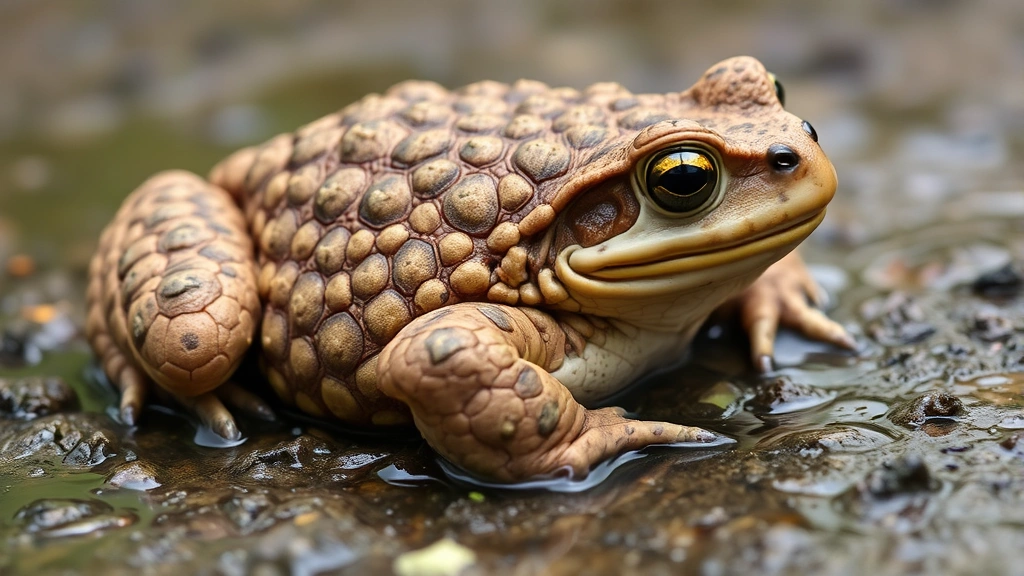
Are Frogs Poisonous to Dogs?
As a dog owner, you may have noticed your canine companion’s fascination with frogs, especially during warmer months or near water sources. While many frogs are harmless to dogs, the reality is more complex than a simple yes or no answer. Some frog species produce toxic secretions that can cause serious harm to your beloved pet, ranging from mild irritation to life-threatening poisoning. Understanding which frogs pose a danger and how to protect your dog is essential knowledge for any responsible pet owner.
The danger level depends on several factors, including the specific frog species in your area, the amount of toxin exposure, and your dog’s size and sensitivity. Toads, which are actually a type of frog, are particularly problematic because they secrete potent toxins through their skin as a defense mechanism. If your dog licks, bites, or even mouths a toxic frog or toad, it can absorb these toxins through its mouth, eyes, nose, and skin, potentially leading to serious health complications.
This comprehensive guide will help you identify toxic frogs in your region, recognize poisoning symptoms, understand treatment options, and most importantly, learn how to prevent your dog from encountering these dangerous amphibians. By educating yourself about this threat, you can keep your furry friend safe while still allowing them to enjoy outdoor activities.
Table of Contents
- Toxic Frogs Overview
- How Frog Poison Affects Dogs
- Signs and Symptoms of Frog Poisoning
- Dangerous Frog Species to Avoid
- Treatment Options for Poisoned Dogs
- Prevention Strategies
- Frequently Asked Questions

Toxic Frogs Overview
Not all frogs are created equal when it comes to toxicity. Most common frogs found in North American backyards are relatively safe, but certain species produce powerful toxins as a survival mechanism. According to the American Kennel Club’s guide to toxic frogs, the primary concern involves specific toad species that secrete alkaloid toxins from their parotoid glands.
The toxins produced by certain frogs and toads are actually fascinating from a biological perspective. These secretions evolved as a defense against predators, and they’re incredibly potent even in small quantities. Unlike many other toxins in nature, frog toxins can be absorbed through mucous membranes, making any contact with your dog’s mouth, eyes, or nose potentially dangerous.
Geographic location plays a crucial role in determining your dog’s risk level. Dogs living in warmer climates with longer wet seasons face greater exposure to toxic amphibians. Additionally, dogs that spend significant time outdoors, particularly those with a prey drive or curiosity about small creatures, are at higher risk. If you’re concerned about whether your dog can get poison ivy, you should similarly be cautious about toxic environmental hazards like dangerous frogs.
How Frog Poison Affects Dogs
When a dog encounters a toxic frog, the poisoning mechanism typically begins with oral contact. Your dog doesn’t need to swallow the frog for poisoning to occur—simply mouthing, licking, or biting the amphibian can introduce toxins into their system. The toxins are absorbed through the mucous membranes lining the mouth, throat, and digestive system.
The specific toxins vary by species, but they generally affect the cardiovascular and neurological systems. Some toads produce compounds similar to digitalis, which affects heart function and rhythm. Others produce neurotoxins that interfere with nerve signal transmission. The severity of poisoning depends on the frog species, the amount of toxin absorbed, and your dog’s individual sensitivity and body weight.
According to the American Veterinary Medical Association, dogs can also experience toxin absorption through other routes. If your dog’s eyes come into contact with frog secretions, or if they step on a toxic frog and then lick their paws, poisoning can still occur. This is why thorough prevention strategies are so important for outdoor dogs.
Just as you might wonder about whether lavender is safe for dogs, understanding how different substances interact with your dog’s body is crucial for their safety. The absorption rate and severity of symptoms can vary significantly based on individual factors.
Signs and Symptoms of Frog Poisoning
Recognizing the signs of frog poisoning in your dog is critical for getting prompt veterinary care. Symptoms can appear within minutes to a few hours after exposure, depending on the toxin type and quantity.
Early signs of frog poisoning include:
- Excessive drooling or foaming at the mouth
- Vomiting or retching
- Diarrhea, sometimes with blood
- Pawing at the mouth or face
- Dilated pupils
- Red or irritated gums and tongue
- Difficulty swallowing
- Difficulty breathing
More severe symptoms that indicate urgent medical attention is needed include:
- Tremors or muscle twitching
- Loss of coordination or stumbling
- Seizures
- Rapid or irregular heartbeat
- Collapse or unconsciousness
- Pale or blue-tinged gums
- Unresponsiveness to stimuli
If you observe any of these symptoms, particularly after your dog has been exploring areas with frogs or toads, contact your veterinarian immediately or visit an emergency veterinary clinic. Time is critical in treating frog poisoning, and rapid intervention can make the difference between recovery and serious complications.
Dangerous Frog Species to Avoid
Several frog and toad species pose particular dangers to dogs. Understanding which species inhabit your area can help you take appropriate precautions.
Cane Toads (Bufo marinus) are among the most dangerous toads for dogs in the world. Native to South America but invasive in Australia, Hawaii, and parts of Florida, cane toads secrete potent bufotoxins that can be fatal to dogs. According to research on cane toad toxicity in dogs, even small amounts of exposure can cause serious illness.
Colorado River Toads (Sonoran Desert Toads) produce 5-MeO-DMT, a powerful psychoactive compound along with bufotenin. These toads are primarily found in the southwestern United States but their toxins are particularly potent.
Marine Toads are another highly toxic species. Also called giant toads, they’re found in tropical and subtropical regions and produce extremely toxic secretions.
Common Toads found across North America, including the American Toad and Woodhouse’s Toad, produce less potent toxins than their tropical cousins but can still cause significant illness in dogs.
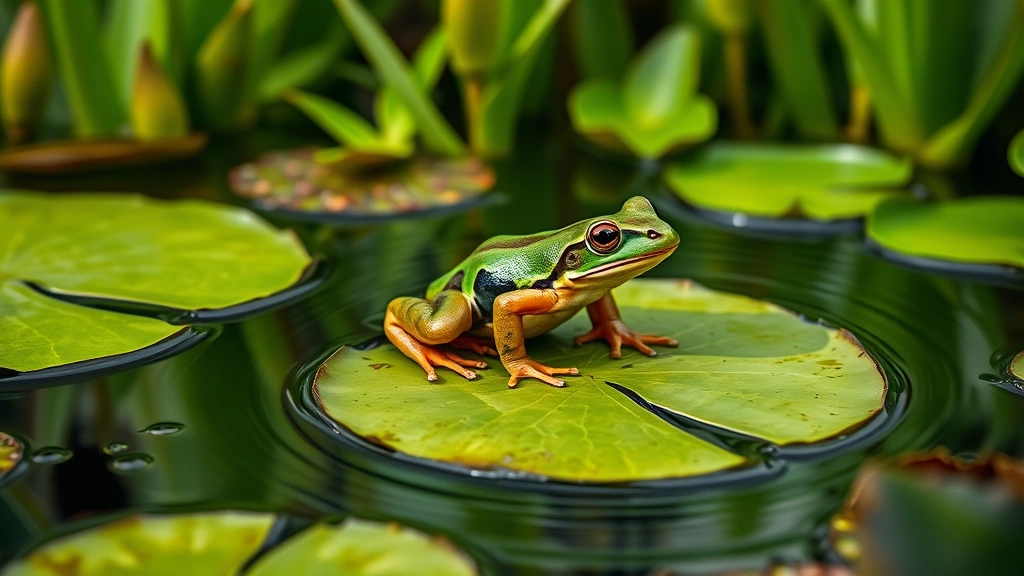
Most tree frogs and bullfrogs are relatively non-toxic to dogs, though they may still cause minor irritation. However, the safest approach is to discourage your dog from interacting with any frogs or toads, since identifying the species in the moment is difficult. Just as you’d want to know about whether eucalyptus is safe for dogs, understanding local amphibian species helps you protect your pet.
Treatment Options for Poisoned Dogs
If you suspect your dog has been exposed to a toxic frog, immediate action is essential. Here’s what you should do:
Immediate First Aid Steps:
First, remove your dog from the area where the frog was encountered to prevent additional exposure. If the frog or toad is still visible, try to identify it or take a photo for your veterinarian (but don’t delay seeking help to do this). Rinse your dog’s mouth thoroughly with cool water for several minutes to remove any remaining toxin. Do not use high-pressure water that could force toxins deeper into tissues. Gently wipe your dog’s face and paws with a damp cloth to remove any toxin residue.
Do not induce vomiting, as frog toxins can cause additional damage to the esophagus and stomach lining on the way back up. Contact your veterinarian or animal poison control immediately for guidance.
Veterinary Treatment:
Your veterinarian will perform a physical examination and may run blood work to assess your dog’s condition. Treatment typically focuses on supportive care, including:
- IV fluid therapy to flush toxins and maintain hydration
- Activated charcoal administration (if done early enough)
- Gastroprotective medications to protect the stomach lining
- Anti-seizure medications if neurological symptoms develop
- Cardiac monitoring for dogs showing heart rhythm abnormalities
- Oxygen therapy if breathing is compromised
- Pain management medications as needed
Recovery time varies depending on the toxin exposure severity. Some dogs recover within 24 hours with appropriate treatment, while others may require hospitalization for several days. The prognosis is generally good if treatment is sought promptly, but severe exposures can result in permanent damage or death.
Prevention Strategies
The best treatment for frog poisoning is prevention. Since toxic frogs and toads pose real dangers to dogs, implementing comprehensive prevention strategies is essential for outdoor dogs.
Environmental Management:
Reduce frog and toad habitat around your property by eliminating standing water where possible. Empty bird baths regularly, fix leaky outdoor faucets, and ensure gutters drain properly. Remove ground cover where toads like to hide, including dense mulch, leaf piles, and overgrown vegetation. Keep your lawn mowed and clear of debris. While you’re managing environmental toxins, you might also want to learn about whether rosemary is safe for dogs, as yard plants can also pose dangers.
Behavioral Management:
Supervise your dog closely when outdoors, especially during dawn and dusk when frogs and toads are most active. Keep your dog on a leash during walks near water sources, ponds, or wetlands. Train your dog to leave animals alone using “leave it” commands. Practice recall training so your dog comes immediately when called, preventing them from chasing wildlife.
Seasonal Precautions:
Be especially vigilant during warm, wet months when frogs and toads are most active. After rain, when toads are particularly active, restrict your dog’s outdoor time or maintain very close supervision. Consider keeping your dog indoors at dawn and dusk during peak amphibian season.
Additional Protections:
Keep your dog’s vaccinations current and schedule regular veterinary check-ups. Maintain a list of emergency veterinary clinics in your area. Know the specific toxic species in your region and learn to identify them. Take photos of any frogs or toads your dog encounters to help your vet identify the species if poisoning occurs. Store your veterinarian’s phone number and your local animal poison control number in an easily accessible location.
Just as you’d be cautious about toxic lilies in your home, protecting your dog from outdoor toxins requires ongoing vigilance and environmental awareness.
Frequently Asked Questions
Can a dog die from licking a frog?
Yes, some dogs can die from frog poisoning, particularly if they encounter a highly toxic species like a cane toad and don’t receive prompt medical treatment. Death is most likely to occur when there’s significant toxin exposure, delayed treatment, or if the dog has underlying health conditions. However, with immediate veterinary care, most dogs recover from frog poisoning.
How long does it take for frog poison to affect a dog?
Symptoms can appear within minutes of exposure, though they typically develop within 5-30 minutes. The rapid onset is why recognizing symptoms quickly and seeking immediate veterinary care is so critical. Some signs, like drooling or vomiting, may appear almost immediately, while others like seizures or cardiac arrhythmias may take longer to develop.
Are all frogs poisonous to dogs?
Not all frogs are poisonous to dogs. Most common frog species are relatively safe, though they may cause minor oral irritation. Toads are more likely to be toxic than true frogs, and certain toad species produce extremely potent toxins. The safest approach is to prevent your dog from interacting with any frogs or toads, since identifying species on sight is difficult for most people.
What should I do if my dog ate a frog?
If your dog ate a frog, immediately rinse their mouth with water and contact your veterinarian or animal poison control. Monitor your dog closely for any symptoms of poisoning. Do not induce vomiting. Transport your dog to a veterinary clinic for evaluation and treatment. If possible, try to identify the frog species or take a photo to show your vet.
Can dogs get sick from non-toxic frogs?
Even non-toxic frogs can cause minor issues in dogs, including mouth irritation, mild vomiting, or diarrhea. Additionally, frogs may carry parasites or bacteria that could affect your dog’s health. This is another reason to discourage your dog from catching or mouthing frogs.
How can I tell if a toad is poisonous?
Identifying toxic toads can be challenging without expertise. Generally, larger toads with prominent bumpy skin are more likely to be toxic, but this isn’t a reliable indicator. The safest approach is to assume all toads in your area are potentially dangerous. Research the specific toad species native to your region and show your family photos so you can all recognize them and keep your distance.
Is frog poison dangerous to humans?
Some frog toxins can affect humans, though serious poisoning in humans is rare since we typically don’t put frogs in our mouths. However, handling certain toxic frogs with bare hands, especially if you have cuts or abrasions, or touching your face after contact, can cause illness. The danger is significantly lower for humans than for dogs, but it’s still wise to avoid handling wild frogs. Additionally, if you’re concerned about other household toxins, you should also check resources about whether dogs can eat mushrooms and other potentially dangerous foods.
What toxins do frogs produce that harm dogs?
Different frog species produce various toxins. Toads commonly produce bufotoxins and bufadienolides, which affect the heart and nervous system. Some species produce neurotoxins, while others produce compounds similar to cardiac glycosides. These toxins are absorbed through mucous membranes and can cause rapid physiological changes in dogs. Understanding the specific toxins helps explain why symptoms can be so severe and why rapid treatment is critical.
Can I safely keep frogs as pets if I have a dog?
Keeping frogs as pets while you have a dog requires careful management. The frog must be kept in a secure enclosure that your dog cannot access, even unsupervised. Wash your hands thoroughly after handling frogs or their enclosures before petting your dog. Consider whether the stress of living with a predator species is appropriate for the frog. Most experts recommend against keeping frogs as pets in homes with dogs that have high prey drives, as the stress could impact the frog’s welfare.





