

Are Pothos Toxic to Dogs?
Pothos plants, scientifically known as Epipremnum aureum, are among the most popular houseplants due to their attractive trailing vines and low-maintenance care requirements. However, if you’re a dog owner considering adding pothos to your home, you may be wondering about potential health risks. The short answer is yes—pothos plants are toxic to dogs and should be kept out of your pet’s reach. Understanding the specific dangers and symptoms of pothos toxicity can help you make informed decisions about which plants to keep in your home and how to protect your beloved canine companion.
As a pet owner, creating a safe environment for your dog is paramount. Many common household plants can pose serious health risks to our furry friends, and pothos is one of the most concerning. This comprehensive guide will explore everything you need to know about pothos toxicity in dogs, including what makes these plants dangerous, the signs of poisoning, and practical strategies for keeping your home both beautiful and safe for your pets.
Whether you already have pothos in your home or are considering purchasing one, this article will provide you with expert insights and actionable advice to protect your dog’s health and wellbeing.
Table of Contents
What is Pothos and Why Is It Popular?
Pothos, also called devil’s ivy or taro vine, is a tropical plant native to the Solomon Islands. It has become one of the most beloved houseplants worldwide due to its resilience and aesthetic appeal. The plant features heart-shaped leaves with variegated patterns and trailing vines that can grow several feet in length, making it perfect for hanging baskets, shelves, and indoor garden displays.
The popularity of pothos stems from several factors: it thrives in various lighting conditions, requires minimal watering, and adapts well to different indoor environments. Many plant enthusiasts recommend pothos for beginners because it’s nearly impossible to kill. However, this hardiness and prevalence in homes make it a significant concern for dog owners. The ease with which pothos grows and spreads means dog owners must be particularly vigilant about placement and access.
According to the ASPCA’s list of toxic and non-toxic plants, pothos is clearly marked as toxic to dogs. This classification means the plant contains compounds that can cause adverse health effects when ingested by canines.
Understanding Pothos Toxicity in Dogs
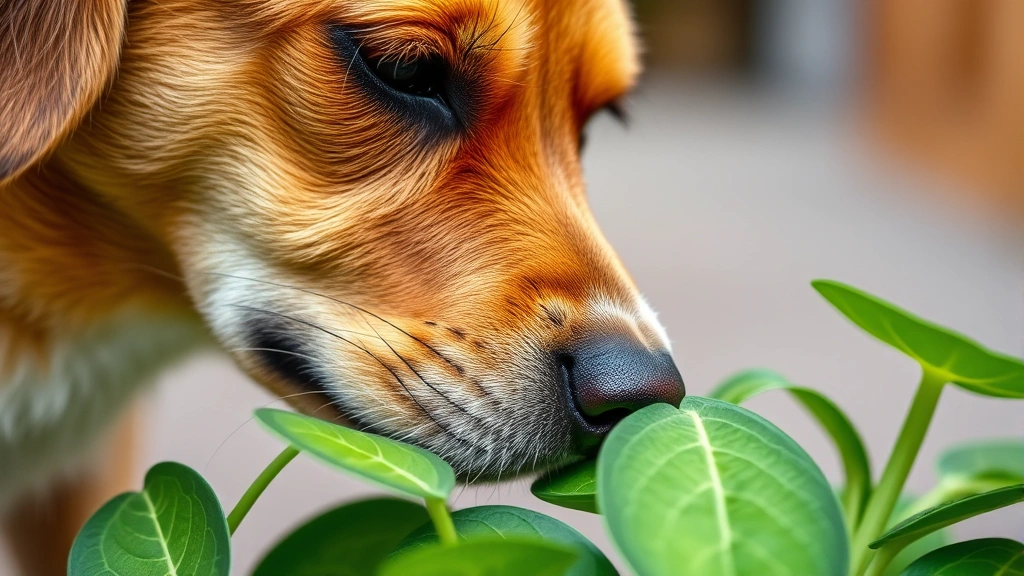
The toxicity of pothos plants in dogs is due to the presence of calcium oxalate crystals distributed throughout the plant tissues. These microscopic needle-like crystals are found in the leaves, stems, and roots of the pothos plant. When a dog chews on or ingests any part of the plant, these crystals can cause immediate irritation and damage to the mouth, throat, and gastrointestinal tract.
Calcium oxalates function as a natural defense mechanism for the plant, deterring animals from consuming it in nature. However, curious dogs may not recognize this danger and can ingest significant quantities before experiencing obvious symptoms. The severity of poisoning depends on several factors, including the amount of plant material consumed, the size of the dog, and the dog’s individual sensitivity to the toxins.
Research published through veterinary institutions confirms that while pothos poisoning is rarely fatal, it can cause considerable discomfort and requires veterinary attention. The PetMD resource on pothos poisoning in dogs provides detailed information about the toxicological mechanisms and clinical presentations of this condition.
It’s important to note that different plants in your home may pose varying levels of risk. For example, if you’re also concerned about other botanical hazards, you may want to learn more about whether lilies are toxic to dogs, as some flowering plants present even greater dangers than pothos.
Symptoms of Pothos Poisoning in Dogs
Recognizing the symptoms of pothos poisoning is crucial for prompt intervention and veterinary treatment. Symptoms typically appear within a few hours of ingestion, though the timeline can vary depending on the amount consumed and individual dog factors. The most common signs include:
- Oral irritation and drooling
- Difficulty swallowing
- Vomiting
- Diarrhea
- Decreased appetite
- Lethargy and depression
- Swelling of the mouth, tongue, or lips
- Pawing at the mouth
Some dogs may display more severe reactions, particularly if they’ve consumed a large amount of the plant. In these cases, you might observe difficulty breathing or excessive swelling that impedes normal function. The gastrointestinal symptoms can persist for 24-48 hours even after the offending plant material has been removed from the dog’s system.
If you notice any of these symptoms in your dog, especially if you suspect pothos ingestion, contact your veterinarian immediately. Early intervention can prevent complications and reduce your dog’s suffering. Additionally, if your dog has access to other potentially toxic items, such as mushrooms that may be toxic to dogs, you should be extra vigilant about monitoring for poisoning symptoms.

Which Dogs Are Most at Risk?
While any dog can experience pothos toxicity if they ingest the plant, certain groups are at higher risk. Puppies and young dogs are particularly vulnerable due to their natural curiosity and tendency to explore their environment by chewing. These young canines haven’t learned to distinguish between safe and unsafe plants and may view pothos vines as interesting toys to investigate.
Small breeds may experience more severe symptoms from the same amount of plant material as larger dogs, simply because the toxin concentration is higher relative to their body weight. Additionally, dogs with a history of pica—a condition characterized by eating non-food items—are at increased risk of ingesting pothos and other toxic plants.
Senior dogs with declining vision or cognitive function may accidentally ingest pothos if plants are placed at ground level. Dogs with certain medical conditions affecting their mouth or throat may also experience amplified symptoms when exposed to the calcium oxalate crystals.
Regardless of your dog’s age, size, or health status, the safest approach is to eliminate access to pothos entirely. This is especially important if you have multiple dogs, as one dog’s ingestion could go unnoticed initially.
Treatment and Veterinary Care for Pothos Poisoning
If you suspect your dog has ingested pothos, contact your veterinarian or an emergency veterinary clinic immediately. Provide as much information as possible, including when the ingestion occurred, how much plant material you believe was consumed, and what symptoms your dog is currently displaying.
Veterinary treatment for pothos poisoning is primarily supportive, as there is no specific antidote for calcium oxalate toxicity. Your veterinarian may recommend:
- Decontamination through activated charcoal administration
- IV fluids to support hydration and kidney function
- Gastroprotectants to reduce stomach irritation
- Anti-nausea medications
- Pain management as needed
- Monitoring of kidney and liver function through blood work
Most dogs recover fully from pothos poisoning within 24-48 hours with appropriate veterinary care. However, in rare cases where large quantities were ingested, more serious complications can develop. The Cornell University College of Veterinary Medicine Poison Control can provide additional guidance for veterinarians managing complex cases.
Prevention is always preferable to treatment, which is why understanding and implementing safety measures is so important for conscientious pet owners.
Prevention Strategies for Pet Owners
The most effective way to protect your dog from pothos toxicity is complete avoidance. If you currently have pothos plants in your home, consider removing them entirely or relocating them to areas that your dog absolutely cannot access, such as locked rooms or high shelves that are truly out of reach.
If you’re unwilling to part with your pothos, implement these prevention strategies:
- Physical barriers: Use decorative plant stands, shelves, or hanging baskets positioned far from where your dog spends time
- Room restrictions: Keep pothos in rooms where your dog is never allowed unsupervised
- Supervision: Never leave your dog alone in a room with pothos plants
- Training: Teach your dog to avoid touching plants using positive reinforcement methods
- Deterrents: Apply pet-safe deterrent sprays to plants to discourage chewing
- Regular inspection: Check your pothos regularly for fallen leaves or broken vines that could be ingested
When considering other household items and plants, also be aware of whether onions are safe for dogs, as these common kitchen ingredients present their own toxicity risks. Creating a comprehensive pet safety plan that addresses multiple hazards is the best approach.
Safe Plant Alternatives for Dog-Friendly Homes
If you love houseplants but want to prioritize your dog’s safety, numerous pet-safe alternatives exist that provide similar aesthetic appeal to pothos. Spider plants are excellent choices—they have attractive trailing qualities similar to pothos but are completely safe for dogs. Boston ferns add greenery and visual interest without any toxicity concerns.
Other dog-safe houseplants include:
- African violets
- Parlor palms
- Bamboo palms
- Prayer plants
- Calatheas
- Haworthia
- Polka dot plants
When selecting plants, verify their safety with reliable resources like the Humane Society’s list of plants toxic to dogs. Additionally, consider the safety of outdoor plants if your dog has yard access. Understanding risks from common outdoor plants, such as whether dogs can get poison ivy, helps you create a safe outdoor environment as well.
You might also explore decorative alternatives that aren’t plants at all, such as artificial plants designed to look realistic, or focus on dog-safe plants that offer similar benefits to pothos in terms of air purification and aesthetic enhancement.
Frequently Asked Questions
Is pothos toxic to dogs even in small amounts?
Yes, pothos is toxic to dogs in any amount. While small ingestions may cause mild symptoms, even minimal consumption of plant material can trigger oral irritation and gastrointestinal upset. The severity of symptoms depends on the quantity ingested and the individual dog’s sensitivity, but there is no truly “safe” amount of pothos for dogs to consume.
How long does it take for pothos poisoning symptoms to appear?
Symptoms of pothos poisoning typically appear within 1-3 hours of ingestion, though some dogs may show signs more quickly. In some cases, particularly with smaller ingestions, symptoms might not be apparent for several hours. This is why monitoring your dog closely after any suspected pothos exposure is important, and contacting your veterinarian immediately upon noticing any concerning symptoms is advisable.
Can pothos poisoning be fatal in dogs?
While pothos poisoning is rarely fatal, severe cases involving large quantities of ingested plant material or dogs with pre-existing health conditions can potentially lead to serious complications. Most cases respond well to supportive veterinary care and resolve within 24-48 hours. However, because fatal outcomes are possible, treating all pothos exposures as potential emergencies is the safest approach.
What should I do if my dog chews on pothos?
If you catch your dog chewing on pothos, immediately remove any remaining plant material from the dog’s mouth. Do not induce vomiting unless specifically instructed by your veterinarian, as this can sometimes cause additional damage. Contact your veterinarian or an emergency veterinary clinic immediately, providing details about the exposure. Monitor your dog closely for symptoms over the next 48 hours and follow any veterinary recommendations for care.
Are all parts of the pothos plant toxic to dogs?
Yes, all parts of the pothos plant are toxic to dogs, including the leaves, stems, roots, and any aerial rootlets. The calcium oxalate crystals responsible for toxicity are distributed throughout all plant tissues. Even small pieces of leaves or stem fragments can cause irritation, so complete removal of the plant from areas where your dog has access is recommended.
Can I use pothos as a decorative plant if I keep my dog in a separate room?
While keeping your dog in a separate room from pothos reduces the risk of exposure, this approach has limitations. Accidents happen—doors may be left open, or your dog might gain unexpected access. Additionally, if you have multiple dogs or if your dog’s access restrictions change over time, the risk increases. For maximum safety, removing pothos entirely is the most reliable prevention strategy.
Are there any home remedies for pothos poisoning?
No home remedies can effectively treat pothos poisoning. Veterinary care is necessary to manage symptoms, prevent complications, and ensure your dog’s recovery. Attempting to treat pothos poisoning at home can delay necessary care and potentially worsen your dog’s condition. Always seek professional veterinary attention if pothos ingestion is suspected.
For additional information about plant toxicity and pet safety, you may also want to research whether commonly used herbs like lavender is safe for dogs or whether rosemary is safe for dogs, as many pet owners keep these plants in their homes as well.
Should I be concerned about secondary exposure through compost or mulch containing pothos?
While less common, secondary exposure through compost or mulch containing pothos material is possible if your dog ingests these materials. It’s best to dispose of pothos plants in sealed garbage containers rather than composting them if you have dogs with access to compost piles. Additionally, monitor your dog’s behavior around compost or mulch to prevent ingestion of any plant materials.





