

Are Pup Cups Bad for Dogs?
The sight of a dog eagerly sipping from a small cup at a coffee shop has become increasingly common in recent years. These “pup cups” – typically complimentary whipped cream served in small cups at popular coffee chains – have become a beloved treat for many dog owners. However, as a veterinary specialist, I must address an important question that many pet parents are asking: are pup cups actually bad for dogs? The answer is more nuanced than a simple yes or no, and understanding the risks and benefits is essential for responsible pet ownership.
Pup cups represent a cultural phenomenon where businesses cater to the canine companions accompanying their owners. While the gesture is well-intentioned and dogs certainly seem to enjoy them, the nutritional and health implications warrant careful consideration. This comprehensive guide will explore what pup cups contain, the potential health risks they pose, and how you can make informed decisions about treating your furry friend.
As a dog trainer and veterinary specialist with years of experience, I’ve seen firsthand how treats like pup cups can impact canine health. From weight gain to digestive issues, the effects can range from minor to serious depending on your dog’s individual health status, age, and breed.
Table of Contents
- What Exactly Are Pup Cups?
- Understanding the Nutritional Content
- Health Risks Associated with Pup Cups
- Which Dogs Are Most at Risk?
- Safer Alternatives to Pup Cups
- Guidelines for Occasional Treats
- Frequently Asked Questions

What Exactly Are Pup Cups?
Pup cups are small complimentary servings of whipped cream offered by coffee shop chains like Starbucks and other establishments. They’re typically served in tiny cups, often the size of a shot glass, and are given to dogs free of charge when owners visit with their pets. The whipped cream used is usually the same dairy product served in human beverages, though some establishments may use alternative toppings.
The concept originated as a pet-friendly marketing strategy, with many coffee shops recognizing the opportunity to engage with customers who bring their dogs along. What started as an occasional treat has evolved into an expected perk for many dog owners, who now regularly request pup cups during their visits. According to the American Kennel Club’s expert advice on pup cups, it’s important to understand what exactly your dog is consuming.
Understanding what comprises a pup cup is the first step in determining whether it’s appropriate for your dog. Most pup cups contain dairy whipped cream, which is the primary ingredient, and sometimes additional toppings or flavoring elements.
Understanding the Nutritional Content
A typical pup cup contains approximately 10-20 calories, though this can vary depending on the establishment and portion size. The primary ingredient is whipped cream, which consists of heavy cream that has been whipped to incorporate air. While a small amount of whipped cream might seem harmless, the nutritional profile reveals several concerns for canine health.
Whipped cream is high in fat and typically contains added sugars, both of which can be problematic for dogs. A single pup cup might contain 1-3 grams of fat and varying amounts of sugar depending on the product used. For context, information about whether dogs can have whipped cream shows that while small amounts aren’t inherently toxic, they provide little nutritional value and unnecessary calories.
The dairy content in pup cups is another consideration, as many adult dogs have varying degrees of lactose intolerance. Unlike humans who may continue producing lactase (the enzyme needed to digest lactose) into adulthood, most dogs experience a natural decline in lactase production after weaning. This means that dairy products like whipped cream can cause digestive upset in many dogs.
Health Risks Associated with Pup Cups
While an occasional pup cup might not cause serious harm to a healthy adult dog, regular consumption poses several health risks. Understanding these risks helps responsible pet owners make informed decisions about treat selection for their canine companions.
Weight Gain and Obesity
One of the most significant concerns with regular pup cup consumption is its contribution to weight gain. Dogs require significantly fewer calories than humans, and a 10-20 calorie treat represents a meaningful portion of many dogs’ daily caloric intake. For a small dog weighing 10 pounds with a daily caloric requirement of 400 calories, a pup cup represents 2.5-5% of their daily intake.
When pup cups become a regular habit – perhaps during daily coffee shop visits – the cumulative caloric impact becomes substantial. Obesity in dogs leads to numerous health complications, including joint problems, diabetes, heart disease, and reduced life expectancy. Research indicates that overweight dogs live, on average, 2.5 years less than their healthy-weight counterparts.
Digestive Issues
The lactose content in whipped cream can trigger digestive distress in lactose-intolerant dogs. Symptoms may include diarrhea, vomiting, abdominal discomfort, and excessive gas. Some dogs may experience these issues immediately after consuming dairy, while others might have delayed reactions. Additionally, the high fat content can irritate sensitive digestive systems and potentially trigger pancreatitis in susceptible dogs.
Similar concerns apply to other common human treats – for example, understanding whether dogs can eat marshmallows reveals that sugary treats can also cause gastrointestinal upset in addition to other health concerns.
Dental Health Concerns
The sugar content in many pup cups contributes to dental problems in dogs. Sugar feeds harmful bacteria in the mouth, leading to plaque buildup, tartar formation, and eventual tooth decay. Dogs don’t brush their teeth like humans do, making them particularly vulnerable to dental disease. Regular consumption of sugary treats accelerates the development of periodontal disease, which can lead to tooth loss and systemic infections.
Pancreatitis Risk
The high fat content in whipped cream is a known trigger for pancreatitis, a serious inflammatory condition of the pancreas. Dogs with a history of pancreatitis or those genetically predisposed to the condition should absolutely avoid pup cups. Even in healthy dogs, repeated high-fat treats increase the risk of developing this painful and potentially life-threatening condition.
Which Dogs Are Most at Risk?
While all dogs should consume pup cups only in moderation if at all, certain populations face greater risks from these treats. Understanding which dogs are most vulnerable helps pet owners make appropriate decisions for their individual animals.
Senior Dogs
Older dogs have slower metabolic rates and are more prone to weight gain. They’re also more likely to have existing health conditions such as diabetes, pancreatitis, or digestive sensitivities. Senior dogs benefit from carefully controlled nutrition, making unnecessary treats like pup cups particularly problematic.
Small Breed Dogs
Small dogs have minimal caloric requirements, meaning a pup cup represents a larger percentage of their daily intake. A Chihuahua or Yorkshire Terrier consuming a pup cup receives a proportionally larger treat than a large breed dog, increasing the impact on their daily nutrition and weight.
Dogs with Pre-existing Conditions
Dogs with diabetes, pancreatitis, obesity, lactose intolerance, or other gastrointestinal conditions should never consume pup cups. The sugar, fat, and dairy content can exacerbate existing health issues and potentially trigger medical emergencies. Pet owners with dogs suffering from these conditions should consult their veterinarian before offering any new treats.
Dogs with Sensitive Stomachs
Some dogs have naturally sensitive digestive systems that react negatively to rich or dairy-based foods. These dogs may experience immediate digestive upset from whipped cream, making pup cups an inappropriate choice regardless of their overall health status.
Safer Alternatives to Pup Cups
If you enjoy visiting coffee shops with your canine companion and want to offer them a special treat, several safer alternatives provide more nutritional value and pose fewer health risks. Many dog-friendly establishments now recognize the demand for healthier pup options and may accommodate requests.
Plain Water
The simplest and safest option is plain water served in a small cup. Many dogs appreciate the gesture and the opportunity to hydrate, especially on warm days or after physical activity. Water contains zero calories and poses no health risks.
Dog-Specific Treats
Commercially available dog treats formulated for canine nutrition are far superior to whipped cream. Look for treats made with wholesome ingredients, appropriate protein levels, and minimal additives. Many companies now produce small, portion-controlled treats specifically designed for occasional indulgences.
Fruit and Vegetable Options
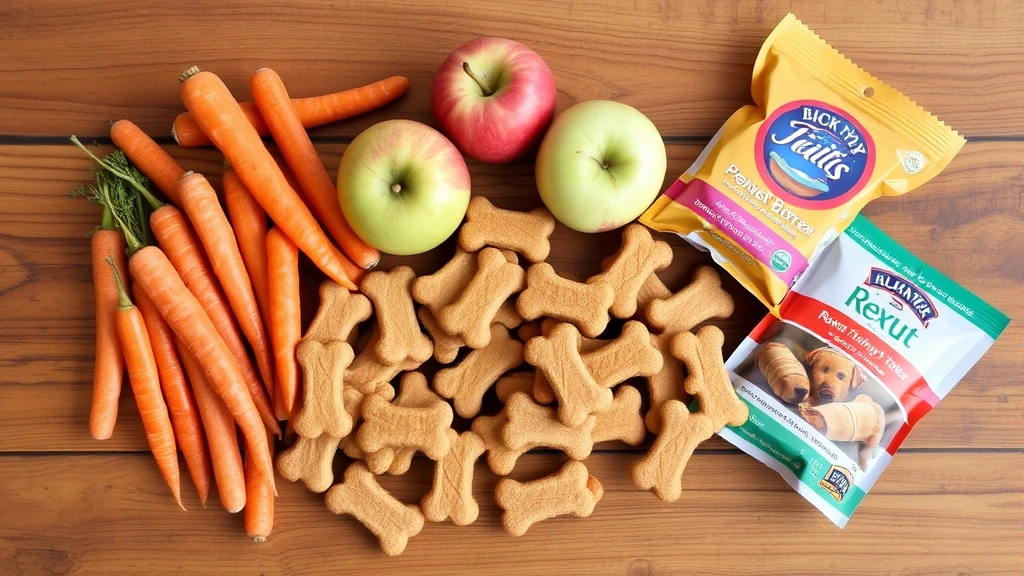
Many fruits and vegetables make excellent treats for dogs. Small pieces of apple, banana, or carrot provide natural sweetness, fiber, and nutrients without the problematic fat and dairy content. These options are particularly good for dogs on weight management programs.
Protein-Based Treats
Consider whether dogs can have bacon or other protein options – while bacon should be offered sparingly due to its salt content, lean protein treats provide more nutritional value than whipped cream. Similarly, dogs can eat scrambled eggs, which offer complete proteins and various vitamins without problematic ingredients.
Frozen Treats
During warmer months, frozen treats designed for dogs offer a refreshing alternative. These can be made at home using dog-safe ingredients or purchased from pet supply stores. Many include beneficial ingredients like peanut butter (xylitol-free), pumpkin, or yogurt (though yogurt should be used cautiously due to dairy concerns).
Guidelines for Occasional Treats
If you decide to offer your dog occasional pup cups despite the health concerns, following certain guidelines can minimize potential negative effects. However, it’s important to understand that even with moderation, pup cups remain a less-than-ideal treat choice.
The 10% Rule
Veterinary nutritionists recommend that treats should comprise no more than 10% of a dog’s daily caloric intake, with the remaining 90% coming from balanced, complete dog food. For many dogs, a pup cup already approaches or exceeds this threshold, leaving little room for other treats or training rewards.
Frequency Considerations
Rather than daily pup cups, consider them an occasional indulgence – perhaps once or twice monthly rather than weekly or daily. This approach minimizes the cumulative caloric impact and reduces exposure to problematic ingredients.
Health Status Monitoring
If your dog regularly consumes pup cups, monitor their weight, digestive health, and overall condition closely. Watch for signs of weight gain, digestive upset, or changes in energy levels. Work with your veterinarian to ensure your dog’s overall nutrition remains balanced and appropriate.
Individual Variation
Each dog responds differently to dietary indulgences. Some dogs tolerate dairy better than others, and some are more prone to weight gain. Get to know your individual dog’s sensitivities and adjust accordingly. What works for one dog might not be appropriate for another.
Similar considerations apply to other human foods – for example, understanding whether dogs can have pretzels requires evaluating both the individual dog’s health status and the specific product in question, as some pretzels contain harmful ingredients like xylitol or excessive salt.
Frequently Asked Questions
Are pup cups toxic to dogs?
Pup cups are not acutely toxic to most dogs in single servings, but the whipped cream itself poses no health benefits and carries several risks. The primary concerns are lactose content, high fat and sugar levels, and empty calories that contribute to weight gain. For dogs with specific health conditions, pancreatitis history, or severe lactose intolerance, even a single pup cup could trigger serious health issues. According to the PetMD article on pup cup safety, the cumulative effect of regular consumption poses greater risks than occasional single servings.
Can I give my dog a pup cup if they’re not overweight?
Weight status alone doesn’t determine whether pup cups are appropriate. Even lean dogs can develop pancreatitis from high-fat foods, experience digestive upset from dairy, or suffer dental problems from sugar. A dog’s overall health status, breed predisposition to certain conditions, age, and individual sensitivities all factor into whether occasional pup cups are appropriate. Consult your veterinarian about your specific dog’s health profile before making treat decisions.
What should I do if my dog accidentally ate a pup cup?
A single accidental exposure to a pup cup is unlikely to cause serious harm in most healthy dogs. However, monitor your dog for signs of digestive upset including vomiting, diarrhea, abdominal discomfort, or loss of appetite. If these symptoms develop or persist, contact your veterinarian. Dogs with known pancreatitis, severe lactose intolerance, or other health conditions should be monitored more closely and veterinary guidance should be sought promptly.
Are there dog-friendly coffee shops with better treat options?
Yes, many pet-friendly establishments now recognize the demand for healthier pup options. Some coffee shops offer plain water, dog treats made specifically for canine nutrition, or even dog-safe biscuits. Call ahead to ask what options your favorite coffee shop provides. Supporting businesses that prioritize canine health encourages others to develop better alternatives to traditional pup cups. The AVMA’s FAQ on pup cups provides additional guidance on making healthier choices.
How do pup cups compare to other common dog treats?
Most commercially formulated dog treats offer superior nutritional profiles compared to pup cups. Quality dog treats are designed with canine nutritional needs in mind, containing appropriate protein levels, essential vitamins, and minerals. They’re portion-controlled and don’t carry the same risks of lactose intolerance or high fat content. Pup cups offer entertainment value but negligible nutritional benefit, making them an inferior choice from a health perspective.
Should I completely avoid pup cups for my dog?
While pup cups aren’t ideal treats, complete avoidance may be unnecessary for healthy adult dogs if offered very occasionally (a few times yearly) in appropriate portions. However, pup cups should be avoided entirely for dogs with pancreatitis history, lactose intolerance, obesity, diabetes, or other health conditions. For most dogs, healthier alternatives provide better nutrition and pose fewer risks. Your veterinarian can provide personalized recommendations based on your dog’s individual health profile. The Humane Society’s resource on pup cups offers additional perspective on making responsible treat choices.
Can I make homemade pup cups that are healthier?
Absolutely. Homemade alternatives can provide the fun ritual of a special treat without problematic ingredients. Consider freezing dog-safe ingredients like unsalted peanut butter, plain Greek yogurt (for dogs that tolerate dairy), pumpkin puree, or bone broth in small cups. These options provide more nutritional value than commercial pup cups while eliminating refined sugars and excess fat. You can also explore alternatives to typical treats like pretzels when considering what to offer your dog. Always ensure homemade treats use only dog-safe ingredients and avoid harmful additives like xylitol.
What does the veterinary community say about pup cups?
The veterinary community generally recommends against regular pup cup consumption. Organizations like the ASPCA, which provides guidance on dog nutrition, emphasize the importance of nutritionally balanced diets and limited treats. Cornell University’s College of Veterinary Medicine addresses pup cups specifically, noting that while occasional consumption by healthy dogs may not cause immediate harm, the practice normalizes offering nutritionally empty treats and contributes to rising canine obesity rates.
How does the pup cup trend relate to broader pet obesity concerns?
The popularity of pup cups reflects a broader trend of humanizing pet food choices, often at the expense of canine health. As more establishments offer these treats and social media normalizes pup cup photos, the cumulative effect contributes significantly to rising pet obesity rates. Approximately 56% of dogs in the United States are classified as overweight or obese, and casual treats like pup cups play a meaningful role in this epidemic. By making more conscious treat choices, pet owners can help combat this widespread health crisis affecting the canine population.





