
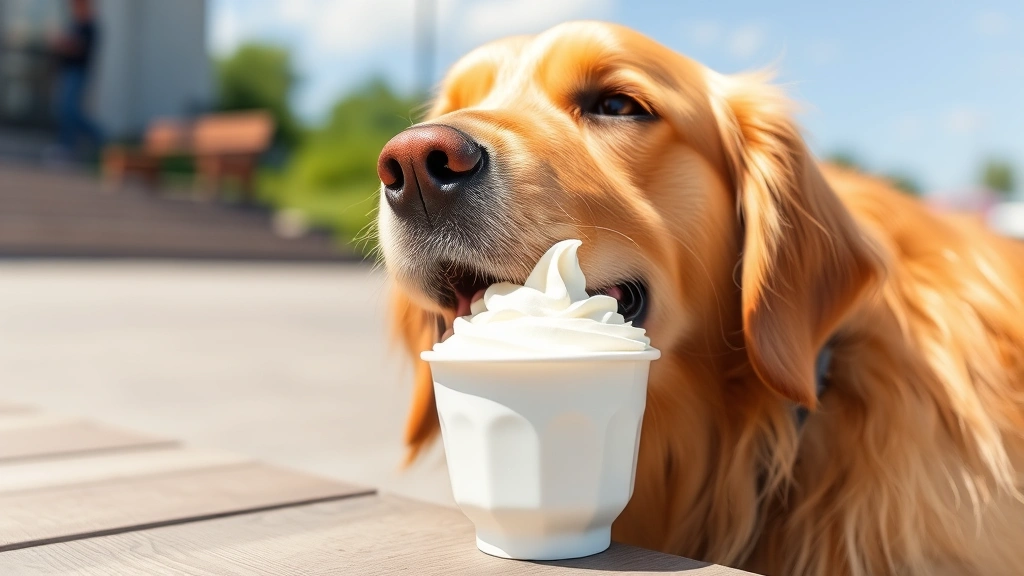
Are Pup Cups Bad for Dogs?
If you’re a dog lover who frequents coffee shops, you’ve likely witnessed the adorable sight of a furry friend enjoying a “pup cup” – a complimentary treat offered by many establishments. These small cups of whipped cream or plain vanilla ice cream have become a beloved ritual for pet owners and their canine companions. However, as a professional dog trainer and veterinary specialist, I receive countless questions about whether these trendy treats are actually safe for our four-legged friends. The answer isn’t as straightforward as you might think.
Pup cups have gained significant popularity over the past decade, becoming a staple offering at coffee chains and ice cream parlors worldwide. While the gesture is undoubtedly sweet and the dogs certainly seem to enjoy them, pet owners need to understand the potential health implications before regularly indulging their pups. The ingredients in these treats, their nutritional value, and individual dog sensitivities all play crucial roles in determining whether pup cups are beneficial or detrimental to your dog’s health.
This comprehensive guide will explore everything you need to know about pup cups, including their ingredients, potential health risks, benefits, and safe alternatives. Whether you’re a seasoned pup cup enthusiast or considering trying one for the first time, understanding the facts will help you make informed decisions about your dog’s dietary choices.
Table of Contents
- What Are Pup Cups?
- Ingredients Breakdown and Nutritional Content
- Potential Health Risks Associated with Pup Cups
- Lactose Intolerance in Dogs
- Safe Guidelines for Giving Your Dog Pup Cups
- Healthy Alternatives to Traditional Pup Cups
- Frequently Asked Questions
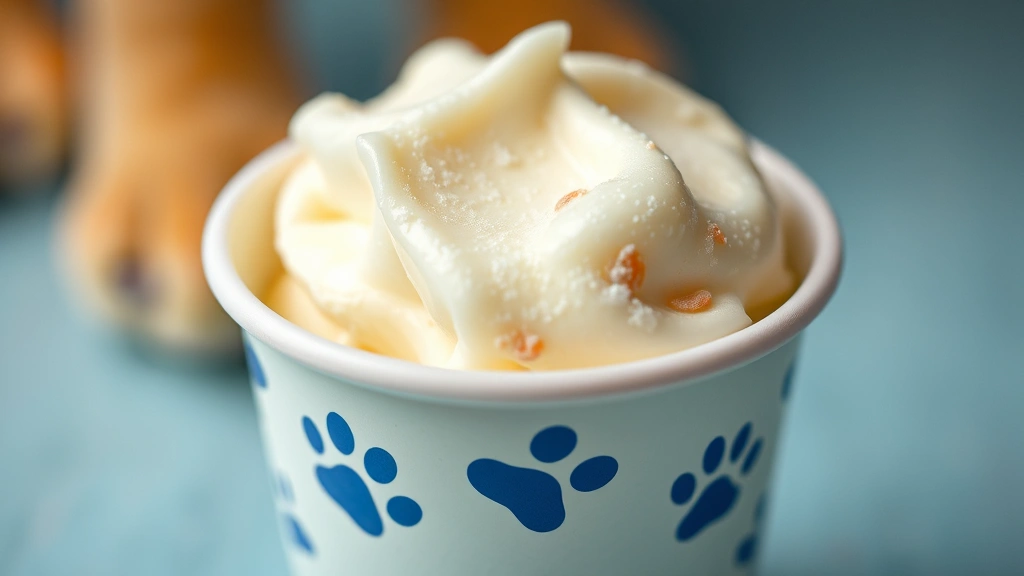
What Are Pup Cups?
Pup cups are complimentary treats offered by various establishments, primarily coffee shops and ice cream parlors, to accommodate canine customers. These treats typically consist of a small cup filled with whipped cream, plain vanilla ice cream, or a combination of both. The concept originated from coffee culture and has since become a widespread practice among pet-friendly businesses looking to welcome dogs and their owners.
The primary appeal of pup cups lies in their simplicity and the joy they bring to dogs. Many establishments use plain ingredients without added sugars or artificial flavors, making them seem like a harmless indulgence. However, the actual nutritional composition and potential effects on individual dogs can vary significantly depending on the specific ingredients used and the dog’s unique health profile.
Starbucks popularized the pup cup concept, offering their version made from whipped cream. Other establishments have followed suit, creating their own variations. Some use soft-serve ice cream, while others stick exclusively to whipped cream. Understanding what’s actually in the pup cup your dog is consuming is the first step in making an informed decision about whether it’s appropriate for your pet. Learn more about can dogs have whipped cream to understand the base ingredient in many pup cups.
Ingredients Breakdown and Nutritional Content
The primary ingredient in most pup cups is whipped cream or vanilla ice cream. Both contain milk, which is derived from lactose-containing dairy products. Whipped cream is essentially heavy cream that’s been whipped to incorporate air, creating a light, fluffy texture that dogs find appealing. Vanilla ice cream, on the other hand, contains additional ingredients including sugar, milk solids, and sometimes artificial flavoring.
A typical pup cup contains minimal calories – usually between 20 to 50 calories for whipped cream versions and up to 100 calories or more for ice cream-based versions. While this might seem negligible, it’s important to remember that treats should comprise no more than 10% of your dog’s daily caloric intake. For small breeds, even a small pup cup could represent a significant portion of their daily allowance.
The nutritional profile of pup cups is relatively straightforward: they provide fat, some protein, and carbohydrates (from sugar in ice cream versions). They contain minimal vitamins or minerals beneficial to dogs. In essence, pup cups are what we call “empty calories” – they provide energy without substantial nutritional value. If you’re curious about other dairy products for dogs, explore whether can dogs have milk and understand the broader context of dairy in canine diets.
According to the PetMD guide on ice cream, the sugar content in ice cream-based pup cups can be particularly concerning for certain dogs. The added sugar provides no nutritional benefit and can contribute to weight gain, dental issues, and other health complications over time.
Potential Health Risks Associated with Pup Cups
While occasional pup cups are unlikely to cause serious harm to most healthy adult dogs, regular consumption can lead to several health concerns. The primary risks include weight gain, digestive upset, and potential development of more serious conditions like obesity and pancreatitis. Understanding these risks helps pet owners make educated decisions about treat frequency and portion sizes.
Weight management is one of the most significant concerns with regular pup cup consumption. Dogs are prone to obesity, which affects approximately 56% of dogs in the United States according to veterinary surveys. Excess weight contributes to numerous health problems including joint disease, diabetes, heart disease, and shortened lifespan. Each pup cup represents unnecessary calories that don’t contribute to your dog’s nutritional needs.
Pancreatitis is another serious concern, particularly when pup cups contain high fat content. This inflammatory condition of the pancreas can range from mild to life-threatening. Dogs with a history of pancreatitis or those prone to the condition should absolutely avoid pup cups. High-fat treats are a known trigger for pancreatitis episodes in susceptible dogs.
Dental health can also be compromised by the sugar content in ice cream-based pup cups. Sugar promotes bacterial growth in the mouth, leading to plaque buildup, gum disease, and tooth decay. While dogs don’t typically develop cavities like humans do, they can develop periodontal disease, which is painful and can lead to tooth loss.
Additionally, the fat content in pup cups can trigger digestive upset in some dogs, resulting in vomiting, diarrhea, or constipation. Some dogs may experience temporary discomfort or more serious gastrointestinal issues depending on their sensitivity and overall digestive health. For dogs with sensitive stomachs or existing digestive conditions, pup cups pose particular risks.
Lactose Intolerance in Dogs
One of the most commonly overlooked concerns regarding pup cups is lactose intolerance. Many people assume that because milk is natural, all dogs can digest it without problems. However, lactose intolerance is surprisingly common in adult dogs. Most dogs lose the ability to produce sufficient lactase – the enzyme needed to digest lactose – as they mature past puppyhood.
When dogs consume dairy products containing lactose without adequate lactase production, they experience digestive distress. Symptoms include bloating, gas, abdominal discomfort, diarrhea, and vomiting. These symptoms typically appear within 8 to 12 hours after consumption and can last for several hours. While not typically dangerous, the discomfort is entirely avoidable.
The degree of lactose intolerance varies among individual dogs. Some dogs can tolerate small amounts of dairy without significant problems, while others react severely to even tiny quantities. Genetics play a role, with some breeds showing higher rates of lactose intolerance than others. If you’re uncertain whether your dog has lactose sensitivity, it’s best to err on the side of caution or consult your veterinarian. Understanding your dog’s dairy tolerance is essential before offering pup cups. Check out information on can dogs have yogurt to learn more about dairy digestibility in dogs.
The Humane Society’s resources on dogs and ice cream emphasize the importance of understanding individual dog tolerances before offering frozen dairy treats.
Safe Guidelines for Giving Your Dog Pup Cups
If you’ve decided to give your dog a pup cup, following safety guidelines minimizes potential risks. The most important rule is moderation – pup cups should be occasional treats, not regular indulgences. For most healthy adult dogs, an occasional pup cup (once monthly or less frequently) poses minimal risk.
Before offering a pup cup, consider your dog’s individual health status. Dogs with obesity, diabetes, pancreatitis history, digestive sensitivities, or other health conditions should avoid pup cups entirely. Consult your veterinarian if your dog has any pre-existing health concerns before introducing new treats.
Size matters significantly. Small breed dogs should receive proportionally smaller portions than large breeds. A standard pup cup may represent an acceptable treat for a 70-pound Golden Retriever but could be excessive for a 10-pound Chihuahua. Adjust portions based on your dog’s size and daily caloric needs.
Choose whipped cream versions over ice cream when possible. Plain whipped cream contains less sugar and fewer additives than ice cream. Ensure the whipped cream contains no added xylitol, an artificial sweetener that’s toxic to dogs. If the establishment uses plain whipped cream without additives, this is the safer option.
Monitor your dog after consuming a pup cup. Watch for signs of digestive upset, including vomiting, diarrhea, or unusual behavior. If your dog shows any negative symptoms, avoid pup cups in the future. Keep track of treats consumed throughout the day to ensure treats don’t exceed 10% of daily caloric intake.
Never give pup cups to puppies or senior dogs without veterinary approval. Puppies have developing digestive systems, and seniors may have age-related health conditions making them more susceptible to complications. For additional context on safe treats, explore whether can dogs eat bacon and other common human foods offered as treats.
Healthy Alternatives to Traditional Pup Cups
Rather than relying on traditional pup cups, numerous healthier alternatives provide similar enjoyment without the associated risks. These alternatives can be purchased, made at home, or created using dog-specific products designed with canine nutrition in mind.
One excellent alternative is frozen plain yogurt without added sugars or xylitol. Yogurt contains beneficial probiotics that support digestive health, and when frozen, it provides a refreshing treat similar to pup cups. Many pet stores sell dog-specific frozen yogurt treats that eliminate concerns about inappropriate ingredients. Learn more about can dogs have yogurt to understand the benefits and appropriate portions of this dairy alternative.
Frozen peanut butter treats offer another nutritious option. Simply freeze plain peanut butter in ice cube trays or specialized treat molds for a delicious, protein-rich treat. Peanut butter provides healthy fats and protein beneficial for dogs. Always ensure the peanut butter contains no xylitol, which is highly toxic to dogs. For more details, check out can dogs have peanut butter guidelines.
Frozen coconut milk (unsweetened) presents another creative alternative. Many dogs enjoy the tropical flavor, and it provides hydration during warm weather. Some pet owners freeze broth in ice cube trays for a savory, nutrient-dense treat. These bone broth treats provide collagen and other beneficial compounds supporting joint and digestive health.
Commercially available dog ice cream formulated specifically for canine consumption is another option. These products use dog-safe ingredients, appropriate sweeteners (or none at all), and are formulated to meet canine nutritional standards. They’re typically available at pet specialty stores and online retailers.
Fresh fruit can be frozen as treats. Blueberries, watermelon (seedless), and banana pieces can be frozen individually or in ice cube trays. These provide natural sweetness, hydration, and beneficial nutrients without added sugars or dairy concerns. Many dogs find these naturally sweet treats just as satisfying as pup cups.
The American Kennel Club’s guide on pup cups recommends these healthier alternatives as ways to treat your dog while supporting their long-term health. For those interested in coconut-based options, explore whether can dogs drink coconut water for additional hydrating treat ideas.

Frequently Asked Questions
Are pup cups completely unsafe for all dogs?
No, pup cups aren’t inherently unsafe for all dogs when offered occasionally in small portions. Healthy adult dogs without pre-existing health conditions can typically tolerate an occasional pup cup without serious consequences. However, moderation is key. Dogs with obesity, pancreatitis history, digestive sensitivities, diabetes, or dairy intolerance should avoid them entirely. Individual tolerance varies significantly, so observe your dog’s response carefully.
How often can I safely give my dog a pup cup?
For most healthy adult dogs, occasional pup cups (once monthly or less frequently) pose minimal risk. However, they shouldn’t become a regular treat. Remember that treats should comprise no more than 10% of your dog’s daily caloric intake. For small breeds or dogs with any health concerns, even less frequent offerings are advisable. Consult your veterinarian about appropriate frequency for your specific dog.
What are the signs my dog is having a negative reaction to a pup cup?
Common signs of negative reactions include vomiting, diarrhea, excessive gas, bloating, abdominal discomfort or whining, lethargy, or loss of appetite. These symptoms typically appear within 8 to 12 hours of consumption and may last several hours. If your dog displays any of these symptoms after consuming a pup cup, avoid them in the future and consult your veterinarian if symptoms persist or are severe.
Is whipped cream safer than ice cream for pup cups?
Generally, plain whipped cream is a safer option than ice cream for pup cups. Whipped cream contains less sugar and fewer additives than ice cream. However, even whipped cream contains lactose and fat that some dogs may struggle to digest. Ensure any whipped cream offered contains no added xylitol or other artificial sweeteners. Despite being the safer dairy option, plain whipped cream should still be offered only occasionally.
Can puppies or senior dogs have pup cups?
Puppies and senior dogs should generally avoid pup cups without explicit veterinary approval. Puppies have developing digestive systems that are more sensitive to dietary changes and rich foods, potentially causing upset. Senior dogs often have age-related health conditions like pancreatitis, diabetes, or digestive issues that make them more susceptible to complications from high-fat treats. Always consult your veterinarian before introducing new treats to puppies or senior dogs.
What makes xylitol dangerous in pup cups, and how do I check for it?
Xylitol is an artificial sweetener used in some sugar-free whipped cream and ice cream products. It’s highly toxic to dogs, causing rapid insulin release leading to severe hypoglycemia (low blood sugar), liver damage, and potentially death. Before allowing your dog to consume any pup cup, ask the establishment about ingredients and verify no xylitol is present. Always read ingredient labels on packaged products carefully.
Are there dog-specific pup cup products I should choose instead?
Yes, numerous dog-specific frozen treat products are formulated with canine health in mind. These products use dog-safe ingredients, appropriate fat levels, and proper sweeteners (or none at all). They’re available at pet specialty stores and online retailers. These alternatives provide similar enjoyment to traditional pup cups while supporting rather than compromising your dog’s health. Consider these as preferable options to traditional pup cups for regular treat occasions.





