

Can a Dog Eat Doritos?
As a dog owner, you’ve probably wondered whether it’s safe to share your favorite snacks with your furry companion. Doritos are a beloved human snack, but the question of whether dogs can safely consume them is more complex than a simple yes or no answer. Understanding the ingredients and potential health risks associated with Doritos is crucial for responsible pet ownership and ensuring your dog’s long-term health and wellbeing.
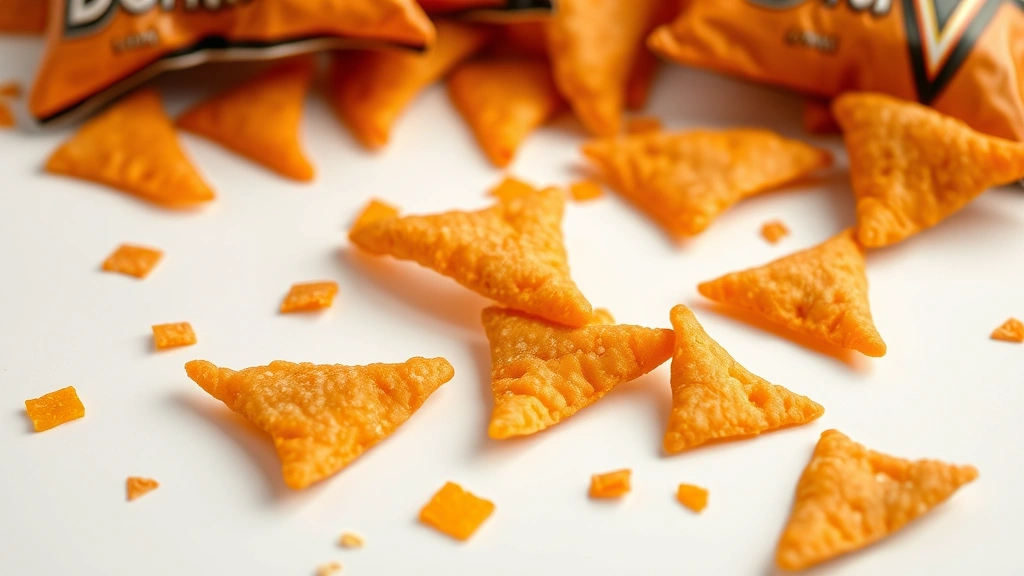
Doritos are highly processed corn chips loaded with salt, artificial flavors, and various seasonings that are not formulated for canine consumption. While a single chip occasionally dropped on the floor won’t cause immediate harm to most healthy adult dogs, regular consumption or large quantities can pose serious health risks. This comprehensive guide will help you understand exactly what makes Doritos problematic for dogs and what healthier alternatives you can offer instead.
Before we dive into the details, it’s important to recognize that your dog’s nutritional needs are vastly different from yours. What tastes delicious to us may be toxic or harmful to our canine companions. Let’s explore the science behind why Doritos are generally not recommended for dogs.
Table of Contents
- Why Doritos Are Concerning for Dogs
- The Sodium Problem
- Artificial Additives and Seasonings
- Potential Digestive Issues
- What to Do If Your Dog Eats Doritos
- Healthy Snack Alternatives
- Frequently Asked Questions
Why Doritos Are Concerning for Dogs
Doritos contain multiple ingredients that are problematic for canine health. The primary concerns revolve around the high sodium content, artificial flavorings, and processed corn composition. Dogs have different metabolic processes than humans, and their bodies process certain compounds differently, making foods safe for us potentially dangerous for them.
The main ingredients in Doritos include enriched corn meal, vegetable oil, salt, and various seasonings and flavorings. While corn itself isn’t toxic to dogs, the way it’s processed and combined with other ingredients in Doritos makes it unsuitable for regular consumption. Additionally, many Doritos flavors contain onion and garlic powder, which are known to be toxic to dogs and can damage their red blood cells.
Understanding the complete ingredient profile is essential. Some Doritos varieties contain more dangerous additives than others, and flavored varieties pose greater risks than plain versions. You should always check the specific flavor you have at home, as formulations can vary by region and change over time.
The Sodium Problem
One of the most significant concerns with Doritos for dogs is their extremely high sodium content. A single serving of Doritos contains approximately 250 milligrams of sodium, which is significant considering that most adult dogs only need about 100-200 milligrams of sodium per day. Excessive salt intake can lead to serious health complications in dogs.
High sodium consumption in dogs can result in sodium ion poisoning, also known as hypernatremia. Symptoms of this condition include excessive thirst, lethargy, vomiting, diarrhea, and in severe cases, neurological issues such as seizures or tremors. Chronic high sodium intake can also contribute to hypertension and kidney disease, particularly in senior dogs or those with pre-existing health conditions.
Dogs with certain health conditions are at even greater risk from Doritos consumption. If your dog has heart disease, kidney problems, or is on a sodium-restricted diet, Doritos should be completely avoided. Additionally, smaller dogs are more susceptible to the negative effects of high sodium because it takes less to reach toxic levels in their smaller bodies.
Artificial Additives and Seasonings
Beyond sodium, Doritos contain numerous artificial additives and seasonings that concern veterinarians. Many Doritos flavors include monosodium glutamate (MSG), artificial colors, and artificial flavors that have no nutritional value for dogs and may cause adverse reactions in sensitive individuals.
Certain Doritos flavors contain ingredients that are explicitly toxic to dogs. For example, many flavored varieties contain onion powder and garlic powder, which are dangerous because they contain compounds that damage dogs’ red blood cells and can lead to hemolytic anemia. Even in small quantities, these ingredients can be problematic, and regular consumption can have cumulative toxic effects.
The nacho cheese flavor, which is perhaps the most popular variety, contains additional concerns beyond the base chip. The cheese flavoring is highly artificial and contains additional salt and saturated fat. While some dogs can have small amounts of real cheese safely, the artificial cheese flavoring in Doritos is not the same and offers no nutritional benefit.
Potential Digestive Issues
Even if your dog doesn’t experience immediate toxic effects from Doritos, the high fat and salt content can trigger various digestive problems. Dogs’ digestive systems are designed to process natural, whole foods rather than highly processed snacks with artificial ingredients.
Consuming Doritos can lead to pancreatitis, particularly in dogs prone to this condition. Pancreatitis is inflammation of the pancreas and can be extremely painful and potentially life-threatening. Symptoms include vomiting, abdominal pain, loss of appetite, and lethargy. The high fat content in Doritos is a known trigger for pancreatitis episodes in susceptible dogs.
Additionally, the artificial ingredients and high seasoning can cause gastrointestinal upset, including diarrhea and vomiting. If your dog has a sensitive stomach or food allergies, the risk of digestive issues increases significantly. Regular consumption of Doritos could also contribute to obesity, which leads to numerous health problems including joint issues, diabetes, and decreased lifespan.

What to Do If Your Dog Eats Doritos
If your dog has accidentally eaten a small amount of Doritos, don’t panic. A single chip or small handful is unlikely to cause serious harm to a healthy adult dog, though it’s still not ideal. However, you should monitor your dog closely for any signs of distress or illness.
Watch for symptoms such as excessive thirst, vomiting, diarrhea, lethargy, or difficulty breathing. If your dog consumed a large quantity or if you notice any concerning symptoms, contact your veterinarian immediately. Be honest about what your dog ate and how much, as this information helps your vet determine the best course of action.
Keep Doritos and other salty snacks stored in secure locations where your dog cannot access them. This is particularly important for dogs that are food-motivated or prone to counter surfing. Prevention is always easier than dealing with a potential emergency situation. Consider that similar concerns apply to other salty snacks like pretzels, which should also be kept away from curious canines.
Healthy Snack Alternatives
Instead of offering your dog Doritos, there are many nutritious and delicious alternatives that your canine companion will love. These alternatives provide actual nutritional value while being safe for dogs to consume regularly.
Excellent healthy snack options include fresh fruits and vegetables such as carrots, apples (without seeds), green beans, and watermelon. These provide natural nutrients, fiber, and hydration without artificial additives or excessive sodium. Many dogs enjoy the crunch of a raw carrot, which also helps clean their teeth naturally.
Protein-based treats are another great option. Dogs can safely eat scrambled eggs as an occasional treat, providing high-quality protein without harmful additives. You might also consider small amounts of bacon or plain cooked chicken as occasional treats, though these should be given in moderation due to their fat content.
For dogs that enjoy savory flavors, consider offering plain popcorn (without butter or salt), sweet potato chews, or specially formulated dog treats made with wholesome ingredients. You can also make homemade dog treats using ingredients like pumpkin, peanut butter (xylitol-free), and oats. These options satisfy your dog’s desire for a special snack while supporting their overall health and nutrition.
Frequently Asked Questions
Is it ever safe for dogs to eat Doritos?
While a single Dorito chip won’t typically cause serious harm to a healthy adult dog, it’s not recommended to offer them regularly or in large quantities. The risk increases with frequency of consumption and quantity eaten. For senior dogs, puppies, or dogs with health conditions, even small amounts should be avoided.
What happens if a dog eats a whole bag of Doritos?
Consuming a large quantity of Doritos poses serious health risks including sodium poisoning, pancreatitis, and severe gastrointestinal upset. If your dog has consumed a whole bag, contact your veterinarian immediately and be prepared to describe the flavor and quantity consumed. Your vet may recommend induced vomiting or other treatment depending on the amount and your dog’s size.
Are some Doritos flavors safer than others?
While some flavors contain fewer toxic additives than others, no Doritos flavor is truly safe for dogs. The nacho cheese, cool ranch, and other heavily seasoned varieties are particularly problematic due to onion and garlic powder content. Even plain salted Doritos pose risks due to excessive sodium content.
Can my dog develop an addiction to Doritos?
Dogs can become accustomed to salty and fatty foods, and may beg for them repeatedly if offered. However, this is different from true addiction. The bigger concern is that regular consumption of human snacks can lead to nutritional imbalances and weight gain. Establishing healthy boundaries around snacking is important for long-term health.
What are the signs my dog is having an adverse reaction to Doritos?
Signs of adverse reactions include vomiting, diarrhea, excessive thirst and urination, lethargy, loss of appetite, abdominal pain, tremors, or difficulty breathing. Some dogs may also develop skin irritations or itching if they have sensitivities to artificial additives. Any concerning symptoms warrant a call to your veterinarian.
Are there any dog breeds more susceptible to Doritos toxicity?
Small dog breeds are more susceptible to sodium poisoning because toxicity is dose-dependent on body weight. Additionally, certain breeds with pre-existing health conditions are at higher risk. Pancreatitis is also more common in certain breeds like miniature schnauzers. Always consult with your vet about your specific dog’s risk factors.
How can I prevent my dog from eating Doritos and other human snacks?
Store snacks in secure locations out of your dog’s reach, supervise your dog during meals and snacking times, and educate family members about not sharing human food with pets. Train your dog with positive reinforcement to ignore dropped food items. Consider offering your dog appropriate dog treats and snacks to satisfy their desire for special foods without the health risks.





