
Can a Dog Get a Cold?
As a pet owner, you’ve likely noticed your dog sneezing or coughing and wondered if your furry friend might be coming down with a cold. The simple answer is yes—dogs can absolutely get colds, just like humans do. However, the experience and management of canine colds differ significantly from human colds, and understanding these differences is crucial for providing appropriate care to your beloved companion. When your dog exhibits symptoms of illness, it’s important to know what you’re dealing with so you can take the right steps to help them feel better and determine when veterinary care is necessary.
Dog colds are typically caused by viral infections that affect the respiratory system. While the common cold virus that affects humans (rhinovirus) doesn’t infect dogs, there are several other viruses and bacteria that can cause similar cold-like symptoms in canines. These respiratory infections range from mild to moderately severe, and while most resolve on their own with proper care, some can develop into more serious conditions if left untreated. Understanding the signs, causes, and treatment options will help you keep your dog healthy and comfortable.
In this comprehensive guide, we’ll explore everything you need to know about canine colds, including how they develop, what symptoms to watch for, and how to help your dog recover. We’ll also discuss when it’s time to visit your veterinarian and how to prevent respiratory infections in your dog. Whether you’re dealing with a currently sick pup or simply want to be prepared, this article will provide you with the knowledge to be a more informed and proactive pet parent.
Table of Contents
- What Causes Dog Colds?
- Recognizing Cold Symptoms in Dogs
- Viral vs. Bacterial Respiratory Infections
- Diagnosis and Treatment Options
- Home Care and Recovery
- Prevention Strategies
- When to See Your Veterinarian
- Frequently Asked Questions
What Causes Dog Colds?
Dog colds are primarily caused by viral infections that target the respiratory tract. The most common culprits include parainfluenza virus, coronavirus, and adenovirus type 2. These viruses spread through airborne droplets when an infected dog coughs, sneezes, or shares food and water bowls with other dogs. Understanding the source of these infections helps you recognize how your dog might have been exposed and what precautions to take going forward.
Unlike humans, dogs don’t contract the human rhinovirus that causes most human colds. Instead, they have their own set of respiratory viruses that are species-specific. According to resources from the American Veterinary Medical Association on colds in dogs, these infections are particularly common in environments where multiple dogs interact, such as kennels, dog parks, and shelters. A dog’s immune system can typically fight off these mild viral infections without intervention, though symptoms can persist for one to three weeks.
Environmental factors also play a role in your dog’s susceptibility to catching a cold. Stress, poor nutrition, lack of exercise, and exposure to cold temperatures can weaken your dog’s immune system and make them more vulnerable to infection. Additionally, dogs with underlying health conditions, senior dogs, puppies, and those with compromised immune systems are at higher risk for developing severe respiratory infections. If you’re concerned about your dog’s susceptibility, learning about can dogs get the flu may also provide valuable context for managing your pet’s health during illness season.
Recognizing Cold Symptoms in Dogs
The symptoms of a cold in dogs are similar to those in humans, though they manifest somewhat differently. The most common signs include a persistent cough, sneezing, nasal discharge, and mild lethargy. Your dog may also experience a slight decrease in appetite or seem less enthusiastic about their usual activities. These symptoms typically appear two to five days after exposure to the virus and can last anywhere from one to three weeks, depending on the severity of the infection and your dog’s immune response.
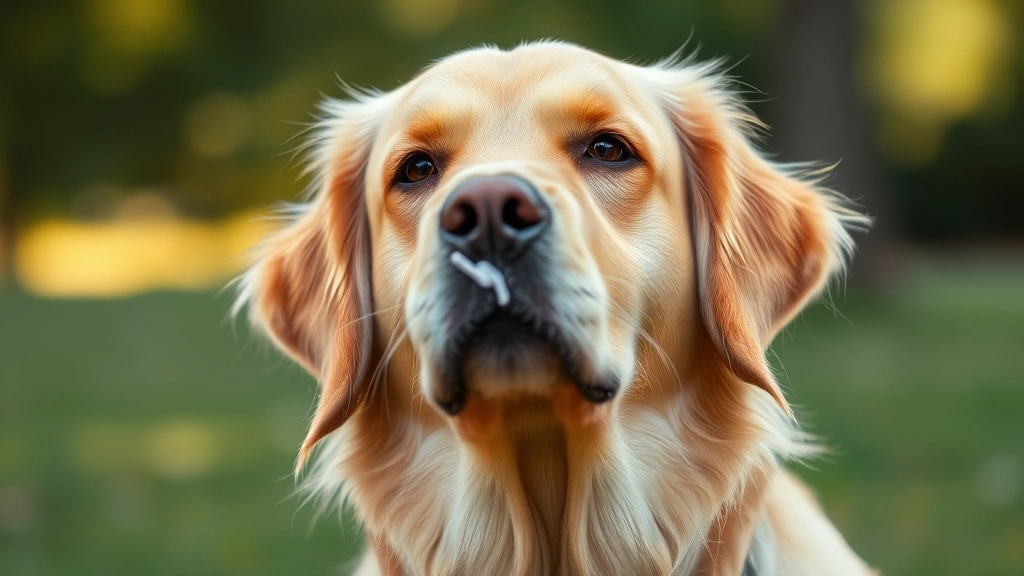
One of the most noticeable symptoms is a dry, hacking cough that may sound like your dog is trying to clear something from their throat. This cough can be triggered by activity, excitement, or changing positions. Some dogs may also develop a runny nose with clear or slightly cloudy discharge. If your dog is coughing, it’s important to observe the frequency and nature of the cough to help your veterinarian make an accurate diagnosis. In addition to respiratory symptoms, you might notice your dog seems more tired than usual or shows less interest in playtime.
While most dogs maintain their normal appetite during a mild cold, some may eat less due to nasal congestion affecting their ability to smell food properly. You might also notice your dog sneezing more frequently, especially when transitioning from indoor to outdoor environments. It’s important to monitor these symptoms closely and keep track of how long they persist, as this information will be valuable if you need to seek veterinary care. The American Kennel Club provides expert advice on whether dogs can get colds, which includes detailed symptom information.
Viral vs. Bacterial Respiratory Infections
Understanding the difference between viral and bacterial respiratory infections is essential for determining the appropriate treatment approach. Viral infections, which are the most common cause of dog colds, cannot be treated with antibiotics and must run their course as your dog’s immune system fights off the infection. These infections are self-limiting, meaning they typically resolve on their own within one to three weeks. Supportive care, including rest, hydration, and a comfortable environment, is the primary treatment for viral respiratory infections.
Bacterial infections, on the other hand, can be treated with antibiotics prescribed by your veterinarian. These infections often develop as secondary infections following a viral respiratory infection, or they can occur independently. Common bacterial culprits include Bordetella bronchiseptica, a bacterium responsible for kennel cough. If your dog’s cold symptoms worsen or persist beyond three weeks, your veterinarian may suspect a bacterial infection and prescribe antibiotics. This is why documenting the timeline of your dog’s symptoms is crucial for your vet’s diagnosis.
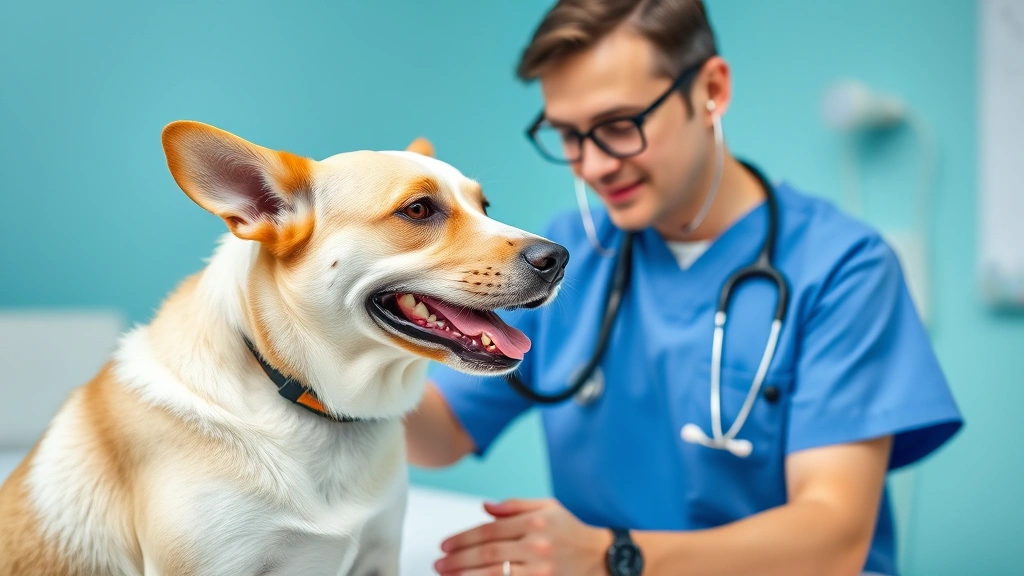
The challenge lies in distinguishing between viral and bacterial infections without professional testing. Your veterinarian may perform a physical examination, listen to your dog’s lungs with a stethoscope, and potentially take nasal or throat swabs for laboratory analysis. In some cases, your vet might also recommend X-rays if pneumonia is suspected. Learning about conditions like can dogs get bird flu can also help you understand the broader spectrum of canine respiratory diseases that require professional evaluation.
Diagnosis and Treatment Options
When you take your dog to the veterinarian with suspected cold symptoms, they’ll perform a comprehensive physical examination. Your vet will listen to your dog’s lungs and heart with a stethoscope, check for nasal discharge, and assess your dog’s overall health status. They may ask detailed questions about when the symptoms started, the progression of the illness, your dog’s vaccination status, and any recent exposure to other dogs. This information helps your veterinarian determine whether the infection is likely viral or bacterial and what treatment approach is most appropriate.
For mild viral colds, treatment is primarily supportive. Your veterinarian will recommend rest, adequate hydration, and a comfortable environment to help your dog’s immune system fight off the infection. They may suggest keeping your dog indoors to prevent the spread of the virus to other dogs and to protect your dog from additional stress that outdoor exposure might cause. Some vets recommend using a humidifier in your dog’s sleeping area to help ease congestion and make breathing more comfortable. The Humane Society provides guidance on what to do if your dog has a cold, including practical home care tips.
If your veterinarian suspects a bacterial infection or if your dog develops complications, antibiotics may be prescribed. It’s crucial to complete the full course of antibiotics as directed, even if your dog starts feeling better before the medication is finished. This prevents the development of antibiotic-resistant bacteria and ensures the infection is completely cleared. Your vet might also recommend cough suppressants or other symptomatic treatments to help your dog feel more comfortable while recovering. Additionally, exploring whether your dog is throwing up becomes important if gastrointestinal symptoms develop alongside respiratory symptoms.
Home Care and Recovery
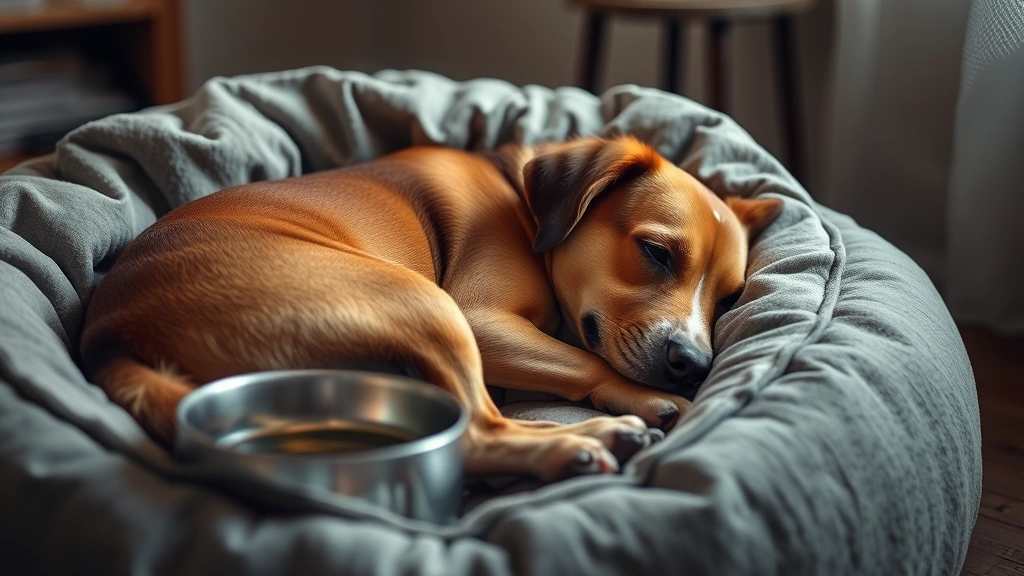
Proper home care is essential for helping your dog recover from a cold. The most important step is ensuring your dog gets plenty of rest. Limit strenuous activity and exercise while your dog is fighting off the infection, as physical exertion can prolong recovery and potentially lead to complications. Create a comfortable resting space for your dog in a quiet area of your home, away from high-traffic zones and noisy environments that could cause additional stress.
Maintaining proper hydration is critical during your dog’s recovery. Ensure your dog has constant access to fresh, clean water. If your dog is reluctant to drink, you can try offering water in different ways, such as using a water fountain or adding a small amount of low-sodium broth to their water to make it more appealing. Some dogs prefer to drink from running water, so you might try running the kitchen faucet briefly to encourage drinking. Dehydration can complicate recovery and weaken your dog’s immune system further.
Regarding nutrition, continue feeding your dog their regular diet if they’ll eat it. However, if your dog has lost their appetite, try offering smaller, more frequent meals of high-quality, easily digestible food. Warm food tends to be more appealing to congested dogs, as the warmth can help open nasal passages slightly and make eating more comfortable. You can also try offering nutritious broths or bone broths (without onions or garlic) to encourage fluid and nutrient intake. If your dog refuses food for more than a few days, contact your veterinarian for guidance.
Creating a humid environment can significantly ease your dog’s discomfort. Use a humidifier in the room where your dog spends most of their time, or you can create a makeshift steam treatment by running hot water in your bathroom and allowing your dog to spend time in the steamy environment. This helps loosen congestion and makes breathing easier. Ensure your home is kept at a comfortable temperature and avoid exposing your dog to smoke, strong cleaning products, or other irritants that could further irritate their respiratory system. If you notice symptoms like whether your dog has a fever, monitor their temperature and report any findings to your veterinarian.
Prevention Strategies
While you can’t completely prevent your dog from ever catching a cold, there are several strategies you can implement to reduce the risk of infection. Vaccination is one of the most effective prevention methods. The intranasal or oral parainfluenza and coronavirus vaccines can help protect your dog against some of the most common cold-causing viruses. Talk to your veterinarian about whether these vaccines are appropriate for your dog based on their lifestyle, age, and overall health. Additionally, bordetella vaccines are available for dogs at high risk of exposure, such as those who frequent dog parks or attend training classes.
Maintaining your dog’s overall health is another crucial prevention strategy. A strong immune system is your dog’s best defense against viral infections. Ensure your dog receives a balanced, nutritious diet rich in vitamins and minerals that support immune function. Regular exercise helps maintain physical fitness and reduces stress, both of which contribute to a healthy immune system. Avoid exposing your dog to extreme cold temperatures for extended periods, as cold stress can weaken immunity. Additionally, manage your dog’s stress levels through consistent routines, positive interactions, and adequate mental stimulation.
Practice good hygiene and sanitation to minimize exposure to viruses. If your dog has been exposed to a sick dog, wash their food and water bowls thoroughly, and consider bathing them to remove any viral particles from their coat. Avoid sharing toys or equipment with dogs of unknown health status, and be cautious about taking your dog to environments where sick dogs might be present. If you have multiple dogs at home and one becomes ill, try to keep them separated when possible to prevent spreading the infection to your other pets.
When to See Your Veterinarian
While most dog colds are mild and self-limiting, certain situations warrant a veterinary visit. You should contact your veterinarian if your dog’s symptoms persist for more than three weeks, as this may indicate a bacterial secondary infection or a more serious underlying condition. Additionally, if your dog develops a high fever (over 103°F), you should seek veterinary care promptly. Fever can indicate a more serious infection that requires professional treatment.
Other red flags that require veterinary attention include difficulty breathing, wheezing, or labored breathing. If your dog seems unusually lethargic or unresponsive, refuses to eat for more than a few days, or develops vomiting or diarrhea alongside respiratory symptoms, these warrant professional evaluation. Additionally, if your dog’s cough sounds severe, changes character, or is accompanied by blood or discolored discharge, contact your veterinarian immediately. Senior dogs, puppies, and dogs with pre-existing health conditions should see a vet sooner rather than later if they develop cold symptoms, as they’re at higher risk for complications. Resources from Cornell’s College of Veterinary Medicine on cold symptoms in dogs can help you understand when professional care is needed.
Don’t hesitate to call your veterinarian with questions or concerns about your dog’s health. Many vets are willing to discuss symptoms over the phone and can advise whether an in-person examination is necessary. It’s always better to err on the side of caution when it comes to your dog’s health. Your veterinarian knows your dog’s medical history and can provide personalized recommendations based on your pet’s specific situation. For additional guidance on managing canine illnesses, the PetMD article on dog cold symptoms and treatment offers comprehensive information from veterinary professionals.
Frequently Asked Questions
How long does it take for a dog to recover from a cold?
Most dog colds resolve within one to three weeks with proper supportive care. However, the timeline can vary depending on the severity of the infection, your dog’s age, overall health status, and immune function. Some dogs may recover in as little as seven to ten days, while others might take up to four weeks. If your dog’s symptoms persist beyond three weeks, contact your veterinarian to rule out secondary infections or other complications.
Is it safe to take my dog out in cold weather while they have a cold?
It’s best to minimize outdoor exposure while your dog is recovering from a cold. Cold, wet weather can stress your dog’s immune system and potentially worsen symptoms or prolong recovery. However, brief outings for bathroom breaks are necessary. Keep these trips short and dry your dog thoroughly afterward. Once your dog has recovered and symptoms have resolved, normal outdoor activities can resume. Avoiding extended time in cold, wet conditions helps your dog focus their energy on fighting off the infection.
Can I catch a cold from my dog?
No, you cannot catch a dog’s cold. The viruses that cause colds in dogs are species-specific and cannot infect humans. Similarly, the human cold virus cannot infect dogs. However, good hygiene practices are still important when your dog is sick to prevent the spread of infection to other dogs. Wash your hands after handling your sick dog, especially before interacting with other animals, and avoid sharing contaminated items between dogs.
Should I give my dog over-the-counter cold medicine?
You should not give your dog over-the-counter cold medicine without explicit veterinary approval. Many human cold medications contain ingredients that are toxic to dogs or can cause serious side effects. Your veterinarian can recommend safe, dog-appropriate treatments if needed, such as specific cough suppressants or decongestants that are suitable for canine use. Always consult your vet before administering any medication to your dog, even over-the-counter products marketed for pets.
Can dogs get colds from being bathed or groomed?
While a single bath or grooming session is unlikely to cause a cold, exposing a dog with a weakened immune system to cold drafts, wet conditions, or stress during grooming could potentially contribute to illness. It’s best to avoid bathing or professional grooming while your dog is actively fighting off a cold. However, once your dog has fully recovered, regular grooming and bathing are part of good pet hygiene and don’t cause colds when done in appropriate conditions with proper drying afterward.
What’s the difference between a cold and kennel cough?
While both conditions affect the respiratory system, kennel cough is a specific, highly contagious condition typically caused by the bacterium Bordetella bronchiseptica, often combined with viral infections. Kennel cough produces a distinctive dry, hacking cough that sounds like your dog is trying to clear their throat, often described as sounding like a goose honk. A general cold can be caused by various viruses and may include sneezing, nasal discharge, and mild cough. Kennel cough is more contagious and requires specific treatment, while general colds are usually self-limiting. If you suspect kennel cough, consult your veterinarian promptly.
Are certain dog breeds more susceptible to catching colds?
While any dog can catch a cold, certain breeds may be more predisposed to respiratory issues due to their anatomy. Brachycephalic breeds, such as Bulldogs, Pugs, and Boston Terriers, have shorter airways and may experience more pronounced respiratory symptoms when sick. Additionally, small breeds and dogs with flat faces may struggle more with congestion and breathing difficulties. Senior dogs of any breed and puppies under six months of age are also at higher risk due to immune system maturity levels. However, proper preventative care and prompt treatment can help all dogs manage respiratory infections successfully.





