

Can a Dog Get a Cold?
As a pet owner, you’ve likely wondered whether your furry companion can catch a cold just like humans do. The short answer is yes, but it’s more complicated than you might think. Dogs don’t get colds caused by the same viruses that affect humans, but they can develop similar respiratory illnesses that produce comparable symptoms. Understanding the difference between canine respiratory infections and human colds is essential for providing proper care and knowing when to seek veterinary attention.
Many dog owners are surprised to learn that their pets can experience cold-like symptoms. When your dog starts sneezing, coughing, or displaying nasal discharge, it’s natural to assume they’ve caught your cold. However, the viruses responsible for canine respiratory infections are species-specific, meaning they don’t transfer between humans and dogs. This article will explore what causes these illnesses in dogs, how to recognize the symptoms, and what steps you should take if your beloved pet falls ill.
Whether you’re a first-time dog owner or an experienced pet parent, understanding canine respiratory health is crucial. This comprehensive guide will help you distinguish between various conditions, learn about prevention strategies, and discover when professional veterinary care is necessary.
Table of Contents
Understanding Canine Colds
Dogs can definitely experience respiratory infections that resemble human colds, though the underlying causes differ significantly. The condition is often referred to as “kennel cough” or infectious tracheobronchitis, a highly contagious respiratory disease that spreads rapidly among dogs, particularly in environments where multiple dogs congregate. If you want to learn more about whether can dogs get colds, understanding these distinctions is vital for proper pet care.
Canine respiratory infections can range from mild to severe, depending on the causative agent, the dog’s age, overall health status, and immune system strength. Puppies, senior dogs, and those with compromised immune systems are particularly vulnerable to developing serious complications. The infection typically affects the upper and lower respiratory tract, causing inflammation and irritation that leads to the characteristic symptoms we associate with a cold.
One important distinction to make is that do dogs get colds from the same viruses humans catch? The answer is no. Human cold viruses such as rhinoviruses and enteroviruses cannot infect dogs. Instead, dogs are susceptible to their own set of respiratory pathogens, including specific viruses and bacteria adapted to canine physiology.
Common Symptoms of Colds in Dogs
Recognizing the signs that your dog might be suffering from a cold is the first step toward getting them appropriate care. The symptoms typically appear two to fourteen days after exposure to the infectious agent, and they can vary in severity depending on the specific pathogen involved.
The most common signs of a canine cold include:
- Persistent coughing, often described as a dry, hacking cough
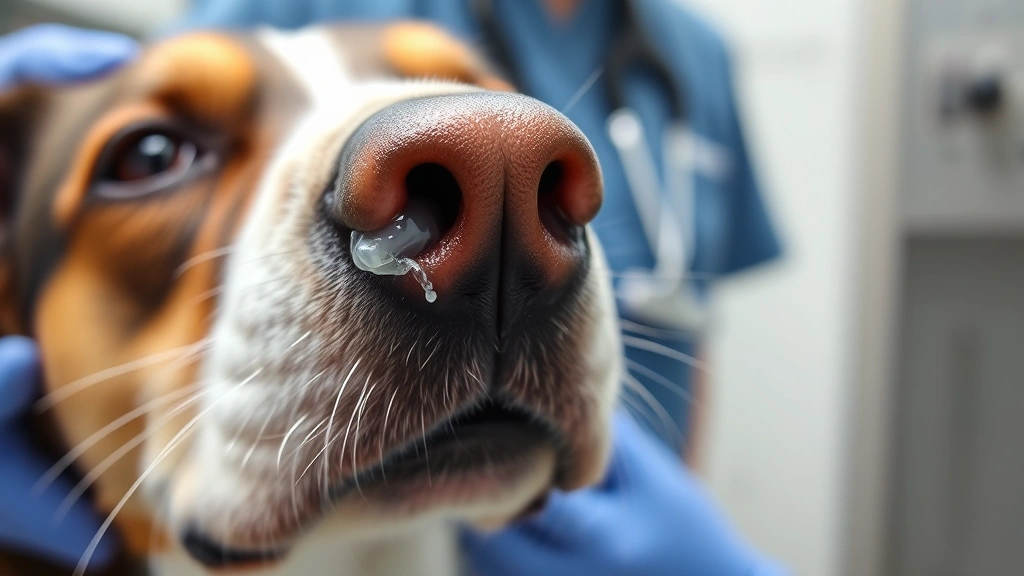
- Sneezing and nasal discharge that may be clear or yellowish
- Lethargy and general fatigue
- Loss of appetite or reduced interest in food
- Mild fever in some cases
- Watery or runny eyes
- Difficulty breathing or shortness of breath in severe cases
- Reverse sneezing episodes
If you notice your dog displaying these symptoms, particularly if why is my dog coughing persistently, it’s important to monitor their condition closely. Some dogs may also experience secondary infections affecting their ears, which could require additional treatment. In rare cases, how to treat dog ear infection without vet methods exist, but professional guidance is typically recommended.
Causes and Viruses Behind Dog Colds
Several different pathogens can cause cold-like symptoms in dogs. The most common culprit is the bacterium Bordetella bronchiseptica, which is responsible for many cases of kennel cough. This bacterium spreads through respiratory droplets and thrives in environments where dogs are in close proximity to one another.
Viral contributors to canine respiratory infections include parainfluenza virus, which is one of the primary causes of kennel cough in dogs. This virus is different from the influenza viruses that affect humans and is specifically adapted to canine hosts. Another important consideration is whether can dogs get the flu, and the answer is yes—but it’s canine influenza, not the human flu virus.
According to veterinary experts at the American Veterinary Medical Association, canine influenza is a highly contagious respiratory disease that can spread rapidly through dog populations. There are two main strains of canine influenza virus, H3N8 and H3N2, each with distinct characteristics and geographic prevalence patterns.
Additional viral agents that can cause respiratory symptoms in dogs include adenovirus type 2 and mycoplasma. Some dogs may also experience symptoms related to can dogs get bird flu, though this is less common and typically occurs in specific geographic regions or among dogs with unusual exposure histories.

Diagnosis and Treatment Options
When you bring your dog to the veterinarian with suspected cold-like symptoms, they’ll perform a thorough physical examination and may recommend additional diagnostic tests. The vet will listen to your dog’s lungs with a stethoscope to detect abnormal sounds and assess the severity of the respiratory infection.
Diagnostic procedures may include:
- Chest radiographs (X-rays) to evaluate lung health
- Nasal and throat swabs for viral or bacterial culture
- Blood tests to check for systemic infection
- Tracheal wash in cases of severe or persistent coughing
Treatment approaches depend on the underlying cause of the respiratory infection. For viral infections like parainfluenza, treatment is primarily supportive, focusing on maintaining comfort while the immune system fights off the infection. This may include rest, proper nutrition, and maintaining adequate hydration.
Bacterial infections, such as those caused by Bordetella, may require antibiotic therapy. Your veterinarian will prescribe the appropriate antibiotic based on culture results and sensitivity testing. Additionally, you should understand that can dogs get norovirus, which can cause gastrointestinal symptoms alongside respiratory issues in some cases.
According to PetMD’s expert guidance, supportive care is crucial for recovery. This includes providing a humidifier to ease congestion, ensuring adequate rest, and offering nutritious food to support immune function. In some cases, your vet may recommend cough suppressants or other medications to manage symptoms while your dog recovers.
Prevention Strategies for Dog Colds
Prevention is always preferable to treatment when it comes to protecting your dog from respiratory infections. Several strategies can significantly reduce the risk of your pet contracting a cold-like illness.
The most effective prevention method is vaccination. The American Kennel Club recommends that all dogs receive vaccinations against common respiratory pathogens, particularly if they spend time in environments where they’ll encounter other dogs. Vaccines are available for Bordetella, parainfluenza, and canine influenza.
Additional prevention strategies include:
- Minimizing exposure to sick dogs and infected environments
- Maintaining proper hygiene and regularly washing your dog’s bedding
- Ensuring your dog receives regular exercise to boost immune function
- Providing a balanced diet rich in vitamins and minerals
- Avoiding unnecessary stress, which can compromise immune response
- Keeping your home well-ventilated and at appropriate humidity levels
- Regular veterinary check-ups to monitor overall health
If you board your dog or take them to dog parks, grooming facilities, or training classes, ensure these establishments follow strict hygiene protocols. Many reputable facilities require proof of current vaccinations before allowing dogs to interact.
When to See a Veterinarian
While many cases of mild respiratory infections resolve on their own with supportive care, certain situations warrant immediate veterinary attention. You should contact your vet if your dog exhibits any of the following:
- Persistent coughing lasting more than a week despite home care
- Difficulty breathing or labored respiration
- High fever (above 103°F or 39.4°C)
- Refusal to eat or drink for more than 24 hours
- Lethargy and unresponsiveness
- Coughing up blood or bloody mucus
- Symptoms worsening after initial improvement
- Signs of secondary infections or complications
The Humane Society provides valuable guidance on determining whether your dog’s symptoms warrant professional evaluation. Senior dogs, puppies, and dogs with pre-existing health conditions should be evaluated by a vet sooner rather than later, as they’re more prone to complications.
Young, healthy adult dogs with mild symptoms may sometimes recover without veterinary intervention, but professional evaluation ensures proper diagnosis and appropriate treatment planning. Early intervention can prevent complications and reduce the duration of illness.
Frequently Asked Questions
Can my dog catch my cold?
No, the viruses that cause human colds cannot infect dogs. Human cold viruses are species-specific and only affect human respiratory systems. While your dog cannot catch your cold, they can develop their own respiratory infections from different pathogens. However, Cornell University’s veterinary experts note that some zoonotic diseases can transfer between species, though human colds are not among them.
How long does a dog cold last?
The duration of a canine respiratory infection depends on the causative agent and the dog’s overall health. Most cases of kennel cough resolve within one to three weeks with appropriate care. Mild infections may improve within days, while more severe cases could persist for several weeks. Persistent coughing might continue even after the infection has cleared, as the respiratory tract heals.
Is kennel cough the same as a cold?
Kennel cough is a specific respiratory infection that shares many symptoms with human colds but is caused by different pathogens. While both conditions involve coughing, sneezing, and respiratory symptoms, kennel cough is typically more contagious and has specific viral and bacterial causes. The term “kennel cough” refers specifically to infectious tracheobronchitis, which can be caused by various agents including Bordetella and parainfluenza virus.
Should I keep my sick dog away from other dogs?
Absolutely. If your dog shows signs of respiratory infection, isolate them from other dogs to prevent transmission. Most canine respiratory infections are highly contagious and spread through respiratory droplets. Keep your dog home from dog parks, training classes, and boarding facilities until they’ve fully recovered and are cleared by your veterinarian. This protects not only other dogs but also helps prevent reinfection.
Can dogs get colds from cold weather?
Cold weather itself doesn’t cause colds in dogs, though it can increase susceptibility to respiratory infections. Dogs are less likely to catch respiratory infections in cold weather compared to warm seasons, contrary to human experience. However, rapid temperature changes, drafts, and moisture can stress the respiratory system and make dogs more vulnerable to infection. Proper shelter and protection from extreme weather conditions help maintain respiratory health.
What home remedies can help my dog recover from a cold?
Several home care measures can support your dog’s recovery from a respiratory infection. Provide plenty of fresh water to maintain hydration, as this helps loosen congestion. Use a humidifier to add moisture to the air, which eases respiratory symptoms. Ensure your dog gets adequate rest in a comfortable, quiet environment. Offer nutritious food to support immune function, and consider adding immune-boosting supplements like vitamin C, though consult your vet first. WagWalking’s health resources provide additional guidance on supportive care measures.
Are there vaccines to prevent dog colds?
Yes, vaccines are available to protect against several common causes of respiratory infections in dogs. The Bordetella vaccine and parainfluenza vaccine are routinely recommended, particularly for dogs in high-risk environments. Canine influenza vaccines are also available in areas where the virus is prevalent. Talk to your veterinarian about which vaccines are appropriate for your dog based on their lifestyle, age, and risk factors. Regular vaccination is one of the most effective preventive measures available.





