

Can a Male Dog Go in Heat?
One of the most common misconceptions about dog reproduction is that male dogs can go into heat. This question often arises among new dog owners or those unfamiliar with canine biology. The straightforward answer is no—male dogs cannot go into heat. However, understanding why this is the case, what heat actually means, and how male dogs respond to females in heat requires a deeper dive into canine reproductive biology. Heat, or estrus, is a biological process specific to female dogs, and it’s important for pet owners to understand the differences between male and female reproductive cycles.
Male dogs do not experience the hormonal fluctuations and physical changes that characterize a heat cycle. Instead, male dogs are fertile year-round and remain in a constant state of sexual receptivity. While males cannot go into heat themselves, they are highly responsive to females in heat, which can lead to behavioral changes when they detect a female in estrus. This article will explore the science behind heat cycles, clarify common misconceptions, and provide essential information for dog owners dealing with reproductive health and behavior.
If you’re wondering about female dogs and their reproductive cycles, you might also be interested in learning whether dogs have periods, as this is closely related to understanding heat cycles in dogs.
Table of Contents
- What is Heat in Dogs?
- Male Dog Reproduction: The Key Differences
- Understanding the Female Heat Cycle
- How Male Dogs Respond to Females in Heat
- Behavioral Changes in Males During Female Heat
- Prevention Strategies and Management
- Frequently Asked Questions
What is Heat in Dogs?
Heat, or estrus, is the reproductive cycle in female dogs during which they are fertile and receptive to mating. This cycle involves significant hormonal changes driven by fluctuations in estrogen and progesterone levels. When a female dog enters heat, her body undergoes physical and behavioral changes that signal her reproductive readiness to potential mates. The heat cycle is a natural biological process that occurs in unspayed female dogs.
The heat cycle typically begins when a female dog reaches sexual maturity, which varies by breed but generally occurs between 6 months and 2 years of age. During this time, females experience vaginal discharge, vulvar swelling, and increased urination—all signs that the body is preparing for potential reproduction. Female dogs have periods in the form of heat cycles, though their reproductive system works quite differently from human menstruation.
Understanding heat cycles is essential for responsible dog ownership, as it helps owners make informed decisions about spaying, breeding, and managing their pets’ behavior during this sensitive time.

Male Dog Reproduction: The Key Differences
Male dogs operate on a completely different reproductive timeline than females. Unlike females who cycle in and out of fertility, male dogs are continuously fertile throughout their entire lives once they reach sexual maturity. There is no “male heat” because there is no cyclical pattern to male fertility. Male dogs produce sperm consistently and are physiologically prepared to mate at any time.
The primary reproductive hormone in male dogs is testosterone, which maintains relatively constant levels throughout the year. This hormonal stability means that male dogs do not experience the dramatic hormonal fluctuations that characterize female heat cycles. While testosterone levels may vary slightly, they do not follow a cyclical pattern that would be comparable to a heat cycle. How long are dogs in heat is a common question about females, but males have no equivalent timeframe since they don’t experience heat.
Male dogs reach sexual maturity around 6 to 12 months of age, depending on the breed. From this point forward, they remain capable of reproduction throughout their lives. This is why neutering is often recommended for male dogs whose owners do not intend to breed them, as it eliminates unwanted behavioral and health consequences related to constant fertility.
Understanding the Female Heat Cycle
To fully appreciate why male dogs cannot go into heat, it’s important to understand the complete female heat cycle. The canine estrous cycle consists of four distinct phases: proestrus, estrus, diestrus, and anestrus. Each phase has specific hormonal characteristics and physical manifestations.
Proestrus: This is the first phase of the heat cycle, lasting approximately 7 to 10 days. During proestrus, estrogen levels rise, causing the vulva to swell and bloody discharge to appear. Female dogs are not yet receptive to mating during this phase, despite males being extremely interested. Females will typically refuse advances from males during proestrus.
Estrus: This is the fertile phase of the cycle, typically lasting 5 to 14 days. During estrus, a female’s estrogen levels peak before dropping, and progesterone levels rise. This is when the female is receptive to mating. The vaginal discharge may become lighter or change color, and the female’s behavior becomes noticeably more flirtatious and receptive. How long do dogs stay in heat varies, but this fertile window is when breeding is possible.
Diestrus: Following estrus, the diestrus phase lasts approximately 60 days. During this time, progesterone levels remain elevated whether or not the female became pregnant. The female is no longer receptive to males, and any interest from males is actively discouraged.
Anestrus: This is the resting phase between cycles, lasting several months. During anestrus, hormone levels are low, and the female shows no signs of heat. The cycle then begins again with proestrus.
How Male Dogs Respond to Females in Heat
While male dogs cannot go into heat, they are profoundly affected by females who are in heat. Male dogs possess an extraordinary ability to detect pheromones—chemical signals released by females in estrus. A male dog can detect these pheromones from miles away, which is why intact male dogs may become restless, anxious, or determined to escape when a female in heat is nearby.
When a male dog detects a female in heat, his behavior can change dramatically. He may become obsessively focused on the female’s location, lose interest in food or normal activities, and exhibit increased marking behavior through urination. Some males may become aggressive toward other males as they compete for mating opportunities. This is not heat in the sense that females experience it, but rather a biological response to reproductive opportunity. How long is a dog in heat determines how long a male may display these heightened behaviors if he’s near an unspayed female.
The pheromone detection ability in male dogs is mediated by the vomeronasal organ, a specialized sensory structure in the roof of the mouth that processes chemical signals. This system is so sensitive that males can distinguish between different females and even determine the stage of a female’s cycle based on pheromone composition.
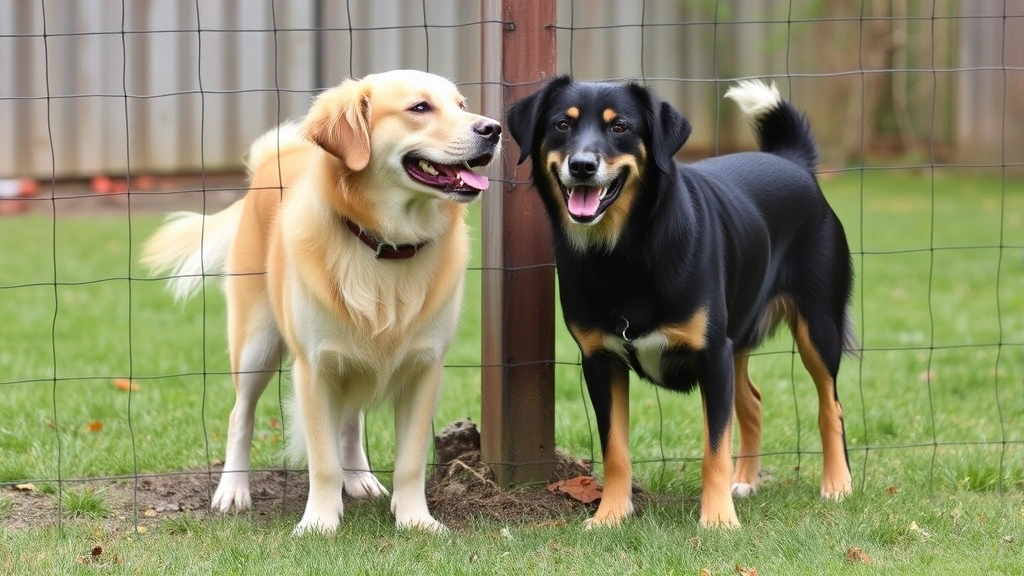
Behavioral Changes in Males During Female Heat
When there is a female in heat in the vicinity, male dogs often display noticeable behavioral changes. These changes are driven by hormonal responses and instinctive reproductive drives rather than by the male dog going into heat himself. Understanding these behavioral shifts helps owners manage their intact male dogs more effectively during these periods.
Increased Marking and Roaming: Male dogs may mark territory more frequently and become obsessed with escaping to find a female in heat. They may attempt to escape from yards, houses, or cars with unprecedented determination. This roaming behavior is instinctive and can be difficult to control without proper containment.
Loss of Appetite and Focus: Many intact males lose interest in food, toys, and normal activities when a female in heat is nearby. Their entire focus becomes directed toward finding and mating with the female. This loss of appetite can be concerning but typically returns to normal once the female’s heat cycle ends.
Aggression and Dominance: Some intact males may display increased aggression toward other males when females are in heat. Competition for mating opportunities can escalate tensions between dogs, leading to conflicts that wouldn’t normally occur. Female dogs have periods of heightened fertility that can trigger competitive male behavior.
Vocalization and Restlessness: Intact males may become more vocal, pacing and whining when they detect a female in heat. This restlessness reflects their biological drive to mate and can persist throughout the female’s heat cycle.
Prevention Strategies and Management
For dog owners with intact males and females, or for those living near unspayed females, managing reproductive behavior is essential. Several strategies can help prevent unwanted mating and manage the behavioral changes males display in response to females in heat.
Neutering: The most effective solution is neutering male dogs. This surgical procedure removes the testicles and eliminates testosterone production, which eliminates the drive to mate and reduces or eliminates the behavioral responses to females in heat. Neutered males typically show no interest in females in heat.
Spaying: Spaying females eliminates heat cycles entirely, which prevents the pheromone signals that trigger male behavior. This is often the best solution if you have female dogs in your household or community.
Separation and Containment: During a female’s heat cycle, keeping intact males separated from females is essential to prevent unwanted mating. This requires secure containment, as motivated intact males can escape from standard fencing or doors.
Controlled Breeding Programs: For responsible breeders, careful management of breeding dogs through controlled introductions and planned matings is necessary. Professional breeding requires knowledge of heat cycles and proper health screening of both parents.
Many veterinarians and animal behavior experts recommend spaying and neutering as part of responsible pet ownership, not only to prevent unwanted litters but also to eliminate the behavioral disruptions and potential health issues associated with intact reproductive systems.
Frequently Asked Questions
Do male dogs have any reproductive cycle similar to female heat?
No, male dogs do not have a reproductive cycle comparable to female heat. Males remain fertile year-round with relatively constant testosterone levels. They do not experience the cyclical hormonal changes that characterize female heat cycles. The only variation occurs in response to nearby females in heat, but this is a behavioral response rather than a true cycle.
Can a neutered male dog still respond to females in heat?
Neutered male dogs typically show little to no interest in females in heat, as the procedure removes the primary source of testosterone. However, some neutered males may retain residual sexual interest depending on the age at which they were neutered and individual variation. The vast majority of neutered males display no mating behavior or pheromone-driven responses.
Why do people sometimes think male dogs go into heat?
The confusion likely stems from observing intact males’ dramatic behavioral changes when females are in heat. When a male becomes restless, anxious, and obsessed with finding a female, it can appear as though something biological is happening to him. In reality, he’s responding to external signals from the female rather than experiencing his own heat cycle. Can dogs be autistic is another common misconception, showing how many people misunderstand canine biology.
At what age do male dogs become fertile?
Male dogs typically reach sexual maturity between 6 and 12 months of age, depending on breed size. Smaller breeds often mature earlier than larger breeds. Once mature, males remain fertile throughout their entire lives unless neutered.
What is the difference between a male’s response to heat and actual heat?
A male’s response to heat is behavioral and driven by detecting pheromones from a female in estrus. True heat involves the female’s body undergoing hormonal and physical changes that prepare her for reproduction. Males don’t experience these internal changes; they simply react to external signals from females.
How long does a male dog remain affected by a female in heat?
Male dogs typically remain highly motivated and distracted as long as a female in heat is nearby. Once the female’s heat cycle ends, most males return to normal behavior within a few days to a week. However, if they’ve previously mated with a particular female, they may continue attempting to find her for several weeks.
Can intact male dogs develop health problems related to their constant fertility?
Yes, intact male dogs face several health risks including testicular cancer, prostate disease, and benign prostatic hyperplasia. Additionally, the constant drive to mate and the stress of being unable to do so can lead to behavioral problems and anxiety. Neutering eliminates or significantly reduces these health risks.





